Circadian Fasting: How to Sync Your Eating Window with Your Body Clock for Better Health

Ever wondered why you feel sluggish after a late dinner or why breakfast sometimes feels like rocket fuel for your day? The answer might lie not in what you’re eating, but when. Circadian fasting is revolutionizing how we think about meal timing, moving beyond simply counting calories or fasting hours to align our eating patterns with our body’s internal clock. This approach to chrononutrition suggests that syncing your meals with your natural circadian rhythm could be the missing piece in your health optimization puzzle.
What Is Circadian Fasting and How Does It Work?
Circadian fasting, also known as circadian rhythm fasting, is a form of time-restricted eating that goes beyond traditional intermittent fasting by emphasizing when you eat in relation to your body’s internal clock. While regular intermittent fasting focuses primarily on limiting your eating window to a certain number of hours, body clock fasting takes it a step further by aligning that window with your natural biological rhythms.
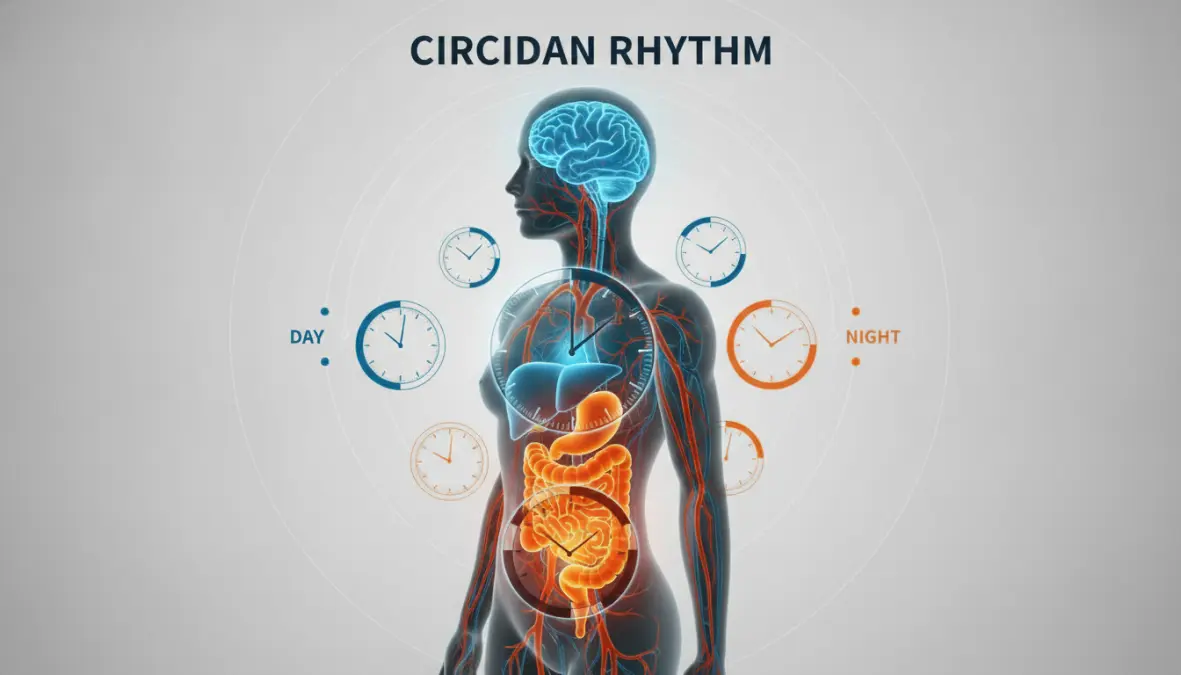
Your body operates on a roughly 24-hour cycle controlled by what scientists call the suprachiasmatic nucleus (SCN)—the master clock in your brain that responds primarily to light and darkness. But here’s what makes chrononutrition fascinating: you also have peripheral clocks in your organs, including your liver, pancreas, and digestive system. These peripheral clocks regulate when your body is primed for digestion, nutrient absorption, and metabolic processes.
The key difference? You could practice intermittent fasting from midnight to 8am and then eat until 4pm, but if you’re eating your largest meal at 10pm, you’re working against your circadian rhythm. Circadian fasting means concentrating your food intake during daylight hours when your metabolic machinery is most efficient, typically stopping eating well before sunset. This synchronization between your eating schedule and your biological programming is what sets it apart from simply restricting your eating window.
The Science Behind Meal Timing and Metabolic Health
The relationship between meal timing metabolism and health outcomes is more profound than most people realize. When you eat in alignment with your circadian rhythm, you’re essentially speaking your body’s native metabolic language, and the benefits are remarkable.
Research consistently shows that time-restricted eating aligned with daylight hours dramatically improves insulin sensitivity. Your pancreatic beta cells—the ones that produce insulin—are most responsive in the morning and gradually become less efficient as the day progresses. This means your body handles glucose regulation far better when you eat breakfast like a king and dinner like a pauper, rather than the reverse pattern many of us follow.
The metabolic health fasting approach also triggers several cellular processes that simply don’t happen when you’re constantly digesting food. During your digestive rest period, your body initiates autophagy—a cellular cleaning process where damaged components get recycled. This cellular housekeeping is crucial for longevity and disease prevention. Additionally, mitochondrial health improves when your cells aren’t constantly processing incoming nutrients, allowing these energy powerhouses to repair and function more efficiently.
Following a circadian diet also optimizes hormone optimization. Cortisol naturally peaks in the morning (helping you wake up), while melatonin rises at night (preparing you for sleep). Eating late disrupts this delicate dance, suppressing melatonin production and interfering with sleep quality. When you stop eating earlier in the evening, you allow these hormones to follow their natural rhythms.
The metabolic benefits extend to weight loss, reduced inflammation, sustained energy levels throughout the day, and improved cardiovascular health markers. Studies have shown that people following circadian-aligned eating patterns experience better metabolic flexibility—the ability to efficiently switch between burning carbs and fats for fuel—even without changing what they eat.
For those interested in deeper health optimization strategies, exploring biohacking for beginners can complement your circadian fasting journey with additional evidence-based approaches.
When Should You Eat? The Optimal Eating Window
So, what’s the best time to eat for circadian rhythm optimization? The science points toward an eating window that aligns with daylight, typically lasting 8-12 hours and starting relatively early in the day.
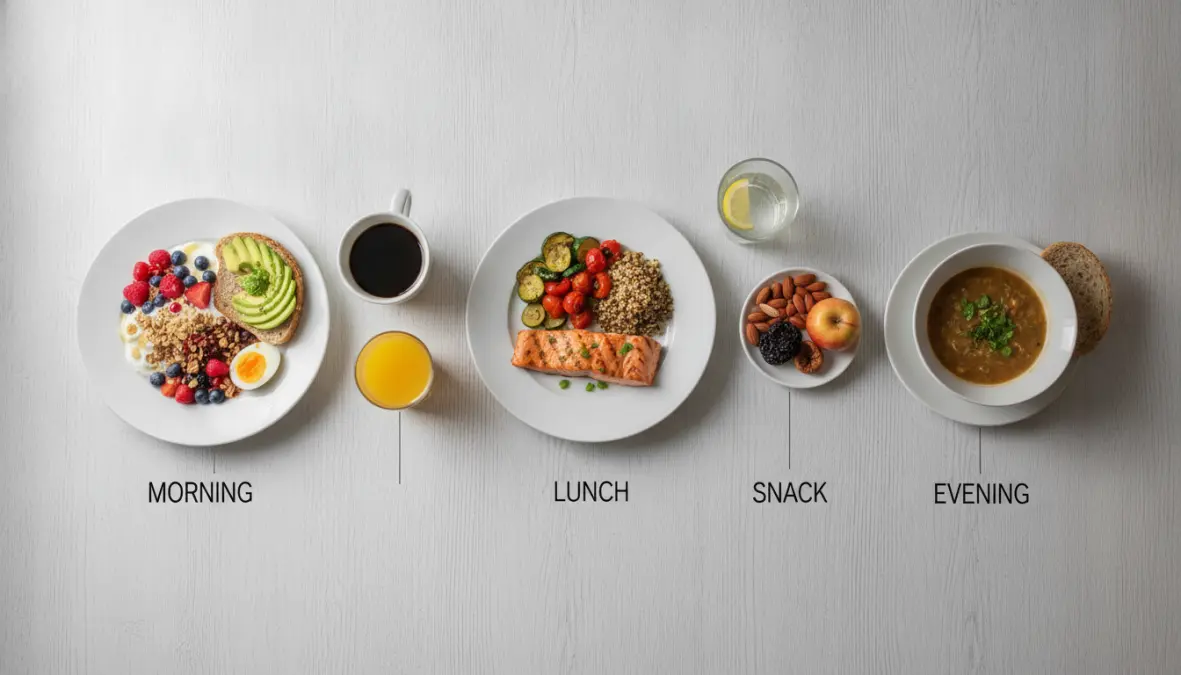
The most effective approach is what researchers call “early time-restricted eating“—having your largest meal at breakfast or lunch, and finishing your last meal by mid-afternoon or early evening. For example, you might eat between 8am and 6pm, or even more restrictively from 8am to 4pm if you’re aiming for a circadian fasting schedule for weight loss.
Why early eating? Your body’s ability to process glucose peaks in the morning and early afternoon. Insulin sensitivity is highest then, meaning your cells respond better to insulin’s signal to absorb glucose. By evening, this sensitivity declines, making late meals more likely to spike blood sugar and promote fat storage. Understanding how circadian fasting improves insulin sensitivity starts with respecting these natural metabolic fluctuations.
What to avoid: late-night eating is perhaps the most metabolically damaging pattern. Eating within 2-3 hours of bedtime raises blood sugar when your body expects to be fasting, interferes with sleep quality, and disrupts the overnight repair processes. If you’re wondering when to stop eating for optimal metabolism, aim to finish your last meal at least 3 hours before bed.
Your circadian rhythm is also influenced by light exposure, which is why circadian lighting benefits can work synergistically with your eating schedule to optimize your body clock.
How to Start Circadian Fasting: Practical Implementation
Ready to learn how to align fasting with circadian rhythm? Here’s your step-by-step guide to implementing this approach safely and effectively:
Start gradually: Don’t jump from eating whenever you want to a strict 8-hour window overnight. Begin with a 12-hour fasting period (say, 7pm to 7am), which many people can do relatively easily. After a week or two, gradually narrow your eating window by 30-60 minutes until you reach your target.
Align with natural light: Get sunlight exposure in the morning to set your master clock. Try to have your first meal within an hour or two of waking, and finish eating while it’s still light outside, or at least before sunset if you live in extreme latitudes.
Front-load your calories: Make breakfast or lunch your largest meal. This might feel counterintuitive if you’re used to big dinners, but it’s one of the benefits of eating according to circadian rhythm that yields significant results.
Stay hydrated: Water, black coffee, and unsweetened tea don’t break your fast and can help manage hunger. However, be mindful of caffeine timing—avoid it within 6 hours of bedtime to protect your sleep quality.
Time your exercise: Morning or afternoon workouts align best with cortisol patterns and metabolic function. Late-evening intense exercise can interfere with sleep.
For shift workers: If you work nights, the principle remains the same—eat during your active hours when exposed to light, and fast during your rest/sleep period. Consider using blackout curtains and bright lights to create an artificial day-night cycle.
Managing hunger: The first few days might be challenging as your body adjusts. Drink plenty of water, stay busy during fasting hours, and remember that hunger comes in waves—it will pass. Most people adapt within 1-2 weeks.
Your individual chronotype can also influence optimal meal timing. Learn more about why your chronotype matters to fine-tune your approach.
Frequently Asked Questions About Circadian Fasting
Is circadian fasting better than regular intermittent fasting?
The question of circadian fasting vs intermittent fasting isn’t about one being universally “better”—it’s about optimization. While standard intermittent fasting provides benefits through caloric restriction and extended fasting periods, circadian fasting adds the dimension of timing. Research suggests that eating earlier in the day produces better metabolic outcomes than eating the same number of calories in the same window but later. If you’re already doing intermittent fasting, shifting your eating window earlier could amplify your results.
Can I drink coffee during circadian fasting?
Yes, black coffee doesn’t break your circadian fast. It contains virtually no calories and won’t trigger insulin release. In fact, coffee may enhance some fasting benefits by promoting autophagy. Just avoid adding sugar, cream, or milk, which will break your fast. Green tea and herbal teas are also excellent options during fasting hours.
How long does it take to see results?
Many people notice improved energy and better sleep within the first week. Metabolic improvements like enhanced insulin sensitivity typically become measurable within 2-4 weeks. For weight loss and body composition changes, expect to see noticeable results after 4-8 weeks of consistent practice. Remember, you’re retraining decades of metabolic patterns—give your body time to adapt.
Is circadian fasting safe for everyone?
While generally safe for healthy adults, circadian fasting isn’t appropriate for everyone. Pregnant or breastfeeding women, children, people with a history of eating disorders, those with diabetes (especially on medication), and individuals with certain medical conditions should consult a healthcare provider first. If you have any chronic health conditions or take medications, professional guidance is essential.
What breaks a circadian fast?
Anything containing calories will break your fast—this includes food, caloric beverages, cream in coffee, or even chewing gum with sugar. Even small amounts trigger digestive processes and insulin release. However, water, black coffee, unsweetened tea, and electrolyte supplements without calories won’t break your fast. The key is avoiding anything that signals your body to start the digestive and metabolic processes associated with eating.
Circadian fasting represents a sophisticated evolution in our understanding of nutrition—one that acknowledges we’re not just what we eat, but when we eat. By respecting your body’s ancient biological rhythms in our modern world, you’re giving yourself a powerful tool for metabolic health, longevity, and overall wellbeing. Start with small changes, listen to your body, and remember that consistency matters more than perfection. Your circadian clock has been ticking for millions of years—it’s time to start working with it rather than against it.