Box Breathing Technique: The Navy SEAL Method for Instant Stress Relief
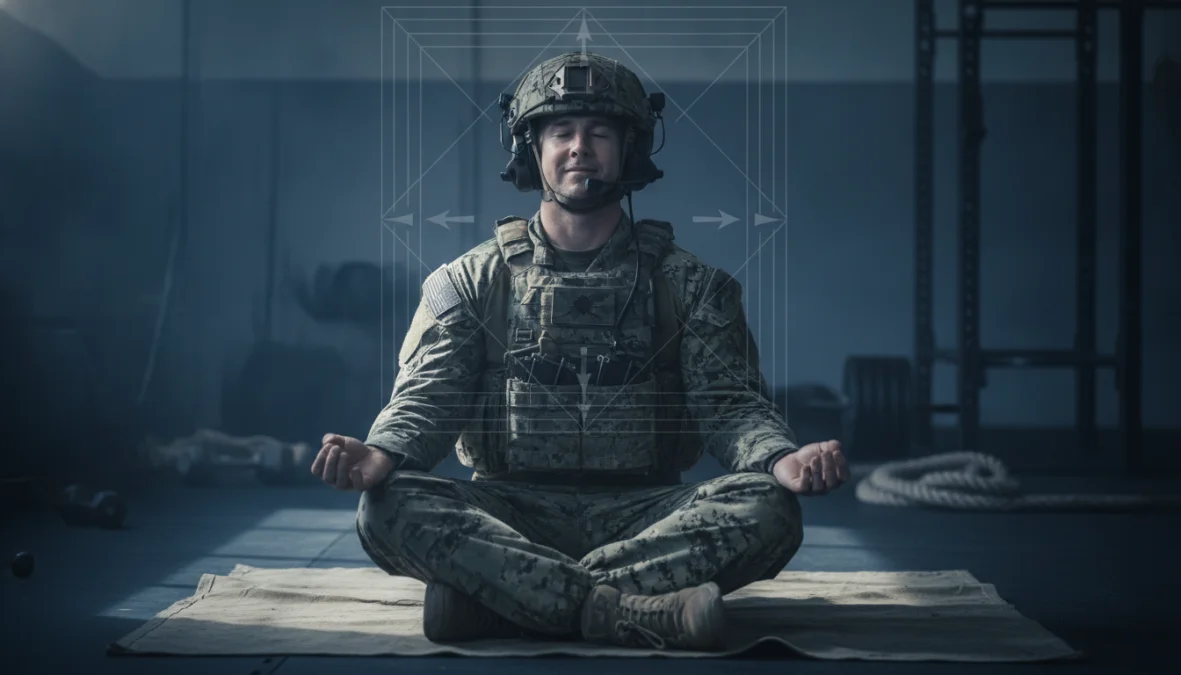
Picture this: you’re in a high-pressure situation—maybe a crucial presentation, a tense confrontation, or just another overwhelming day. Your heart’s racing, your mind’s spinning, and you need to regain control fast. This is exactly why Navy SEALs rely on the box breathing technique, a deceptively simple yet incredibly powerful method that can shift your nervous system from panic mode to calm focus in just a few minutes. Whether you’re facing combat-level stress or just Monday morning anxiety, this tactical breathing exercise might be exactly what you need in your mental toolkit.
What Is Box Breathing? Understanding the 4-4-4-4 Technique
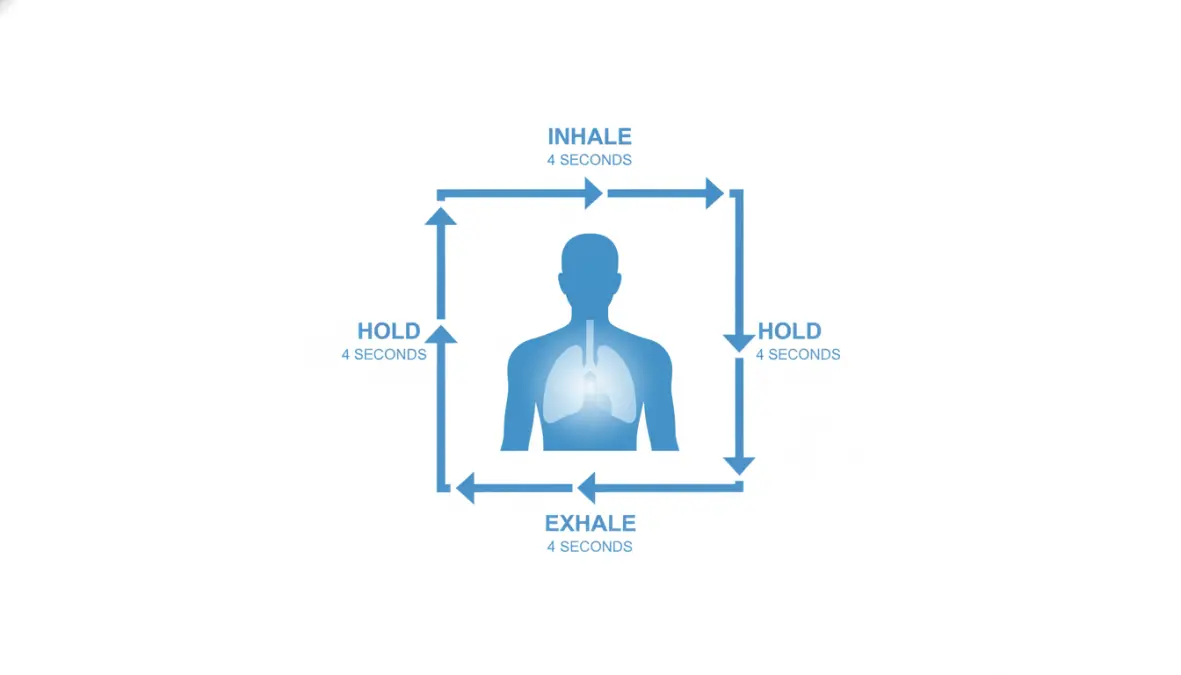
The box breathing technique, also known as the square breathing method or 4-4-4-4 breathing technique, is a controlled breathing exercise that follows a simple, rhythmic pattern. You inhale for four counts, hold your breath for four counts, exhale for four counts, and hold again for four counts—creating a perfect “box” or “square” pattern that gives the technique its name.
Developed and popularized by the U.S. Navy SEALs as a tactical breathing exercise, this method has roots in ancient pranayama techniques from yoga traditions. The military adopted it specifically for combat stress control, helping elite soldiers maintain clarity and composure in life-or-death situations. When your survival depends on split-second decisions, you can’t afford to let panic take the wheel.
But what makes this technique so effective? It all comes down to your autonomic nervous system. When you’re stressed, your sympathetic nervous system (the “fight or flight” response) dominates. Box breathing activates the parasympathetic nervous system—your body’s natural calming mechanism—creating autonomic nervous system balance. This physiological shift lowers cortisol levels, reduces heart rate, and brings oxygen flow back to the prefrontal cortex, the part of your brain responsible for rational thinking and decision-making.
Unlike shallow chest breathing that accompanies anxiety, box breathing is a form of diaphragmatic breathing that fully engages your lungs and triggers a measurable relaxation response. This respiratory regulation doesn’t just feel calming—it actually changes your body chemistry, making it one of the most accessible mindfulness breathing practices available.
How to Practice Box Breathing: Step-by-Step Guide
Learning how to do box breathing correctly is straightforward, but attention to detail makes all the difference. Here’s your complete military box breathing exercise tutorial:
Getting Started: Find a quiet space where you won’t be interrupted. Sit upright in a chair with your feet flat on the floor, or cross-legged on the ground—whatever feels stable and comfortable. Keep your spine straight but not rigid, shoulders relaxed, and hands resting gently on your knees or in your lap. You can close your eyes or maintain a soft gaze downward.
The Complete Cycle:
- Inhale slowly through your nose for 4 seconds, letting your belly expand as you fill your lungs from bottom to top
- Hold your breath for 4 seconds—don’t clench or create tension, just pause naturally
- Exhale slowly through your mouth for 4 seconds, emptying your lungs completely
- Hold empty for 4 seconds before beginning the next cycle
A helpful visualization: imagine tracing the sides of a square as you breathe. Inhale up one side, hold across the top, exhale down the other side, hold across the bottom. This mental image helps maintain rhythm and focus.
For beginners, start with 3-5 complete cycles (which takes only 1-2 minutes). As you become comfortable, you can extend sessions to 5-10 minutes. Practice at least once daily, ideally in the morning to set a calm tone, but you can use it anytime stress strikes—before meetings, during breaks, or when preparing for sleep with the box breathing technique for sleep.
Common mistakes to avoid: Don’t force the breath or strain during the holds. If four seconds feels too long initially, start with three-second intervals and build up. Avoid breathing too shallowly—engage your diaphragm fully. If you feel dizzy, you may be breathing too deeply; ease back slightly.
Advanced variations: Once mastered, you can extend to 5-5-5-5 or even 6-6-6-6 patterns for deeper states. Some practitioners use box breathing steps for beginners with a 3-3-3-3 pattern to ease into the practice. Similar to techniques used in somatic therapy for trauma, the key is finding what works for your nervous system.
Box Breathing Benefits: From Combat Zones to Daily Life
The question “does box breathing reduce stress” has been answered emphatically through both battlefield experience and scientific research. The box breathing benefits extend far beyond temporary relaxation—this technique creates measurable, lasting changes in how your body responds to pressure.
In military stress management, the stakes couldn’t be higher. Navy SEALs use this technique before missions, during combat, and in recovery to maintain peak cognitive function under extreme duress. When your brain is flooded with stress hormones, rational decision-making becomes nearly impossible. How Navy SEALs use box breathing demonstrates its power: by deliberately slowing and regulating breath, they can override automatic panic responses and maintain tactical awareness even in chaos.
For anxiety and panic attacks: Research shows that controlled breathing exercises like box breathing can interrupt the anxiety feedback loop. When you feel a panic attack building, this technique provides an immediate intervention—something concrete to focus on while physiologically shifting your body out of panic mode. Studies indicate that box breathing for anxiety can reduce symptoms by up to 40% when practiced regularly.
Cognitive performance: Box breathing increases oxygen delivery to the brain, enhancing focus, memory, and decision-making. This makes it invaluable before exams, presentations, or any situation requiring mental clarity. Much like the cognitive benefits discussed in our article on metacognition techniques, breath control supports optimal brain function.
Physical health benefits: Regular practice can lower blood pressure, reduce chronic stress markers, improve heart rate variability, and support better sleep quality. The best breathing technique for anxiety relief also supports overall cardiovascular health and immune function.
Daily applications: You don’t need to be in combat to benefit. Use box breathing before job interviews, difficult conversations, or when stuck in traffic. It’s portable, requires no equipment, and works anywhere—making it more accessible than practices like forest bathing, though both offer complementary stress-relief benefits.
The technique’s simplicity is its strength. While practices like neuroplasticity exercises require consistent long-term commitment, box breathing delivers immediate results while also creating lasting resilience when practiced regularly.
FAQ
How long should I practice box breathing?
Beginners should start with 3-5 minutes (about 5 complete cycles) once or twice daily. As you become comfortable, you can extend sessions to 10-20 minutes for deeper relaxation. For acute stress relief, even 2-3 minutes can make a noticeable difference. Consistency matters more than duration—regular short sessions beat occasional long ones.
Can box breathing lower blood pressure?
Yes, studies show that regular practice of controlled breathing exercises can reduce both systolic and diastolic blood pressure. The parasympathetic activation triggers vasodilation (widening of blood vessels) and reduces stress hormones that elevate blood pressure. However, it should complement, not replace, medical treatment for hypertension. Consult your doctor before using it as a primary intervention.
Is box breathing safe for everyone?
Box breathing is generally safe for most people, but those with respiratory conditions like severe asthma, COPD, or recent lung surgery should consult healthcare providers first. Pregnant women and people with heart conditions should start gently and avoid strain during breath holds. If you experience dizziness, chest pain, or severe discomfort, stop immediately and breathe normally.
What’s the difference between box breathing and other breathing techniques?
Box breathing’s distinctive feature is the equal duration of all four phases, including two holds. Unlike simple deep breathing, it includes retention periods that enhance parasympathetic activation. Compared to techniques like 4-7-8 breathing (which emphasizes longer exhales), box breathing’s symmetry makes it easier to remember and practice consistently, especially under stress.
Can I do box breathing lying down?
Yes, though sitting upright is generally recommended for optimal diaphragmatic engagement. Lying down works well for the box breathing technique combat stress relief before sleep or during rest periods. If lying down, place a hand on your belly to ensure you’re breathing deeply into your diaphragm rather than shallowly into your chest.
The beauty of the box breathing technique lies in its elegant simplicity. In a world that constantly demands more—more speed, more productivity, more stimulation—this ancient practice asks only that you slow down and count to four. Whether you’re navigating high-stakes decisions like a Navy SEAL or just trying to get through a stressful day, those four simple counts can be the difference between reactive panic and conscious calm. Give it a try right now: breathe in for four, hold for four, breathe out for four, hold for four. Your nervous system will thank you.