Neuroplasticity Exercises: Science-Backed Methods to Rewire Your Brain
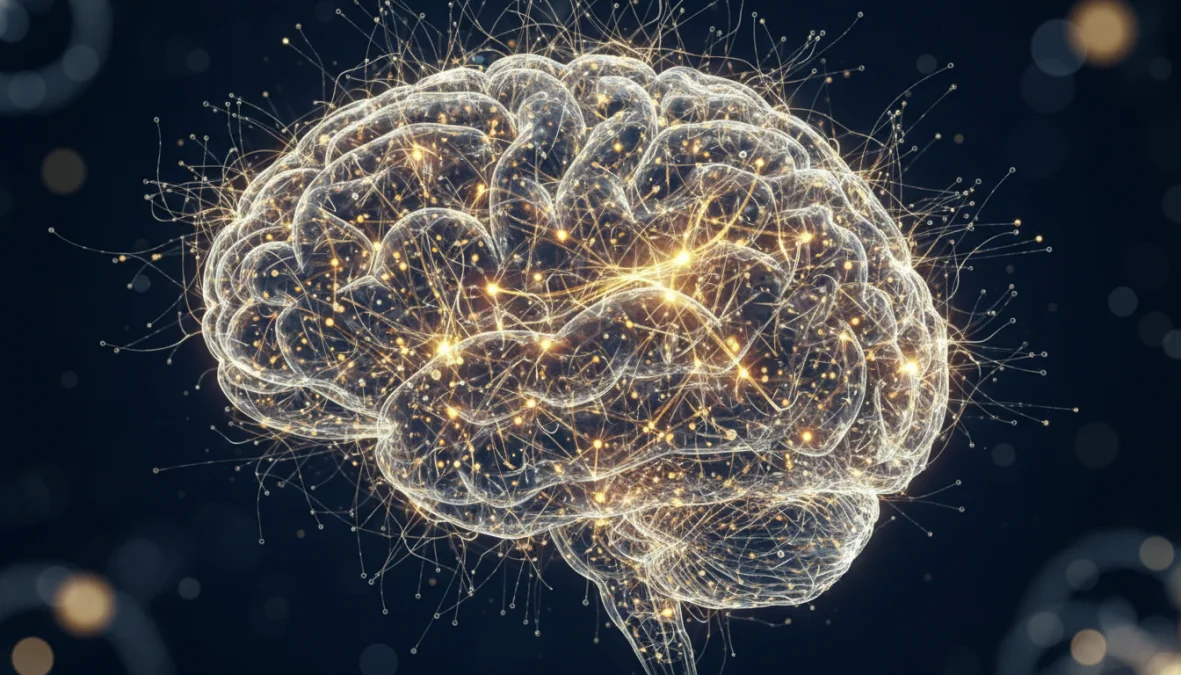
Ever feel like you’re stuck in the same mental ruts, repeating patterns you wish you could change? Here’s the good news: your brain isn’t hardwired. Thanks to neuroplasticity exercises, you can literally reshape your neural pathways and transform how you think, feel, and behave. Scientists have proven that our brains remain malleable throughout life, constantly adapting to new experiences. This isn’t just feel-good science—it’s a breakthrough that puts the power of cognitive transformation in your hands. Let’s dive into the science-backed methods that can help you rewire your brain and unlock your mental potential.
Understanding Neuroplasticity: How Your Brain Rewires Itself
Neuroplasticity is your brain’s remarkable ability to reorganize itself by forming new neural pathway training connections throughout your life. Think of it like a highway system that constantly updates its routes based on traffic patterns. When you learn something new or repeat a behavior, your brain strengthens certain pathways while pruning others that aren’t being used.
The science behind brain plasticity methods involves two main types: structural plasticity (physical changes in brain structure) and functional plasticity (the brain’s ability to move functions from damaged areas to undamaged ones). When you practice a skill repeatedly, your neurons fire together and wire together, creating stronger synaptic connections.
Here’s a myth worth busting: neuroplasticity isn’t just for kids. While younger brains show more plasticity, brain adaptation continues throughout adulthood. Research shows that adults can form new neural networks well into their 80s and beyond. This matters tremendously for cognitive health—it means you’re never too old to learn new skills, recover from injury, or change ingrained habits. Understanding this foundational concept is crucial for anyone interested in biohacking their cognitive performance.
Evidence-Based Neuroplasticity Exercises to Transform Your Brain
Ready for the practical stuff? These neuroplasticity exercises are backed by solid research and organized by category to help you target different aspects of brain training exercises and cognitive enhancement.

Physical Exercises: Aerobic exercise isn’t just for your body—it’s one of the most powerful neuroplasticity activities available. Running, cycling, or swimming for 30 minutes increases BDNF (brain-derived neurotrophic factor), a protein that promotes neuron growth. Coordination training like juggling or dancing forces your brain to create new pathways between motor and visual areas. Start with 20 minutes of cardio three times weekly, or try learning a complex dance routine to challenge multiple brain regions simultaneously.
Cognitive Exercises: Learning new skills is perhaps the best science-backed neuroplasticity exercises for adults. Pick up a musical instrument, learn a foreign language, or master a new software program. Each novel challenge forces your brain to build fresh neural pathways. The dual n-back task (a working memory exercise) has shown significant improvements in fluid intelligence. Brain teasers, puzzles, and strategy games like chess engage your prefrontal cortex and strengthen cognitive flexibility exercises. Dedicate 15-30 minutes daily to deliberate learning—something genuinely new and challenging.
Mindfulness Practices: Mindfulness meditation physically changes brain structure. Studies show that just eight weeks of consistent practice increases gray matter density in areas associated with learning and memory. Focused attention meditation strengthens the anterior cingulate cortex, improving emotional regulation. Start with 10 minutes of guided meditation daily, focusing on breath awareness. This practice creates measurable changes in cognitive restructuring and emotional processing. For better results, consider timing your practice with your optimal chronotype schedule.
Sensory Stimulation: Using your non-dominant hand for everyday tasks (brushing teeth, using a mouse) forces your brain to recruit new neural pathways. Sensory deprivation exercises, like eating blindfolded to heighten taste and smell awareness, strengthen underutilized sensory networks. These best exercises to improve brain plasticity work by disrupting automatic behaviors and forcing conscious attention.
Social and Emotional Activities: Engaging in deep conversations with diverse people challenges your theory of mind and perspective-taking abilities. Emotional regulation practices, including naming emotions and cognitive reappraisal, rewire the connections between your amygdala and prefrontal cortex. Join discussion groups, practice active listening, or work with a therapist on neuroplasticity training exercises for anxiety. These social interactions create complex neural demands that strengthen multiple brain networks simultaneously.
Creating Your Personal Neuroplasticity Training Plan
Having a toolkit of neuroplasticity training exercises means nothing without a solid implementation plan. The key to effective brain rewiring techniques is consistency over intensity. Your brain needs repeated exposure to form lasting changes in neural pathway training.
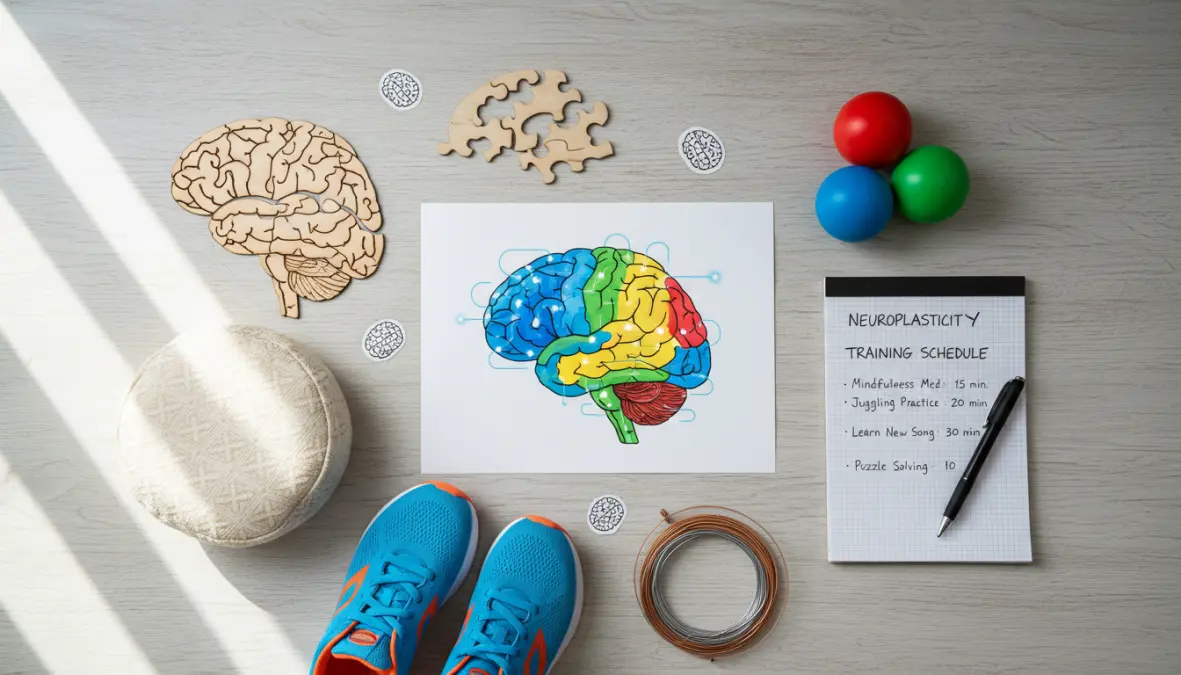
For beginners, start with just two exercises: 20 minutes of aerobic activity three times weekly plus 10 minutes of daily mindfulness meditation. This foundation activates multiple neuroplastic mechanisms without overwhelming you. After four weeks, add one cognitive challenge (like language learning apps for 15 minutes daily).
Intermediate practitioners should combine at least one exercise from three different categories daily, totaling 45-60 minutes. Advanced approaches might include intensive skill acquisition (like learning an instrument for 2+ hours daily) combined with physical training and meditation. Track your progress using journals or apps that measure cognitive performance metrics.
Common mistakes include: expecting overnight results (neuroplastic changes typically take 8-12 weeks to become noticeable), doing too much too soon (causing burnout), and practicing without focused attention (mindless repetition doesn’t rewire efficiently). The science shows that deliberate, challenging practice creates the strongest neuroplastic effects. Set realistic expectations: minor improvements in 4-6 weeks, significant changes in 3-6 months. Remember, you’re literally rebuilding your brain—it’s a marathon, not a sprint. These techniques complement other health optimization strategies beautifully.
FAQ: Common Questions About Brain Rewiring
How long does it take to rewire your brain? Most neuroplasticity exercises show measurable changes in 8-12 weeks with consistent practice. However, simple habit changes can begin forming new pathways in as little as 21-30 days.
Can neuroplasticity reverse brain damage? While brain plasticity methods can help recover function after injury by rerouting neural pathways, they can’t reverse all types of damage. Stroke recovery, for example, benefits significantly from targeted neuroplastic training.
What age is best for neuroplasticity training? Any age! While children show more plasticity, adults maintain significant capacity for neural rewiring throughout life. The key is consistency and challenge level.
Do brain training apps actually work? Research is mixed. Apps that teach specific skills (languages, music) show better results than generic “brain training” games. The cognitive flexibility exercises most effective are those involving novel, complex real-world skills.
What foods support neuroplasticity? Omega-3 fatty acids, blueberries, turmeric, and dark chocolate support BDNF production and brain health optimization. However, exercise and mental stimulation remain more impactful than diet alone.
Your brain’s potential for change is extraordinary. By incorporating these evidence-based methods to increase neuroplasticity into your daily routine, you’re not just learning new tricks—you’re fundamentally transforming the organ that makes you who you are. Start small, stay consistent, and watch as your brain rewires itself into a more flexible, resilient, and capable version. The neural pathways you build today shape the person you become tomorrow. What will you choose to rewire first?