Fashion Resale Market: How Secondhand Luxury Is Becoming Mainstream
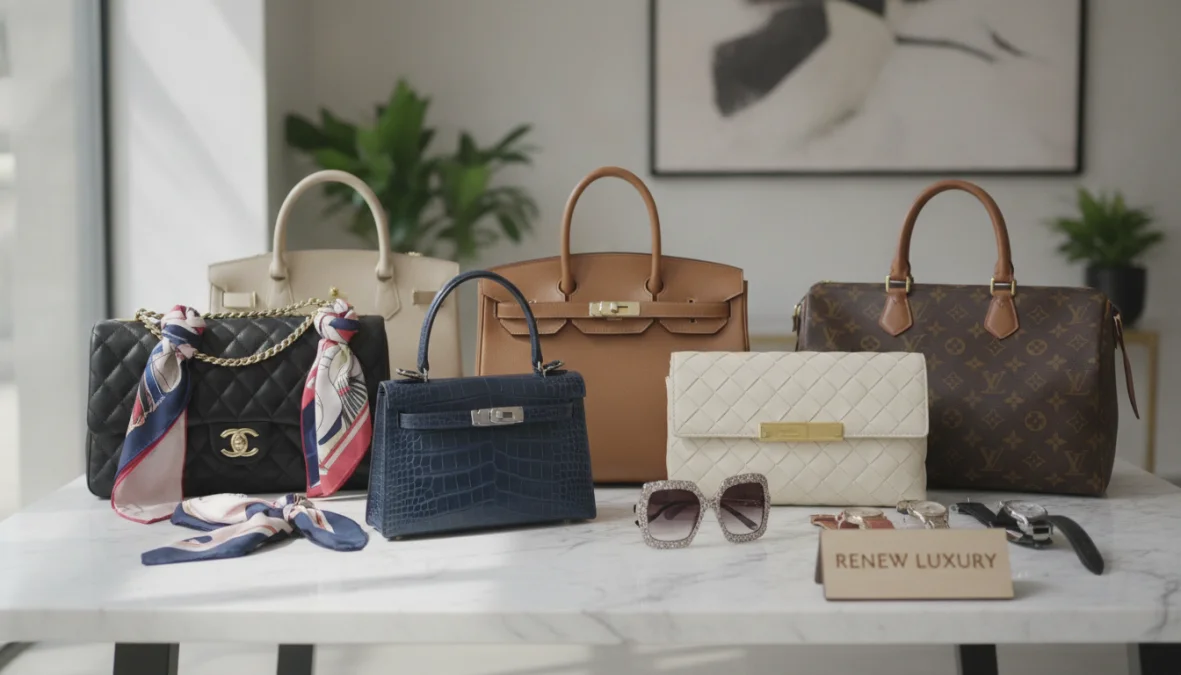
Remember when buying secondhand meant rummaging through dusty thrift stores and hoping for a hidden gem? Those days are long gone. The fashion resale market has undergone a complete transformation, evolving into a sleek, sophisticated industry that’s reshaping how we think about luxury shopping. What was once considered a budget-driven necessity has become a lifestyle choice embraced by fashion-forward consumers who care as much about sustainability as they do about style. From Chanel bags to vintage Hermès scarves, pre-owned luxury is no longer just acceptable—it’s aspirational.
The Fashion Resale Market Explosion: From Niche to Mainstream
The fashion resale market isn’t just growing—it’s exploding. Market analysts project the global luxury resale market to reach over $50 billion in the coming years, growing at a rate that’s outpacing traditional retail by a significant margin. This isn’t your grandmother’s consignment shop anymore. We’re talking about polished digital platforms with authentication guarantees, same-day delivery, and customer service that rivals luxury boutiques.
What’s driving this meteoric rise? The convergence of several powerful trends. First, secondhand fashion has shed its stigma completely. Major luxury brands like Gucci and Burberry have launched their own resale programs, while traditional retailers are partnering with established resale platforms. When luxury houses themselves embrace the circular model, you know the tide has turned.
The shift from physical consignment stores to digital platforms has democratized access to pre-owned luxury in ways previously unimaginable. Geographic boundaries have dissolved—someone in Tokyo can now buy a vintage Chanel jacket from a seller in New York with just a few clicks. This digital transformation has created unprecedented liquidity in the luxury market, making it easier than ever to both buy and sell high-end fashion pieces.

Why Luxury Consumers Are Choosing Pre-Owned Over New
Here’s the fascinating part: people aren’t choosing the luxury resale market just to save money. While pricing certainly plays a role—you can snag authenticated designer items at 30-70% off retail—the motivations run much deeper. Gen Z and Millennials, who now represent the majority of luxury consumers, view luxury consignment through an entirely different lens than previous generations.
These younger shoppers are driving a cultural shift where owning something pre-loved carries no shame—in fact, it’s often preferred. They’re rotating their wardrobes faster, treating fashion as a dynamic expression rather than permanent investment. The circular fashion economy enables this fluidity, allowing consumers to buy a designer piece, wear it for a season or two, then sell it to fund their next purchase. It’s fashion as a service, without the subscription fee.
Beyond the practical benefits, there’s also the thrill of the hunt. Scoring a rare vintage piece or a discontinued style creates a sense of accomplishment that buying new simply can’t match. For many, the appeal of pre-loved fashion lies in its uniqueness—you’re less likely to show up wearing the same bag as everyone else when you’re shopping secondhand.
The Sustainability Factor Driving Change
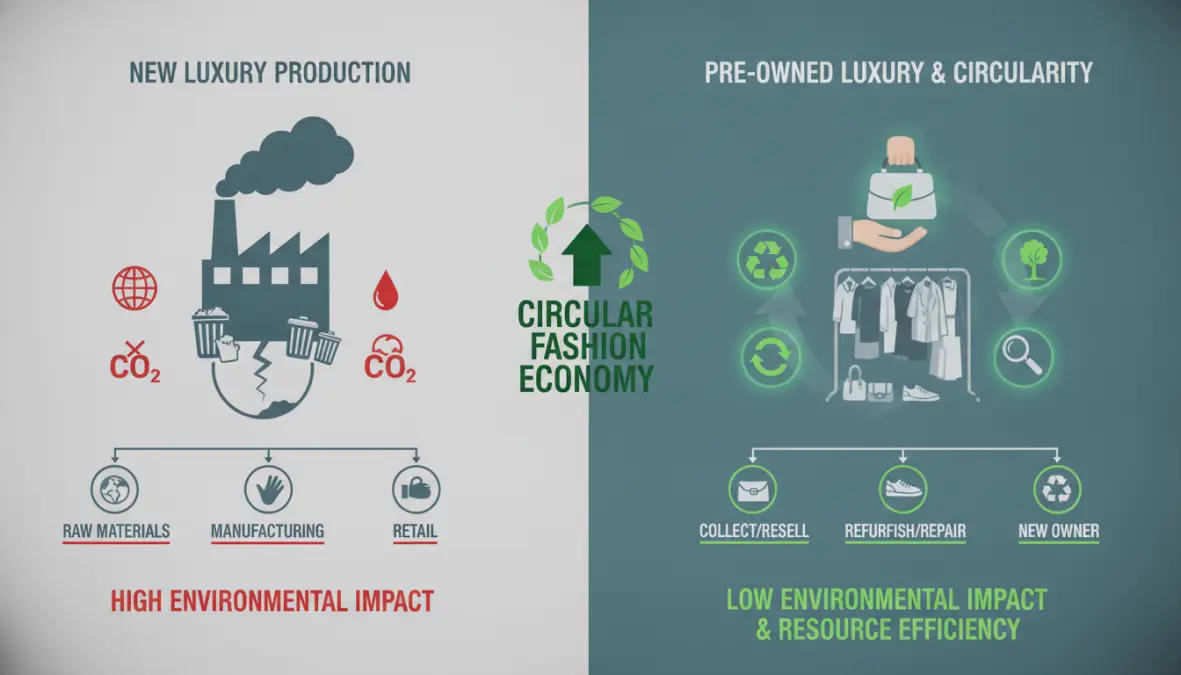
Let’s talk about the elephant in the room: the fashion industry’s environmental impact. With increasing awareness of fast fashion’s devastating toll on the planet, consumers are actively seeking alternatives. Enter sustainable fashion through resale. Buying pre-owned extends the lifecycle of garments that already exist, dramatically reducing the carbon footprint compared to new production.
The numbers are compelling. Studies show that buying secondhand reduces carbon emissions by up to 82% compared to buying new. The circular fashion economy keeps items in circulation longer, reducing waste and the demand for new resource extraction. This isn’t greenwashing—it’s a tangible way for fashion lovers to reduce their environmental impact without sacrificing style. For those interested in building a more sustainable approach to style, exploring minimalist and sustainable wardrobe strategies can complement your resale shopping habits.
Access to Exclusivity and Investment Value
The resale market offers something traditional retail can’t: access to fashion history. Vintage designer clothing from iconic collections that are no longer in production becomes available to a new generation of collectors. That Dior saddle bag from the early 2000s? It’s probably worth more now than when it was new, and you can only find it through resale.
Savvy shoppers increasingly view certain luxury pieces as investments. Hermès Birkin bags, Rolex watches, and limited-edition Supreme collaborations often appreciate in value. The pre-owned luxury market has created transparency around pricing trends, making it easier to identify which items hold or increase their value over time. Some buyers are essentially building wearable investment portfolios, enjoying their purchases while knowing they can recoup—or even profit—when they’re ready to sell.
How to Navigate the Luxury Resale Market: Platforms and Best Practices
Ready to dive into the fashion resale market? Choosing the right platform is crucial. The RealReal specializes in authenticated luxury with rigorous verification processes and white-glove consignment services. Vestiaire Collective offers a global peer-to-peer marketplace with buyer protection. ThredUp focuses on accessible contemporary brands with a more automated experience. Rebag specializes in handbags with instant pricing and buyback guarantees.
When buying, always prioritize platforms with robust authentication services. The best luxury resale platforms employ expert authenticators who verify every item’s legitimacy. Look for detailed condition descriptions—”excellent” and “good” mean different things on different platforms. Compare prices across sites, and don’t hesitate to make offers where applicable.
For sellers, timing matters. List seasonally relevant items a few weeks before peak season. Price competitively by researching similar sold items. High-quality photos dramatically increase sell-through rates. Consider whether luxury consignment (where the platform handles everything) or peer-to-peer selling (where you maintain more control) works better for your situation.
Items with the best resale value? Hermès bags, Chanel classics, Rolex watches, and certain limited-edition streetwear collaborations consistently perform well. Trendy items from contemporary brands typically depreciate faster, while timeless luxury pieces hold value better. The integration of sustainable materials in fashion, like mycelium leather alternatives, may also influence future resale values as eco-conscious consumers seek out innovative sustainable pieces.
FAQ
Is the luxury resale market growing?
Absolutely. The luxury resale market growth trends show double-digit annual expansion, outpacing traditional luxury retail. Market projections indicate continued robust growth driven by younger consumers, sustainability concerns, and improved digital infrastructure.
How do I know if pre-owned luxury is authentic?
Stick to reputable platforms with professional authentication services. Sites like The RealReal, Vestiaire Collective, and Rebag employ experts who verify every item. Look for money-back guarantees and avoid deals that seem too good to be true on unverified marketplaces.
Which luxury items have the best resale value?
Classic pieces from heritage brands perform best. Hermès Birkin and Kelly bags often appreciate, Chanel flap bags hold 70-90% of retail value, and Rolex sports models frequently sell above retail on the secondary market. Limited editions and discontinued styles also command premium prices.
Is buying secondhand luxury worth it?
For most shoppers, yes. You gain access to authenticated pre-owned luxury goods at significant discounts, can afford higher-quality pieces than buying new, and participate in sustainable consumption. The key is buying from reputable sources and choosing classic styles that retain value.
What’s the difference between consignment and resale platforms?
Consignment platforms like The RealReal take possession of your items, handle photography, pricing, and sales, then pay you after selling. Peer-to-peer resale platforms like Vestiaire Collective let you manage listings yourself while they facilitate transactions and authentication. Consignment offers convenience; peer-to-peer offers more control.
The fashion resale market represents more than just a shopping alternative—it’s a fundamental shift in how we value, consume, and think about fashion. As sustainability concerns intensify and digital platforms continue improving, the line between “new” and “pre-owned” luxury will blur even further. Whether you’re motivated by environmental concerns, budget considerations, or the thrill of finding unique pieces, the recommerce revolution offers something for everyone. The question isn’t whether to embrace secondhand luxury—it’s which platform to start with. Happy hunting!