Biochar Benefits: How Ancient Terra Preta Technology Transforms Modern Carbon Storage
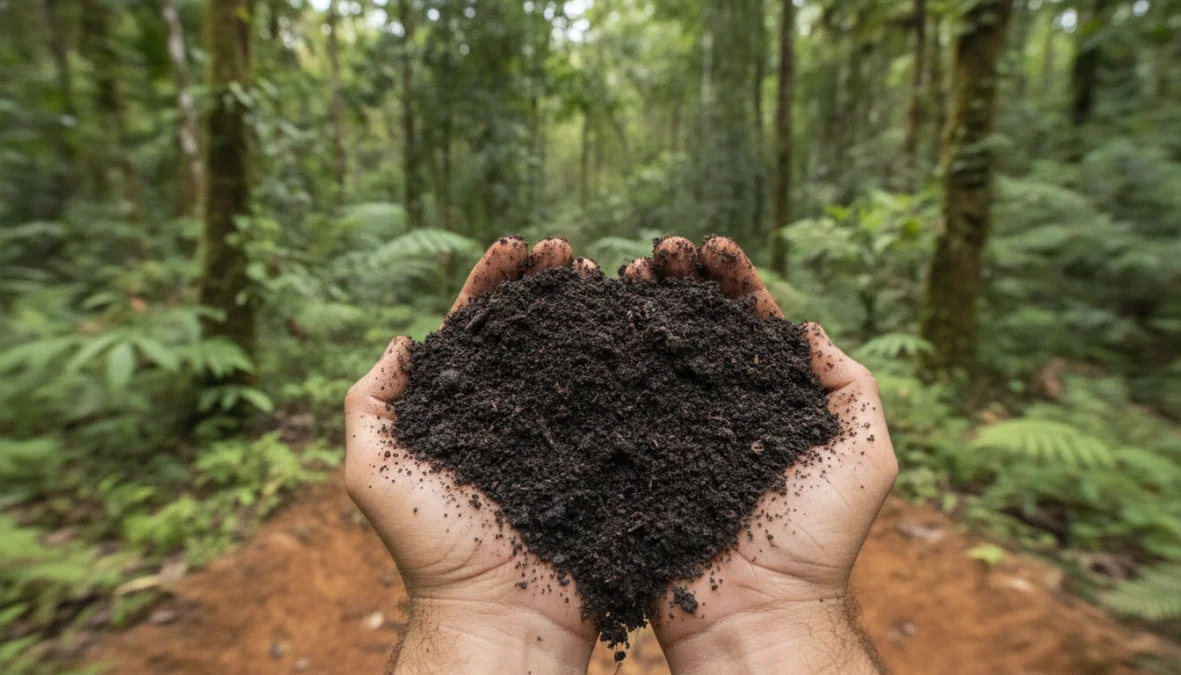
Imagine a soil so fertile it was created over a thousand years ago and still outperforms modern agricultural land today. Sounds like magic? It’s actually biochar benefits in action—a technology our ancestors perfected long before we understood climate science. The ancient Amazonians didn’t just stumble upon good farming practices; they engineered what might be our most powerful tool for reversing soil degradation and fighting climate change. Let’s dig into how this charcoal-based wonder works and why everyone from backyard gardeners to climate scientists is getting excited about it.
What Is Biochar and Why Ancient Civilizations Got It Right
Biochar is essentially charcoal produced specifically for soil application rather than fuel. When you burn organic material with limited oxygen at high temperatures, you create a stable carbon-rich substance that can persist in soil for centuries—or even millennia. The terra preta soil discovered throughout the Amazon basin proves this point beautifully.
These patches of “Amazonian dark earth” were created by pre-Columbian civilizations between 450 BCE and 950 CE, and they remain two to three times more fertile than surrounding soils today. Scientists estimate that terra preta covers approximately 10% of the Amazon—that’s about 154,000 square kilometers of human-engineered super-soil. What makes it so special? The ancient peoples mixed charcoal from low-temperature fires with organic waste, pottery shards, and manure, creating a biochar soil amendment that fundamentally transformed nutrient-poor tropical soils.
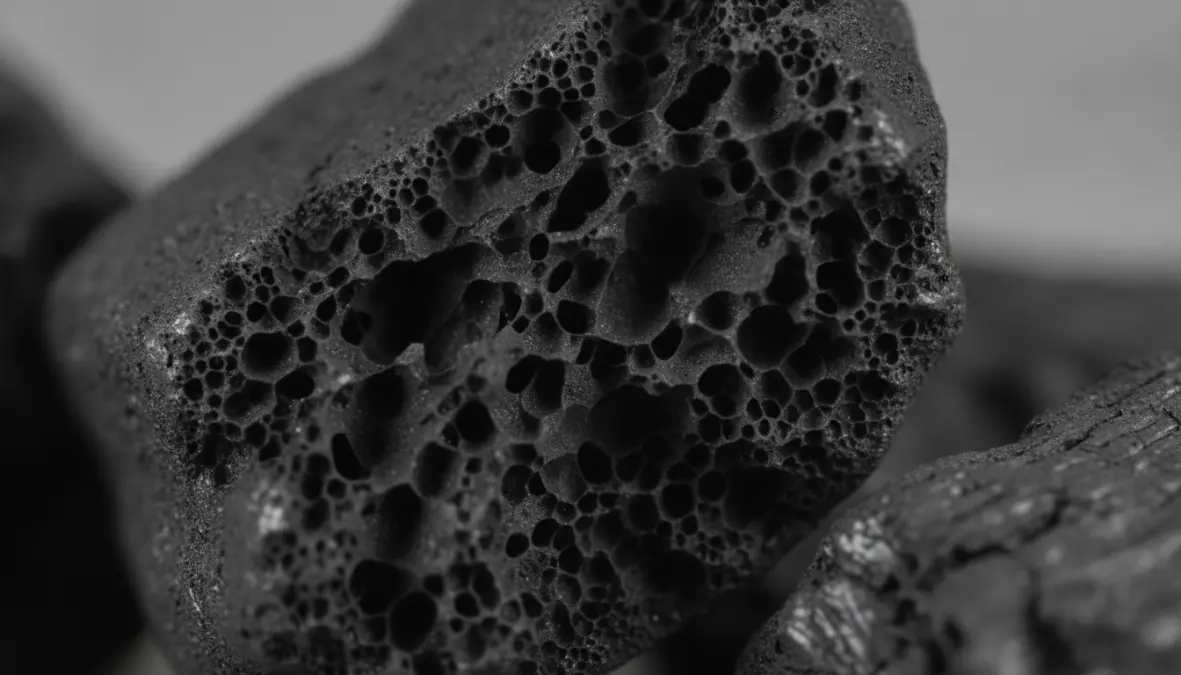
The genius lies in biochar’s porous structure—it’s like a microscopic condo complex for beneficial microbes and a reservoir for water and nutrients. While organic matter typically decomposes within years or decades, the carbon in properly made biochar can remain stable for hundreds to thousands of years, making it an exceptional tool for both soil fertility enhancement and long-term carbon storage.
How Biochar Is Made: Production Methods and Quality Factors
The core process behind biochar production methods is pyrolysis—decomposing organic material at high temperatures (typically 300-700°C) in an oxygen-limited environment. Think of it as controlled burning where you’re limiting oxygen to prevent complete combustion. This pyrolysis process drives off volatile compounds as gases and leaves behind a carbon-rich solid structure.
The quality of pyrolysis biochar depends heavily on several factors. Temperature matters enormously: lower temperatures (around 400°C) produce biochar with more functional groups that attract nutrients, while higher temperatures (600°C+) create more stable carbon structures with greater surface area. The feedstock material—whether hardwood, agricultural waste, manure, or crop residues—determines the nutrient content and porosity of the final product.
Activated biochar takes things a step further. After initial pyrolysis, the biochar undergoes additional treatment (chemical or steam activation) that dramatically increases its surface area and absorption capacity—sometimes reaching up to 3,000 square meters per gram. This makes it particularly effective for water filtration and nutrient retention, though it’s more expensive to produce.
Traditional vs. Modern Pyrolysis Techniques
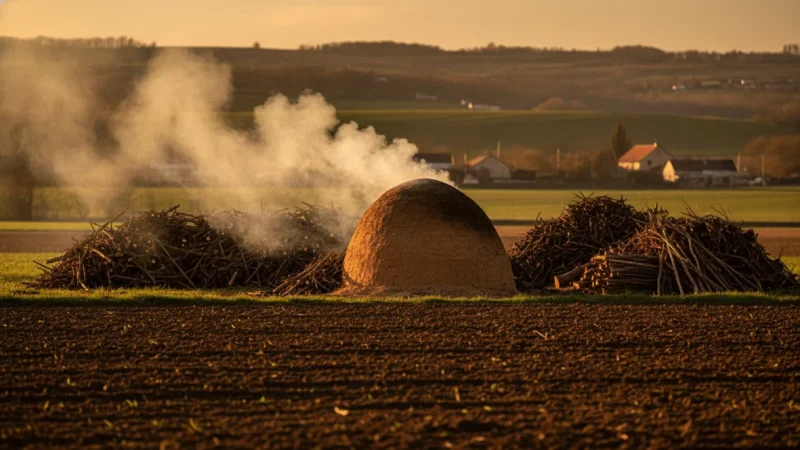
The Amazonians likely used simple pit burning or low-tech kilns to create their terra preta—essentially controlled smoldering of organic materials mixed with household waste. These ancient Amazonian biochar methods were low-temperature, slow processes that produced biochar rich in functional groups and pre-loaded with nutrients from the mixed materials.
Modern industrial systems use sophisticated pyrolysis reactors with precise temperature control, often capturing the syngas produced for energy generation. Technologies range from continuous-feed systems processing tons per hour to compact units suitable for farms. While traditional methods work beautifully at small scales and for those learning how to make biochar for carbon storage, modern techniques offer better consistency, efficiency, and the ability to capture co-products. The trade-off? Cost and complexity versus accessibility and simplicity.
Key Biochar Benefits: From Soil Health to Climate Solutions
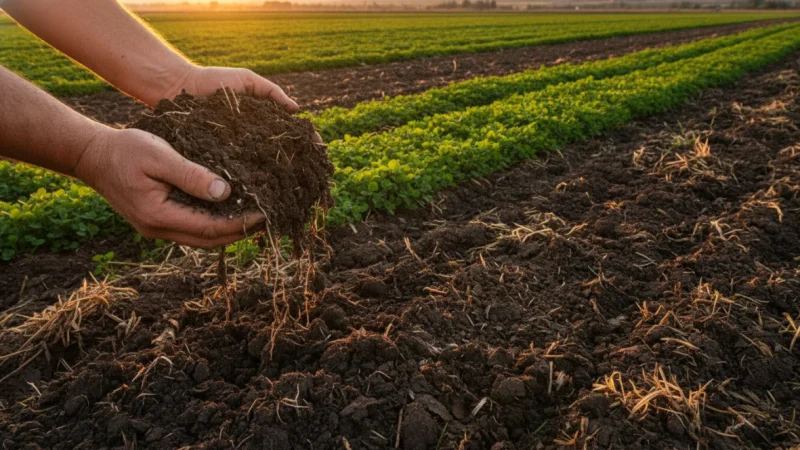
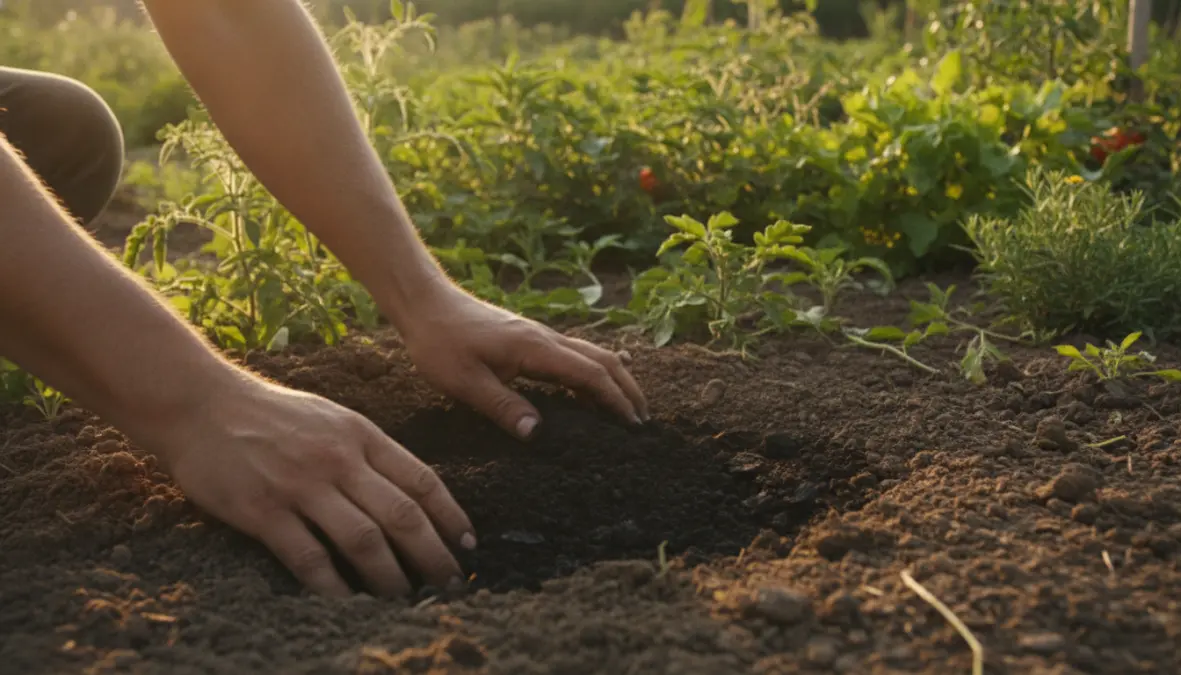
The biochar benefits span from your backyard garden to global climate strategies. At the soil level, biochar dramatically improves structure—those microscopic pores create space for air and water while providing habitat for beneficial fungi and bacteria. Studies show biochar can increase water retention by 15-20% in sandy soils, a game-changer in drought-prone regions.
In biochar agriculture, farmers report yield increases of 10-30% in degraded soils, though results vary by soil type and crop. The mechanism goes beyond simple fertilization: biochar reduces nutrient leaching, moderates soil pH, and decreases the need for synthetic inputs. It also suppresses certain soil-borne diseases and can reduce nitrous oxide emissions—a greenhouse gas 300 times more potent than CO2—by up to 50%.
The nutrient retention aspect deserves emphasis. In typical agricultural systems, applied fertilizers often leach away before crops can use them. Biochar’s charged surface attracts and holds nutrients like nitrogen, phosphorus, and potassium, releasing them gradually to plant roots. This creates a more efficient system that requires less fertilizer input while reducing water pollution from agricultural runoff—just as ancient peoples unknowingly optimized nutrient cycling in the Amazon. For those interested in broader environmental strategies, exploring carbon credits and climate action can complement biochar implementation.
Biochar as a Carbon Sequestration Tool
Here’s where biochar carbon sequestration gets exciting for climate solutions. When plants grow, they pull CO2 from the atmosphere. Normally, this carbon returns to the atmosphere through decomposition or burning. But pyrolyzing that biomass into biochar locks approximately 50% of the original carbon into a stable form that resists decomposition.
Scientists estimate that biochar carbon can remain in soil for 100-1,000+ years, with median residence times around 1,000 years. This makes it a genuine climate change mitigation strategy. Global potential? Studies suggest widespread biochar application could sequester 1-1.8 gigatons of CO2-equivalent annually—about 12% of current annual emissions. The process is inherently carbon-negative when the biomass source is waste material that would otherwise decompose or burn.
The stability advantage over other sustainable agriculture practices is significant. While cover cropping and reduced tillage increase soil carbon, that carbon can be released if practices change. Biochar’s recalcitrant carbon structure makes it nearly permanent soil carbon storage, offering long-term certainty for carbon accounting and climate planning.
FAQ: Common Questions About Biochar and Terra Preta
How long does biochar last in soil?
Properly made biochar can persist in soil for hundreds to thousands of years. The terra preta soils in the Amazon contain biochar created over 1,000 years ago that’s still functioning today. The actual lifespan depends on production temperature, feedstock, and soil conditions, but even conservative estimates suggest residence times of 100+ years, making it an excellent long-term carbon storage solution.
Can I make biochar at home?
Absolutely! Simple methods include using a TLUD (Top-Lit UpDraft) stove, a burn barrel with a lid, or even a cone pit method. The key is limiting oxygen while maintaining high temperatures. Start small, use dry woody materials, and quench the biochar with water once it’s ready. Safety first: always work in open areas with proper ventilation and fire safety equipment nearby.
Is biochar the same as charcoal?
They’re similar but not identical. Both are produced through pyrolysis, but charcoal is optimized for fuel (high energy density, low ash), while biochar is produced specifically for soil application, often at different temperatures and from different feedstocks. Biochar producers prioritize properties like porosity, surface area, and nutrient content rather than combustion characteristics. Never use charcoal briquettes in soil—they contain additives and binders unsuitable for agriculture.
What crops benefit most from biochar?
Research shows particularly strong responses in vegetables, legumes, and tree crops, especially in degraded or acidic soils. Rice paddies, coffee plantations, and tomato production have shown significant yield improvements. However, responses vary: nutrient-rich soils may see minimal benefit, while poor tropical soils often experience dramatic improvements. The general rule: the more degraded the soil, the more pronounced the biochar benefits for soil health.
How much biochar should be applied per acre?
Application rates vary widely—from 5-50 tons per acre depending on goals, soil conditions, and biochar quality. Most agricultural applications use 10-20 tons per acre as a one-time amendment. For terra preta biochar production techniques replication, consider 15-20 tons mixed into the top 6-8 inches. Start with smaller test plots before large-scale application, and remember that biochar works best when “charged” with compost or organic fertilizers before application.
Does biochar work in all soil types?
Biochar shows benefits across most soil types, but effects vary. Sandy soils with poor water retention and nutrient-depleted tropical soils typically show the most dramatic improvements. Heavy clay soils benefit from improved drainage and aeration. However, soils already rich in organic matter and well-balanced may show minimal immediate effects. The carbon sequestration benefit applies universally, regardless of soil type, making it valuable even where agricultural benefits are modest.
The rediscovery of biochar represents a beautiful circle—ancient wisdom validated by modern science and applied to contemporary challenges. Whether you’re motivated by better tomatoes or planetary carbon balances, this humble charcoal offers tangible solutions. The Amazonians showed us that human activity doesn’t have to degrade the land; with the right knowledge, we can leave soil richer than we found it. In a world hungry for climate solutions that actually work, biochar stands out as both proven and scalable—a rare combination worth getting excited about.