Biochar Production: How Ancient Pyrolysis Techniques Are Revolutionizing Carbon Sequestration
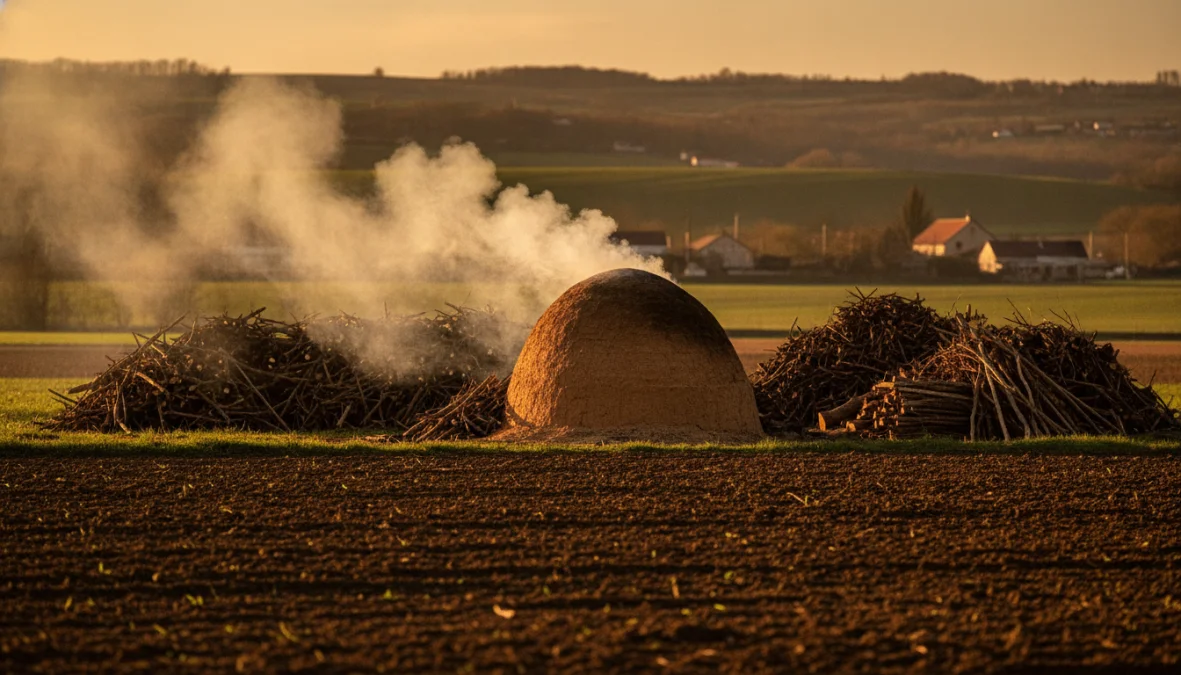
Imagine turning agricultural waste into a powerful tool that fights climate change while boosting crop yields. That’s exactly what biochar production does—and surprisingly, this “revolutionary” technology has been hiding in plain sight for thousands of years. Ancient Amazonian civilizations mastered the art of converting biomass into stable carbon, creating some of the most fertile soils on Earth. Now, modern science is rediscovering these techniques and scaling them to tackle one of our biggest environmental challenges.
What Is Biochar and Why It Matters for Carbon Sequestration
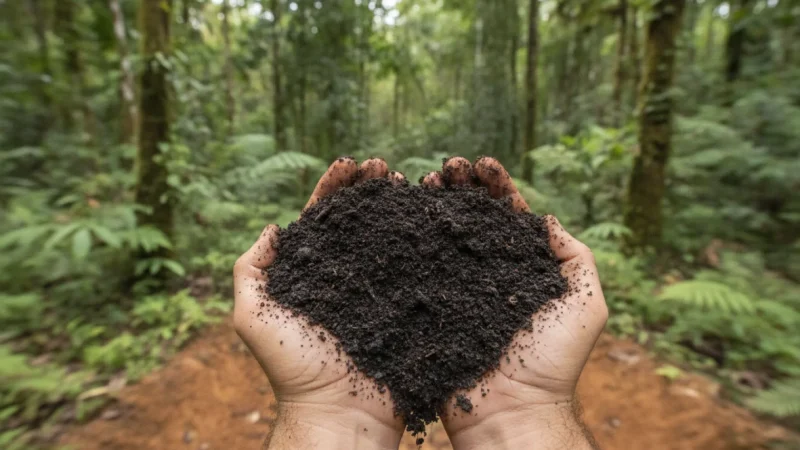
Biochar is essentially charcoal produced specifically for soil amendment and carbon sequestration techniques. Unlike regular charcoal made for fuel, biochar is designed to lock carbon in the ground for centuries while improving soil health. The concept isn’t new—it’s inspired by terra preta, the “black earth” found in the Amazon Basin. These incredibly fertile soils were created by indigenous peoples between 450 BCE and 950 CE, who mixed charcoal, bones, and organic matter into nutrient-poor jungle soil.
Here’s how biochar revolutionizes the carbon cycle: normally, when plants decompose, they release stored carbon dioxide back into the atmosphere. With biochar, organic material undergoes biomass pyrolysis—heating without oxygen—which transforms unstable carbon into a stable form that resists decomposition. When added to soil, this carbon can remain locked away for hundreds to thousands of years, effectively removing CO2 from the atmospheric carbon cycle.
The benefits extend far beyond carbon storage. Biochar enhances sustainable agriculture by improving soil structure, increasing water retention by up to 18%, reducing fertilizer needs by 10-25%, and potentially boosting crop yields by 10-30%. For farmers and landowners interested in carbon farming, biochar also qualifies for carbon credits—a financial incentive we explore in depth in our guide on carbon credits for individuals taking climate action.
Biochar Production Methods: From Traditional to Industrial Scale
Understanding biochar production methods is essential whether you’re a curious homesteader or planning commercial operations. All methods rely on the same fundamental principle: biomass conversion through controlled thermal decomposition.
The Pyrolysis Process Explained
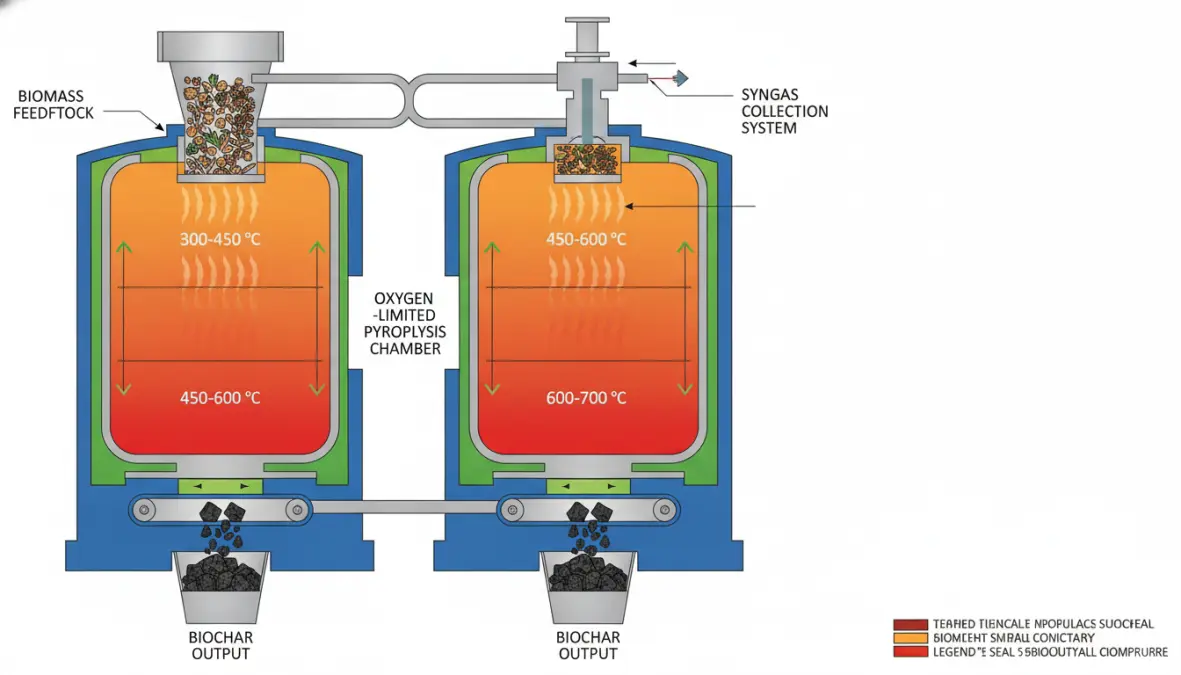
The pyrolysis process is where the magic happens. Organic materials—wood chips, crop residues, manure, or any carbon-containing biomass—are heated in an oxygen-limited or oxygen-free environment. This isn’t simple burning; it’s thermal decomposition that breaks down complex organic molecules into simpler, more stable forms.
Critical parameters determine biochar quality and yield. Biochar production temperature and time are the most important variables: slow pyrolysis occurs between 300-500°C over several hours, producing higher biochar yields (up to 35-40% of original biomass weight) with better soil amendment properties. Fast pyrolysis runs at 500-700°C for seconds to minutes, maximizing bio-oil production but yielding less biochar (15-25%). Flash pyrolysis pushes even higher temperatures for specialized applications.
The best feedstock for biochar production depends on your goals. Hardwoods create biochar with excellent porosity and longevity. Agricultural residues like rice hulls and corn stover work well for field-scale production. Manures produce nutrient-rich biochar but require careful temperature control. Each feedstock type creates biochar with different properties—surface area, pH, nutrient content, and stability.
Production Systems: From Small-Scale to Commercial Operations
Production systems for biochar manufacturing range dramatically in complexity and cost. Traditional earthen kilns and simple barrel systems allow farmers to explore how to produce biochar at home with minimal investment—often under $200 for basic biochar kiln design and construction. These simple systems work for small scale biochar production equipment needs, producing 10-50 kg per batch, but offer limited temperature control and lower efficiency.
Mid-scale operations typically employ retort systems or batch kilns with better engineering. These capture pyrolysis gases for heat, improving efficiency and reducing emissions. They’re popular with serious farmers practicing waste biomass utilization, processing 100-500 kg per day. Initial costs run $5,000-$50,000 depending on sophistication.
Commercial biochar production for carbon credits requires continuous-feed reactors or industrial pyrolysis plants capable of processing tons daily. These systems integrate heat recovery, emission controls, and often generate renewable energy as a byproduct—syngas and bio-oil can offset operational costs. Commercial biochar production costs vary widely ($500,000-$5 million+ for facilities), but economies of scale make them viable for serious climate change mitigation projects. Industrial systems also produce activated carbon for filtration applications, adding revenue streams.
Applications and Benefits: Biochar as Soil Amendment in Modern Agriculture
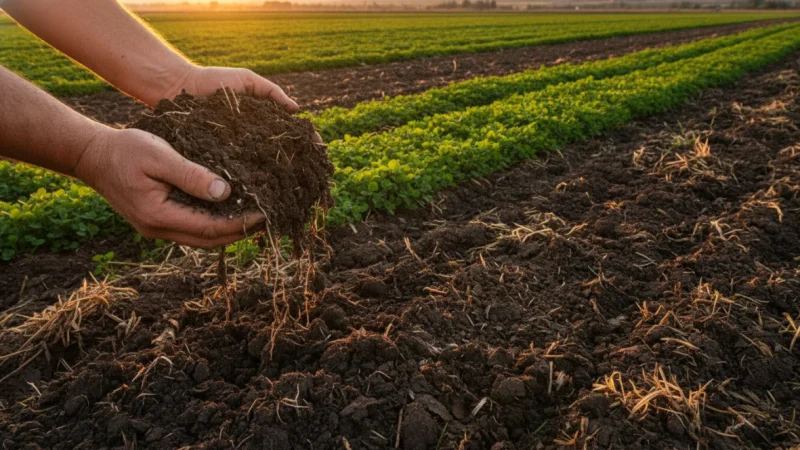
The real-world applications of biochar extend well beyond theoretical carbon storage. As a soil amendment, biochar transforms agricultural productivity through several mechanisms. Its highly porous structure—up to 500 square meters of surface area per gram—acts like a sponge for water and nutrients, dramatically improving soil carbon storage capacity.
Field trials across diverse climates show consistent benefits. In sandy soils with poor retention, biochar applications of 10-20 tonnes per hectare reduce irrigation needs by 15-30% while cutting fertilizer runoff. Clay-heavy soils see improved aeration and drainage. The pH-buffering properties help acidic soils become more neutral, while providing habitat for beneficial microorganisms that enhance nutrient cycling.
The economics make sense for many operations. While initial application costs range from $500-$2,000 per hectare depending on biochar quality and quantity, reduced fertilizer costs and improved yields typically achieve payback within 3-5 years. The longevity factor is crucial—unlike compost that decomposes in seasons, biochar persists for centuries, making it a one-time investment with permanent benefits.
For carbon credit markets, biochar offers verifiable, long-term sequestration. Current protocols value high-quality biochar at 2-3 tonnes of CO2-equivalent per tonne of biochar applied, with credits trading at $20-$100+ depending on market and verification standards. This creates genuine economic incentives for adoption in sustainable agriculture while contributing measurably to climate solutions.
FAQ: Common Questions About Biochar Production
What materials can be used for biochar production?
Almost any organic material works: wood chips, agricultural residues (straw, corn stalks, nut shells), yard waste, manure, paper waste, and food processing byproducts. Avoid treated wood, plastics, or contaminated materials. Hardwoods and woody materials generally produce the highest quality biochar with better stability and porosity for soil applications.
Is biochar production profitable?
Profitability depends on scale and market. Small-scale producers often profit by reducing waste disposal costs and improving their own farm productivity. Commercial operations become profitable through carbon credits, selling premium biochar ($300-$1,500+ per tonne), capturing byproduct energy, and securing tipping fees for processing waste biomass. Detailed business planning is essential.
How long does biochar last in soil?
High-quality biochar persists for hundreds to thousands of years in soil. Studies of Amazonian terra preta show biochar remaining stable after 2,000+ years. The recalcitrant carbon structure resists microbial decomposition. Approximately 80-90% remains after 100 years under typical agricultural conditions, making it one of the most permanent carbon sequestration methods available.
Can I make biochar at home?
Absolutely! Simple methods include barrel systems, trench kilns, or commercially available small-scale units. The basic approach involves burning biomass in a limited-oxygen environment—a barrel with restricted airflow works well. Start small, monitor temperature with infrared thermometers, and quench with water when material turns black and brittle. Always follow fire safety guidelines and local regulations.
The renaissance of biochar production represents more than reviving ancient techniques—it’s proof that nature-based solutions can scale to address modern challenges. Whether you’re a backyard gardener experimenting with traditional methods of making biochar or an entrepreneur evaluating commercial opportunities, this technology offers tangible ways to sequester carbon while building soil health. As climate pressures intensify, converting waste biomass into lasting environmental benefits isn’t just smart agriculture—it’s essential climate action we can all participate in.