Waterless Dyeing Technology: The Future of Sustainable Textile Manufacturing
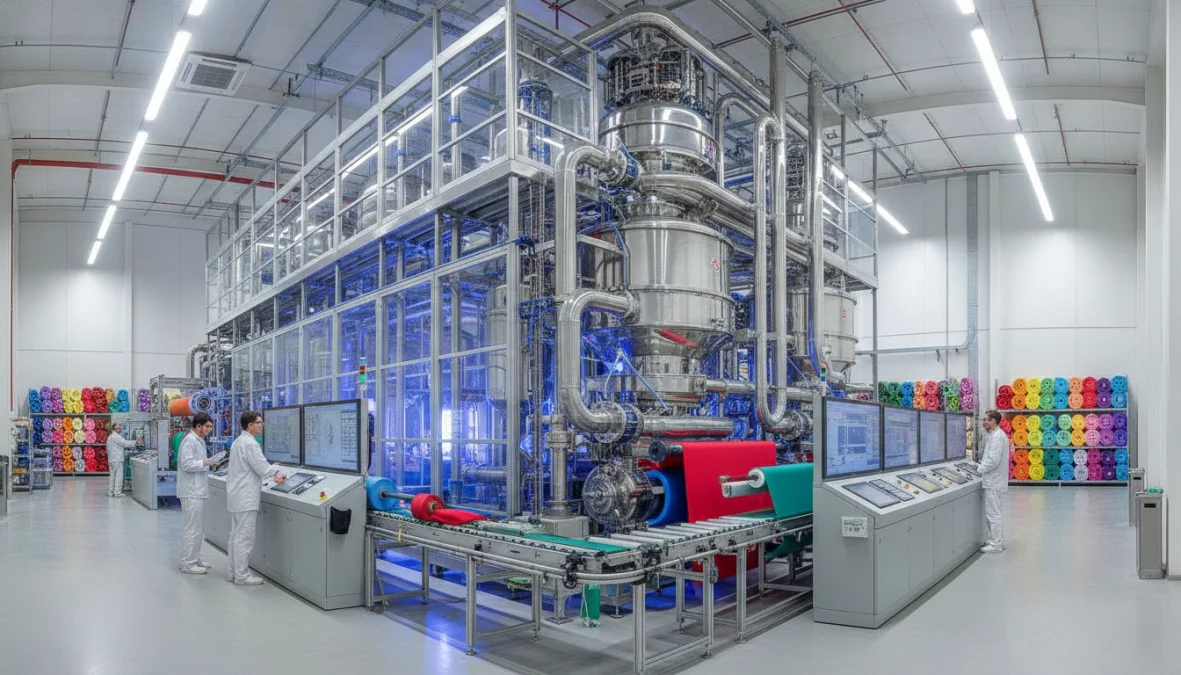
Every time you buy a colorful t-shirt, you’re unknowingly connected to a staggering environmental cost: around 2,700 liters of water consumed just to dye that single garment. The fashion industry’s thirst for water has made it one of the world’s largest polluters, contributing up to 20% of global wastewater. But a revolution is underway. Waterless dyeing technology is transforming how we color fabrics, offering a viable path toward sustainable textile dyeing that could save billions of liters of water annually while slashing chemical pollution. As water scarcity becomes a critical global issue, this innovation isn’t just nice to have—it’s essential for the future of fashion manufacturing.
What Is Waterless Dyeing Technology and Why It Matters
Waterless dyeing technology represents a fundamental shift in how fabrics receive their color, eliminating or drastically reducing the water traditionally required in textile coloring processes. Unlike conventional dyeing that submerges fabrics in enormous vats of water mixed with dyes and chemicals, these innovative approaches use alternative mediums like carbon dioxide, air, or digital application methods to transfer color to textiles.
The traditional textile industry is notoriously water-intensive. Beyond the 2,700 liters needed for a single t-shirt, producing one kilogram of dyed fabric can consume up to 150 liters of water. Globally, textile industry water consumption reaches approximately 79 billion cubic meters annually. This water doesn’t just disappear—it returns to ecosystems contaminated with heavy metals, synthetic dyes, and toxic chemicals that cause severe textile water pollution.
The environmental stakes are enormous. Textile dyeing accounts for roughly 17-20% of industrial water pollution worldwide, with untreated wastewater often discharged directly into rivers, devastating aquatic life and contaminating drinking water sources for millions. As global water stress intensifies—the UN predicts that by 2030, water demand will exceed supply by 40%—sustainable textile dyeing methods aren’t merely environmental initiatives but survival strategies for the industry itself. Eco-friendly fabric coloring through waterless methods addresses this crisis head-on, offering scalable solutions that can transform textile manufacturing from environmental liability to sustainable practice.
Key Waterless Dyeing Methods Revolutionizing the Industry
Several innovative dyeing methods have emerged to challenge traditional water-based processes, each with unique approaches and benefits.
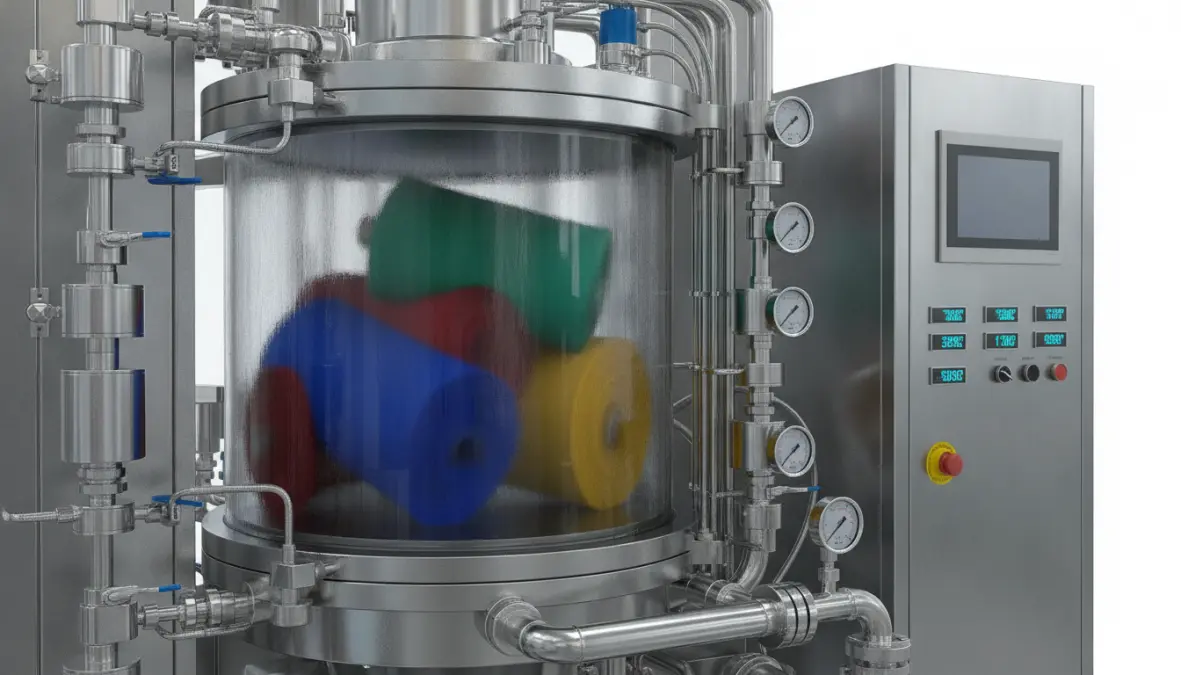
Supercritical CO2 dyeing represents one of the most promising waterless alternatives. This process uses carbon dioxide pressurized beyond its critical point—where it exhibits properties of both liquid and gas—as the dyeing medium. Companies like DyeCoo Technology have pioneered this approach, which works particularly well with polyester fabrics. The CO2 penetrates fibers carrying dye molecules, then returns to gas form and can be recycled for future dyeing cycles. This method eliminates 100% of water use, reduces energy consumption by up to 50%, requires no chemical additives, and produces zero wastewater. Major brands including Nike, Adidas, and IKEA have already integrated this technology into their production lines. The recycled CO2 system creates a closed-loop process that exemplifies circular economy fashion principles.
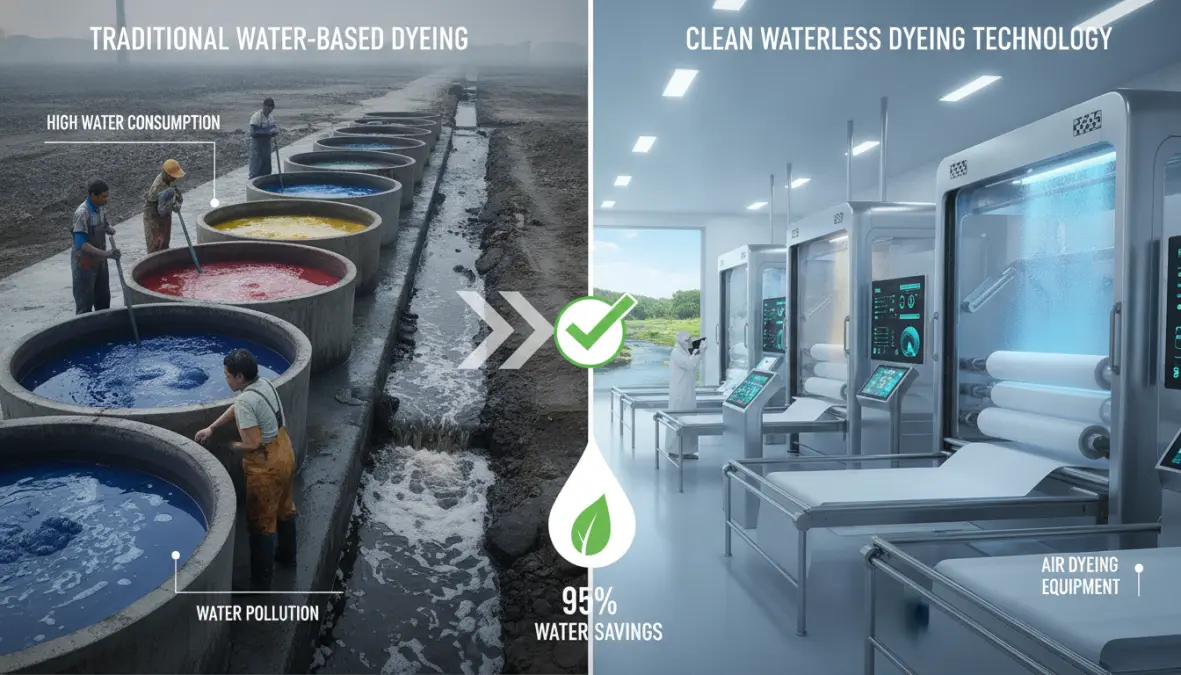
Air dyeing technology, championed by companies like Colorep with their AirDye process, transfers dye patterns onto fabric using heat rather than water. Pre-printed transfer papers containing dye sublimate (turn directly from solid to gas) when heated, bonding with synthetic fibers. This approach reduces water usage by 95%, cuts energy consumption by 86%, and eliminates wastewater discharge entirely. The process is faster than conventional dyeing, reducing production time and enabling more responsive manufacturing—critical advantages in today’s fast-paced fashion market.
Digital textile printing applies color with precision similar to your home inkjet printer but scaled for fabric production. This waterless fabric treatment method uses minimal water compared to traditional techniques, applies dye exactly where needed (reducing waste by up to 95%), allows for complex designs impossible with conventional methods, and enables on-demand production that minimizes inventory waste. While not entirely waterless in all applications, digital printing represents a massive reduction in resource consumption and supports sustainable fashion manufacturing through its efficiency and flexibility.
Other emerging methods include plasma technology, which modifies fabric surfaces at the molecular level to improve dye absorption while using minimal resources, and foam dyeing, which replaces dye baths with dye-containing foam that requires 70-80% less water than traditional methods. These technologies demonstrate that chemical-free dyeing processes—or at least dramatically reduced chemical use—are increasingly viable at industrial scales.
Environmental and Economic Benefits of Waterless Dyeing
The environmental advantages of waterless dyeing technology extend far beyond water conservation. These systems typically achieve 95-100% water reduction compared to conventional dyeing, translating to billions of liters saved annually when adopted at scale. They also enable significant carbon footprint reduction textiles, with energy savings ranging from 30-86% depending on the specific technology. The elimination of chemical discharges creates zero liquid discharge dyeing facilities that don’t contribute to water pollution—a transformative shift for an industry responsible for one-fifth of industrial wastewater.
Chemical usage drops dramatically with these methods. Traditional dyeing requires salt, alkalis, acids, and fixatives that often end up in waterways. Waterless alternatives eliminate most of these additives, supporting green textile production that’s genuinely cleaner. This also means improved worker safety, as exposure to hazardous chemicals decreases substantially.
Economic benefits are equally compelling. While initial capital investment for waterless equipment is significant—often millions of dollars for industrial-scale installations—operational savings accumulate rapidly. Water costs, wastewater treatment expenses, chemical purchases, and energy bills all decrease substantially. DyeCoo reports that their CO2 dyeing systems typically achieve return on investment within 3-5 years. Shorter production cycles mean faster time-to-market, a crucial competitive advantage in fashion. Companies like Patagonia have embraced these technologies not just for sustainability credentials but for tangible cost advantages.
Challenges remain, however. The upfront investment creates barriers for small and medium manufacturers. Some technologies work best with specific fiber types—supercritical CO2 excels with polyester but faces limitations with natural fibers like cotton. Industry-wide adoption requires infrastructure changes, technical training, and supply chain coordination. Yet as water scarcity intensifies and regulations tighten, these obstacles increasingly appear surmountable compared to the risks of maintaining water-intensive processes. Similar to how vertical farming is revolutionizing food production in water-scarce regions, waterless dyeing represents a necessary evolution for textile manufacturing.
FAQ: Common Questions About Waterless Dyeing Technology
Is waterless dyeing as durable as traditional dyeing?
Yes, waterless dyeing methods generally produce colorfastness equal to or better than conventional techniques. Supercritical CO2 dyeing, for example, creates exceptionally strong molecular bonds between dye and fiber, resulting in colors that resist fading through washing and UV exposure. Digital printing and air dyeing also demonstrate excellent durability when properly applied, with many manufacturers reporting superior color retention compared to water-based processes.
What fabrics work best with waterless dyeing technology?
Performance varies by technology. Supercritical CO2 dyeing works exceptionally well with polyester and other synthetic fibers but faces challenges with natural materials like cotton. Air dyeing similarly favors synthetics. Digital textile printing offers more versatility, working across cotton, polyester, silk, and blends, though optimal results depend on specific fabric preparation. Research continues into expanding waterless methods to all fiber types, with promising developments in natural fiber applications.
How much does waterless dyeing cost compared to conventional methods?
Initial equipment investment is substantially higher—industrial waterless dyeing systems can cost 2-4 times more than traditional machinery. However, operational costs are significantly lower due to reduced water, energy, and chemical expenses, plus eliminated wastewater treatment costs. Most facilities see positive ROI within 3-7 years. As technology matures and adoption increases, equipment costs are expected to decrease, making waterless dyeing increasingly cost-competitive from day one.
Can small textile manufacturers adopt waterless dyeing?
While challenging due to capital requirements, options exist for smaller operations. Digital printing systems are available at various scales, including equipment suitable for small-batch production. Some regions offer cooperative dyeing facilities where multiple small manufacturers share advanced equipment. Additionally, partnerships with technology providers sometimes include leasing arrangements or phased implementation that spreads costs over time. As the technology becomes more accessible, barriers to entry for small manufacturers continue to decrease.
The textile industry stands at a crossroads where environmental necessity and technological innovation converge. Waterless dyeing technology offers a clear path forward—one where vibrant, durable fabrics don’t come at the cost of polluted rivers and depleted aquifers. Just as innovative materials like mycelium are transforming fashion sustainability, these dyeing methods represent the practical solutions needed to create a truly sustainable textile industry. The question isn’t whether waterless dyeing will become standard—it’s how quickly the industry can make this essential transition.