Algae-Based Materials: Revolutionizing Sustainable Textiles and Packaging
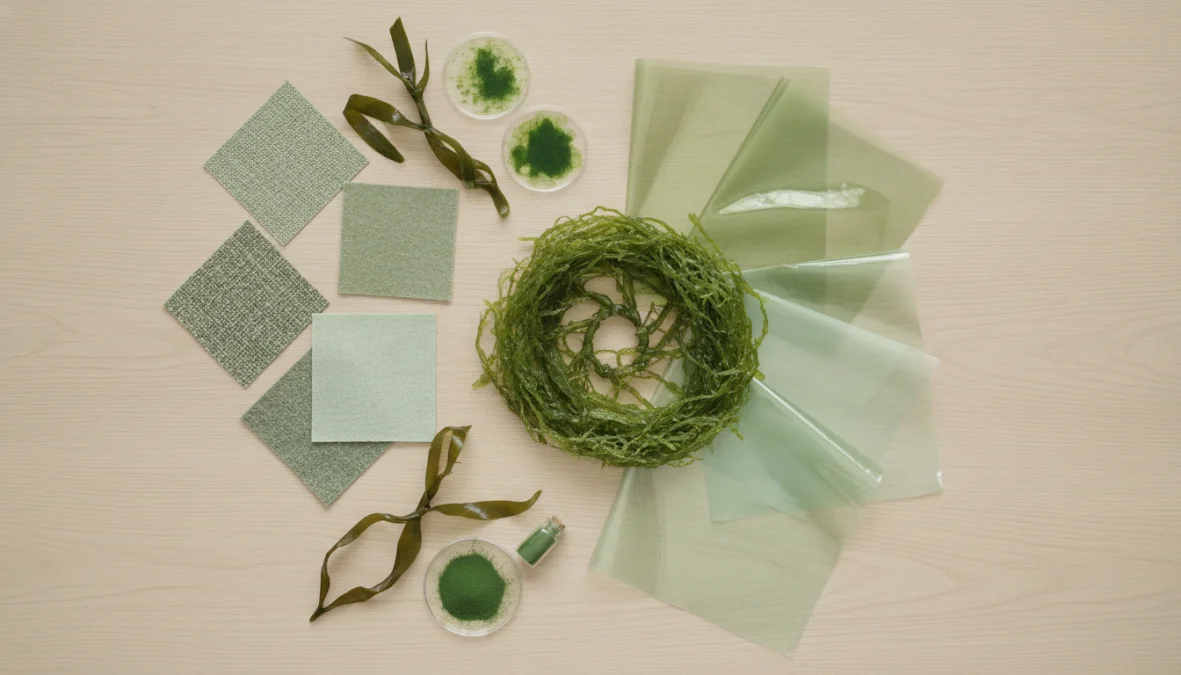
Imagine wearing a t-shirt made from seaweed or receiving your online order wrapped in packaging that dissolves in water. Sounds futuristic? It’s happening right now. Algae based materials are transforming how we think about textiles and packaging, offering genuine alternatives to petroleum-derived products that have dominated our lives for decades. These innovative bio-based materials aren’t just another greenwashing trend—they’re addressing real environmental challenges while creating products that actually work in the real world.
What Are Algae-Based Materials and Why They Matter
Algae based materials are substances derived from both microalgae (microscopic single-celled organisms) and macroalgae (what we commonly call seaweed). The production process typically involves harvesting or cultivating these organisms, extracting specific compounds like cellulose, alginates, or proteins, and then processing them into fibers, films, or composite materials. What makes these marine biomaterials remarkable is their environmental profile—algae grow incredibly fast (some species double their biomass in just 24 hours), absorb CO2 during growth through natural carbon sequestration, and don’t require arable land, freshwater, or pesticides.
Compared to traditional materials, the advantages are striking. Cotton demands enormous water resources and agricultural land, while synthetic fabrics like polyester contribute to microplastic pollution and depend on fossil fuels. Algae cultivation can happen in ocean farms or closed bioreactor systems, making it a genuinely renewable resource that fits perfectly into a circular economy model. The plants also remediate water by absorbing nitrogen and phosphorus, actually improving marine ecosystems. This combination of rapid growth, minimal inputs, and environmental benefits positions eco-friendly materials from algae as a cornerstone solution for sustainable manufacturing.
Algae-Based Materials in Textile Innovation
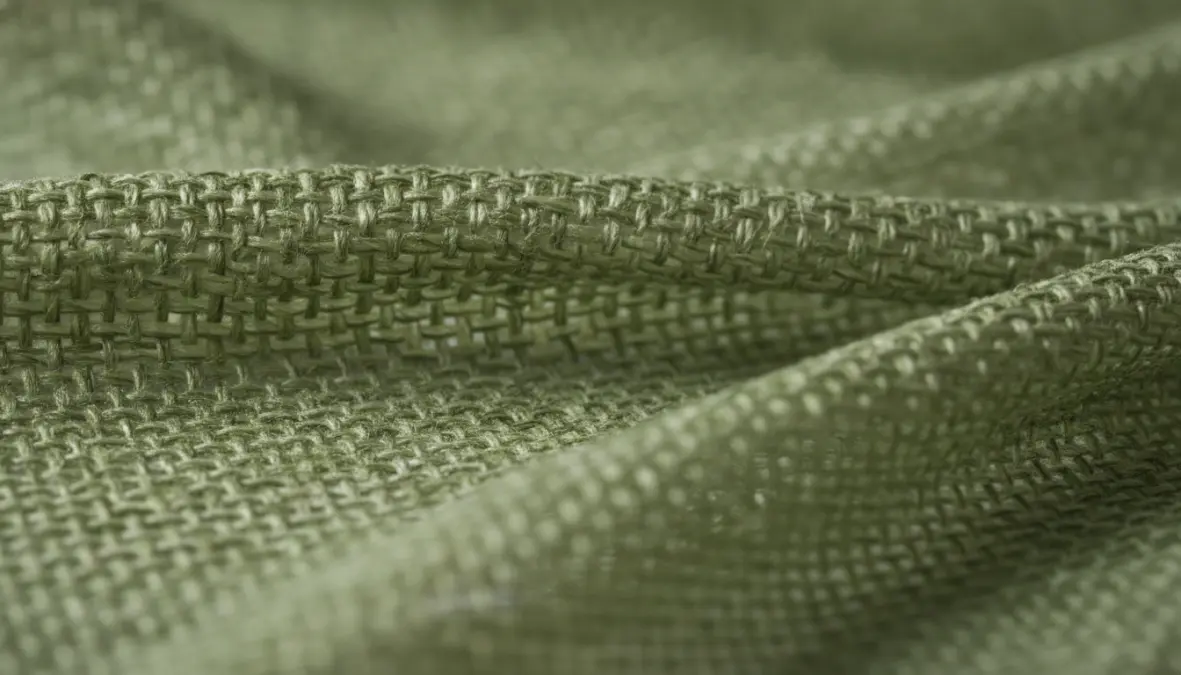
The textile industry has enthusiastically embraced sustainable textile materials derived from algae, developing several distinct fiber types with impressive properties. SeaCell, perhaps the most established seaweed textiles technology, incorporates Icelandic seaweed into a cellulose fiber base, creating soft, breathable fabrics that retain beneficial minerals like calcium, magnesium, and vitamin E. Alginate fibers, extracted from brown algae, offer natural antibacterial and moisture-wicking properties that make them ideal for performance wear and medical textiles.
The benefits of algae in textile production extend beyond environmental credentials. These fibers are naturally hypoallergenic, regulate temperature effectively, and biodegrade at end-of-life—solving the massive textile waste problem that plagues the fashion industry. Several forward-thinking brands have started incorporating these materials: outdoor companies use algae-blended fabrics for activewear, while sustainable fashion labels create everyday clothing that doesn’t compromise on comfort or style. Production processes have become increasingly refined, with microalgae cultivation systems yielding consistent fiber quality suitable for commercial manufacturing.
When comparing environmental impact, algae based materials for sustainable fashion significantly outperform conventional options. Cotton production uses approximately 2,700 liters of water per t-shirt, while polyester sheds microplastics with every wash and persists in landfills for centuries. Algae textiles require minimal freshwater, no pesticides, and return nutrients to the ecosystem when composted. Similar to innovations like mycelium leather alternatives, algae materials represent a fundamental shift toward regenerative materials in fashion.
Properties and Performance of Seaweed Textiles
Skeptical about durability? Seaweed textiles actually perform remarkably well in real-world conditions. Alginate fibers demonstrate good tensile strength comparable to conventional cellulose fibers, while maintaining flexibility and softness against skin. The natural moisture management properties prevent bacterial growth, reducing odor in activewear—a huge advantage over synthetic fabrics. Care requirements are straightforward: most algae-based textiles tolerate normal washing temperatures and standard detergents, though gentle cycles extend garment life.
Several certifications now verify these materials’ claims. OEKO-TEX certification confirms absence of harmful substances, while Cradle to Cradle certification validates the compostable materials claim for certain algae fibers. At end-of-life, properly certified seaweed textiles break down completely in industrial composting facilities within weeks, not centuries. Real products already on the market include hiking shirts from outdoor brands, underwear collections emphasizing breathability and odor control, and even bedding that leverages the natural cooling properties of algae fibers. The market continues expanding as production scales and costs decrease.
Algae Packaging Solutions: From Bioplastics to Film Alternatives
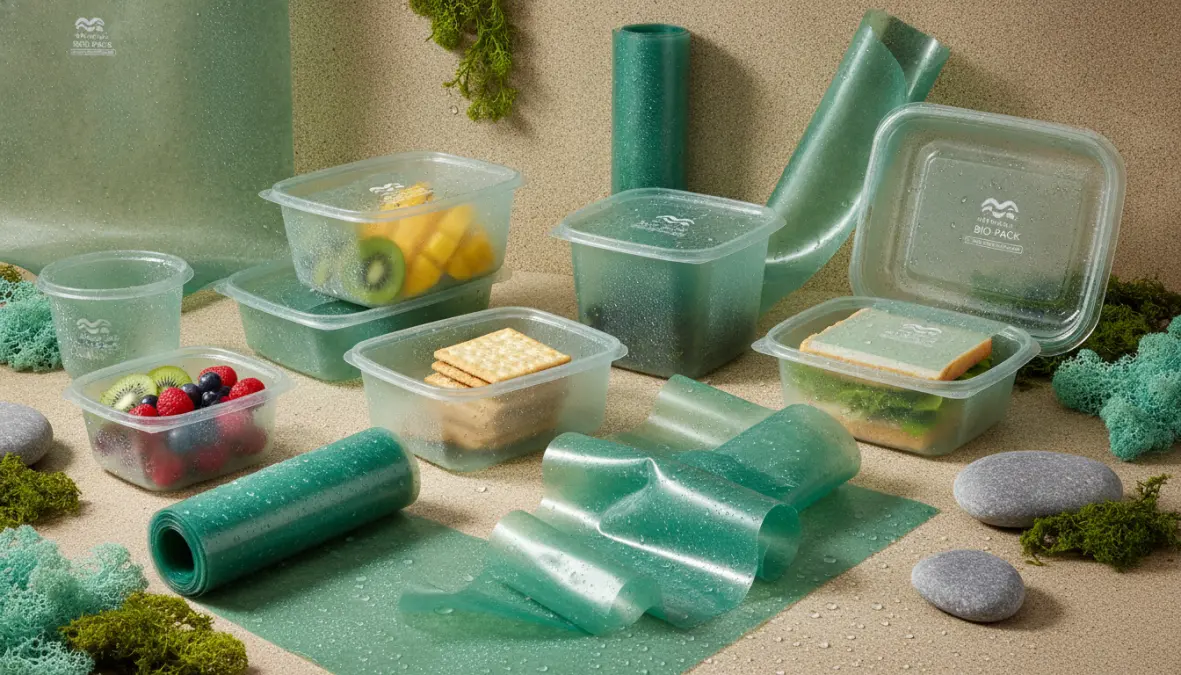
Algae packaging solutions represent perhaps the most commercially advanced application of these materials. Algae bioplastics come in several forms: flexible films that wrap food products, rigid containers for takeaway meals, and coatings that extend shelf life of fresh produce. The food packaging sector has shown particular interest because algae-derived films offer excellent oxygen barriers—crucial for maintaining freshness—while being completely edible or rapidly biodegradable packaging.
Companies like Notpla (formerly Skipping Rocks Lab) have developed seaweed-based pods for liquids that gained fame at marathons as edible water capsules, eliminating disposable cups entirely. Loliware creates seaweed-based straws and cups that biodegrade in weeks, not centuries. The cosmetics industry uses algae containers that dissolve harmlessly, while e-commerce companies pilot algae-based protective packaging that customers can compost at home. These applications demonstrate how algae materials reduce plastic waste in high-volume, single-use contexts where traditional plastics cause the most environmental damage.
Compared to conventional petroleum plastics, the advantages are obvious: algae plastics don’t persist for millennia and don’t leach toxic chemicals. Even against other bioplastics like PLA (corn-based), algae materials win on several fronts—they don’t compete with food crops, degrade faster in marine environments (critical given ocean pollution), and sequester carbon during growth. Degradation times vary by formulation: some algae films dissolve in cold water within minutes, while structured containers break down in home compost within 4-6 weeks.
The challenges? Scaling production remains expensive compared to mass-produced conventional plastics, though costs decrease as technology matures and biomass utilization becomes more efficient. Barrier properties and shelf stability continue improving through green chemistry innovations that modify molecular structures without toxic processes. Market adoption accelerates as regulations restrict single-use plastics and consumers increasingly demand sustainable alternatives. Industry analysts predict significant market growth as manufacturing capacity expands and price points approach parity with traditional materials.
Real-World Applications and Market Leaders
Let’s look at concrete examples already succeeding commercially. Notpla’s Ooho water pods have served millions of portions at sporting events, completely eliminating plastic bottle waste. Their takeaway food boxes, used by delivery services, biodegrade faster than the food scraps inside. Loliware’s seaweed straws perform as well as plastic alternatives while disappearing in compost bins within weeks—major hospitality chains have started adopting them. Sway, another innovator, produces seaweed-based film for fashion packaging, helping clothing brands ship products in biodegradable packaging made from algae that aligns with their sustainability messaging.
The success factors include genuine performance that matches or exceeds conventional options, competitive pricing achieved through efficient production, and strong storytelling that resonates with environmentally conscious consumers. Barriers to broader adoption include conservative procurement practices in large corporations, the need for new composting infrastructure to handle these materials properly, and consumer education about proper disposal methods. Despite these challenges, the trajectory is clear: algae derived materials for eco packaging are transitioning from niche innovations to mainstream alternatives, particularly as companies build a more sustainable and minimalist approach to consumption.
FAQ: Common Questions About Algae-Based Materials
Are algae-based materials truly biodegradable?
Yes, properly formulated algae materials are genuinely biodegradable and often compostable. Certification bodies like TÜV Austria verify these claims. Degradation timeframes vary: some dissolve in water within hours, while structural items break down in composting conditions within weeks. Unlike “biodegradable” plastics that require industrial facilities at specific temperatures, many algae products decompose in home compost or even marine environments without leaving toxic residues.
How much do they cost compared to traditional materials?
Currently, algae-based materials cost more than conventional petroleum plastics—typically 2-5 times higher depending on application and scale. However, prices drop steadily as production technology improves and volume increases. For textiles, algae blends price comparably to premium organic cotton. Early adopters accept higher costs for environmental benefits, while mass-market adoption awaits further price reductions expected within coming years.
Can algae textiles be recycled?
Most algae textiles are designed for composting rather than recycling, which actually solves more problems. Textile recycling faces major challenges with blended fabrics, but compostable algae fibers return nutrients to soil systems, supporting circular material flows. Some pure algae fibers can technically be recycled if processing infrastructure develops, but composting remains the intended end-of-life pathway.
What’s the environmental impact of algae farming?
When done responsibly, algae cultivation has remarkably positive environmental impact. Ocean-farmed seaweed improves water quality by absorbing excess nutrients, creates habitat for marine life, and sequesters carbon. Closed-system microalgae production uses non-potable water and can remediate wastewater. No pesticides, minimal energy inputs, and fast growth make sustainable manufacturing from algae genuinely regenerative rather than merely “less bad.”
Are these materials commercially available?
Absolutely. Consumers can purchase clothing containing SeaCell fibers from various sustainable fashion brands. Restaurants and events use Notpla packaging today. Beauty products ship in algae-based containers. Availability expands rapidly as commercial applications of algae based textiles and packaging prove their viability. Check brands’ sustainability credentials or specifically search for seaweed-based products to find options currently on the market.
The revolution in algae based materials isn’t coming—it’s already here, quietly transforming industries from the ocean up. Whether you’re wearing seaweed fibers or sipping from an edible cup, these innovations prove that sustainability and performance aren’t mutually exclusive. As production scales and awareness grows, these marine-derived materials will become increasingly common, helping us transition from extractive petroleum dependence to regenerative systems that work with nature’s cycles rather than against them.