Sodium-Ion Batteries: The Cheaper Alternative to Lithium Energy Storage
The energy storage landscape is changing fast, and sodium ion battery technology is emerging as a game-changer. While lithium-ion batteries have dominated the market for decades, their reliance on expensive and geopolitically sensitive materials has pushed researchers to explore alternatives. Sodium-ion batteries promise similar performance at a fraction of the cost, using materials abundant in the Earth’s crust. As renewable energy adoption accelerates and grid-scale storage becomes critical, this alternative battery technology might just be the solution we’ve been waiting for.
What Is Sodium-Ion Battery Technology and How Does It Work?
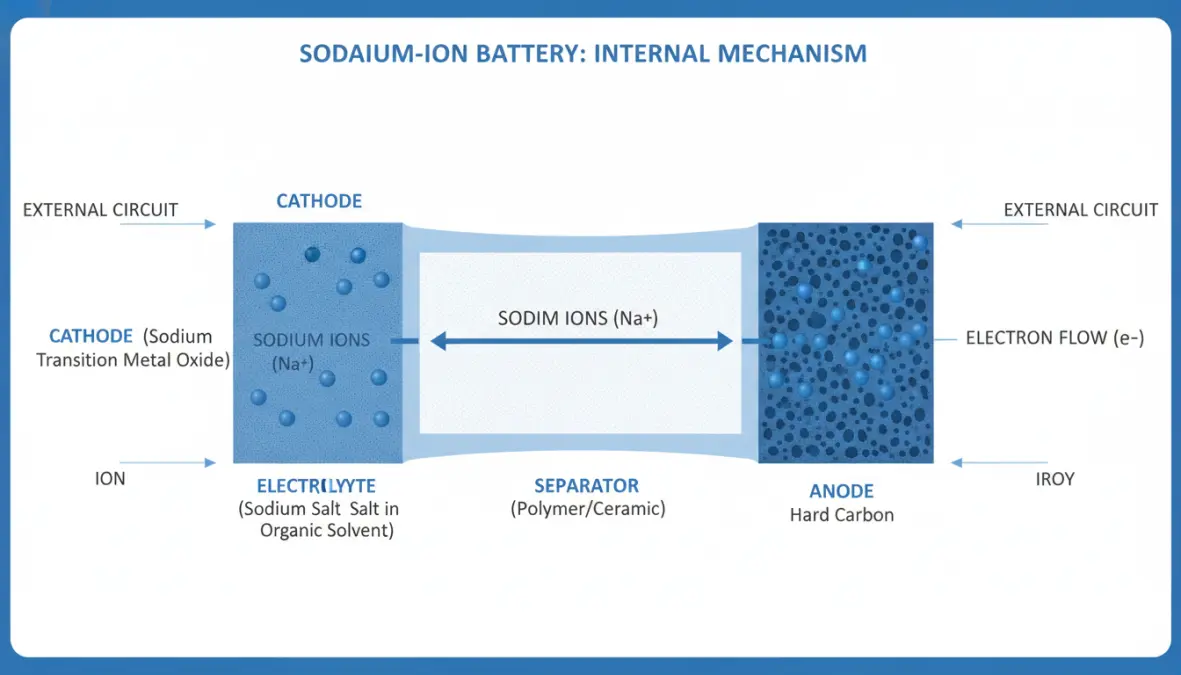
At its core, sodium ion battery technology works remarkably similar to its lithium counterpart. Both rely on the movement of ions between a cathode and an anode through an electrolyte solution during charge and discharge cycles. In sodium-ion batteries, sodium ions (Na+) replace lithium ions (Li+) as the charge carriers. When charging, sodium ions move from the cathode through the electrolyte to the anode, where they’re stored. During discharge, they flow back, generating electrical current.
The main components include cathode materials typically made from layered metal oxides or polyanionic compounds, an anode usually composed of hard carbon or other sodium-storing materials, and an electrolyte solution that facilitates ion movement. The key advantage here is that sodium is the sixth most abundant element on Earth, found in seawater and mineral deposits worldwide, making extraction dramatically simpler and cheaper than lithium mining.
Unlike lithium, which requires complex extraction processes often concentrated in specific regions like South America’s lithium triangle, sodium can be sourced almost anywhere. This geographic flexibility eliminates supply chain vulnerabilities and reduces geopolitical tensions around critical materials. The charge discharge rate of sodium-ion batteries has improved significantly in recent years, making them viable for applications previously dominated by lithium technology.
Sodium vs Lithium Batteries: Performance, Cost, and Sustainability
When comparing sodium vs lithium batteries, the differences become immediately apparent in several key areas. Energy density remains lithium’s strongest advantage, with lithium-ion batteries typically offering 150-250 Wh/kg compared to sodium-ion’s 100-160 Wh/kg. This 20-30% difference matters significantly for electric vehicles where weight and range are critical, but becomes less important for stationary applications like grid scale storage.
Battery cycles tell a more competitive story. Modern sodium-ion batteries can deliver 3,000-5,000 cycles with minimal battery degradation, comparable to many lithium-ion chemistries. Some manufacturers report even higher cycle counts for specific applications. What’s particularly impressive is that sodium-ion batteries can be discharged to zero volts without damage, unlike lithium batteries which degrade when fully depleted—a significant safety and logistics advantage.
The real differentiator is cost. Sodium battery cost runs approximately 30-40% lower than lithium equivalents, with projections suggesting prices around $40-60 per kWh compared to lithium’s $80-100 per kWh. This cost advantage stems from abundant raw materials, simpler extraction processes, and the ability to use aluminum current collectors instead of copper, further reducing manufacturing expenses.
Key Advantages of Sodium-Ion Energy Storage
The advantages of sodium ion energy storage extend well beyond basic cost savings. First, there’s zero dependency on rare earth elements or conflict minerals, addressing both ethical sourcing concerns and supply chain stability. Second, sodium-ion batteries demonstrate superior safety characteristics with lower risk of thermal runaway and fire—a critical consideration for large-scale installations. Third, they perform exceptionally well at low temperatures, maintaining functionality in cold climates where lithium batteries struggle.
Perhaps most importantly for renewable energy integration, sodium-ion batteries excel at stationary applications. They’re perfect for storing solar and wind energy, balancing grid loads, and providing backup power systems. When paired with decentralized microgrid systems, they enable truly sustainable community energy solutions. The question “are sodium ion batteries better than lithium” depends entirely on the application—for grid storage, the answer is increasingly yes.
Current Limitations and Challenges
Honesty matters when evaluating sodium ion battery advantages and disadvantages. The lower energy density means these batteries are bulkier and heavier for the same energy capacity. For smartphones or high-performance electric vehicles, this remains a significant drawback. The technology is also less mature, with fewer manufacturers and limited production infrastructure compared to the well-established lithium supply chain.
Current cathode materials still require optimization to improve energy density without sacrificing cycle life. Research continues into advanced electrolyte formulations that could enhance performance and extend operational temperature ranges. However, for stationary applications like renewable energy storage systems, these limitations prove largely irrelevant—weight doesn’t matter when batteries stay in one place, and slightly larger installations remain far cheaper than lithium alternatives.
Sodium Battery Applications and Leading Manufacturers
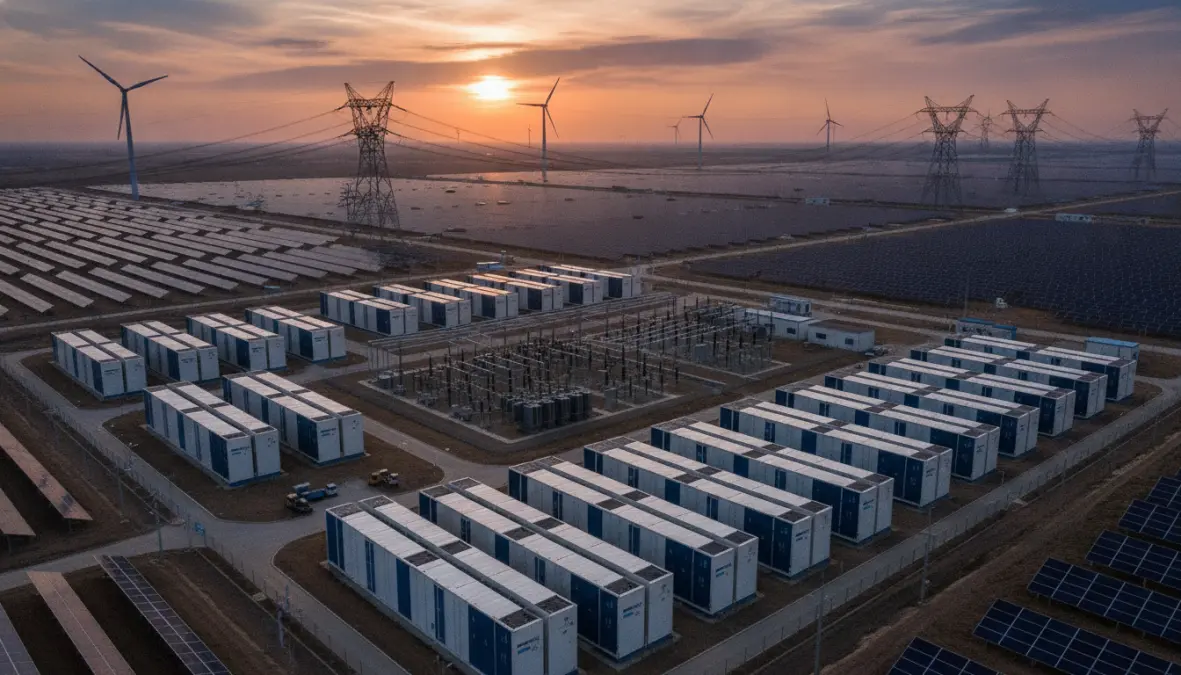
Current sodium battery applications focus primarily on areas where cost and safety trump energy density. Grid-scale energy storage leads the charge, with utilities deploying sodium-ion systems to balance renewable energy fluctuations and provide load shifting capabilities. Home backup systems represent another growing market, offering affordable alternatives to expensive lithium powerwall-style installations. Electric vehicles for urban delivery and short-range transportation are entering the market, particularly in price-sensitive segments.
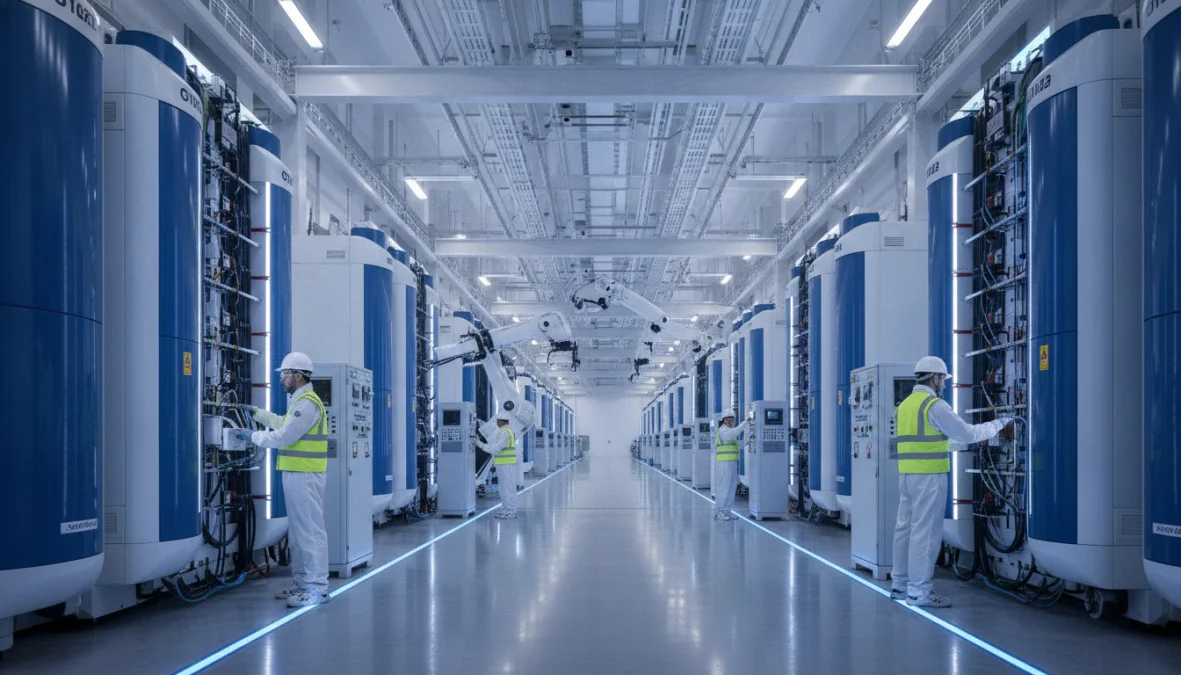
Several sodium ion battery manufacturers have moved beyond research into commercial production. CATL, the world’s largest battery manufacturer, began mass production and has already installed sodium-ion batteries in electric vehicles and energy storage projects. Natron Energy focuses on ultra-fast charging applications, delivering systems for data centers and industrial equipment. HiNa Battery, a Chinese pioneer, has deployed multiple grid-storage projects. Faradion, acquired by Reliance Industries, is scaling production in India. BYD has announced plans to integrate sodium-ion technology into its energy storage portfolio.
When asking “when will sodium ion batteries be available,” the answer is simple: they already are. CATL announced production capacity exceeding several GWh annually, with expansion plans underway. Best sodium ion battery companies are racing to scale manufacturing, with industry analysts projecting significant market penetration by the late 2020s. The technology pairs particularly well with baseload power sources and intermittent renewables, creating resilient hybrid energy systems.
FAQ: Common Questions About Sodium-Ion Batteries
Are sodium-ion batteries safer than lithium?
Yes, sodium-ion batteries are generally safer than lithium-ion batteries. They have a lower risk of thermal runaway and fire due to more stable chemistry. They can also be safely discharged to zero volts and transported without special handling requirements, reducing logistics costs and safety concerns during shipping and storage.
How long do sodium-ion batteries last?
Modern sodium-ion batteries typically deliver 3,000-5,000 charge cycles while maintaining 80% of their original capacity, comparable to many lithium-ion chemistries. In stationary storage applications with proper thermal management, they can last 10-15 years, making them economically viable for grid-scale and residential energy storage systems.
Can sodium-ion batteries replace lithium batteries?
Sodium-ion batteries will likely complement rather than completely replace lithium batteries. They’re ideal for stationary storage, backup power, and cost-sensitive applications, while lithium maintains advantages in high-performance electric vehicles and portable electronics where energy density and weight are critical. Market segmentation based on application requirements is the most probable outcome.
Why are sodium-ion batteries cheaper?
The lower cost comes from multiple factors: sodium is 1,000 times more abundant than lithium and can be extracted from seawater or common salt deposits. Manufacturing uses less expensive materials, including aluminum instead of copper current collectors. No rare earth elements or conflict minerals are required, and simpler supply chains reduce geopolitical risk premiums.
When will sodium-ion batteries be widely available?
Sodium-ion batteries are already commercially available from manufacturers like CATL, Natron Energy, and HiNa Battery. Large-scale deployment is accelerating, with major grid storage projects operational and electric vehicle integration beginning. Industry experts predict widespread adoption for stationary applications within the next few years as production scales and costs continue declining.
The emergence of sodium-ion batteries represents more than just technological progress—it’s a fundamental shift toward more sustainable, accessible energy storage. As the world transitions to renewable energy and confronts the limitations of lithium supply chains, sodium ion batteries for renewable energy storage offer a practical, cost-effective solution. While they won’t replace lithium in every application, their advantages in stationary storage, safety, and cost make them essential to our energy future. Just as solid-state batteries promise to revolutionize portable power, sodium-ion technology is quietly transforming how we store and distribute electricity at scale. The question isn’t whether sodium ion batteries are the future, but how quickly we can scale production to meet growing demand.