E-Waste Recycling Crisis: The Shocking Truth About Where Your Electronics Really Go
That old smartphone sitting in your drawer? The laptop you replaced last year? Chances are, you think recycling them means they’ll be responsibly dismantled and their materials reused. Think again. The e-waste recycling crisis is far more sinister than most people realize, and the journey your electronics take after you drop them off at a recycling center might shock you. Behind the comforting facade of “green” disposal programs lies a global network of exploitation, environmental devastation, and dangerous working conditions that would make your blood run cold.
Understanding the Global E-Waste Problem: Scale and Impact
The global e-waste problem has reached catastrophic proportions. According to recent data, the world generates over 57 million metric tons of electronic waste disposal annually—that’s equivalent to the weight of 350 cruise ships. Even more alarming? Only about 17% of this waste gets formally recycled. The rest? It disappears into a shadowy network of illegal exports and informal recycling operations.
The e-waste statistics paint a grim picture. By some estimates, global e-waste generation is growing at 3-4% annually, making it the fastest-growing waste stream on the planet. The United States alone produces roughly 7 million tons per year, while China generates even more. Yet these countries—the primary producers—rarely deal with their own mess.
Inside your discarded devices lurk toxic materials like lead, mercury, cadmium, and brominated flame retardants. When these hazardous components end up in landfills or are improperly processed, they leach into soil and water supplies, poisoning ecosystems and communities. The health costs are staggering: neurological damage, respiratory diseases, and cancer clusters have been documented in e-waste hotspots worldwide. Meanwhile, the social cost includes child labor and exploitation of vulnerable populations desperate for income.
Where Electronics Are Really Recycled: The Dark Reality
When you hand over your old electronics for recycling electronics, you probably imagine them arriving at a high-tech facility where robots carefully extract valuable materials. The reality of where electronics are recycled is far grimmer. Many devices embark on a journey halfway around the world, ending up in places you’ve never heard of, where e-waste management means something entirely different.
Understanding what happens to recycled electronics requires following the money—and the shortcuts. Proper recycling is expensive. It requires specialized equipment, trained workers, and compliance with environmental regulations. Shipping containers full of e-waste to countries with lax enforcement? Much cheaper. This economic reality drives the e-waste recycling crisis.
The Export Pipeline: From Developed to Developing Nations
Despite international agreements like the Basel Convention that prohibit hazardous waste exports, millions of tons of e-waste illegally flow from the United States, Europe, and Australia to developing countries in Africa and Asia every year. The most notorious question—where does e-waste end up?—has disturbing answers: Ghana, Nigeria, India, Pakistan, and China.
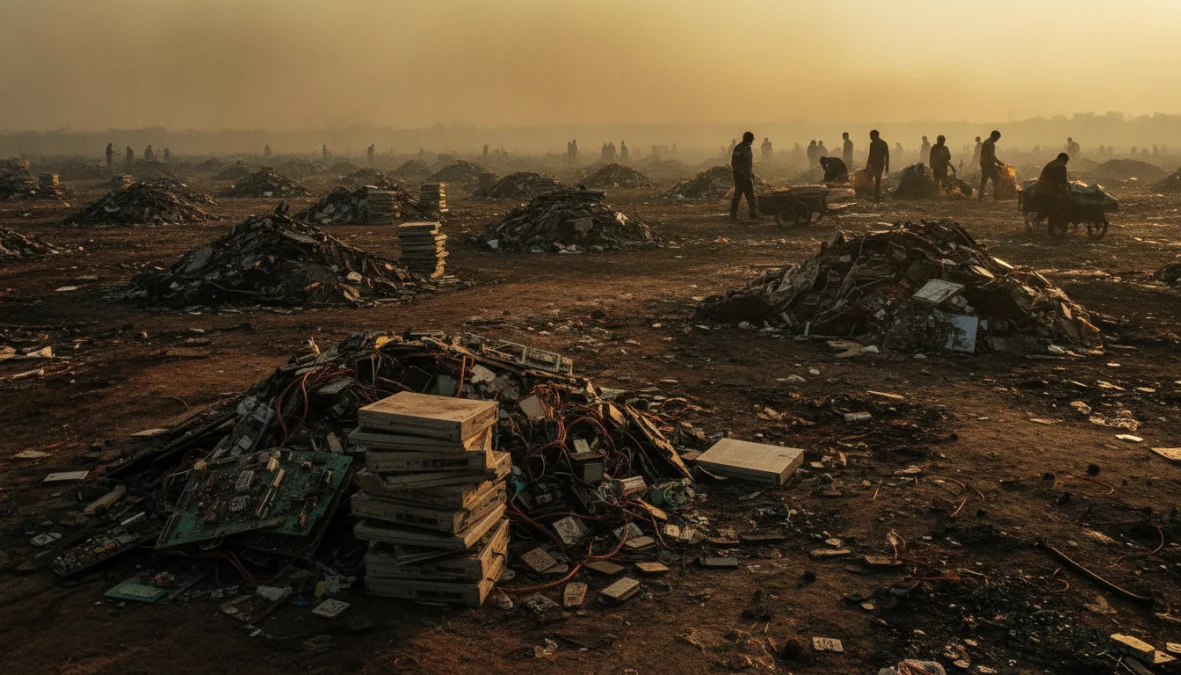
Agbogbloshie in Ghana has become synonymous with the global e-waste trade. This sprawling dumping ground outside Accra receives thousands of shipping containers labeled as “used electronics” or “donations” that are actually non-functional junk. Similarly, Guiyu in China has been called the “e-waste capital of the world,” where entire towns have been transformed into informal recycling zones with devastating environmental consequences.
Why does this happen? Simple economics. Shipping e-waste costs a fraction of proper domestic recycling. Countries that receive e-waste often lack the regulatory infrastructure to refuse shipments or enforce environmental standards. Corruption greases the wheels, and poverty ensures a ready workforce willing to accept dangerous conditions for minimal pay.
What Happens at Informal Recycling Sites
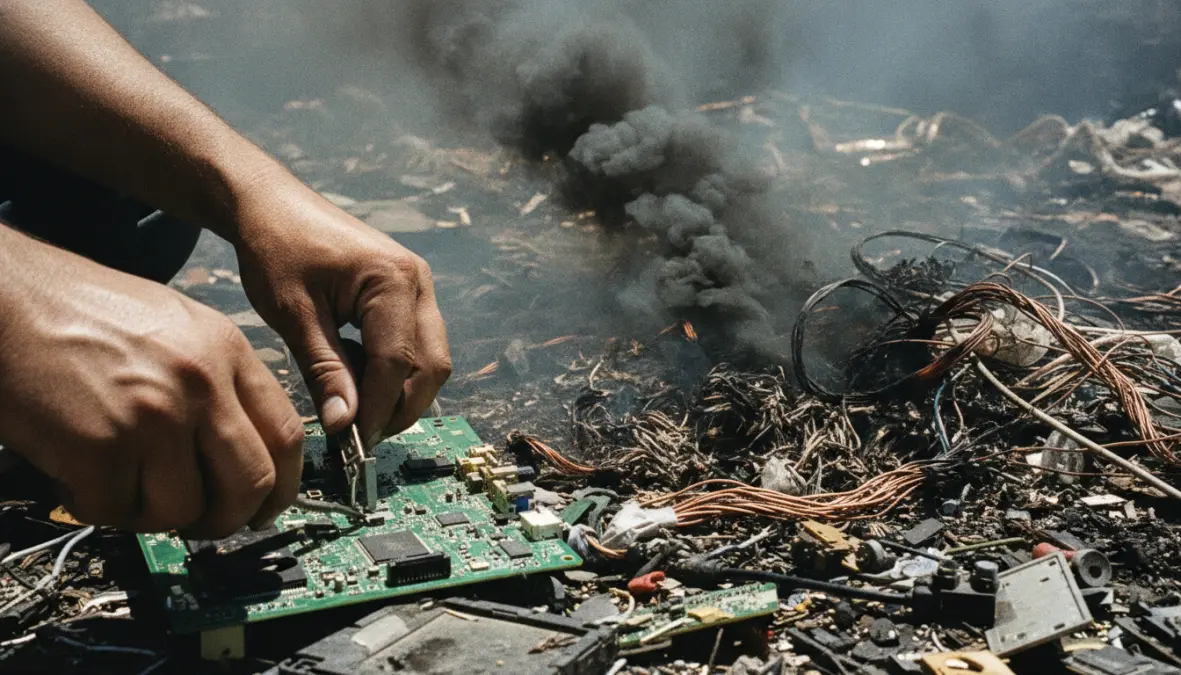
The e-waste recycling process explained at informal sites bears no resemblance to certified facilities. Workers—often including children—burn plastic-coated cables over open flames to recover copper wire. They smash circuit boards with hammers and use their bare hands to sort components. Precious metals recovery involves heating devices over coal fires or using highly toxic acid baths to extract gold, silver, and palladium.
These primitive methods release dioxins, furans, and heavy metal particulates directly into the air. Workers breathe toxic fumes without respirators. Communities live on poisoned land where nothing grows. Studies have found lead levels in children’s blood up to ten times higher than safe limits in these areas. The environmental impact of electronic waste processed this way extends for generations.
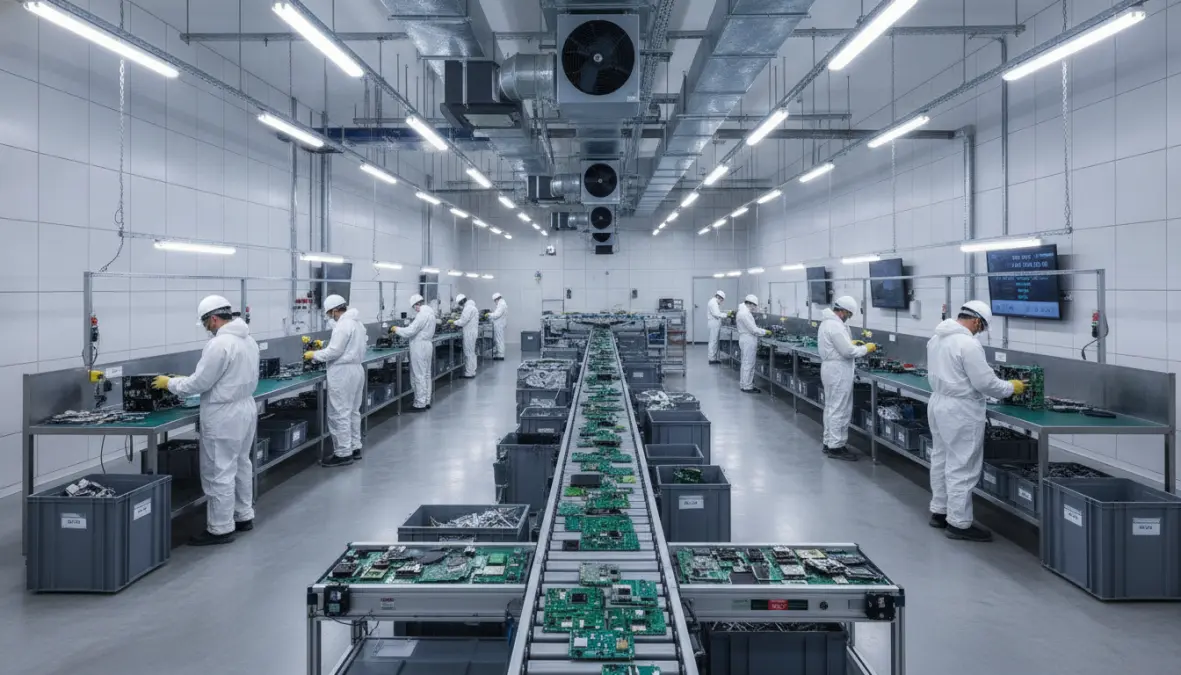
Meanwhile, legitimate recycling facilities use enclosed systems, protective equipment, and proper chemical processes. The contrast couldn’t be starker—yet unscrupulous recyclers continue exporting to informal sites because it’s profitable. In an age where we’re concerned about the environmental cost of our digital habits, the e-waste crisis demands equal attention.
Electronic Recycling Programs: Finding Responsible Solutions
Not all electronic recycling programs are created equal, and distinguishing legitimate operations from exporters masquerading as recyclers is crucial. Fortunately, certification programs exist to help consumers identify responsible e-waste management options.
Look for facilities certified by e-Steward or R2 (Responsible Recycling) standards. These certifications require audited proof that electronics are processed domestically under strict environmental and labor standards, with no exports to developing countries. They also address data security concerns—a critical issue when safe disposal of electronic devices containing personal information is at stake.
Many manufacturers now offer take-back programs. Apple, Dell, Best Buy, and others accept old electronics for refurbishment or recycling regardless of brand. These programs generally meet higher standards than random recycling drop-offs. When considering how to properly recycle old electronics, manufacturer programs should be your first stop.
Legislative efforts are expanding too. The EU’s WEEE Directive sets ambitious recycling targets and producer responsibility requirements. Several US states have enacted their own e-waste laws requiring manufacturers to fund collection and recycling programs. These initiatives represent progress, though enforcement remains inconsistent.
Looking forward, the solution involves redesigning our entire relationship with electronics. The circular economy model emphasizes design for recyclability, modular components that can be upgraded rather than replaced, and “urban mining” that treats old devices as valuable resource repositories rather than waste. Why e-waste is a growing problem ultimately stems from planned obsolescence and throwaway culture—problems requiring systemic change.
FAQ
What percentage of e-waste is actually recycled?
Only about 17% of global e-waste is formally recycled through proper channels. The remaining 83% ends up in landfills, is incinerated, traded informally, or illegally exported to developing countries where it’s processed under dangerous conditions.
Is it safe to throw electronics in the trash?
Absolutely not. Electronics contain hazardous components including lead, mercury, cadmium, and toxic flame retardants that contaminate soil and groundwater when placed in regular landfills. Many jurisdictions have made this practice illegal for good reason.
How can I verify if a recycling program is legitimate?
Look for e-Steward or R2 certification, which requires third-party auditing and prohibits exports to developing countries. Ask directly whether they process materials domestically and request their certification documentation. Legitimate recyclers will gladly provide this information.
What are the most toxic components in electronic waste?
Circuit boards contain lead and brominated flame retardants; batteries contain lithium, cadmium, or mercury; older screens contain lead and phosphor; and plastic casings often include toxic additives. When burned or improperly processed, these release carcinogenic compounds into the environment.
Can e-waste recycling be profitable?
Yes, when done properly. Electronic devices contain valuable precious metals—a ton of circuit boards contains more gold than a ton of gold ore. However, proper extraction requires significant investment in technology and safety measures, making illegal dumping in developing countries the cheaper (though morally bankrupt) alternative.
The e-waste recycling crisis won’t disappear until we demand transparency from recyclers, support legislation requiring producer responsibility, and fundamentally rethink our consumption habits. Every device you purchase will eventually become waste—make sure you know where it’s really going when you’re done with it. The planet, and vulnerable communities worldwide, depend on our willingness to look beyond convenient lies and confront uncomfortable truths.