Urban Permaculture: Designing Regenerative Food Systems in Small Spaces
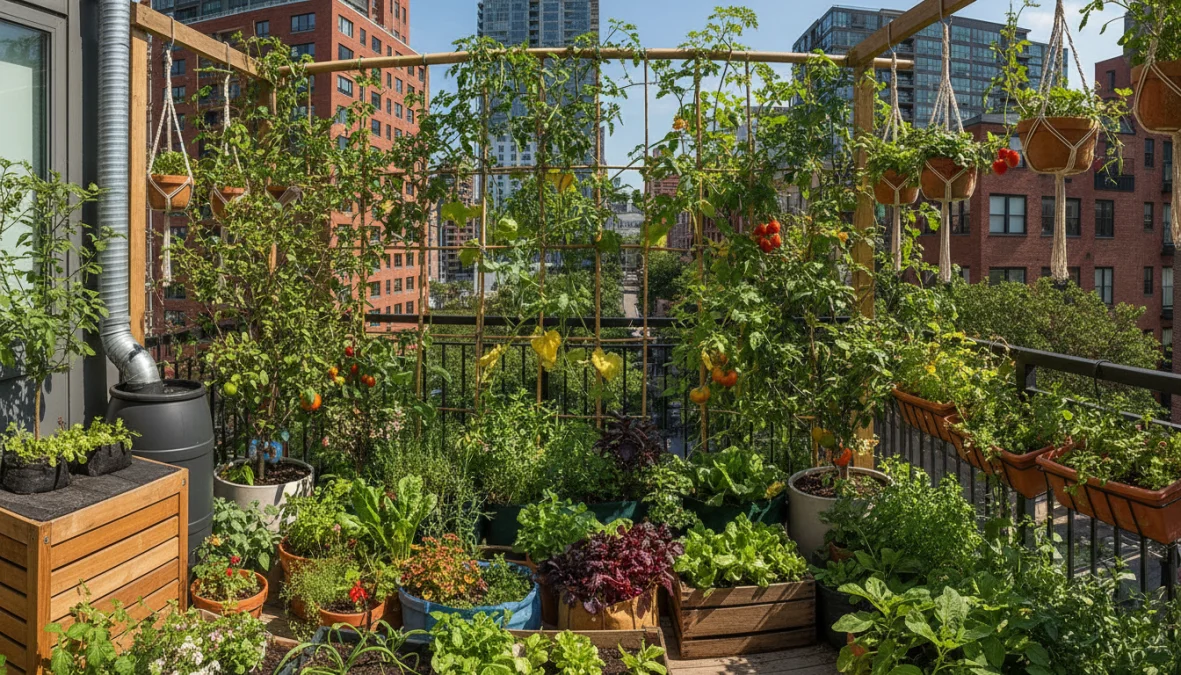
Look around most cities and you’ll see concrete, asphalt, and maybe a few sad planters. But tucked between the urban sprawl, a quiet revolution is growing—literally. Urban permaculture is transforming balconies, backyards, and even parking strips into thriving ecosystems that produce food, build soil, and regenerate the environment. And the best part? You don’t need acres of land or a degree in agriculture to make it happen. With smart design and a few key principles, anyone can create a productive, regenerative food system right where they live.
Understanding Urban Permaculture and Its Core Design Principles
At its heart, urban permaculture is about working with nature, not against it, to create productive landscapes in city environments. Unlike traditional gardening that often relies on external inputs like synthetic fertilizers and constant watering, permaculture design principles focus on building self-sustaining systems that mimic natural ecosystems. Think of it as designing a mini-forest rather than rows of vegetables that need constant babysitting.
The twelve permaculture principles—like “observe and interact,” “catch and store energy,” and “use small and slow solutions”—were originally developed for rural homesteads but adapt beautifully to cramped city spaces. In fact, sustainable urban agriculture might be where these principles shine brightest. When you’re working with limited square footage, every decision matters. That tiny balcony becomes a masterclass in efficiency when you stack functions, create microclimates, and design closed loop systems that recycle nutrients and water.
The key difference from conventional urban gardening? Permaculture asks you to observe before you act. Study how sunlight moves across your space, where water accumulates, which areas stay warmer or cooler. This observation period—even just a few weeks—reveals opportunities that rushed planting misses. Maybe that shady corner is perfect for mushrooms and shade-loving herbs, while the sunny wall can support a vertical food forest of climbing beans and grapes.
Designing Your Regenerative Urban Food System
Ready to get your hands dirty? Designing an urban garden using permaculture starts with zone planning—even in tiny spaces. Zone 0 is your home, Zone 1 includes areas you visit daily (like right outside your kitchen door), and zones expand outward based on frequency of interaction. In a small apartment, your Zone 1 might be windowsill herbs and salad greens you harvest constantly, while Zone 2 could be larger containers with tomatoes and peppers you check weekly.
Vertical stacking becomes your best friend in small space permaculture. Instead of thinking flat, think layers: root vegetables below, leafy greens at ground level, bush plants in the middle, climbing plants on trellises, and maybe fruit trees or vining crops overhead. This mimics how forests naturally organize themselves and multiplies your growing area dramatically. A single 4×4 foot raised bed can produce herbs, lettuce, radishes, peas, and dwarf fruit trees all in the same footprint.
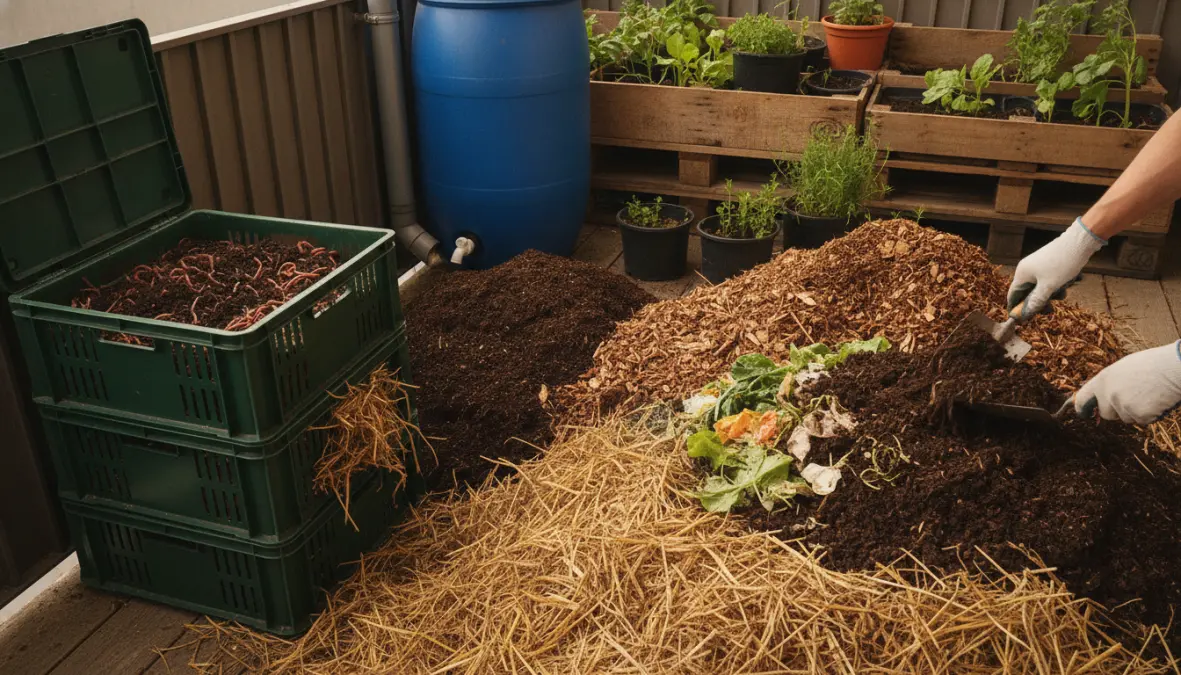
Regenerative gardening means creating cycles, not straight lines. Your kitchen scraps become compost, which feeds your soil, which grows food, which creates more scraps. Integrate a small compost bin or worm tower directly into your garden beds. Collect rainwater from downspouts in barrels or even large containers. Plant flowers alongside vegetables to attract pollinators and beneficial insects. Each element serves multiple functions—a principle that’s essential for backyard food production in limited spaces.
Maximizing Productivity Through Guilds and Companion Planting
Here’s where urban permaculture gets really clever. Instead of planting in lonely rows, create guild planting communities where each plant supports the others. A classic example: the “three sisters” guild of corn, beans, and squash. Corn provides a trellis, beans fix nitrogen in the soil, and squash shades the ground to retain moisture and suppress weeds. This ancient polyculture system produces more food per square foot than any single crop could.
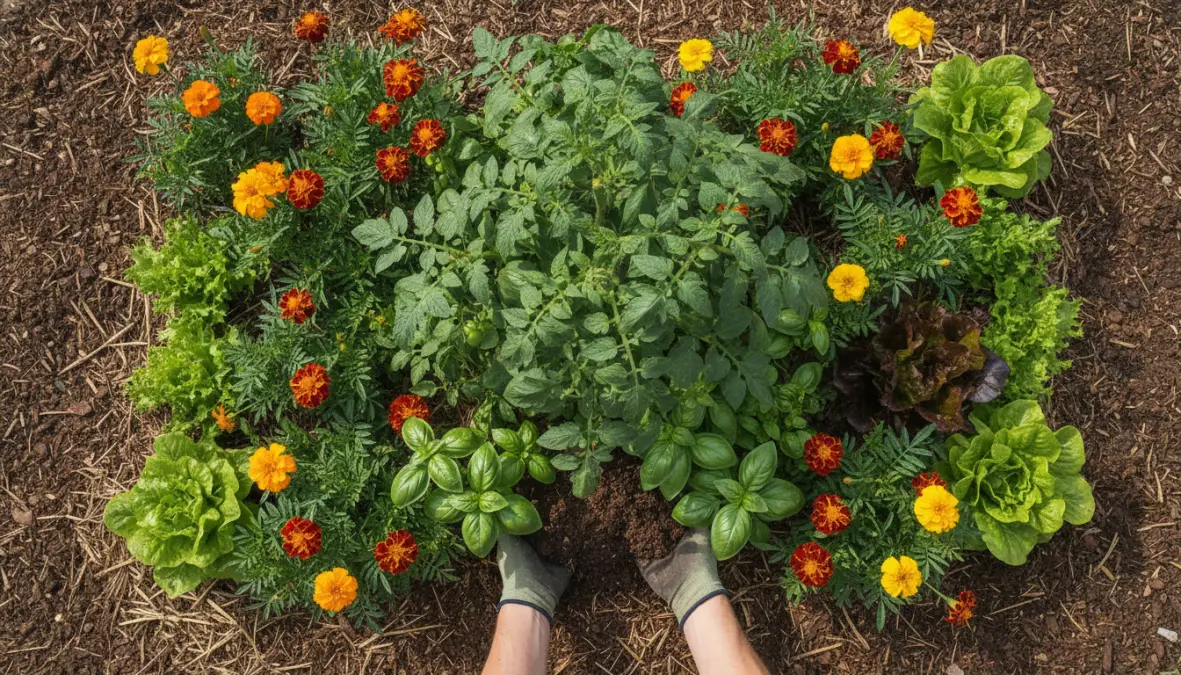
For modern urban gardens, adapt these concepts to your space and climate. Try a tomato guild: tomato as the central productive element, basil at its base to repel pests and improve flavor, marigolds around the edges for pest control, and low-growing lettuce to use the shaded space beneath. In just two square meters, you’ve created a productive mini-ecosystem that requires less intervention than isolated plants would. Companion planting isn’t just folklore—when designed thoughtfully, it creates mutual support systems that reduce work and increase yields.
Don’t forget the vertical dimension. Climbing nasturtiums can scramble up supports while providing edible flowers and leaves, their peppery aroma confusing aphids that might target your crops. Integrate perennial herbs like rosemary, thyme, and oregano as guild anchors—they attract pollinators, provide harvests year-round, and require minimal maintenance once established. Much like the techniques used in regenerative agriculture, these plant communities build resilience through diversity.
Water Management and Soil Regeneration Strategies
Water is precious in urban environments, and water harvesting doesn’t require elaborate infrastructure. Start simple: position containers to catch runoff from roofs or balconies above. Even a single rain barrel can provide weeks of irrigation. Design your beds with slight depressions that capture water rather than shedding it. Mulch heavily with leaves, straw, or wood chips to reduce evaporation—in hot climates, this single practice can cut water needs by half.
Soil building is the foundation of any regenerative system. Urban soils are often compacted, contaminated, or nonexistent, so you’re building from scratch anyway—might as well do it right. Layer compost, aged manure, and organic materials to create rich, living soil. Vermicomposting (worm composting) works brilliantly in apartments and produces nutrient-dense castings that transform plant health. Sheet mulching with cardboard and organic materials can convert a barren patch into productive soil in months.
The beauty of closed loop systems? You stop seeing “waste.” Autumn leaves from street trees become mulch and compost. Coffee grounds from your morning brew feed worms. Vegetable scraps return to the soil. These cycles mirror how natural systems work and dramatically reduce your dependence on external inputs. Your garden becomes more productive each season as soil biology builds and organic matter accumulates.
From Garden to Urban Homestead: Scaling Your Food Production
Urban homesteading takes permaculture beyond just vegetables. Once your garden is established, consider integrating small animals if local regulations allow. A few chickens turn kitchen scraps and garden waste into eggs and manure—chickens are essentially composting machines with benefits. Bees provide pollination and honey while requiring minimal space. Even a balcony can support solitary bee houses that boost pollination for blocks around.
Think beyond fresh eating. A productive home food system includes preservation: fermenting, canning, drying, freezing. That summer tomato glut becomes sauce for winter. Herbs dry for year-round seasoning. This transforms your garden from seasonal supplement to genuine food security. Plan succession plantings so something’s always ready to harvest—early greens transition to summer tomatoes, then fall brassicas, then winter roots.
Realistic expectations matter. A well-designed 100-square-foot urban garden can produce hundreds of pounds of food annually, potentially covering 20-30% of a household’s vegetable needs. It won’t replace the supermarket entirely, but it provides fresh, nutrient-dense food while building skills and community connections. Share surplus with neighbors, participate in seed swaps, learn from others doing similar work. This connection to local food networks echoes broader shifts in how we think about urban food security and community resilience.
Common Questions About Urban Permaculture
How much food can I really grow in a small urban garden? With intensive methods, 100 square feet can yield 200-400 pounds of vegetables annually. Balconies and small yards regularly produce enough salad greens, herbs, and tomatoes to significantly reduce grocery bills while improving food quality.
Do I need a yard to practice urban permaculture? Absolutely not. Balconies, patios, rooftops, even sunny windowsills work beautifully. Container gardening with permaculture principles—companion planting, soil building, water efficiency—produces impressive results. Vertical systems maximize limited space.
What are the easiest permaculture principles to start with? Begin with observation, mulching, and composting. These require minimal investment but provide maximum learning and impact. Observe your space for a month, noting sun, wind, and water patterns, then start small with a few containers using compost and mulch.
How long does it take to establish a permaculture garden? You’ll harvest salad greens and herbs within weeks, but building soil biology and perennial systems takes 2-3 years to fully mature. The garden becomes easier and more productive each season as systems establish.
Can permaculture work in containers and raised beds? Perfectly. Containers are ideal for microclimate creation—you can move them to optimize conditions. Raised beds with proper soil building and companion planting follow all the same principles as in-ground gardens. Focus on building soil life and creating plant communities.
Urban permaculture isn’t about perfection—it’s about observation, experimentation, and working with what you have. Start small, learn from your space, and build complexity as you gain confidence. Every balcony tomato and windowsill herb is a small act of regeneration in a concrete world. Your city ecosystem is waiting to bloom—you just need to give it the right design. What will you plant first?