Flow State Techniques: Neuroscience-Backed Methods for Peak Performance

You know that magical feeling when you’re so absorbed in an activity that hours fly by like minutes? When your skills align perfectly with the challenge at hand, and everything just clicks? That’s not luck—it’s the flow state, and the best part is that you can learn to access it on demand. Understanding flow state techniques backed by neuroscience can transform how you work, create, and perform at your absolute best.
Understanding Flow State: The Neuroscience Behind Peak Performance
The concept of flow state psychology was first defined by psychologist Mihaly Csikszentmihalyi in the 1970s. He described it as an optimal performance zone where people experience complete immersion in an activity, losing track of time while performing at their peak. But what’s actually happening in your brain during these magical moments?
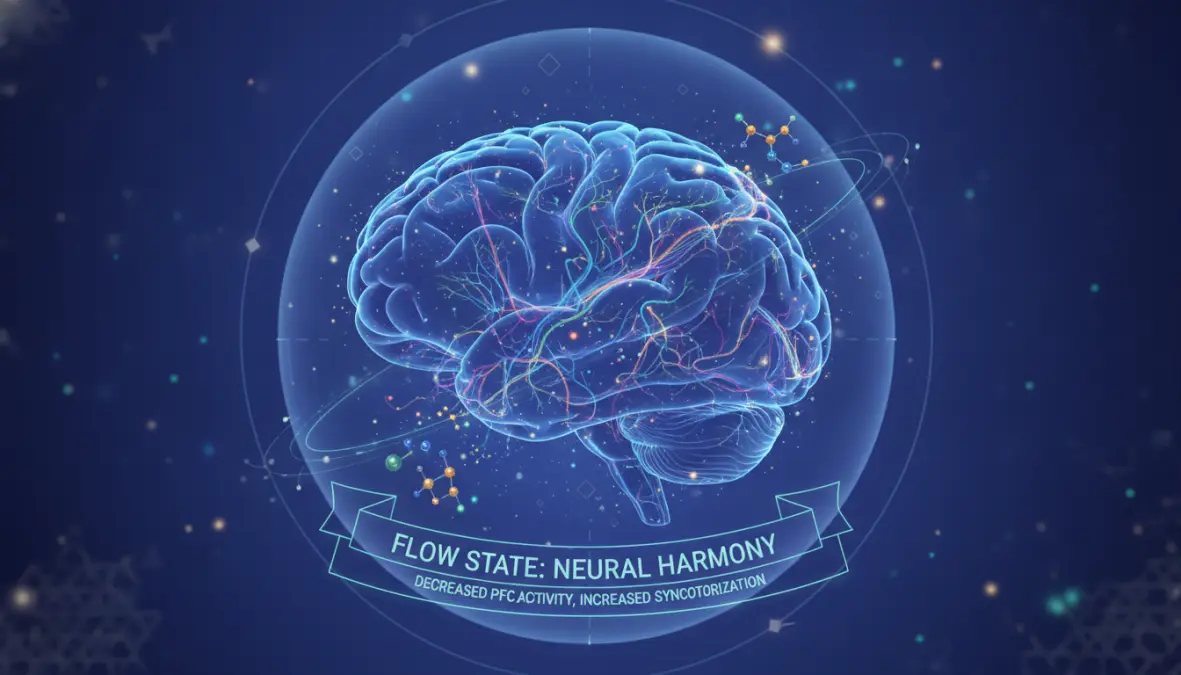
When you enter a flow state, your brain undergoes fascinating changes. Flow state neuroscience reveals that activity in the prefrontal cortex—the part of your brain responsible for self-monitoring and inner criticism—temporarily decreases through a process called transient hypofrontality. This is why your inner critic goes quiet and you stop second-guessing yourself.
Simultaneously, your brain releases a powerful cocktail of neurochemicals: dopamine enhances focus and pattern recognition, norepinephrine increases arousal and attention, endorphins block pain and create euphoria, anandamide (the “bliss molecule”) promotes lateral thinking, and serotonin boosts mood and well-being. This neurochemical cascade explains why flow feels so incredibly rewarding and why we become almost addicted to activities that consistently produce it.
The key characteristics of flow include complete concentration on the present moment, merging of action and awareness (you don’t think about doing—you just do), loss of self-consciousness, distorted time perception, and immediate feedback on your progress. Understanding these elements helps you recognize when you’re in flow and, more importantly, how to get there more consistently. For those interested in optimizing their learning processes, exploring metacognition techniques can complement your flow practice beautifully.
Proven Flow State Techniques for Achieving Deep Focus
Now let’s get into the practical stuff—the actual flow state techniques you can implement today. These deep focus techniques are based on research and real-world testing, not just theory.
Challenge-Skill Balance: This is perhaps the most critical element for achieving a peak performance state. The task must be challenging enough to demand your full attention but not so difficult that it triggers anxiety. Research suggests the sweet spot is about 4% above your current skill level. Too easy? You’ll get bored. Too hard? You’ll get stressed. Neither leads to flow.
Eliminate Environmental Distractions: Put your phone on airplane mode, close unnecessary browser tabs, and create a physical space dedicated to deep work. Your brain can’t achieve neural synchronization when it’s constantly interrupted. Studies show it takes an average of 23 minutes to fully refocus after a distraction.
Clear Goal Setting: Before starting, define exactly what you want to accomplish. Vague goals like “work on the project” don’t cut it. Specific goals like “write 500 words of the introduction” provide the clarity your brain needs to lock in.
Time Blocking and Dedicated Sessions: Schedule specific flow sessions of 90-120 minutes—this aligns with your natural ultradian rhythms. The Pomodoro Technique can be adapted: instead of 25-minute intervals, try 90-minute deep focus blocks followed by complete breaks.
Pre-Performance Rituals: Create a consistent routine that signals to your brain it’s time to enter flow. This might be brewing a specific tea, doing five minutes of breathing exercises, or listening to a particular playlist. The consistency creates a Pavlovian response over time.
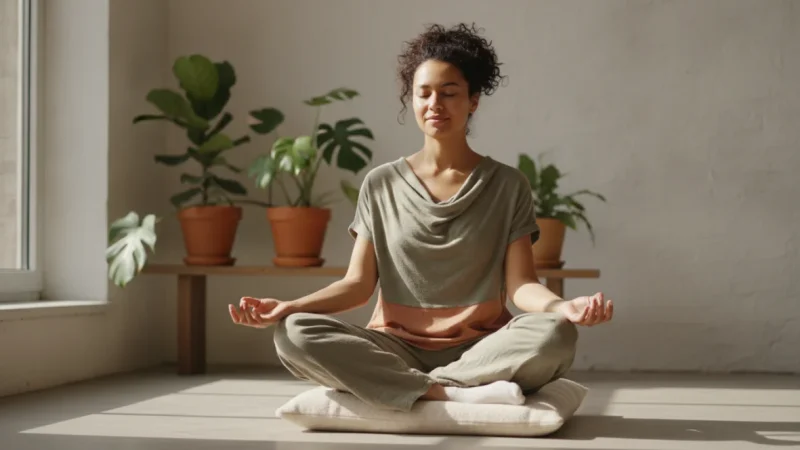
Mindfulness and Meditation Preparatory Work: Even 5-10 minutes of mindfulness meditation before your flow session can significantly improve attention control. It trains your brain to notice when you’re distracted and gently return focus to the task. This connects well with body-based awareness practices like somatic therapy techniques that ground you in the present moment.
Physical Priming: Light exercise before deep work—a 10-minute walk, some stretching, or brief yoga—increases blood flow to the brain and primes your nervous system for focused activity. The key is light, not exhausting.
Immediate Feedback Loops: Structure your work so you can see progress as you go. Programmers get this naturally from code that runs or breaks. Writers can track word count. Whatever your domain, find ways to make progress visible and immediate.
Creating Your Optimal Flow Environment and Routine
Knowing flow state triggers for peak performance is one thing; building a sustainable system is another. Here’s how to design an environment and routine that consistently supports your optimal performance zone.
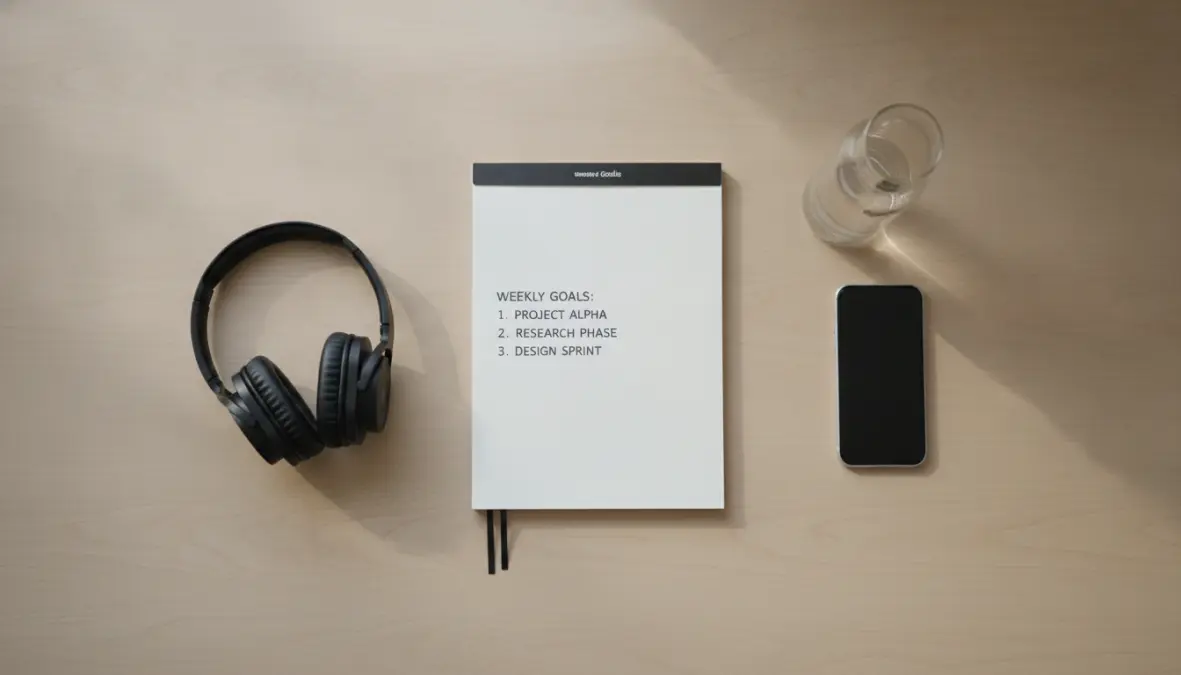
Environment Design: Your physical space matters more than you think. Optimal lighting (natural light when possible, or warm, indirect artificial light), comfortable temperature (slightly cool, around 68-72°F, tends to improve cognitive performance), minimal visual clutter, and ergonomic seating all contribute to sustained focus. Some people flow better with background noise like white noise or nature sounds; others need complete silence. Experiment to find your preference.
Energy Management: Flow demands significant mental resources. Track your energy patterns throughout the day and schedule your most important flow sessions during your peak hours. For most people, this is mid-morning, but night owls might find their groove later. Performance psychology research shows that respecting your natural rhythms dramatically improves results.
Nutrition and Hydration: Your brain is only 2% of your body weight but uses 20% of your energy. Stable blood sugar supports sustained focus—avoid sugar crashes by eating balanced meals with protein, healthy fats, and complex carbs. Stay hydrated; even mild dehydration impairs cognitive performance. Keep water nearby during flow sessions.
Recovery as Practice: You can’t maintain flow 24/7, nor should you try. Quality rest, adequate sleep (7-9 hours for most adults), and deliberate recovery periods are essential. Dopamine regulation requires downtime between intense focus sessions. Burnout is the enemy of flow.
Tracking and Self-Assessment: Keep a simple flow journal noting when you achieved flow, what conditions were present, and what disrupted it. Over time, patterns emerge that help you refine your personal flow formula. What works for someone else might not work for you—personalization is key.
Overcoming Common Obstacles: Performance anxiety? Lower the stakes initially—practice flow with low-pressure activities. Boredom? Increase the challenge level. Constant interruptions? Set boundaries with colleagues and family about your focus time. The path to consistent flow involves identifying your specific blockers and systematically addressing them.
FAQ: Common Questions About Flow State
How long does it take to enter a flow state?
Most people need about 10-15 minutes of uninterrupted focus to fully enter flow. This “onboarding” time is why protecting the first 15 minutes of any deep work session from distractions is crucial. With practice and consistent rituals, you can reduce this time. The answer to how to enter flow state quickly lies in building strong pre-performance routines that signal to your brain it’s time to focus.
Can anyone achieve flow state?
Absolutely. Flow isn’t reserved for elite athletes or artists—it’s a universal human capacity. You’ve likely experienced it naturally at some point, perhaps while cooking, gardening, or playing video games. The difference is learning to access it intentionally for activities that matter to your goals. Intrinsic motivation helps significantly—you’re more likely to flow doing something you genuinely care about.
What’s the difference between flow state and hyperfocus?
While they share similarities, flow is characterized by effortless engagement and enjoyment, whereas hyperfocus (often associated with ADHD) can feel more compulsive and may neglect basic needs like eating or bathroom breaks. Flow maintains awareness of your well-being; hyperfocus can override it. Flow also requires an appropriate challenge-skill balance, while hyperfocus can occur even with low-complexity tasks.
How often should I aim for flow state?
Quality over quantity. One genuine 90-minute flow session produces more value than eight hours of distracted, mediocre work. Most people can realistically achieve 1-2 deep flow sessions per day, totaling 2-4 hours. Pushing beyond this often leads to diminishing returns and mental fatigue. Remember, sustainable high performance includes adequate recovery time.
Mastering flow state techniques isn’t about life hacking your way to superhuman productivity—it’s about aligning your work with your brain’s natural capacity for peak performance. Start with one or two techniques from this guide, experiment consistently, and pay attention to what works for your unique psychology and circumstances. The investment in learning these concentration enhancement methods pays dividends across every area of your life where performance matters. Your optimal self is waiting on the other side of focused practice.