HEPA Filter Guide: How to Choose the Best Air Purification System for Your Home
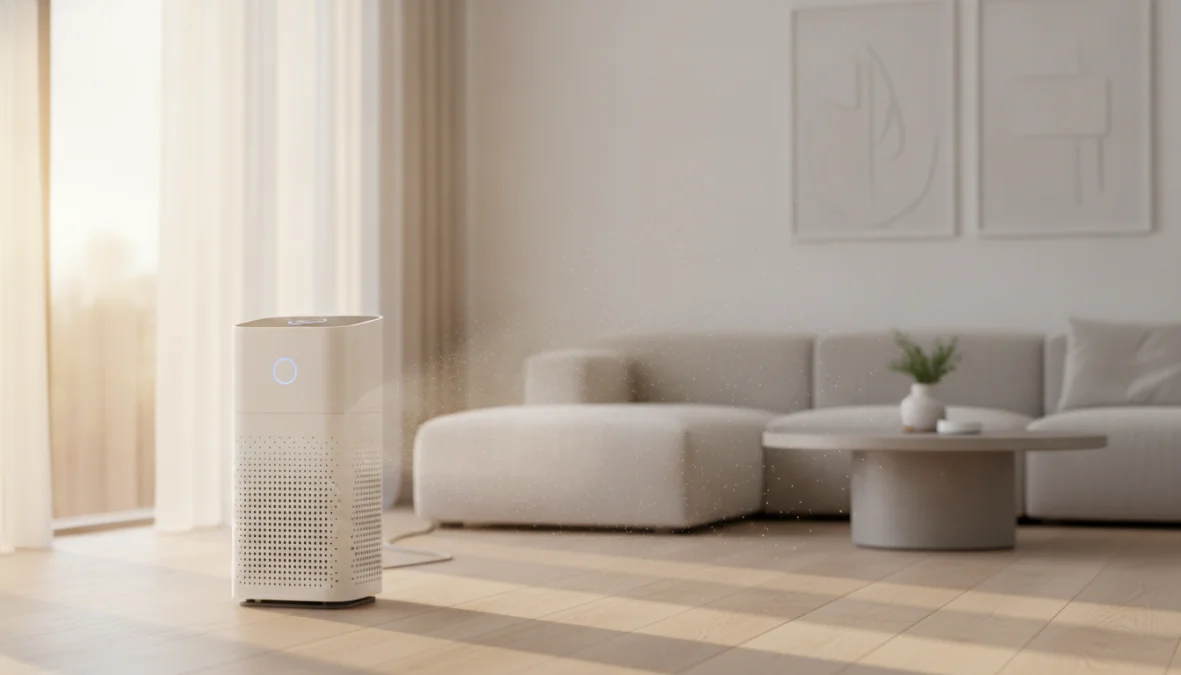
If you’ve been sneezing your way through spring or waking up with a stuffy nose, you’ve probably heard that a HEPA air purifier could help. But with dozens of options on the market—all claiming to offer the “best” filtration—how do you actually choose the right one? This hepa filter guide breaks down everything you need to know, from understanding what makes a filter “true HEPA” to selecting the perfect air purification system for your home’s specific needs.
What is a HEPA Filter and How Does It Work?
HEPA stands for High-Efficiency Particulate Air, and it’s the gold standard in particle filtration. A true HEPA filter must capture at least 99.97% of particles as small as 0.3 microns—that includes dust mites, pollen, pet dander, and even some bacteria. To put that in perspective, a human hair is about 70 microns wide, so we’re talking about incredibly tiny stuff.
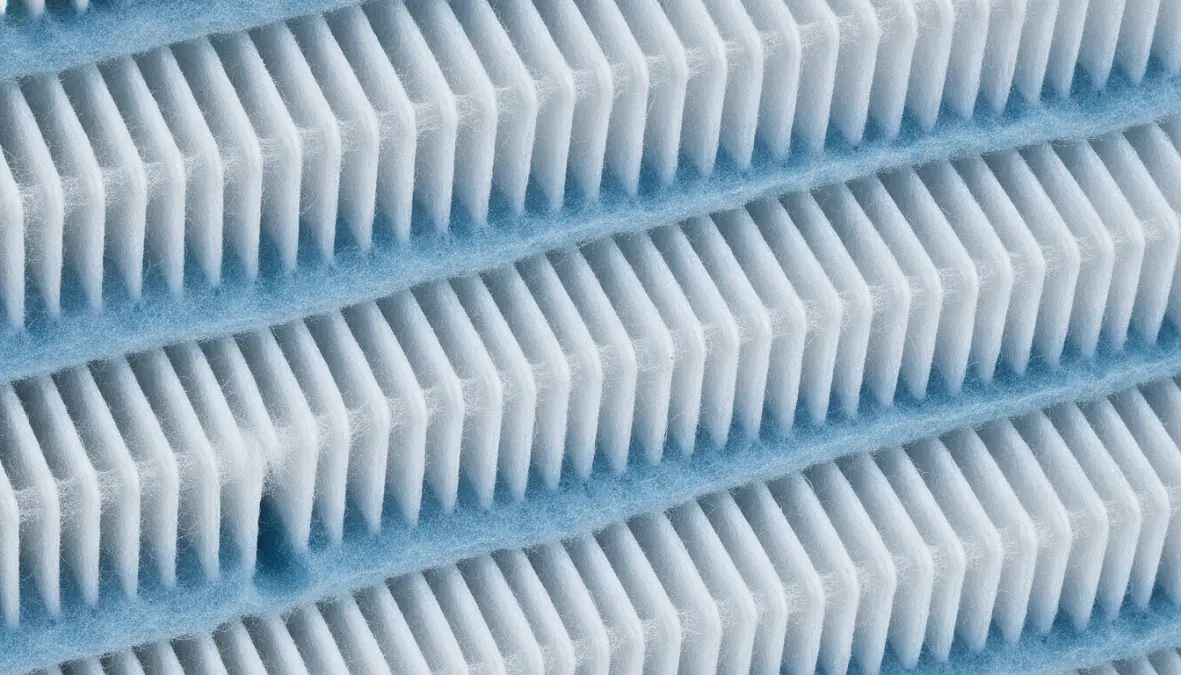
The hepa filtration system works through three mechanisms: interception (particles follow airflow and stick to fibers), impaction (larger particles crash into fibers), and diffusion (smallest particles zigzag and eventually hit fibers). This multi-layered approach is what makes HEPA so effective at improving air quality.
When you compare hepa vs standard filter performance, the difference is dramatic. Standard furnace filters typically have a MERV rating of 1-4 and catch only large particles like dust and lint. HEPA filters, with their dense mat of random fibers, capture microscopic pollutants that standard filters miss entirely—making them essential for anyone serious about allergen removal and controlling indoor air pollution.
Types of HEPA Filters and Rating Systems Explained
Not all HEPA filters are created equal, and understanding hepa filter types can save you from buying an underperforming product. The European standard classifies HEPA filters from H10 to H14, based on efficiency. H13 and H14 are medical-grade filters used in hospitals, capturing 99.95% and 99.995% of particles respectively. Most residential hepa air purifier units use H13 filters, which strike a great balance between performance and airflow.
Understanding hepa filter ratings means knowing the difference between True HEPA, Medical Grade HEPA, and “HEPA-type” or “HEPA-like” filters. Only True HEPA and Medical Grade meet the strict 99.97% standard. HEPA-type filters might capture only 85-90% of particles—better than nothing, but not the real deal. For serious allergen removal and dust mite removal, don’t settle for anything less than certified True HEPA.
You’ll also see MERV ratings (1-16 scale used for HVAC filters) and CADR rating (Clean Air Delivery Rate, which measures how quickly a purifier cleans air). While MERV 13+ filters approach HEPA-level filtration, true HEPA still outperforms them. When choosing between filter types, consider your needs: standard allergies require H13 True HEPA, while immunocompromised individuals might benefit from H14 medical-grade filters.
True HEPA vs HEPA-Type: Understanding the Difference
This distinction is critical when shopping. True HEPA filters are tested and certified to meet the 0.3 micron rating standard. HEPA-type or HEPA-like filters haven’t been tested to this standard—manufacturers use these terms to suggest similar performance without certification. The difference between true hepa and hepa type can mean breathing significantly cleaner air or wasting money on marginal improvements. Always look for “True HEPA” or “H13” certification labels, and check for AHAM (Association of Home Appliance Manufacturers) verification to ensure you’re getting authentic performance that genuinely improves air quality.
How to Choose the Best HEPA Air Purifier for Your Needs
Now for the practical part of our hepa filter guide: actually selecting the best hepa filters for your home. Start with room size. Every hepa air purifier lists a maximum room coverage (usually in square feet). Match this to your space, then look at the CADR rating—higher numbers mean faster cleaning. For bedrooms, aim for at least 4-5 air changes per hour (ACH) to maintain clean air while you sleep.
When figuring out what to look for when buying hepa air purifier models, consider noise levels, especially for bedrooms. Many units list decibel ratings; anything under 50 dB on medium settings won’t disrupt sleep. Energy consumption matters too—look for Energy Star certification to avoid shocking electric bills. Don’t forget replacement filter costs; some best hepa filter for home use options have affordable filters that last 12 months, while others require expensive replacements every 6 months.
For specific needs, match your purifier accordingly. If you’re wondering are hepa filters worth it for allergies, the answer is absolutely yes—look for models with activated carbon pre-filters for comprehensive pet dander filtration and odor removal. Asthma sufferers benefit from units with medical-grade H14 filters. Pet owners need higher CADR ratings and carbon filters to handle dander and smells. For smoke, choose purifiers with substantial activated carbon layers alongside HEPA filtration.
Here’s a quick checklist for how to choose the right hepa filter: measure your room size, verify True HEPA certification, check CADR ratings match your space, compare filter replacement costs, read reviews about actual noise levels, and confirm the unit has a pre-filter to extend HEPA filter life. The hepa filter size guide for room generally recommends 200+ CADR for rooms up to 200 sq ft, 300+ CADR for 300 sq ft, and proportionally higher for larger spaces.
Key Features to Look for When Buying
The best hepa filters come in purifiers with thoughtful extras. Pre-filters catch larger particles like hair and dust, extending your expensive HEPA filter’s lifespan. Activated carbon filters work alongside HEPA for odor and VOC removal—essential for complete air cleaning. Smart features like air quality sensors, auto-mode, and app connectivity help optimize performance. Look for AHAM Verifide certification (proves manufacturers’ claims), Energy Star rating (saves money), and solid warranties (3+ years suggests manufacturer confidence). Understanding how effective are hepa filters means recognizing that the complete system—not just the HEPA element—determines real-world performance.
FAQ: Common Questions About HEPA Filters
How often should I replace HEPA filters? Most true HEPA filters last 12-18 months with normal use, but check your manufacturer’s guidelines. Pre-filters need changing every 3 months. If you notice reduced airflow or persistent odors, replace sooner.
Do HEPA filters remove odors? No, HEPA captures particles, not gases or odors. For smells, you need activated carbon filtration. Many quality hepa filtration system units combine both technologies.
Can HEPA filters capture viruses? Yes! True HEPA filters can trap particles as small as 0.1 microns, which includes many airborne viruses. While not a substitute for other precautions, they significantly reduce airborne pathogen concentration.
Are expensive HEPA purifiers worth it? Not always. Mid-range units from reputable brands often perform as well as premium models. Focus on CADR ratings, room size match, and filter costs rather than price alone.
Washable vs replaceable filters—which is better? Replaceable HEPA filters maintain consistent efficiency. Washable filters sound economical but don’t achieve true HEPA standards and degrade with washing. For serious air quality, replaceable is worth the investment.
Choosing the right air purification system doesn’t have to be overwhelming. By focusing on True HEPA certification, matching CADR ratings to your space, and considering your specific needs—whether that’s allergies, pets, or general air quality—you can find a system that genuinely makes breathing easier. Much like how proper circadian lighting optimizes your indoor environment for better health, the right HEPA purifier transforms your home’s air into a cleaner, healthier atmosphere. Your lungs will thank you.