Kintsukuroi Philosophy: The Japanese Art of Embracing Imperfection and Finding Beauty in Brokenness
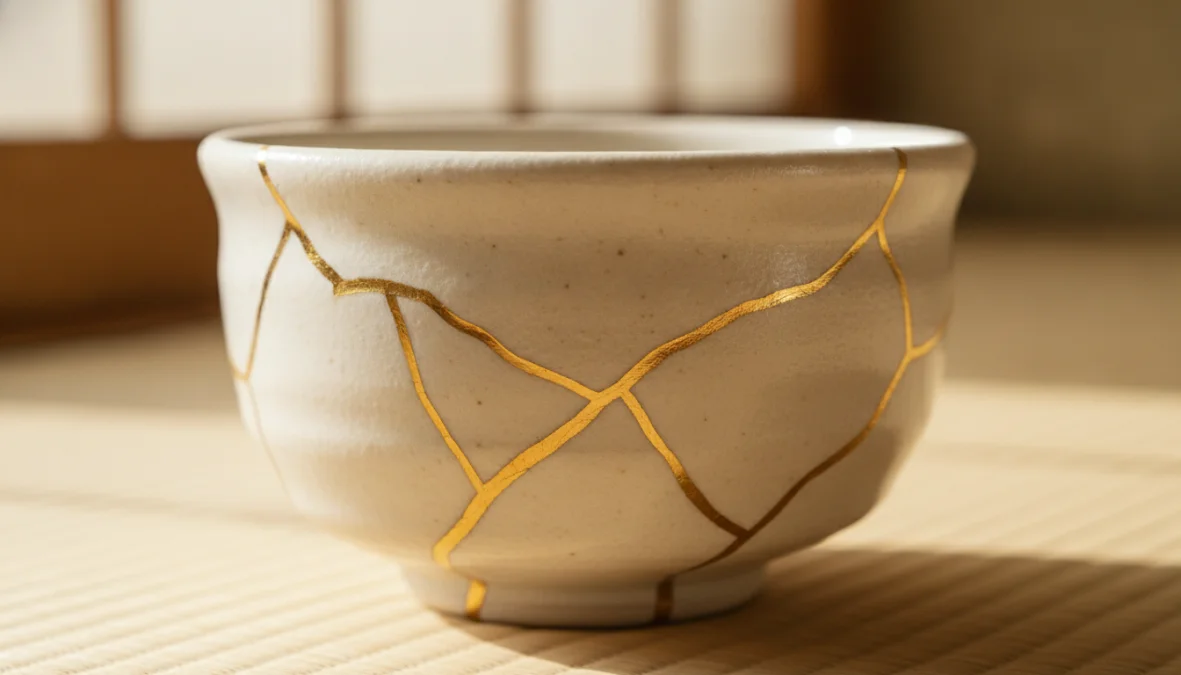
We live in a world obsessed with perfection. Social media feeds overflow with flawless images, products are discarded at the first sign of wear, and we’re taught to hide our scars—both physical and emotional. But what if there was a different way? What if kintsukuroi philosophy taught us that brokenness doesn’t diminish value, but rather enhances it? This ancient Japanese practice of repairing broken pottery with golden lacquer offers a profound metaphor for how we can approach our own lives, relationships, and healing journeys.
What Is Kintsukuroi Philosophy? Understanding the Art of Golden Repair
At its core, kintsukuroi philosophy refers to the Japanese practice of repairing broken ceramics with lacquer mixed with powdered gold, silver, or platinum. The terms kintsugi and kintsukuroi are often used interchangeably—kintsugi literally means “golden joinery,” while kintsukuroi translates to “golden repair.” Though subtle, the difference lies in emphasis: kintsugi focuses on the joining technique, while kintsukuroi highlights the restoration process itself.
This remarkable japanese repair technique emerged during Japan’s Muromachi period in the 15th century. Legend tells of Shogun Ashikaga Yoshimasa, who sent a damaged tea bowl back to China for repairs. When it returned mended with unsightly metal staples, Japanese craftsmen sought a more aesthetically pleasing solution. They developed a method using urushi lacquer—a natural resin from lacquer trees—mixed with precious metal powders to create beautiful, visible seams.
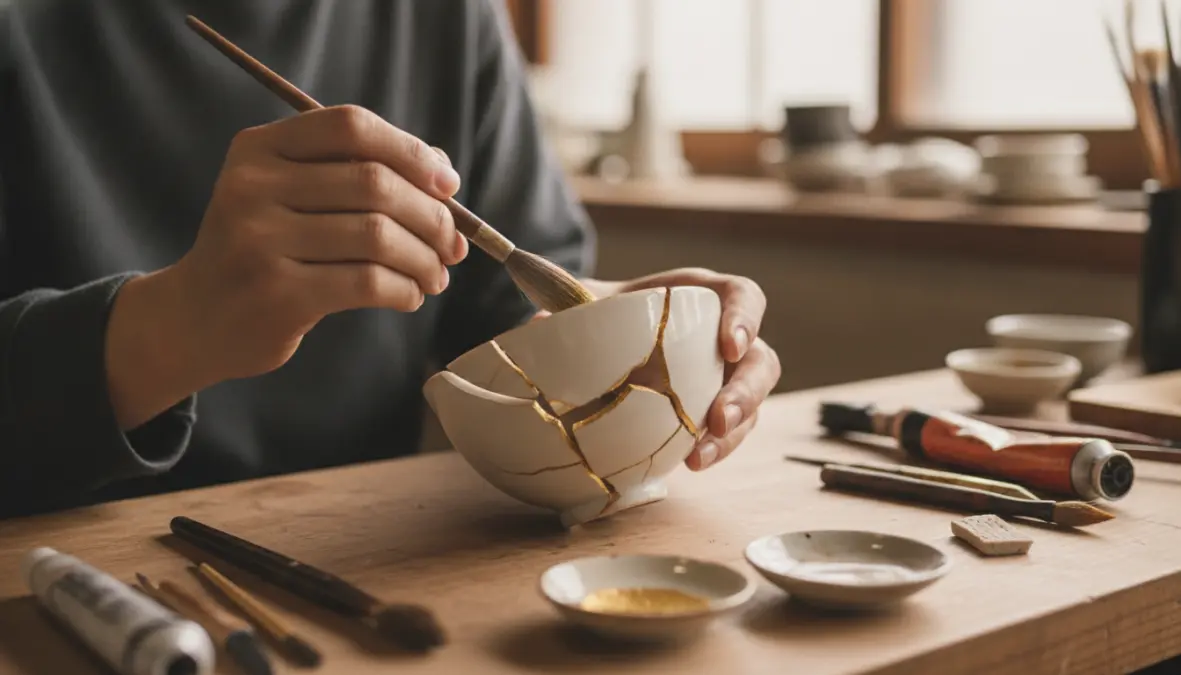
The process of golden joinery is meticulous and meaningful. Artisans carefully collect every fragment of the broken pottery, clean the edges, and apply multiple layers of urushi lacquer to bond the pieces. Before the final layer dries completely, they dust it with gold powder, creating luminous veins that highlight rather than hide the breaks. The repaired piece becomes more valuable and beautiful than the original—not despite its fractures, but because of them. This kintsugi art embodies a revolutionary idea: embracing imperfection as an integral part of an object’s history and beauty.
The Philosophy Behind Kintsukuroi: Wabi-Sabi and Embracing Imperfection
Understanding kintsukuroi philosophy requires exploring its deep connection to wabi sabi philosophy, a cornerstone of japanese aesthetic philosophy. Wabi-sabi celebrates beauty in impermanence, incompleteness, and imperfection. It finds elegance in weathered wood, asymmetrical pottery, and the natural aging process. Where Western culture often prizes the pristine and eternal, wabi-sabi embraces transience and authenticity.
The kintsugi meaning extends far beyond pottery restoration. It intertwines with several Japanese philosophical concepts: mottainai (regret over waste, encouraging us to honor and preserve rather than discard), mushin (acceptance of change and fate), and mono no aware (the bittersweet appreciation of temporary beauty). Together, these principles create a worldview that values resilience and transformation over replacement.
When a ceramic piece breaks and undergoes golden lacquer repair, it gains something it never had before: a unique story etched in gold. Each crack pattern is unrepeatable, making every repaired piece one-of-a-kind. This acceptance of flaws represents a radical departure from Western approaches to damage. In many cultures, we hide imperfections—think of concealer for blemishes, paint over wall cracks, or airbrushed photographs. We’re conditioned to pursue an impossible standard of flawlessness.
Japanese pottery restoration through kintsugi takes the opposite approach. It proclaims that our breaks and repairs are nothing to be ashamed of. Instead, they’re proof of survival, markers of experience, and sources of distinctive character. The golden seams don’t just repair—they illuminate. They transform damage into design, weakness into wonder. This philosophy acknowledges that nothing lasts forever, nothing is ever finished, and nothing is perfect—and that’s precisely where beauty in brokenness resides.
The contrast with Western mentality is striking. We often discard what’s damaged, believing it loses value. We hide our struggles behind perfect façades. But kintsukuroi suggests vulnerability is valuable. It teaches that showing where we’ve been broken and how we’ve healed doesn’t diminish us—it makes us more authentic, more interesting, more human.
From Broken Pottery to Life Lessons: Applying Kintsukuroi to Personal Growth
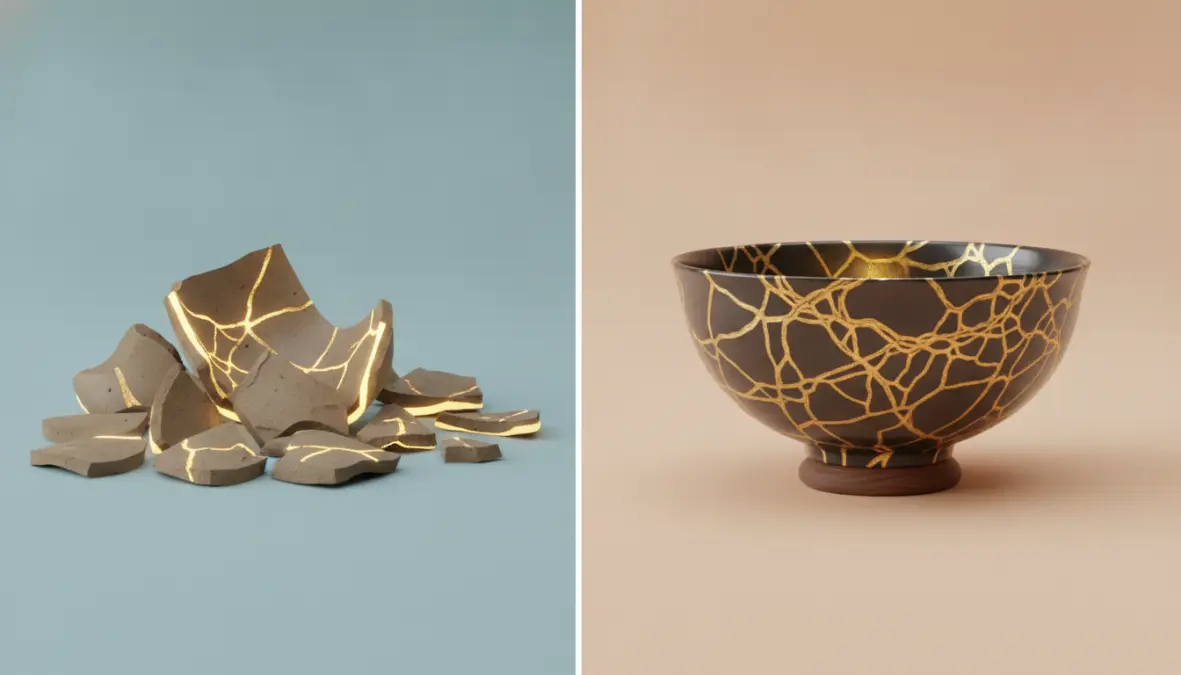
The real power of kintsukuroi philosophy emerges when we apply it as a kintsukuroi metaphor for healing in our daily lives. Just as broken pottery can be transformed through golden repair, our own fractures—emotional wounds, failed relationships, career setbacks, mental health struggles—can become sources of strength and beauty through resilience and transformation.
Learning how to apply kintsugi to life starts with reframing how we view our scars. That divorce that shattered your heart? It taught you boundaries and self-worth. The job you lost? It redirected you toward more fulfilling work. The anxiety you battle? It’s developed your empathy and depth. Embracing imperfection through kintsukuroi means recognizing that these experiences haven’t diminished your value—they’ve enhanced your wisdom, compassion, and character.
In relationships, this philosophy encourages kintsukuroi teaches self acceptance by normalizing conflict and repair. Couples who work through difficulties often develop stronger bonds than those who never face challenges. The gold in these relationships is trust rebuilt, communication improved, and intimacy deepened. In career contexts, professionals who’ve experienced failure often make better leaders because they understand struggle. Their setbacks become their greatest teachers.
For mental health, kintsugi philosophy in modern life offers a compassionate framework. Rather than viewing depression, anxiety, or trauma as defects to hide, kintsukuroi invites us to acknowledge our healing journey as part of our beauty. Therapy, medication, and self-care aren’t shameful—they’re the gold that helps us repair and shine brighter. Just as perfectly intact pottery tells no story, a life without challenges reveals little depth. Our breaks, when honored and repaired with care, create the most compelling narratives.
Frequently Asked Questions About Kintsukuroi Philosophy
What’s the difference between kintsugi and kintsukuroi?
While often used interchangeably, kintsugi (金継ぎ) means “golden joinery” and emphasizes the joining technique, whereas kintsukuroi (金繕い) means “golden repair” and highlights the restoration process. Both refer to the same beautiful practice of mending broken pottery with precious metals.
How does kintsukuroi relate to wabi-sabi?
Kintsukuroi is a practical expression of wabi-sabi philosophy. While wabi-sabi celebrates beauty in imperfection, impermanence, and incompleteness as aesthetic principles, kintsukuroi actively demonstrates these values through the art of repair, honoring the object’s history rather than erasing it.
Can I practice kintsukuroi at home?
Yes! While traditional urushi lacquer requires expertise and can cause skin reactions, modern DIY kintsugi kits use food-safe epoxy resins mixed with gold mica powder. These make the practice accessible for beginners wanting to repair cherished ceramics or explore the philosophy hands-on.
What materials are used in traditional kintsugi art?
Authentic Japanese kintsugi uses urushi lacquer (natural tree sap), rice flour or tonoko powder for filling, and genuine gold, silver, or platinum powder. The process requires multiple applications over weeks, with each layer carefully dried before the next is applied.
The kintsukuroi philosophy reminds us that we don’t have to be perfect to be valuable. Our cracks, whether in pottery or in life, tell stories of survival and resilience. They prove we’ve lived, loved, struggled, and endured. In a culture that constantly pushes us toward unattainable perfection—much like society’s complex relationship with progress illustrated in debates around modern developments—perhaps the most radical act is to embrace our brokenness and illuminate it with gold. Your scars aren’t flaws to hide; they’re seams of precious metal that make you irreplaceable, beautiful, and completely, authentically you.