HIIT Benefits Science: How High-Intensity Interval Training Transforms Your Body

Ever wonder why professional athletes, fitness influencers, and even your neighbor who dropped 20 pounds swear by those short, intense bursts of exercise? The hiit benefits science reveals something fascinating: you don’t need endless hours on the treadmill to transform your body. High-Intensity Interval Training (HIIT) has turned conventional fitness wisdom on its head, and the research backing it up is pretty mind-blowing.
Let’s dive into what actually happens inside your body when you push yourself through those challenging intervals—and why science says it works so incredibly well.
What Makes HIIT So Effective: The Scientific Foundation
So, what does science say about hiit? At its core, HIIT involves short bursts of maximum-effort exercise followed by brief recovery periods. Think 30 seconds of all-out sprinting, then 30 seconds of walking, repeated multiple times. Simple concept, extraordinary results.
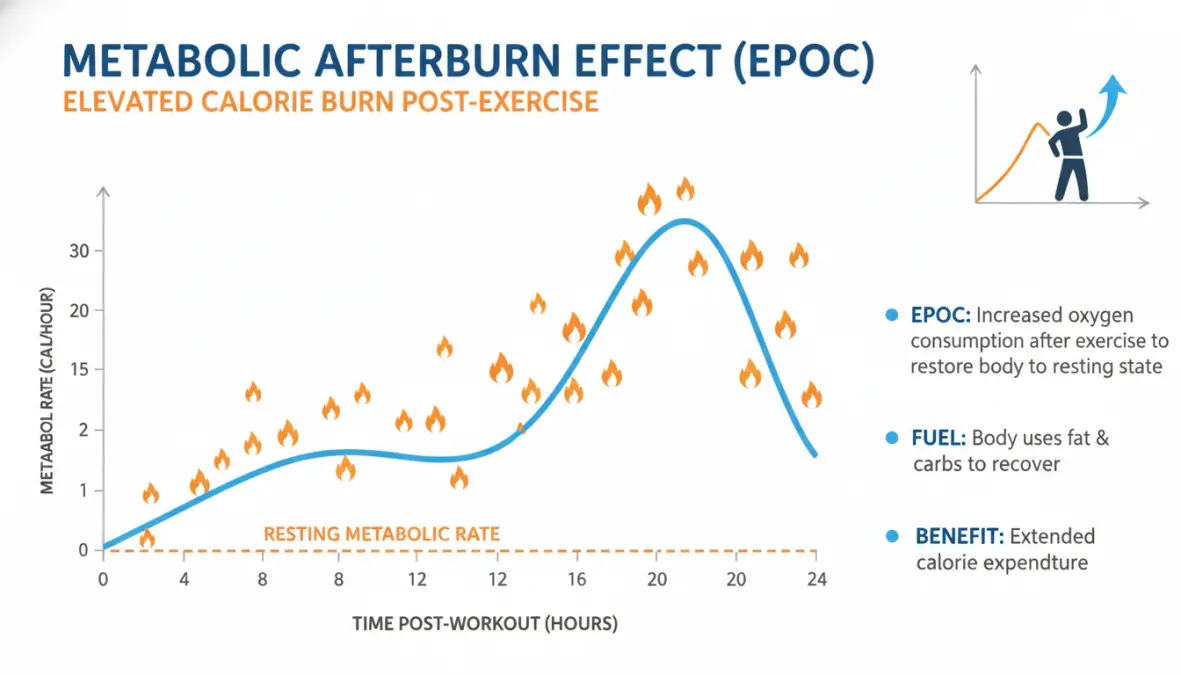
The magic happens through a phenomenon called excess post-exercise oxygen consumption (EPOC), often called the “afterburn effect.” When you push your body into that uncomfortable zone, you create an oxygen deficit that your body scrambles to repay afterward. A landmark study published in the Journal of Applied Physiology found that HIIT sessions can elevate metabolism for up to 24 hours post-workout—meaning you’re burning calories long after you’ve showered and changed.
High intensity interval training research from McMaster University demonstrated that just six sessions of HIIT over two weeks produced metabolic changes comparable to several weeks of traditional endurance training. Another study in Cell Metabolism showed that HIIT triggers mitochondrial biogenesis—basically, your cells create new energy-producing powerhouses. These aren’t marginal improvements; we’re talking about measurable increases in anaerobic capacity, improved lactate threshold, and enhanced cardiac output in remarkably short timeframes.
The physiological stress of interval training scientific studies shows that pushing to 80-95% of your maximum heart rate forces rapid adaptations that steady-state exercise simply doesn’t trigger as efficiently.
Key HIIT Workout Benefits: From Metabolism to Cardiovascular Health
The hiit workout benefits extend far beyond just burning calories. Let’s break down the major advantages that make this training method so transformative.
Metabolic Advantages and Fat Burning
Here’s where things get interesting. The hiit metabolism effects are profound and multi-layered. That EPOC we mentioned? Research indicates it can increase your metabolic rate by 6-15% for hours after your workout ends. A study in the Journal of Obesity found that participants burned an additional 100-200 calories in the 24 hours following a HIIT session compared to steady-state cardio.
But it’s not just about immediate calorie burn. HIIT dramatically improves insulin sensitivity—a 2017 study showed significant improvements in just two weeks. This means your body becomes more efficient at processing glucose and storing it as energy rather than fat. The best hiit workout duration for fat loss research suggests that sessions between 15-30 minutes can be remarkably effective, with some studies showing comparable fat loss to 60-90 minutes of traditional cardio.
What’s truly fascinating is how HIIT preferentially targets visceral fat—the dangerous stuff wrapped around your organs. Multiple studies have demonstrated greater reductions in abdominal fat with HIIT compared to moderate-intensity continuous training, even when total calorie expenditure was similar.
Cardiovascular and Muscular Improvements
The hiit cardiovascular benefits are equally impressive. Studies consistently show that HIIT produces greater improvements in VO2 max improvement—your body’s maximum oxygen utilization capacity—than traditional endurance training. A meta-analysis of 65 studies found that HIIT increased VO2 max by an average of 8-12% in just 8-12 weeks.
Your heart literally becomes more efficient. Research shows increased stroke volume (the amount of blood your heart pumps per beat) and improved overall cardiac function. The rapid heart rate fluctuations during HIIT intervals train your cardiovascular system to adapt quickly, enhancing overall cardiovascular flexibility.
Unlike traditional cardio, HIIT also preserves—and can even build—muscle mass while burning fat. The high-intensity nature stimulates both Type I (endurance) and Type II (power) muscle fibers, creating a more balanced muscular development. The metabolic adaptation includes increased mitochondrial density in muscle tissue, essentially upgrading your muscles’ energy-producing capacity. For those interested in optimizing overall health through various evidence-based approaches, check out our guide on biohacking for beginners.
HIIT vs Steady State Cardio: What Research Reveals
The hiit vs steady state cardio debate has been extensively studied, and the results might surprise you. Let’s look at what the research actually shows:
Time Efficiency: HIIT delivers comparable or superior results in 50-75% less time. A study comparing 20 minutes of HIIT to 40 minutes of steady-state cardio found similar cardiovascular improvements with half the time investment. The hiit time efficiency makes it ideal for busy schedules.

Fat Loss: Research published in the British Journal of Sports Medicine found that HIIT reduced body fat by 28.5% more than moderate-intensity continuous training. The scientific evidence for hiit benefits shows it’s particularly effective for stubborn abdominal fat.
Cardiovascular Adaptations: While both improve heart health, HIIT produces greater increases in VO2 max and metabolic rate. However, steady-state cardio excels at building pure aerobic endurance for long-duration activities.
Sustainability: Here’s the catch—HIIT is physically and mentally demanding. You can’t (and shouldn’t) do it daily. Most research suggests 2-3 HIIT sessions per week, while steady-state cardio can be done more frequently with less recovery needed.
So why is hiit more effective than cardio? It’s not always—it depends on your goals. HIIT wins for time-efficiency, fat loss, and metabolic improvements. Steady-state wins for recovery days, pure endurance building, and when you simply enjoy longer, meditative workouts. Just as understanding your chronotype helps optimize sleep, knowing when to use each training method optimizes fitness results.
The answer? Most research suggests using both strategically, with HIIT as your primary fat-burning and fitness tool, and steady-state for active recovery and aerobic base building.
FAQ: Common Questions About HIIT Science
How long should HIIT workouts be? Research indicates that 15-30 minutes (including warm-up) is optimal. Studies show diminishing returns beyond 30 minutes, and the intensity becomes difficult to maintain. Quality over quantity is key.
How many times per week should you do HIIT? Most high intensity interval training research recommends 2-3 sessions weekly. Your body needs 48-72 hours to fully recover from the metabolic stress. Overdoing it can lead to overtraining and increased injury risk.
Is HIIT safe for beginners? Yes, but with modifications. Beginners should start with lower intensity intervals and longer recovery periods. A 1:2 or 1:3 work-to-rest ratio (e.g., 20 seconds work, 40-60 seconds rest) allows adaptation without overwhelming the system.
How quickly can you see results? Studies show measurable improvements in as little as 2-4 weeks. How long does hiit take to show results varies individually, but most people notice increased energy and fitness within the first month, with visible body composition changes by 6-8 weeks.
Why is HIIT more effective than regular cardio? The combination of EPOC, metabolic adaptation, and time efficiency creates a powerful synergy. How does hiit improve fitness quickly? By forcing rapid physiological adaptations that moderate-intensity exercise simply doesn’t trigger as efficiently.
The science is clear: HIIT represents one of the most efficient ways to transform your body and health. The hiit benefits science shows that those short, intense bursts create metabolic and cardiovascular changes that hours of traditional cardio struggle to match. Whether you’re looking to shed fat, improve heart health, or simply maximize your limited workout time, the research strongly supports incorporating HIIT into your routine. Just remember—intensity matters more than duration, recovery is essential, and consistency beats perfection. Ready to experience the transformation? Your body will thank you for it.