Lithium Extraction Impact: The Environmental Cost of EV Battery Production
Electric vehicles are often hailed as the green solution to our transportation crisis, but there’s a dirty secret lurking beneath those sleek, emission-free exteriors. The lithium extraction impact on our planet tells a more complicated story—one involving massive water consumption, ecosystem destruction, and communities fighting for their survival. Before we pat ourselves on the back for going electric, we need to understand what’s really happening in the remote salt flats and mines where this “white gold” comes from.
Understanding Lithium Extraction Impact: Methods and Scale
The global hunger for lithium is staggering. To put things in perspective, a single EV battery requires approximately 8 kilograms of lithium, while a smartphone needs less than a gram. With EV sales projected to multiply exponentially, we’re looking at a demand increase that’s nothing short of explosive. Currently, the world produces around 130,000 tons of lithium annually, with the bulk coming from Australia (hard rock mining), Chile, Argentina, and China (primarily brine extraction).
The lithium extraction impact varies dramatically depending on the method used. These aren’t small operations either—we’re talking about industrial-scale processes that reshape entire landscapes and consume resources at breathtaking rates. The extraction footprint for lithium dwarfs its competitors in the battery materials space, making it a critical environmental consideration.
Brine Extraction vs Hard Rock Mining
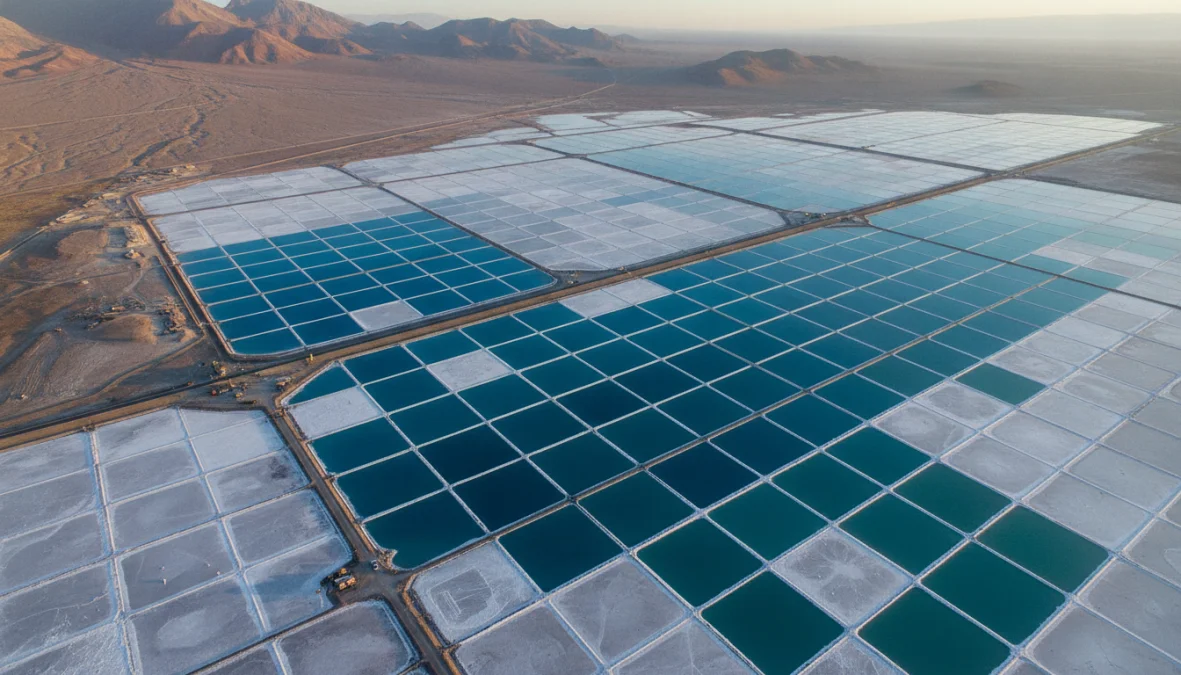
Let’s break down the two main methods. Brine extraction, dominant in South America’s “Lithium Triangle,” involves pumping lithium-rich saltwater from underground reservoirs into massive evaporation ponds. The liquid sits for 12-18 months under the sun until the lithium concentrate can be harvested. It sounds passive, but it’s incredibly water-intensive and slow.
Hard rock mining, primarily used in Australia, involves traditional mining operations where lithium-containing minerals like spodumene are extracted, crushed, and processed using heat and chemicals. It’s faster and more efficient in terms of yield, but generates significant CO2 emissions—around 15 tons per ton of lithium produced. The choice between methods often comes down to geology rather than environmental preference, though brine extraction is generally considered less carbon-intensive despite its massive water requirements.
Major Environmental Consequences of Lithium Mining
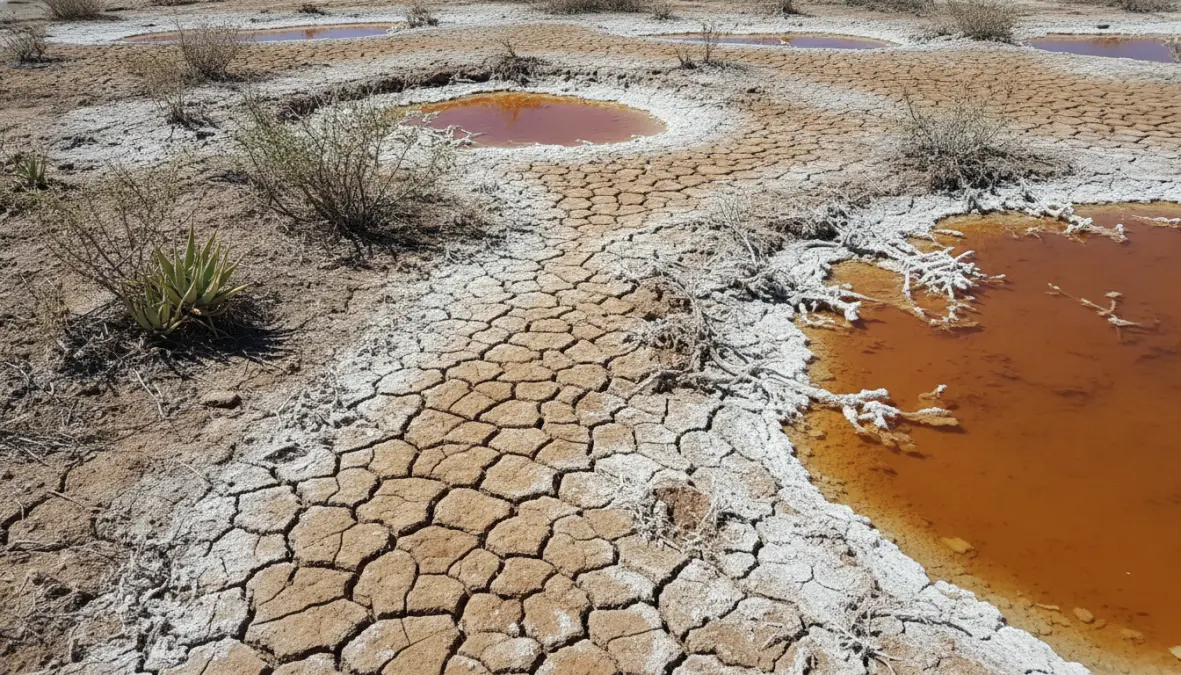
Here’s where things get really concerning. The environmental cost of lithium mining extends far beyond simple land disruption. In Chile’s Salar de Atacama—the world’s driest desert and a major lithium source—mining operations consume approximately 500,000 gallons of water per ton of lithium extracted. That’s roughly 65% of the region’s water supply going to mining activities in an area where water is literally more precious than oil.
The water depletion problem cascades into everything else. As aquifers drop, local ecosystems collapse. Flamingo populations in the Atacama have declined as the lagoons they depend on shrink. In Tibet’s salt lakes, similar operations have led to contamination of pastoral lands with chemicals used in processing, making them unsuable for traditional grazing.
But it’s not just about quantity—it’s quality too. Lithium mining introduces toxic chemicals into groundwater systems. Sulfuric acid, hydrochloric acid, and lime are standard in processing, and when containment fails (which happens more often than companies admit), these pollutants seep into aquifers that communities depend on for drinking water and irrigation. In Nevada’s Clayton Valley, monitoring has detected elevated levels of antimony and arsenic in water sources near extraction sites.
The carbon footprint is substantial too. While solid-state batteries promise to eventually reduce our lithium dependency, current extraction and processing contribute an estimated 3-6 tons of CO2 per ton of lithium carbonate produced. That’s before the battery is even manufactured.
Impact on Local Communities and Indigenous Rights
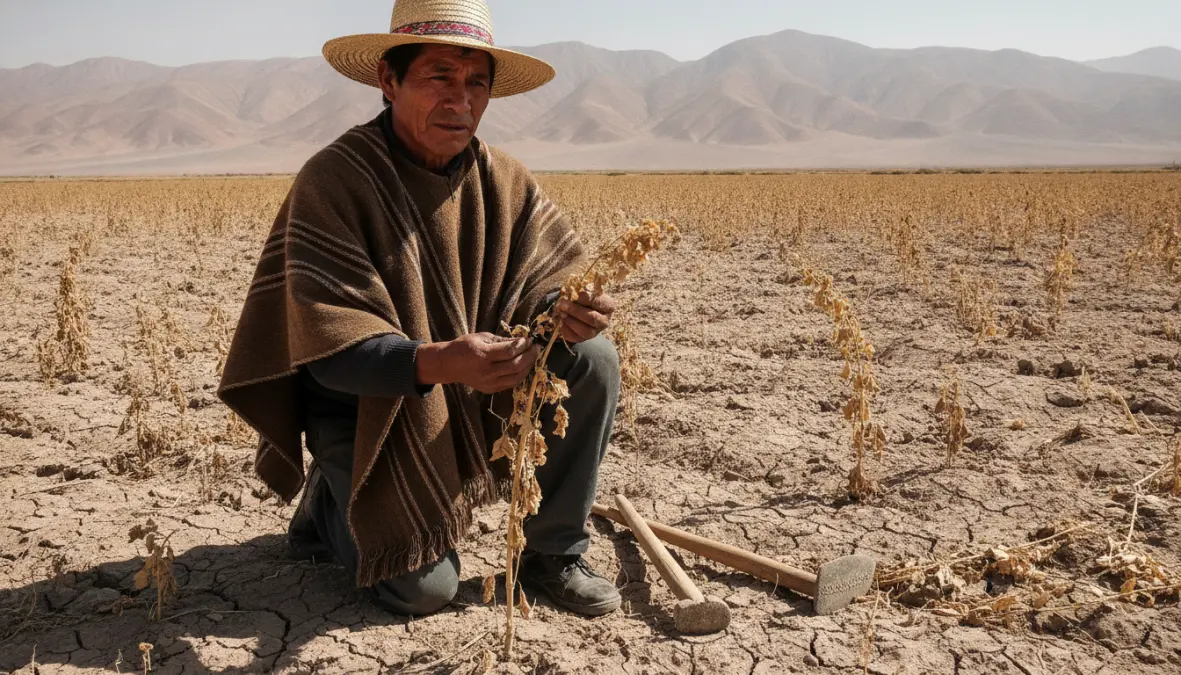
The human cost of the lithium extraction impact is perhaps most troubling. In Argentina’s Jujuy province, indigenous communities report that quinoa crops—a staple food source for centuries—are failing because irrigation water has become too contaminated. Farmers in the Atacama region have watched their ancestral lands transform from productive agricultural zones into barren, chemical-laden wastelands.
What’s particularly frustrating for these communities is the lack of meaningful consultation. Many mining concessions were approved without free, prior, and informed consent from indigenous groups, violating international standards. In some cases, communities discovered operations already underway on lands they’d used for generations. The economic benefits rarely trickle down either—most profits flow to multinational corporations and distant shareholders while locals struggle with depleted resources and disrupted livelihoods.
Balancing Progress: Solutions and the Path Forward
Before we throw up our hands in despair, it’s important to recognize that solutions are emerging. Direct Lithium Extraction (DLE) technology represents a potential game-changer. Unlike traditional brine extraction that takes over a year, DLE can extract lithium in hours or days using specialized filters and membranes, reducing water consumption by up to 90%. Companies in California and Germany are piloting these systems, though they’re not yet economically viable at scale.
Geothermal lithium extraction is another promising avenue. Germany’s Upper Rhine Valley is testing facilities that extract lithium from geothermal brine—a waste product of renewable energy production. Talk about efficiency synergy.
Battery recycling is criminally underutilized. Currently, less than 5% of lithium batteries are recycled, which is absurd when you consider that a recycled battery requires 50% less energy to produce than a new one from virgin materials. Companies like Redwood Materials are building infrastructure to change this, but we need regulatory frameworks that mandate recycling rather than merely encourage it.
Here’s the thing though: even with all these issues, EVs still come out ahead of internal combustion vehicles in lifecycle emissions analyses. The key is improving extraction practices, not abandoning electrification. Stricter environmental standards, transparent supply chains with third-party certification, and genuine community engagement aren’t optional extras—they’re essential prerequisites for a truly sustainable transition.
FAQ
Is lithium mining worse than oil drilling?
It’s complicated. Per unit of energy delivered, lithium mining has a smaller carbon footprint than oil extraction and refining. However, the water consumption and localized environmental damage can be more severe. Over a vehicle’s lifetime, EVs produce roughly half the emissions of gas cars, even accounting for battery production.
How much water does lithium extraction use?
Brine extraction uses approximately 500,000 gallons of water per ton of lithium produced. In regions like the Atacama Desert, this represents up to 65% of available water resources being diverted to mining operations.
Can lithium batteries be recycled?
Absolutely, and they should be. Current technology can recover up to 95% of lithium from old batteries. The problem is infrastructure and economics—currently, less than 5% actually gets recycled. This needs to change dramatically.
Are there alternatives to lithium for EV batteries?
Several alternatives are in development, including sodium-ion, aluminum-ion, and solid-state batteries. Sodium-ion batteries are already entering production for certain applications, though they have lower energy density. None are ready to fully replace lithium yet, but diversification is coming.
The transition to electric vehicles is necessary, but it can’t come at the expense of vulnerable communities and ecosystems. As consumers, we should demand better—transparent supply chains, strict environmental standards, and genuine investment in recycling infrastructure. The lithium extraction impact is real and significant, but it’s also a problem we have the technology and knowledge to solve. We just need the collective will to do it.