Molecular Farming: How Genetically Modified Plants Are Revolutionizing Pharmaceutical Production
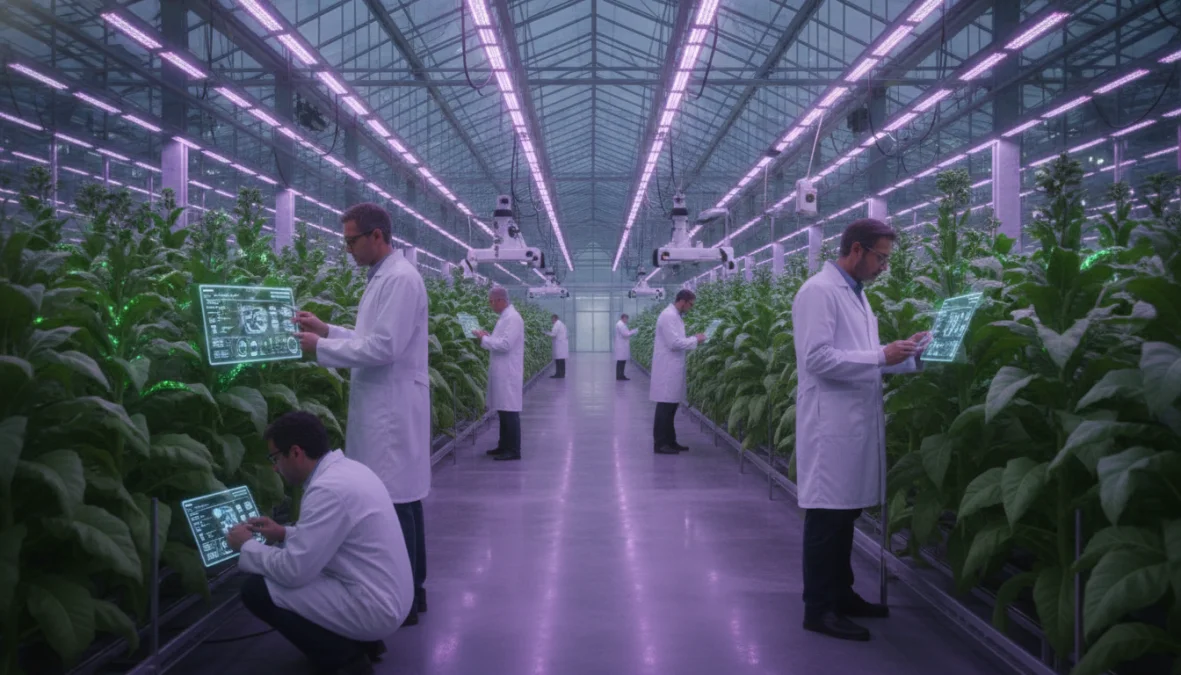
Imagine a future where your flu shot grows on a tobacco plant, or life-saving antibodies are harvested from genetically modified corn. Sound like science fiction? It’s not. Welcome to the fascinating world of molecular farming, where plants are transforming from simple food sources into sophisticated biological factories capable of producing complex pharmaceuticals. This emerging field of plant biotechnology is quietly revolutionizing how we manufacture medicines, vaccines, and therapeutic proteins—and it might just solve some of healthcare’s biggest challenges.
What Is Molecular Farming and How Does It Work?
At its core, molecular farming (also called biopharming or molecular pharming) is the practice of growing medicines in genetically modified plants. Unlike traditional agriculture that focuses on food production, this innovative approach transforms plants into living plant bioreactors—essentially turning crops into pharmaceutical factories that can manufacture complex therapeutic molecules.
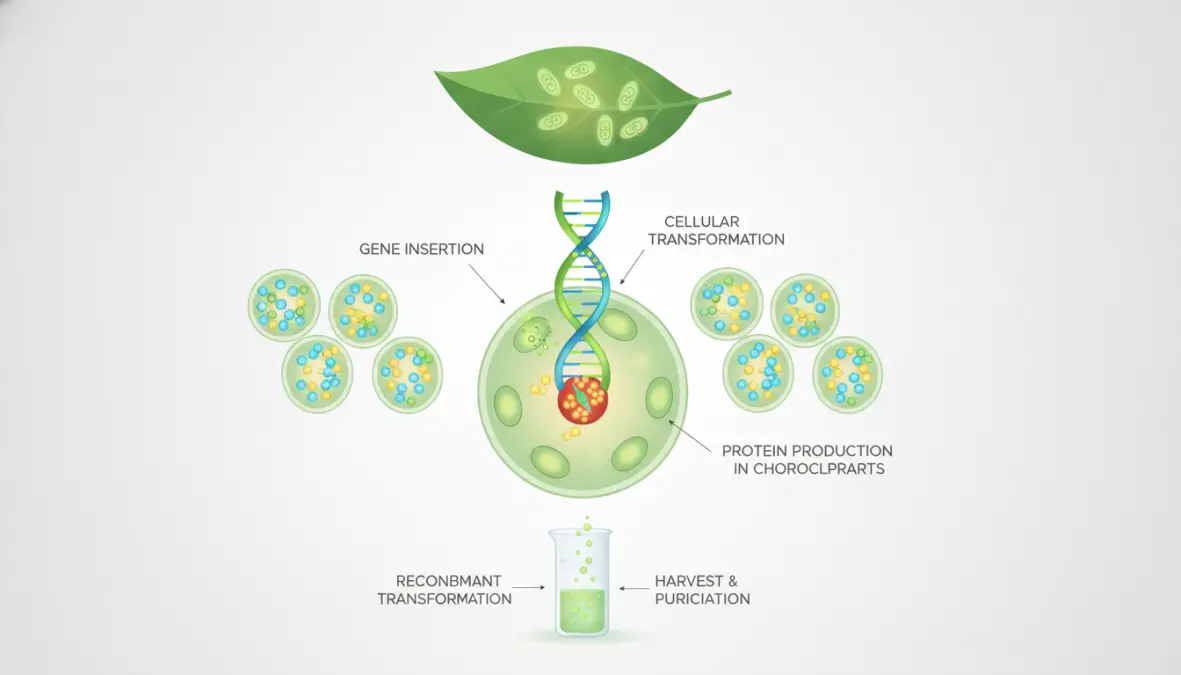
The process begins with genetic engineering: scientists identify a gene responsible for producing a desired therapeutic protein (like an antibody or vaccine component) and insert it into a plant’s DNA. Once integrated, the plant’s cellular machinery reads this genetic blueprint and starts manufacturing the target protein, just as it would produce its own natural proteins. These recombinant proteins in plants can then be extracted, purified, and formulated into medicines.
What makes transgenic plants so attractive as bioreactors? They offer something that traditional pharmaceutical manufacturing can’t match: the ability to scale up production simply by planting more seeds. While conventional drug factories require massive steel tanks and complex infrastructure, plant-based systems literally grow on farms. This represents a fundamental shift in how we think about pharmaceutical production in transgenic crops.
The Science Behind Plant-Made Pharmaceuticals
The technical process behind plant-made pharmaceuticals involves several sophisticated steps. First, scientists must choose the right vector—typically a modified virus or bacterium like Agrobacterium—to deliver the therapeutic gene into plant cells. Then comes the crucial decision of selecting the host plant and expression system.
Popular choices include tobacco (fast-growing and high biomass), corn and rice (scalable commodity crops), and even lettuce or tomatoes (potential for edible vaccines). Researchers can target protein expression to different cellular compartments: the nucleus offers easier genetic modification, while chloroplast expression provides higher protein yields and better containment since chloroplasts aren’t typically present in pollen.
Once the plants produce the desired proteins, downstream processing becomes essential. This involves harvesting the plant material, breaking down cell walls, extracting the target molecules, and purifying them to pharmaceutical standards—removing plant-specific compounds while preserving the therapeutic protein’s structure and function.
Key Advantages Over Traditional Manufacturing
Why choose genetically engineered plants for medicine production over conventional methods? The advantages are compelling. First, there’s cost-effectiveness: plants require only sunlight, water, and nutrients to grow, making biopharmaceutical production potentially 10-100 times cheaper than traditional cell culture systems. No expensive bioreactor maintenance, no costly growth media.
Safety represents another major benefit. Unlike mammalian cell cultures that can harbor human pathogens, or bacterial systems that may contain endotoxins, plants don’t carry diseases that affect humans. This inherent biosafety makes plant expression systems for therapeutic proteins particularly attractive for vaccine production.
Scalability and sustainability also shine in plant-based systems. Need more product? Simply plant more acres. This agricultural approach to drug manufacturing could prove revolutionary for addressing global health needs, similar to how vertical farming is transforming food security. Plants also have minimal environmental impact compared to traditional pharmaceutical manufacturing, which generates significant chemical waste.
Current Applications and Success Stories in Biopharming
The potential of molecular pharming isn’t just theoretical—real products are already making their way from greenhouse to clinic. One of the most celebrated examples is ZMapp, an antibody cocktail produced in tobacco plants that showed promising results treating Ebola patients during the West African outbreak. This plant-based vaccine component demonstrated how quickly plant systems could respond to emerging health crises.
More recently, Canadian biotech company Medicago developed a COVID-19 vaccine using virus-like particles produced in Nicotiana benthamiana plants. This plant-made vaccine received regulatory approval in Canada, marking a watershed moment for the field and proving that cost-effective vaccine production in plants isn’t just possible—it’s practical.
Therapeutic antibodies represent another major application area. Monoclonal antibodies for treating cancer, autoimmune diseases, and infections can be produced in transgenic crops at a fraction of the cost of conventional methods. Companies are also developing plant-derived enzymes for treating rare genetic disorders, where traditional manufacturing costs make treatments prohibitively expensive.
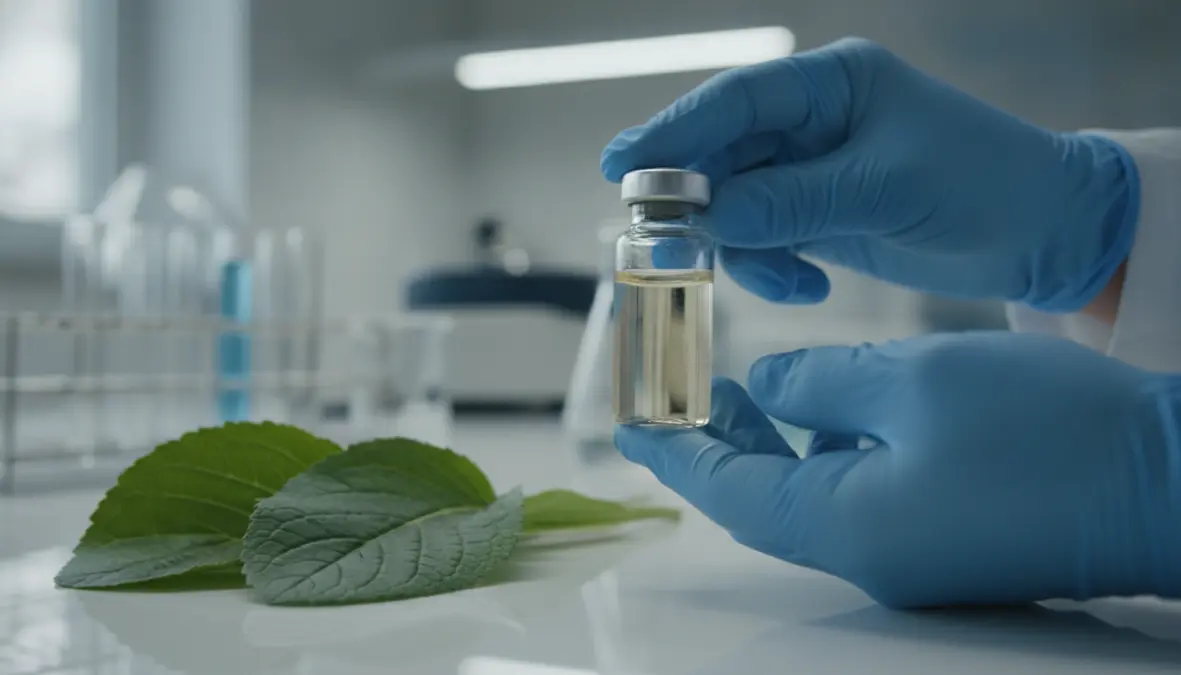
Looking at the broader landscape, researchers are working on plant-produced insulin, interferons, growth factors, and even complex proteins for treating hemophilia and Gaucher’s disease. The impact on global health access could be transformative, particularly for developing countries where expensive biologics remain out of reach for most patients.
Challenges, Safety Considerations, and Future Outlook
Despite its promise, molecular farming faces significant hurdles. Regulatory approval remains perhaps the biggest challenge. Agencies like the FDA and EMA have strict standards for pharmaceutical manufacturing, and proving that plant-derived medicines meet these standards requires extensive testing and documentation. The regulatory pathway for biopharming products is still evolving, creating uncertainty for investors and developers.
Public perception of GMOs presents another obstacle. Many people remain skeptical about transgenic plants, even when they’re used for medicine rather than food. This resistance can complicate both regulatory approval and market acceptance, despite the technology’s safety profile.
Containment and biosecurity concerns are legitimate. Pharmaceutical crops must be completely separated from food crops to prevent accidental mixing. This requires dedicated facilities, strict protocols, and often greenhouse production rather than open-field cultivation. Issues like glycosylation patterns—the sugar molecules attached to proteins—can also differ between plants and humans, potentially affecting drug efficacy or triggering immune responses.
Production variability poses technical challenges too. Unlike controlled bioreactors, plants can respond to environmental conditions, potentially affecting protein yields and consistency. Standardizing production across batches requires careful quality control.
Looking forward, the future appears bright. New genetic engineering tools like CRISPR are making plant modification faster and more precise. The global market for plant-made pharmaceuticals is projected to grow substantially as more products gain approval. Applications are expanding beyond vaccines and antibodies into personalized medicine, with researchers exploring how plants might produce patient-specific therapies.
The convergence of plant biotechnology with other emerging fields—much like how bioprinting is revolutionizing organ transplants—suggests we’re only scratching the surface of what’s possible. As climate change and global health challenges intensify, the advantages of plant-based drug manufacturing become increasingly compelling.
FAQ
Are plant-made pharmaceuticals safe for humans?
Yes, when properly produced and purified, plant-made pharmaceuticals are safe. The proteins themselves are identical or very similar to those produced in other systems, and extensive purification removes plant materials. Regulatory agencies apply the same rigorous safety standards to plant-derived drugs as conventional pharmaceuticals. The absence of human pathogens in plants actually makes them safer than some traditional production methods.
What plants are commonly used in molecular farming?
Tobacco species (Nicotiana tabacum and N. benthamiana) are most popular due to fast growth and high biomass. Other common choices include corn, rice, wheat, potatoes, tomatoes, and lettuce. The selection depends on the specific protein, desired production scale, and whether researchers are exploring edible vaccine possibilities.
How much cheaper is biopharming compared to traditional methods?
Estimates suggest plant-based systems can reduce production costs by 10-100 times compared to mammalian cell cultures. The exact savings depend on the specific protein and scale, but advantages of plant-based drug manufacturing include elimination of expensive growth media, simpler infrastructure, and agricultural scalability that dramatically reduces per-dose costs.
Can molecular farming help with global vaccine access?
Absolutely. The lower costs and simpler infrastructure make how molecular farming works in agriculture particularly suited for expanding vaccine access in developing countries. Plants can be grown locally, reducing cold chain requirements and dependency on expensive imported vaccines. This democratization of pharmaceutical production could significantly improve global health equity.
As we stand at the intersection of agriculture and biotechnology, molecular farming represents more than just a novel manufacturing technique—it’s a potential solution to making life-saving medicines accessible to billions. While challenges remain, the field’s rapid progress suggests that the pharmacy of the future might just look a lot like a farm. Perhaps it’s time we started thinking about healthcare through a different lens, one that recognizes plants not just as food sources but as partners in our quest for better, more accessible medicine.