Right to Repair Legislation: How Global Laws Are Fighting Planned Obsolescence
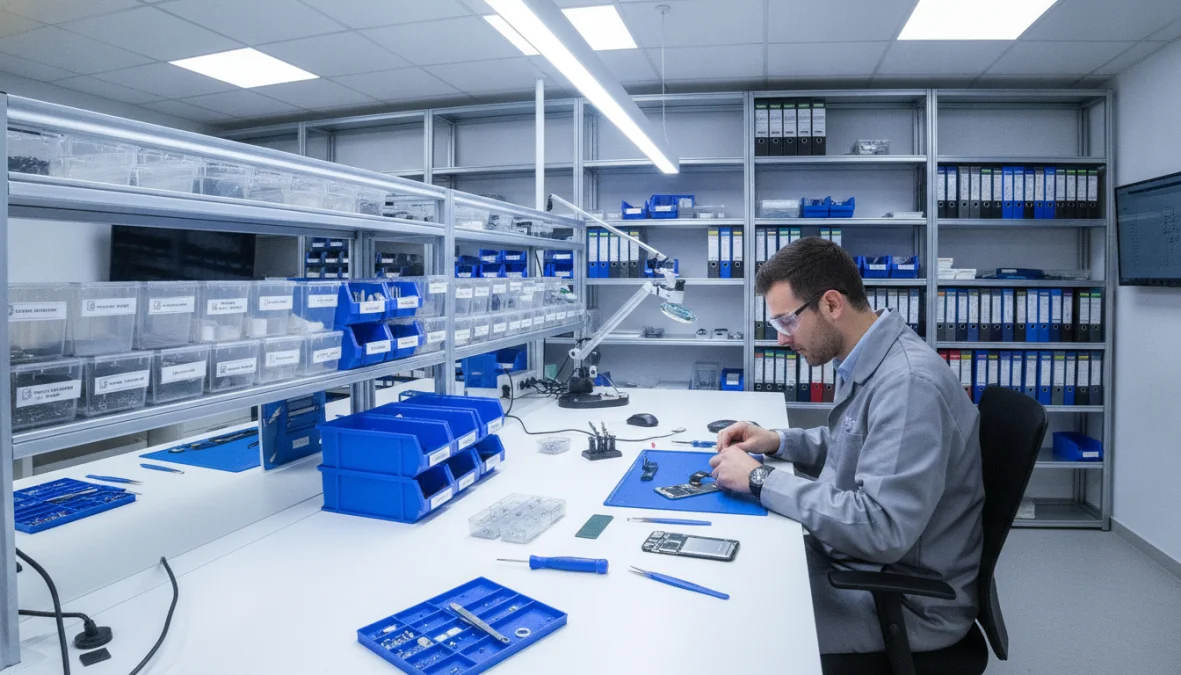
Your smartphone slows down mysteriously after two years. Your laptop’s battery dies and the manufacturer tells you it can’t be replaced. Your washing machine breaks down just after the warranty expires, and the repair costs nearly as much as buying new. Sound familiar? You’re not experiencing bad luck—you’re experiencing planned obsolescence, a practice that’s finally being challenged by right to repair legislation sweeping across the globe. This growing movement is reshaping how we think about ownership, sustainability, and consumer rights in the digital age.
What Is Right to Repair Legislation and Why It Matters
Right to repair legislation refers to laws designed to guarantee consumers and independent repair shops access to the tools, parts, and information needed to fix electronic devices and appliances. At its core, this legislation tackles planned obsolescence—the controversial practice where manufacturers intentionally design products with limited lifespans to encourage repeat purchases.
The impact of planned obsolescence is staggering. Smartphones that become unbearably slow after software updates, laptops with batteries glued into place, tractors that require proprietary diagnostic tools, and appliances with circuit boards programmed to fail—these aren’t accidents. They’re design choices that cost consumers billions annually while generating mountains of electronic waste.
Consumer rights repair legislation addresses this by mandating that manufacturers provide:
- Access to repair manuals and technical documentation
- Availability of spare parts at reasonable prices for extended periods
- Diagnostic tools and software necessary for repairs
- No software locks or design features that deliberately prevent repairs
- Fair pricing for authorized repairs that doesn’t push consumers toward replacement
The environmental implications are massive. The world generates over 50 million tons of e-waste annually, with only 17% properly recycled. Much of this waste comes from devices that could be repaired but aren’t, partly because manufacturer restrictions make repairs impractical or impossible. Just as global challenges like supply chain disruptions are forcing industries to rethink their models, as explored in how geopolitical tensions are reshaping global supply chains, right to repair is fundamentally changing manufacturing practices.

Global Right to Repair Legislation: Key Laws and Policies Worldwide
The right to repair movement has gained serious momentum globally, with different regions adopting varied approaches to electronics repair laws. Understanding right to repair legislation by country reveals a patchwork of regulations that’s gradually forming a more cohesive global framework for device longevity laws.
European Union’s Leading Role in Repair Legislation
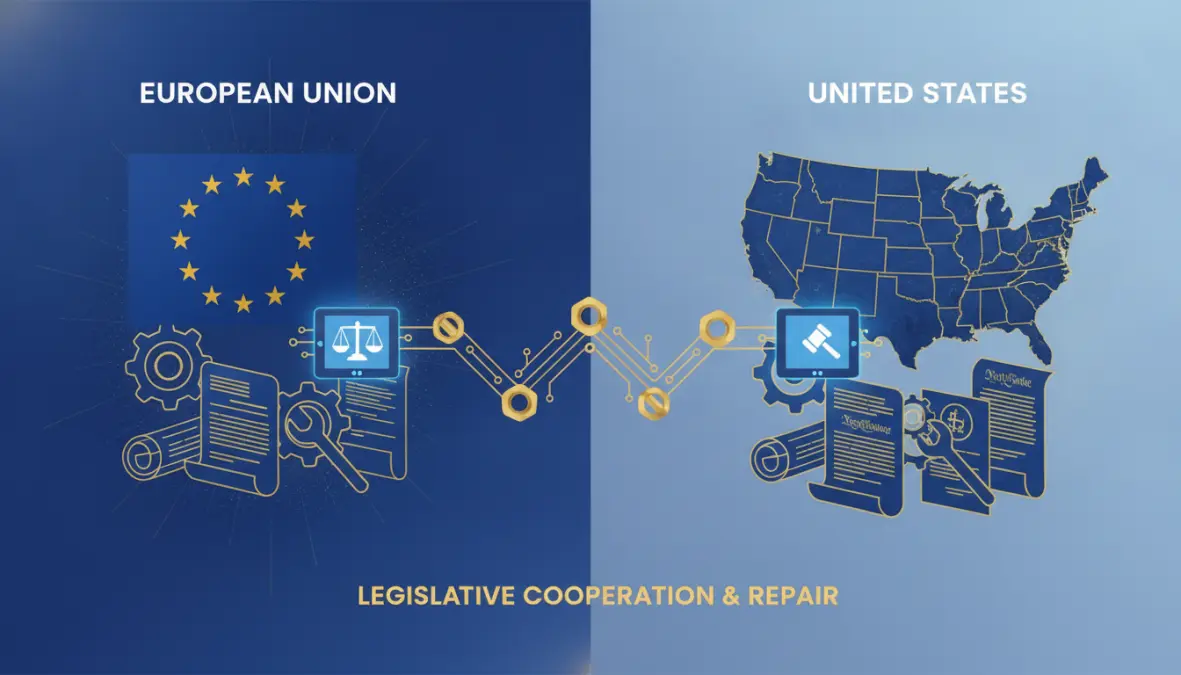
The EU has emerged as the global leader in sustainable repair policies. The bloc’s Ecodesign Directive, updated to include repairability requirements, mandates that manufacturers of household appliances like washing machines, refrigerators, and dishwashers must make spare parts available for between 7 and 10 years after the last product unit is placed on the market.
The EU’s approach goes further with repair scoring systems that rate products based on repairability, helping consumers make informed decisions. These regulations cover an expanding range of electronics, including smartphones, tablets, and laptops. The timeline is aggressive: many requirements took effect recently, with additional categories being phased in progressively. Manufacturers must now design products with disassembly in mind and cannot use techniques like excessive gluing that prevent economical repairs.
Perhaps most importantly, the EU’s regulations don’t just benefit authorized service providers—they require manufacturers to make parts and manuals available to independent repair shops as well, fostering competition and accessibility.
United States: State-by-State Progress and Federal Challenges
The American approach to right to repair laws for electronics has been fragmented, with individual states leading where federal legislation has stalled. New York made history by passing the Digital Fair Repair Act, requiring electronics manufacturers to provide repair information and parts to consumers and independent shops. California, Massachusetts, Minnesota, and other states have followed with their own versions.
However, understanding how does right to repair affect consumers in the US is complicated by state-by-state variations. Some legislation covers only specific product categories—Massachusetts focuses on automotive repairs, for instance—while others attempt broader coverage. The proposed federal Fair Repair Act has faced significant opposition from major tech companies, creating political gridlock that leaves much of the progress to state initiatives.
This patchwork creates challenges for manufacturers who must navigate different requirements across states, but it also demonstrates growing momentum that may eventually force federal action.
Impact and Future of the Right to Repair Movement
The benefits of right to repair legislation extend far beyond individual convenience. Electronic waste reduction represents one of the most significant environmental advantages. By extending product lifecycle extension even moderately—say, from three years to five for a typical smartphone—we could reduce e-waste by millions of tons globally.
Economically, consumers save substantially when they can choose between repair and replacement. Independent studies suggest that consumer protection laws focused on repairability could save the average household hundreds of dollars annually. Additionally, independent repair shops create local jobs that can’t be outsourced, strengthening community economies.
The global movement against planned obsolescence also carries significant carbon reduction benefits. Manufacturing new devices is far more carbon-intensive than repairing existing ones, meaning extended device lifespans directly translate to lower emissions.
However, challenges remain. Companies opposing right to repair—including Apple, Microsoft, and major appliance manufacturers—cite concerns about safety, security, and intellectual property. They argue that untrained repairs could create safety hazards or expose proprietary technology. While some concerns have merit, critics point out that these same companies managed robust third-party repair ecosystems for decades before recent restrictions.
Spare parts availability and repair manuals access represent practical hurdles too. Even with legislation, implementing systems to distribute parts globally and maintain documentation for thousands of products is complex and costly.
Looking forward, the trend clearly favors stronger legislation. Consumer pressure continues building, particularly among younger generations who prioritize sustainability. The right to repair movement has shifted from fringe advocacy to mainstream policy discussion, supported by environmental organizations, consumer rights groups, and even some industry players who see competitive advantages in repairability.
Consumers can support this movement by choosing repairable products, patronizing independent repair shops, contacting legislators to support right to repair bills, and sharing information about planned obsolescence illegal practices that deserve regulatory scrutiny. Just as movements toward mindful consumption are transforming other industries, similar to how slow travel benefits are reshaping tourism, the right to repair is fundamentally changing our relationship with technology.
FAQ
What countries have right to repair laws?
The European Union has the most comprehensive right to repair framework, covering all member states. In the US, states including New York, California, Massachusetts, and Minnesota have passed legislation. The UK, Australia, and France have also implemented various repair-focused regulations, with France notably requiring repairability scores on electronics.
Does right to repair apply to all electronics?
No, coverage varies by jurisdiction. EU regulations currently cover household appliances, smartphones, tablets, and some computing devices, with plans to expand. US state laws often focus on specific categories—some cover all electronics, others target smartphones, farm equipment, or vehicles specifically.
How does right to repair reduce e-waste?
By making repairs more accessible and affordable, right to repair legislation extends product lifespans significantly. When consumers can easily fix devices rather than replacing them, fewer electronics end up in landfills. Studies suggest even modest lifespan extensions could reduce global e-waste by millions of tons annually.
What is planned obsolescence and is it illegal?
Planned obsolescence is the practice of designing products with intentionally limited lifespans to drive repeat purchases. While ethically questionable, it’s generally not explicitly illegal—yet. However, certain practices like software updates that deliberately slow devices are facing increased legal scrutiny, with France imposing fines on Apple for such practices.
Can I repair my own devices under these laws?
Yes! Right to repair legislation typically guarantees consumers—not just repair shops—access to manuals, parts, and tools. However, some complex repairs may require specialized equipment or training. The laws ensure you have the option to attempt repairs yourself or choose any repair provider, not just manufacturer-authorized ones.
The fight for repair rights represents more than consumer convenience—it’s a fundamental rethinking of ownership in the 21st century. As legislation expands globally, we’re moving toward a future where the products we buy are truly ours to maintain, modify, and extend. Whether you’re a tech enthusiast, environmental advocate, or simply tired of replacing perfectly functional devices, the right to repair movement deserves your attention and support.