Library of Things: How Community Sharing Libraries Are Transforming Access to Resources

Ever found yourself buying an expensive power drill for a single home project, only to have it collect dust in your garage for years? Or maybe you’ve needed a carpet cleaner, a projector for a backyard movie night, or a fancy cake pan—just once—and cringed at the price tag? You’re not alone. This is exactly the problem that a library of things is designed to solve. Think of it as your neighborhood library, but instead of borrowing books, you’re checking out tools, equipment, and all sorts of useful items that you need occasionally but don’t necessarily want to own forever.
What Is a Library of Things and How Does It Work?
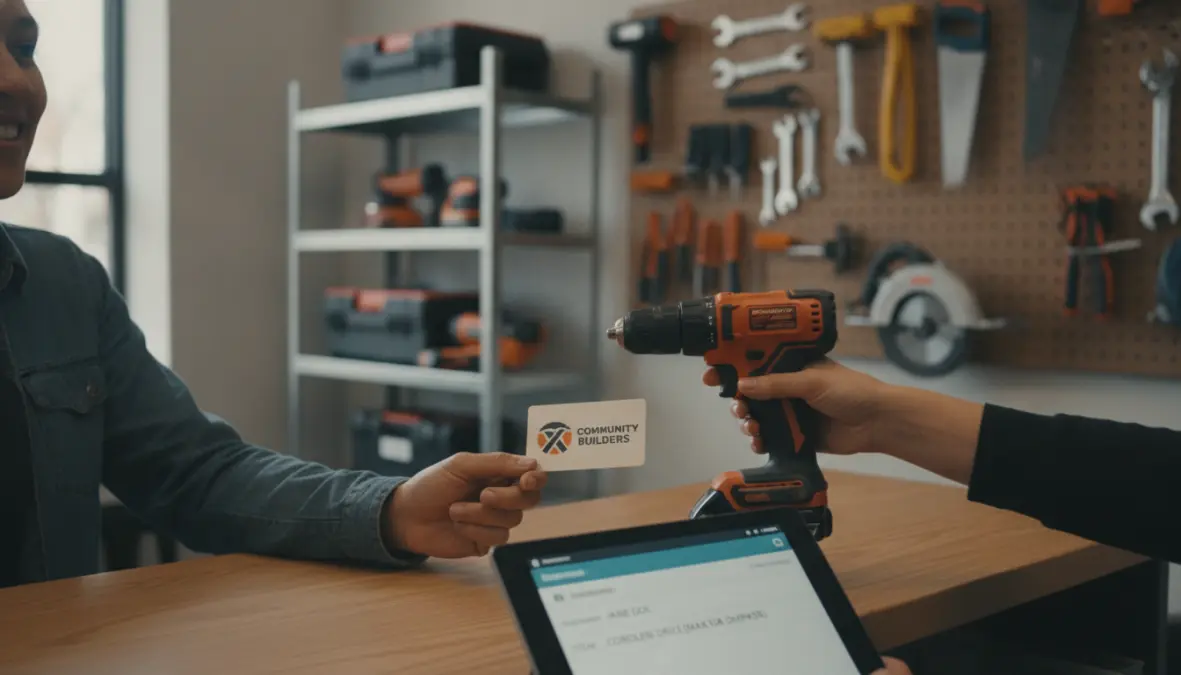
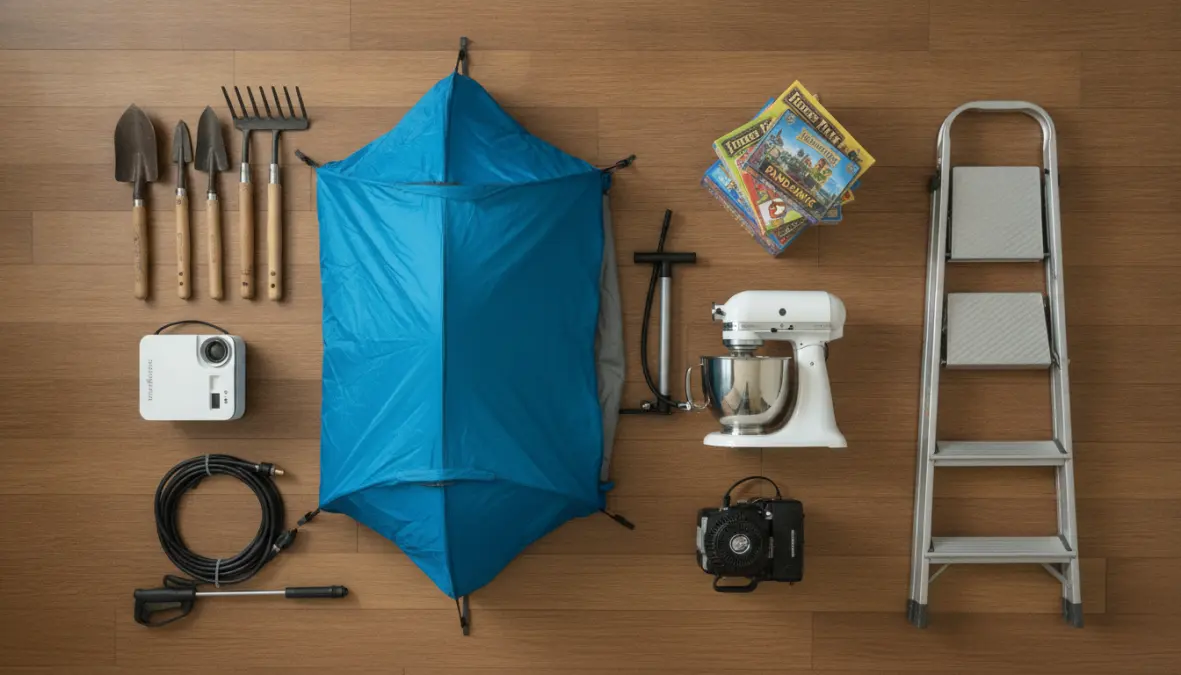
A library of things (sometimes called a tool lending library or community sharing library) is a facility where community members can borrow physical items for temporary use—typically for free or for a small membership fee. Unlike traditional libraries that focus on books and media, these innovative resource sharing programs loan out practical items like power tools, gardening equipment, kitchen appliances, sports gear, musical instruments, camping equipment, party supplies, and even specialized electronics.
The concept is beautifully simple: you sign up for membership (often annual), browse the available inventory either online or in person, reserve or check out the items you need, use them for a specified loan period (usually ranging from a few days to a week or two), and then return them in good condition. Most libraries of things operate on an honor system backed by clear community guidelines and sometimes a small deposit or late fee structure to ensure accountability.
Real-world examples are popping up across North America and beyond. The Toronto Tool Library has multiple locations and thousands of members sharing everything from drills to pasta makers. The Seattle Tool Library operates as a nonprofit with a robust catalog of construction tools, yard equipment, and household items. These aren’t just theoretical concepts—they’re thriving community hubs that prove the difference between library of things and traditional library models is all about expanding access beyond information to include the physical tools people need for daily life.
The Benefits of Community Tool Libraries and Resource Sharing Programs
The appeal of a community tool library goes far beyond simple convenience. These neighborhood sharing initiatives deliver powerful benefits across economic, environmental, and social dimensions—all while embracing the principles of the sharing economy and collaborative consumption.
Economic advantages are perhaps the most immediately obvious. Why spend $200 on a pressure washer you’ll use twice a year when you can access one for free or for a modest annual membership fee (typically $30-60)? The cost savings with library of things membership can be substantial, especially for expensive or specialized equipment. A single borrowed item can pay for an entire year’s membership. For families, DIY enthusiasts, and renters who can’t justify major tool investments, this model democratizes access to quality equipment that would otherwise be out of reach.
Environmental sustainability is where these programs really shine. Our consumer culture has conditioned us to buy, use briefly, and discard or store indefinitely. A tool share approach flips this script entirely. By embracing sustainable consumption and the circular economy, we dramatically reduce manufacturing demand, minimize waste, and lower collective carbon footprints. When twenty neighbors share one lawnmower instead of each buying their own, that’s nineteen fewer lawnmowers manufactured, shipped, and eventually discarded. Much like the principles behind regenerative agriculture that seeks to restore rather than deplete resources, libraries of things help communities move toward regenerative consumption patterns.
Social and community-building impacts shouldn’t be underestimated. These spaces naturally become gathering points where neighbors meet, exchange skills, and build relationships. Experienced DIYers often share tips with newcomers. Community workshops and skill-sharing sessions emerge organically. This peer to peer sharing model creates equity by ensuring that everyone—regardless of income level—can access the tools needed to maintain their homes, pursue hobbies, or start small projects. It’s about building social capital alongside community resources.
Practical advantages matter too. Your home stays clutter-free when you’re not storing bulky, rarely-used items. Maintenance headaches disappear—the library handles repairs, blade sharpening, and equipment upkeep. Insurance and storage costs vanish. You can experiment with new hobbies without major upfront investment. Want to try woodworking? Borrow the tools first before committing to hundreds of dollars in equipment purchases.
How to Start or Join a Library of Things in Your Community
Ready to get involved? Whether you’re wondering “is there a library of things near me?” or you’re inspired to launch one yourself, here’s your practical roadmap.
Joining an existing community sharing library is straightforward. Start by searching online for tool libraries, makerspaces, or sharing programs in your area—many cities now have at least one. Check with your local public library system too, as some have incorporated tool lending into their services. Once you’ve found one, visit during open hours to tour the facility and understand what can you borrow from library of things at that specific location. Sign up for membership, which usually involves filling out a simple form and paying an annual fee. Familiarize yourself with borrowing policies, loan periods, and your responsibilities. Most importantly, be a good community member: return items on time, clean them before returning, report any damage immediately, and treat shared items with respect.
If you’re interested in how to start a library of things, the journey requires more planning but can be incredibly rewarding. Begin by assessing your community’s needs through surveys or informal conversations. What items do people need most? Is there interest and volunteer capacity? Research organizational models—some operate as standalone nonprofits, others partner with existing community centers, libraries, or makerspaces. Similar to how community microgrids decentralize energy access, tool libraries decentralize access to resources at the neighborhood level.
Funding is crucial. Explore grants from local government, community foundations, or organizations focused on sustainability and access over ownership initiatives. Consider crowdfunding or membership pre-sales. Partner with local businesses who might donate initial inventory or provide storage space. For inventory management and member tracking, platforms like MyTurn or LibraryThing for Libraries can help, or start simple with spreadsheets. Address insurance and liability—consult with a lawyer familiar with community sharing programs for tools and equipment to protect your organization. Finally, build engagement through social media, community events, and word-of-mouth. The library of things business model typically relies more on community investment than profit generation, aligning values with decentralized platforms that prioritize shared benefit over corporate extraction.
FAQ
How much does it cost to use a library of things?
Most tool lending libraries charge an annual membership fee ranging from $30 to $75, though some are completely free to residents. Individual item borrowing typically has no additional charge, though some programs may have small fees for high-demand or expensive equipment. Many offer sliding scale fees or reduced rates for low-income households.
What happens if I damage a borrowed item?
Accidents happen, and most community sharing libraries understand this. Report damage immediately—honesty is appreciated. Minor wear and tear is expected, but significant damage may require you to contribute to repair costs or replacement. Some programs have damage waivers built into membership fees. Intentional misuse or negligence, however, may affect your borrowing privileges.
Can I donate items to a tool lending library?
Absolutely! Donations are often welcome, but most resource sharing programs have guidelines about what they accept. Items should be in good working condition, safe, and meet a community need. Contact your local library beforehand—they may have wish lists of most-needed items or may not have space for certain donations.
How long can I borrow items?
Loan periods vary by item and program, but typically range from 3 days to 2 weeks. High-demand items may have shorter periods, while specialized equipment might allow longer checkouts. Most systems allow renewals if no one else has reserved the item. Extensions are usually possible with a quick phone call or online request.
Are library of things only for tools?
Not at all! While many focus on tools, the concept extends to virtually any occasionally-needed item. Equipment lending catalogs often include kitchen appliances, party supplies, sporting equipment, musical instruments, camping gear, gardening tools, electronics like projectors and cameras, games and toys, and even mobility aids. The inventory reflects community needs and interests.
As our relationship with consumption evolves and communities seek more sustainable, connected ways of living, libraries of things represent a practical, accessible step toward sharing platforms that benefit everyone. Whether you’re looking to save money, reduce your environmental impact, or simply connect with neighbors while accessing the tools you need, this movement offers something valuable. Much like individual climate action, participating in collaborative consumption creates ripples that extend far beyond your personal benefit—you’re helping build a more resilient, equitable, and sustainable community. So why not check if there’s a library of things in your neighborhood? Your next project—and your community—will thank you.