Senolytics Supplements: Science-Backed Solutions for Cellular Aging Treatment

Your cells are secretly turning into grumpy old troublemakers. As we age, some cells stop dividing but refuse to die—instead, they linger around releasing inflammatory signals that accelerate aging throughout your body. Enter senolytics supplements: a cutting-edge category of compounds designed to selectively target and eliminate these problematic senescent cells. What once seemed like science fiction is now entering the mainstream wellness conversation, with researchers uncovering fascinating possibilities for extending healthspan and combating age-related decline at the cellular level.
Understanding Cellular Senescence and How Senolytics Work
Cellular senescence is your body’s double-edged sword. When cells experience stress, damage, or reach their replication limit, they can enter a permanent growth arrest state—they’re still alive but no longer dividing. In youth, this serves as a cancer prevention mechanism. The problem? These senescent cells accumulate with age, and they’re far from quiet retirees.
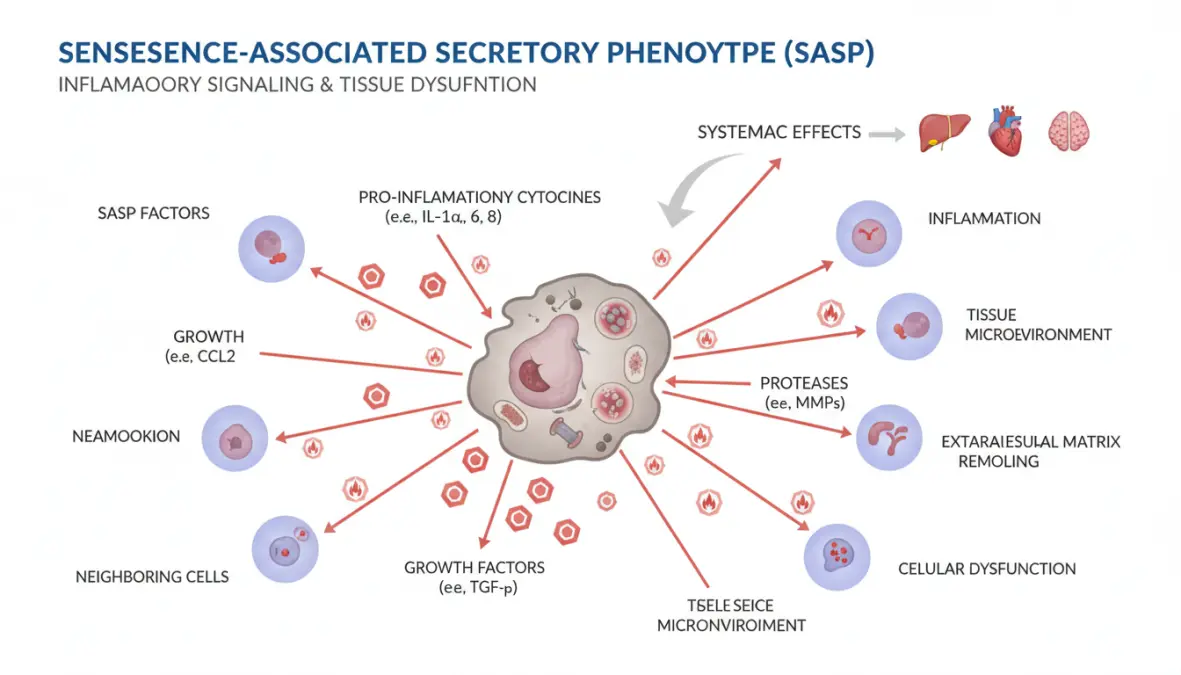
Senescent cells secrete a toxic cocktail of inflammatory proteins, growth factors, and enzymes known as the SASP (senescence-associated secretory phenotype). This inflammatory soup damages neighboring healthy cells, degrades tissue structure, and contributes to what scientists call inflammaging—the chronic low-grade inflammation that drives age-related diseases from arthritis to cardiovascular conditions.
Senolytic compounds work by exploiting a vulnerability: senescent cells resist apoptosis (programmed cell death) by upregulating specific survival pathways. Senolytics selectively disable these protective mechanisms, allowing the problematic cells to undergo natural death while leaving healthy cells unharmed. Think of them as precision-guided missiles for cellular cleanup, promoting cellular rejuvenation by clearing space for functional tissue regeneration.
Top Senolytic Compounds and Supplements Backed by Research
The senolytics research landscape has exploded in recent years, moving from animal studies to human clinical trials. Several anti-aging supplements with senolytic properties are now accessible, though they vary significantly in evidence quality and availability.
Quercetin and Fisetin: The Most Accessible Senolytic Options
The combination of quercetin and fisetin—both natural flavonoids found in fruits and vegetables—represents the most studied and accessible senolytic approach. Quercetin, abundant in onions and apples, was initially combined with dasatinib (a prescription cancer drug) in groundbreaking Mayo Clinic studies showing senescent cells removal in humans.
For supplementation purposes, quercetin is typically dosed at 500-1000mg. However, bioavailability challenges mean much of it isn’t absorbed. Pairing with fats or choosing quercetin phytosome formulations improves uptake significantly.
Fisetin, found in strawberries and other fruits, has emerged as potentially the most powerful natural senolytic. Research suggests it’s more effective than quercetin alone at eliminating senescent cells and reducing biomarkers of aging. Clinical studies have used high doses—typically 100mg per kg of body weight (roughly 7-8 grams for a 70kg person) administered intermittently rather than daily. This dosing pattern appears crucial, as continuous low-dose supplementation may not achieve therapeutic senolytic effects.
Both compounds support mitochondrial function and activate autophagy—your cellular recycling system—providing benefits beyond direct senolysis. They’re generally well-tolerated, though high doses may cause digestive discomfort.
Emerging Senolytic Compounds in Clinical Development
Beyond accessible supplements, several promising senolytics are progressing through clinical trials. Piperlongumine (from long pepper) shows strong preclinical evidence but isn’t yet widely available as a standardized supplement. NAD+ boosters like NMN and NR, while not direct senolytics, may support senescent cell clearance through improved cellular energy metabolism.
Pharmaceutical senolytics like the combination therapy UBX0101 are being tested for osteoarthritis and other age-related conditions, potentially offering more targeted aging treatment options in the future. Much like other emerging health optimization approaches covered in biohacking strategies, the field is rapidly evolving with new discoveries constantly reshaping our understanding.

Choosing the Right Senolytics Supplements: Safety, Efficacy, and Practical Considerations
Navigating senolytics supplements requires understanding that this category differs significantly from traditional daily vitamins. The evidence suggests intermittent, high-dose protocols may work better than continuous low-dose supplementation for triggering senescent cells removal. Many researchers following the science personally use a “pulse” approach—taking higher doses for 2-3 consecutive days monthly or quarterly rather than daily.
When searching for the best senolytics supplements for anti-aging, prioritize quality markers: third-party testing for purity, certificates of analysis showing actual flavonoid content, and reputable manufacturing practices. Generic quercetin varies wildly in bioavailability; formulations using quercetin phytosome or liposomal delivery systems may provide better results despite higher costs.
How do senolytic supplements work in practice? They don’t deliver immediate, noticeable effects like caffeine or other stimulants. Healthspan extension is a long-game strategy. Some users report improved joint comfort, energy, or skin appearance after several months, but objective benefits require time and consistent application.
Regarding senolytics supplements side effects, high-dose fisetin and quercetin are generally safe but can cause nausea, headaches, or digestive upset. Quercetin may interact with certain medications, particularly blood thinners and antibiotics. Anyone with existing health conditions or taking prescription medications should consult healthcare providers before starting senolytic protocols—this isn’t just legal disclaimer language but genuinely important advice given the powerful biological mechanisms involved.
Are senolytic supplements safe? Current evidence from senolytics supplements clinical trials shows good safety profiles for natural compounds like fisetin and quercetin at studied doses. However, long-term human data remains limited. The field is young, and while animal research is compelling, we’re still learning about optimal protocols for humans.
When considering where to buy senolytics supplements, reputable online retailers specializing in longevity supplements or quality health food stores offer options. Look for brands transparent about sourcing and testing. Senolytics supplements dosage recommendations vary by compound and individual factors, but following research-based protocols—rather than marketing claims—provides the most scientifically sound approach.
Just as environmental factors like those explored in microplastics research impact cellular health, and lifestyle interventions such as optimizing sleep patterns support cellular repair, senolytics represent another tool in the comprehensive approach to healthy aging.
The senolytic supplement landscape offers genuine promise backed by legitimate science, but it requires informed decision-making. Start conservatively, track your experience, stay updated on emerging research, and view these compounds as part of a broader health optimization strategy rather than magic bullets. The science of aging is accelerating rapidly—what seems cutting-edge today may be standard practice tomorrow.