The Microbiome Diet: How Gut Bacteria Influence Mood, Immunity, and Overall Health
Ever feel like your gut is running the show? Turns out, it kind of is. That rumbling stomach isn’t just asking for lunch—it’s home to trillions of bacteria that influence everything from your mood to your immune system. The microbiome diet isn’t just another wellness trend; it’s a science-backed approach to eating that supports these microscopic helpers living in your digestive tract. By understanding how to feed your gut bacteria the right way, you can potentially transform your health from the inside out.
Understanding the Gut Microbiome and Its Impact on Your Health
Your gut microbiome is essentially a bustling city of microorganisms—around 100 trillion bacteria, fungi, and other microbes—living primarily in your large intestine. This complex ecosystem, also known as your gut flora, weighs about two to five pounds and contains more bacterial cells than your body has human cells. Pretty wild, right?
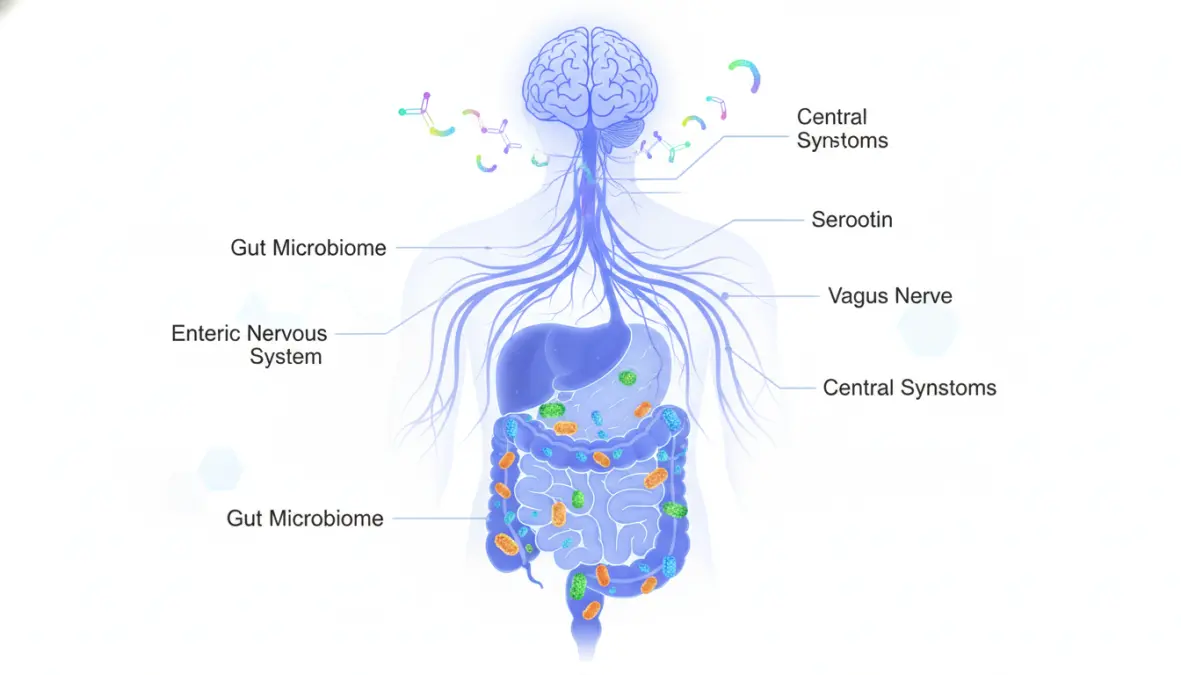
Here’s where it gets really interesting: your microbiome health influences way more than just digestion. These tiny tenants produce vitamins, break down fiber into beneficial short-chain fatty acids, and even manufacture neurotransmitters. The gut-brain axis—a bidirectional communication highway between your digestive system and brain—means that what’s happening in your intestines directly affects your mood, anxiety levels, and cognitive function. About 90% of serotonin, the “feel-good” neurotransmitter, is actually produced in your gut.
Your immune system is equally dependent on these microscopic allies. Roughly 70% of your immune cells reside in your gut, where they’re constantly training and learning from the bacteria present. A diverse, balanced microbiome helps regulate inflammation, fights off pathogens, and even influences your metabolism and weight. The good news? Research shows you can start changing your bacterial composition within just 24-48 hours by adjusting your diet.
What Is the Microbiome Diet and How Does It Work?
The microbiome diet is an eating approach designed to nurture beneficial intestinal bacteria while discouraging harmful ones. Unlike restrictive fad diets, this gut bacteria diet focuses on variety and quality—feeding your microbes the nutrients they need to thrive. Think of it as gardening for your gut: you’re cultivating the good stuff and weeding out what doesn’t serve you.
At its core, microbiome nutrition revolves around two key players: probiotics and prebiotics. Probiotics are live beneficial bacteria you consume through fermented foods or supplements, essentially reinforcing your gut’s good guys. Prebiotics, on the other hand, are types of fiber that humans can’t digest but gut bacteria love—they’re basically fertilizer for your microbiome.
A probiotic diet emphasizes whole, minimally processed foods rich in these components. The goal is to increase microbial diversity, which research consistently links to better health outcomes. When you feed your gut a varied diet of plant fibers, polyphenols, and fermented foods, different bacterial species flourish, creating a resilient, balanced ecosystem that supports overall wellness.
Key Foods to Include in a Gut Health Diet
Building a gut health diet means stocking your kitchen with foods that support healthy gut bacteria. Here’s what to prioritize:
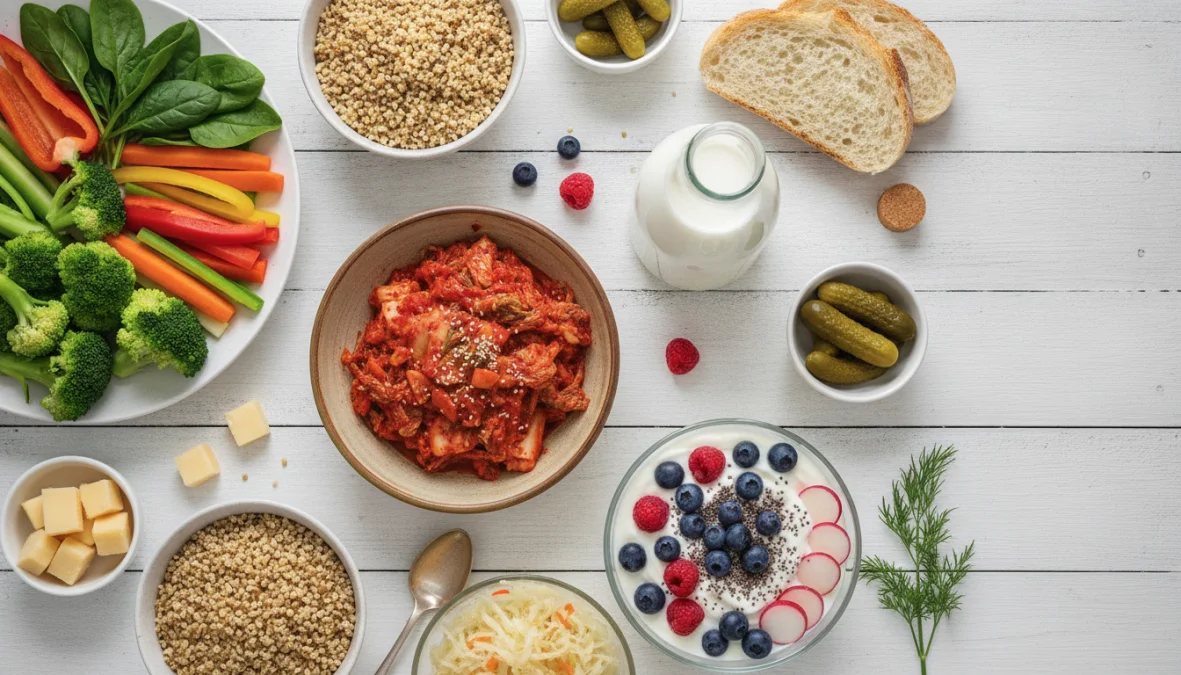
Fermented foods are probiotic powerhouses that deliver live bacteria directly to your digestive tract. Include yogurt with active cultures, kefir (a tangy fermented milk drink), kimchi (spicy Korean fermented cabbage), sauerkraut, miso, tempeh, and kombucha. These fermented foods introduce beneficial strains like Lactobacillus and Bifidobacterium to your gut.
Prebiotic-rich foods feed your existing good bacteria. Load up on fiber-rich vegetables like asparagus, leeks, onions, and garlic; legumes such as lentils, chickpeas, and black beans; whole grains including oats and barley; and slightly unripe bananas (they contain resistant starch, a prebiotic superstar).
Polyphenol-rich foods act as fuel for beneficial bacteria while providing antioxidant benefits. Berries, green tea, dark chocolate (70% cacao or higher), extra virgin olive oil, and colorful vegetables are excellent sources. These compounds help specific bacterial species thrive while reducing inflammation throughout your body.
Foods That Harm Your Gut Microbiome
Just as important as knowing what to eat is understanding what damages your gut microbiota. Artificial sweeteners like aspartame and saccharin can actually alter bacterial composition and reduce diversity. Food emulsifiers found in processed foods may disrupt the protective mucus layer in your intestines, leading to dysbiosis—an imbalance between good and bad bacteria.
Highly processed foods stripped of fiber give harmful bacteria an advantage while starving beneficial ones. Excessive red meat consumption has been linked to increased production of harmful metabolites. Unnecessary antibiotic use (though sometimes medically necessary) can wipe out beneficial bacteria along with the bad. Excessive alcohol disrupts bacterial balance and damages the intestinal lining. Moderation and mindful choices make all the difference.
Science-Backed Benefits: From Mood Enhancement to Stronger Immunity
The research on microbiome health is exploding, and the findings are genuinely exciting. Let’s break down the documented benefits of nurturing your gut microbiome.
Mental health improvements are among the most fascinating discoveries. Studies show that people with depression and anxiety often have different bacterial compositions compared to mentally healthy individuals. The gut-brain connection means that when you support beneficial bacteria, they produce neurotransmitters and metabolites that can reduce anxiety, improve mood, and even enhance cognitive function. Research has found that specific probiotic strains can lower stress hormone levels and improve emotional processing.
Immune function gets a significant boost from a diverse microbiome. Your gut bacteria train immune cells to distinguish between harmless substances and genuine threats, reducing inappropriate inflammatory responses. A healthy microbiome produces anti-inflammatory compounds while creating a protective barrier against pathogens. This translates to fewer infections, reduced allergy symptoms, and better overall immune resilience.
Additional benefits include improved digestive health with reduced bloating and better regularity, support for healthy weight management (certain bacterial strains influence how efficiently you extract calories from food), clearer skin (the gut-skin axis is real), and increased energy levels. Some research even suggests connections to reduced risk of chronic diseases including type 2 diabetes and cardiovascular issues.
FAQ: Common Questions About the Microbiome Diet
How long does it take to improve gut microbiome?
You can see initial changes within 24-48 hours of dietary shifts, but meaningful, lasting improvements typically take 2-4 weeks of consistent eating. Building true microbial diversity is a months-long process, so patience and consistency matter more than quick fixes.
Can the microbiome diet help with weight loss?
While not primarily a weight-loss diet, improving microbiome diversity often supports healthy weight management. Certain beneficial bacteria help regulate appetite hormones, reduce inflammation, and improve metabolism. Combined with overall healthy eating, it can contribute to sustainable weight control.
Do I need to take probiotic supplements?
Not necessarily. Most people can get sufficient probiotics from fermented foods. However, specific strains in supplements may benefit particular conditions. If you’re considering supplements, choose ones with researched strains and consult a healthcare provider for personalized advice.
Is the microbiome diet safe for everyone?
Generally yes, since it emphasizes whole foods. However, people with compromised immune systems should be cautious with live fermented foods. Those with FODMAP sensitivities might need to modify prebiotic choices. Always consult your doctor before major dietary changes, especially if you have existing health conditions.
What are signs of an unhealthy gut microbiome?
Common indicators include frequent digestive issues (bloating, gas, constipation, diarrhea), unexplained fatigue, skin problems, food intolerances, mood disturbances, and frequent infections. While these symptoms have many potential causes, persistent gut-related issues warrant attention to your microbiome health.
Your gut microbiome is a powerful ally in your health journey—one that responds remarkably well to the food choices you make every single day. By embracing a diet rich in diverse plant foods, fermented options, and prebiotic fiber while limiting processed junk, you’re investing in not just digestive comfort but your immune resilience, mental clarity, and overall vitality. Start small, experiment with new fermented foods, and notice how your body responds. Your trillion tiny tenants will thank you.