Community Land Trusts: How Collective Ownership Is Fighting Housing Affordability
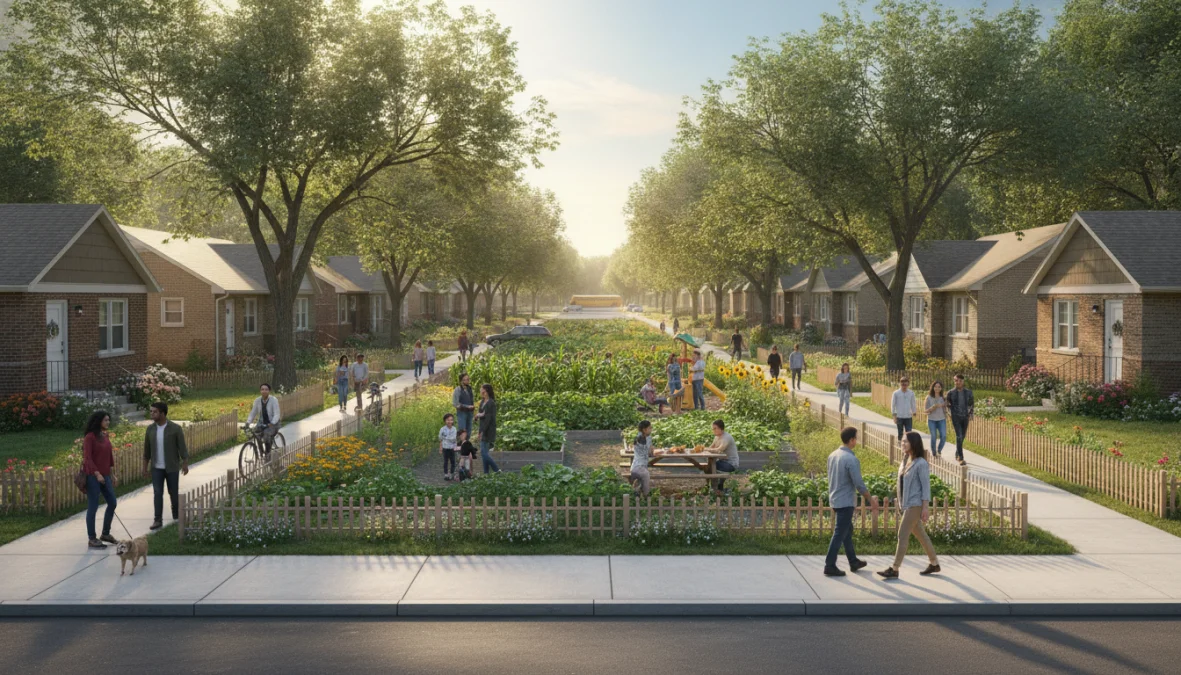
Housing prices keep climbing while wages stay flat—sound familiar? Across cities worldwide, ordinary folks are being priced out of neighborhoods they’ve called home for generations. But there’s a grassroots solution gaining serious momentum: community land trusts. These innovative collective ownership models are proving that affordable housing doesn’t have to be a pipe dream, and communities don’t have to sit helplessly while gentrification rolls through. Let’s dive into how this approach is rewriting the rules of homeownership.
What Are Community Land Trusts and How Do They Work?
At their core, community land trusts (CLTs) flip the traditional real estate script. Instead of individuals owning both land and building, a CLT separates the two. The nonprofit organization owns the land permanently, while residents own the structures sitting on it. Think of it as collective land ownership with individual home ownership—getting the best of both worlds.
Here’s where the community ownership model gets really interesting: CLTs are governed by a tripartite board representing three groups equally—residents living in CLT homes, community members from the surrounding area, and public representatives. This democratic structure ensures decisions aren’t made by distant developers or landlords, but by people directly invested in the community’s wellbeing.
So how do community land trusts work in practice? Imagine Maria wants to buy a home in a CLT. She purchases the house at a below-market price—say $150,000 instead of the area’s typical $250,000—because she’s not buying the land underneath. She signs a ground lease agreement with the CLT (usually 99 years, renewable) for the land use, paying a small monthly fee. Maria gets all the benefits of homeownership: stability, the ability to renovate, and yes, even building some equity. The catch? When she sells, resale restrictions ensure the home remains affordable for the next buyer.

The Benefits of Community Land Trusts in Addressing the Housing Affordability Crisis
The housing affordability crisis isn’t just about numbers—it’s about families choosing between rent and groceries, teachers unable to live in the communities they serve, and entire neighborhoods losing their cultural fabric. This is where land trust benefits really shine as affordable housing solutions.
Unlike temporary subsidies that eventually expire, CLTs create perpetual affordability. The Champlain Housing Trust in Burlington, Vermont—one of the oldest and largest CLTs in the country—has maintained affordable homes for over 35 years. During that time, market-rate homes in Burlington increased by 250%, while CLT homes remained accessible to moderate-income families. That’s not a short-term fix; that’s structural change.
The stewardship model also provides something money can’t usually buy: community stability. When neighborhoods are protected from speculation, families can put down roots. Kids don’t have to switch schools every time rent increases. Local businesses have reliable customers. Research shows CLT residents have foreclosure rates dramatically lower than traditional homeowners—during the 2008 financial crisis, CLT foreclosure rates were roughly one-eighth the national average.
For low-income families traditionally excluded from wealth building, shared equity homeownership offers a genuine stepping stone. While equity gains are limited compared to market-rate homes, residents still build wealth they wouldn’t accumulate as renters. Meanwhile, communities gain resilience against gentrification—something increasingly valuable as cities grapple with displacement pressures similar to challenges addressed in urban planning initiatives.
Long-Term Affordability Through Resale Restrictions
The magic ingredient in perpetual affordability? Resale formulas. When CLT homeowners sell, they receive their initial investment back, plus a percentage of appreciation (typically 25-35%) and compensation for improvements. The remaining appreciation stays with the land trust, keeping the home affordable for the next buyer.
This carefully calibrated balance means sellers aren’t completely locked out of market benefits—they do build equity—but they also can’t profit from speculation. It’s a compromise that prioritizes housing as a human right over housing as pure investment, ensuring each generation has access to affordable homeownership opportunities.
Community Stability and Local Control
Beyond affordability, CLTs foster genuine democratic participation. Residents don’t just live in their communities—they govern them. This empowerment creates stronger social bonds and collective problem-solving capacity, similar to cooperative housing models but with homeownership benefits.
When communities control their own development through community-led development processes, they can resist displacement pressures that typically accompany neighborhood improvements. CLTs can partner with nonprofit housing organizations to strategically acquire land before gentrification hits, essentially future-proofing affordability. This proactive approach prevents the painful displacement cycles that have gutted working-class neighborhoods from San Francisco to London.
Challenges and Future Outlook for Community Land Trusts
Let’s be real—community land trusts aren’t a silver bullet. Scaling up presents serious challenges. Initial land acquisition requires substantial capital that many communities simply don’t have. While affordable homeownership programs might offer grants, securing funding remains a constant struggle. Administrative complexity also poses barriers; running a CLT demands legal expertise, community organizing skills, and property management know-how simultaneously.
Public awareness remains limited too. Many people have never heard of CLTs, making outreach and education essential but time-consuming. Some developers and policymakers resist the model, viewing resale restrictions as contrary to free-market principles or questioning whether limited equity truly helps families build wealth.
Yet the outlook is genuinely promising. The number of CLTs has grown substantially, with over 250 now operating nationwide and more emerging internationally. Cities like Seattle, Denver, and Washington D.C. are incorporating CLTs into official housing strategies. Innovations continue—some CLTs now include commercial space for local businesses, while others integrate renewable energy systems similar to community microgrids for added resilience.
Starting a community land trust requires vision, patience, and coalition-building, but successful CLT stories demonstrate it’s absolutely possible. The difference between CLT and traditional homeownership—and even community land trusts vs housing cooperatives—lies in that unique combination of individual ownership with collective stewardship, creating pathways to housing security that pure market approaches simply cannot achieve.
FAQ
How do community land trusts make money?
CLTs typically generate revenue through ground lease fees paid by homeowners, grants from government and philanthropic sources, and occasionally from developing and selling new affordable homes. They’re nonprofit organizations, so any “profit” gets reinvested into acquiring more land and creating additional affordable housing opportunities.
What is the difference between a land trust and a community land trust?
A traditional land trust focuses on conservation—protecting natural spaces from development. A community land trust specifically addresses affordable housing by owning land and leasing it to homeowners, ensuring permanent affordability through collective land ownership while individuals own the buildings.
Can you build equity in a community land trust?
Yes, but in a limited way. CLT homeowners build equity through paying down their mortgage, making improvements, and receiving a predetermined percentage of home appreciation (typically 25-35%). This shared equity approach balances individual wealth building with keeping homes affordable for future buyers.
How many community land trusts are there?
There are currently over 250 active community land trusts operating across the United States, serving tens of thousands of households. Internationally, the model has spread to countries including the UK, Canada, Australia, and Belgium, with numbers continuing to grow as the housing affordability crisis intensifies.
The beauty of community land trusts lies in their stubborn insistence that housing can serve people instead of just investors. They’re not waiting for top-down solutions—they’re building alternatives from the ground up, one home and one neighborhood at a time. Whether you’re struggling with housing costs, concerned about your community’s future, or simply believe in more equitable approaches to ownership, CLTs offer a tangible path forward. The question isn’t whether collective ownership can fight the affordability crisis—it’s already happening. The question is whether more communities will embrace this proven model before displacement becomes irreversible.