The Motherhood Penalty: How Children Impact Careers Differently by Gender

Having kids changes everything—that’s what everyone says. But here’s what they don’t always mention: it changes things very differently depending on whether you’re a mom or a dad. For mothers, becoming a parent often means lower wages, fewer promotions, and a career that suddenly feels like it’s moving in reverse. For fathers? Well, they frequently get a raise. Welcome to the motherhood penalty, one of the most persistent yet least-discussed drivers of workplace inequality.
What Is the Motherhood Penalty and How Does It Differ from the Fatherhood Bonus?
The motherhood penalty refers to the systematic disadvantages working mothers face in earnings, hiring, and career advancement compared to childless women and to men. It’s a key component of the broader parenthood penalty, but here’s the kicker: while mothers are penalized, fathers often receive what researchers call the fatherhood bonus.
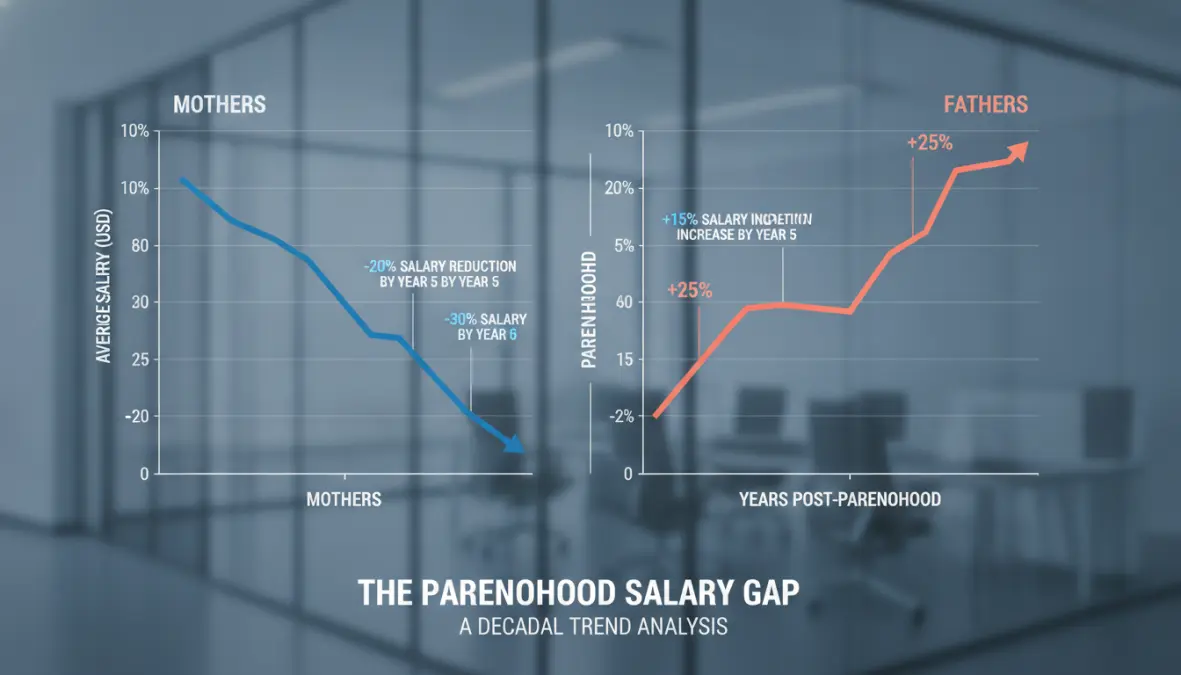
The numbers are striking. Studies show that mothers earn approximately 4% less per child, while fathers earn about 6% more after becoming parents. This gender pay gap children create isn’t small—it compounds over time. A mother with two children might see her lifetime earnings reduced by hundreds of thousands of dollars compared to a childless woman with identical qualifications.
Why does this happen? The fatherhood bonus stems partly from outdated assumptions: employers see fathers as more committed, stable, and motivated to provide. They’re viewed as breadwinners who need support. Mothers, conversely, are assumed to be distracted, less committed, and likely to prioritize family over work—even when data shows working mothers are just as productive and dedicated. This asymmetric parenthood penalty reveals how deeply gender stereotypes are embedded in workplace culture.
Consider two employees with similar backgrounds. After having a child, the father mentions his new baby in a job interview and is seen as responsible and mature. The mother mentions her child and suddenly faces questions about childcare arrangements and availability. Same life event, completely opposite career outcomes.
The Career Impact: From Hiring Discrimination to Long-Term Wage Gaps
The motherhood wage gap doesn’t emerge from a single moment—it builds across multiple career stages, creating a cumulative disadvantage that can derail even the most promising professional trajectories. Let’s break down how this child penalty career impact actually works.
Working mothers discrimination often starts at the hiring stage. Research using identical résumés with subtle cues about parental status found that mothers were significantly less likely to be called back for interviews than childless women or fathers. When they were called back, they were offered lower starting salaries—an average of $11,000 less in some studies. This initial salary gap becomes the foundation for future disparities.
Once employed, the maternal employment penalty continues through limited advancement opportunities. Mothers are passed over for promotions at higher rates, often because they’re perceived as less flexible or ambitious. Requests for flexible work arrangements—something that should support productivity—frequently backfire, marking women as less serious about their careers. Meanwhile, fathers requesting flexibility are often praised for being involved parents while maintaining career focus.
The numbers on workforce participation tell another troubling story. Approximately 43% of highly qualified women leave their careers after having children, compared to just 12% of fathers. Many don’t leave by choice—they’re pushed out by inflexible policies, lack of affordable childcare, and workplace cultures that make combining career and motherhood feel impossible. Those who remain often shift to part-time work or lower-paid positions with more flexibility, further widening the gap.
Long-term consequences extend to retirement. This wage discrimination compounds over decades, resulting in significantly lower pension savings and Social Security benefits for mothers. The career progression gap that starts with a first child can mean the difference between financial security and struggle in later life.
How Parental Leave Policies Contribute to Career Inequality
You’d think generous parental leave would help, right? Not always. The parental leave impact career trajectories have is complex and often gender-specific. While paid parental leave is crucial for family wellbeing, the way it’s structured and used often reinforces rather than reduces inequality.
In most countries, even those with gender-neutral leave policies, mothers take significantly longer leaves than fathers. In the U.S., mothers take an average of 11 weeks while fathers take just one or two. This disparity signals to employers who the “primary caregiver” is, reinforcing stereotypes that mothers are less committed to work. Women who take extended leave often return to find they’ve been sidelined from important projects or passed over for advancement.
The maternal employment penalty associated with leave isn’t just perception—it’s measurable. For every month of leave beyond three months, women experience approximately 3-5% lower wage growth over the following years. Interestingly, this penalty doesn’t apply to fathers who take leave, highlighting how gendered expectations shape outcomes even within identical policy frameworks. Much like other systemic gender disparities—including the financial literacy gender gap that affects women’s long-term economic security—the motherhood penalty reflects deeper cultural assumptions about gender roles.
The Intersectionality Factor: Race, Income, and Education Level
The motherhood penalty doesn’t affect all women equally. Race, income level, and education create vastly different experiences, with the most vulnerable women facing the harshest penalties.
Black and Latina mothers face compounded disadvantages. Black mothers earn approximately 75 cents for every dollar earned by white fathers, and just 90 cents compared to Black childless women. Latina mothers face similar disparities. These women often lack access to family-friendly policies or paid leave, working in sectors with rigid schedules and limited advancement opportunities.
Low-income mothers experience the penalty most acutely. Without access to affordable childcare—which can cost more than college tuition in many states—they’re forced into impossible choices: work while paying most of their salary to childcare, or leave the workforce entirely. These women also have less bargaining power to negotiate flexible work arrangements and are more likely to be fired for attendance issues related to childcare emergencies.
Highly educated mothers fare better but aren’t immune. While they have more resources and leverage, they still earn less than comparable men and face significant hiring bias. The penalty is smaller but still substantial—professional women lose approximately 3-4% per child, which over a career amounts to hundreds of thousands in lost earnings and advancement opportunities.

Solutions: What Can Close the Motherhood Penalty Gap?
Acknowledging the parenthood penalty is just the first step. Real change requires action at individual, organizational, and policy levels. The good news? We have evidence of what actually works.
At the policy level, countries with the lowest motherhood penalty share common features: mandatory, well-paid, use-it-or-lose-it parental leave for both parents. Iceland and Sweden require fathers to take several months of leave, normalizing caregiving as a shared responsibility. This approach reduces the gender pay gap children create because employers can’t assume only mothers will be unavailable. When everyone takes leave, nobody is penalized for it.
Subsidized, universal childcare is equally critical. Quebec’s $7-per-day childcare program increased maternal workforce participation by 8% while narrowing the wage gap. Affordable childcare responsibilities support allows mothers to maintain career continuity, which is essential for avoiding the long-term consequences of career interruption.
Workplace solutions include implementing transparent salary bands to combat wage discrimination, offering genuinely flexible arrangements that don’t penalize users, and establishing diversity targets that include mothers in leadership. Companies like Patagonia, which offers onsite childcare and has 100% retention of mothers post-leave, prove that family-friendly policies aren’t just ethical—they’re good business. Similar to how polywork culture is reshaping how we think about professional identity, supporting working parents requires reimagining traditional career structures.
Individuals can also take action. Negotiating salary aggressively—especially after parental leave—helps counter assumptions of reduced commitment. Fathers actively taking leave and sharing childcare visibly helps normalize caregiving as gender-neutral. Speaking openly about the motherhood penalty reduces its power by making the invisible visible.
Achieving workplace equity and real work-life balance requires confronting uncomfortable truths about how working mothers discrimination operates. But the examples from progressive companies and countries show it’s entirely possible. The motherhood penalty isn’t inevitable—it’s a choice we make as a society. And what we’ve chosen to create, we can choose to dismantle. The question isn’t whether we can afford to fix this problem; it’s whether we can afford not to.