Zone 2 Cardio Training: The Ultimate Guide to Low-Intensity Exercise for Longevity

You’ve probably heard fitness influencers and longevity experts raving about zone 2 cardio lately—and for good reason. This isn’t just another workout trend destined to fade away. Zone 2 training represents a fundamental shift in how we approach cardiovascular fitness, prioritizing sustainable, low-intensity exercise that builds a powerful aerobic base while torching fat and enhancing metabolic health. Whether you’re an elite athlete or someone just starting their fitness journey, understanding zone 2 cardio could be the missing piece in your longevity puzzle.
What Is Zone 2 Cardio and Why It Matters
At its core, zone 2 cardio refers to exercise performed at approximately 60-70% of your maximum heart rate—a sweet spot where your body primarily burns fat for fuel while building mitochondrial capacity. Think of it as the Goldilocks zone of exercise: not too hard, not too easy, but just right for maximizing metabolic efficiency.
So how to calculate zone 2 heart rate? The most common method uses the formula: 220 minus your age, then multiply by 0.6 and 0.7 to find your range. For example, a 40-year-old would have a maximum heart rate of 180, making their zone 2 heart rate roughly 108-126 beats per minute. However, the simplest test doesn’t require any math—it’s called the conversation test. If you can maintain a conversation while exercising but would struggle to sing, you’re likely in heart rate zone 2.
What makes zone 2 special from a metabolic perspective? At this intensity, your body preferentially oxidizes fat as its primary fuel source, which trains your mitochondria—the cellular powerhouses—to become more efficient. This differs dramatically from higher intensity zones where glucose becomes the dominant energy source and lactate begins accumulating faster than your body can clear it. Zone 2 keeps you comfortably below your lactate threshold, allowing for sustainable, extended training sessions that build your aerobic capacity without excessive fatigue or stress.
Science-Backed Zone 2 Training Benefits
The research supporting zone 2 training benefits is nothing short of impressive. Dr. Iñigo San Millán, a leading researcher in metabolic health, has extensively studied how low intensity cardio at zone 2 improves mitochondrial function—a key marker of metabolic health and longevity. His work shows that consistent zone 2 training increases both the number and efficiency of mitochondria, essentially upgrading your cellular energy production system.
Longevity physician Dr. Peter Attia frequently emphasizes that aerobic base training through zone 2 work is the foundation of cardiovascular fitness. The benefits extend far beyond just burning calories. Regular zone 2 training dramatically improves insulin sensitivity, helping your body manage blood sugar more effectively and reducing the risk of metabolic syndrome and type 2 diabetes. Studies have shown that consistent zone 2 cardio for fat burning enhances fat oxidation rates, teaching your body to become metabolically flexible—able to efficiently switch between burning carbohydrates and fats.
From a cardiovascular perspective, zone 2 work strengthens your heart’s ability to pump blood efficiently, increases stroke volume, and improves overall cardiovascular fitness without the inflammatory stress that can come from excessive high-intensity training. Research indicates that individuals with higher aerobic capacity—built primarily through zone 2 work—have significantly lower all-cause mortality rates. Additionally, zone 2 sessions serve as excellent active recovery, reducing systemic inflammation while still providing training stimulus.
Perhaps surprisingly, even elite athletes rely heavily on zone 2 training. Professional cyclists, runners, and triathletes typically spend 70-80% of their training time in zone 2, using it to build the massive aerobic engine that supports their high-intensity efforts. This principle applies equally to recreational exercisers—without a solid aerobic base, your fitness gains will be limited regardless of how hard you push during intense workouts. For those interested in optimizing overall health, zone 2 training pairs excellently with other evidence-based approaches like those found in biohacking for beginners.

How to Do Zone 2 Workouts: Practical Guidelines
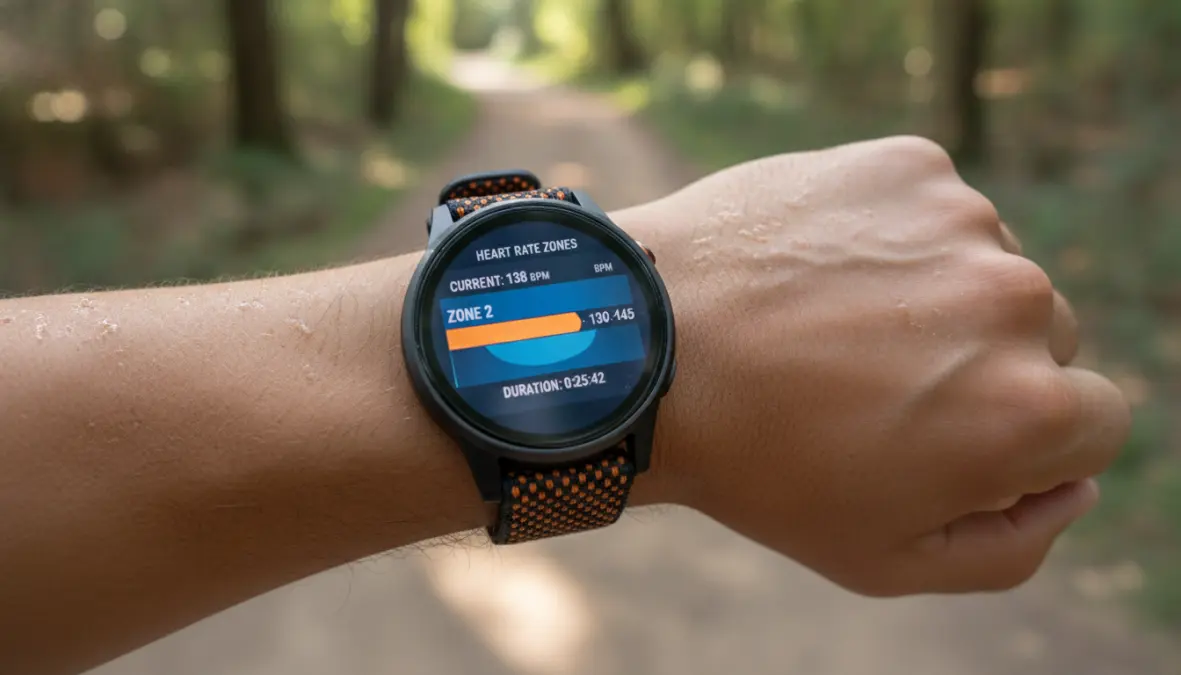
Ready to implement zone 2 workouts into your routine? Let’s get practical. First, you’ll need a reliable way to monitor your heart rate. A chest strap heart rate monitor provides the most accurate readings, though modern smartwatches like Apple Watch or Garmin devices work reasonably well. Constant feedback is crucial because zone 2 feels deceptively easy—most people naturally push too hard.
The best zone 2 cardio exercises are those you can sustain at a steady pace for extended periods. Cycling is perhaps ideal because it’s low-impact and easy to maintain consistent intensity. Running works well for experienced runners, though beginners may find it challenging to run slowly enough to stay in zone 2—brisk walking or incline walking might be more appropriate initially. Swimming, rowing, and even brisk walking on an incline are all excellent zone 2 exercise options. The key is choosing an activity where you can easily modulate intensity.
As for how long should zone 2 cardio be? Aim for sessions lasting 45-90 minutes. The extended duration is part of what makes zone 2 so effective—you’re giving your body sustained time in that optimal metabolic state. Research suggests that adaptations really kick in after about 30 minutes, so longer is generally better, assuming you can maintain proper intensity. For frequency, target 3-4 sessions weekly for meaningful benefits, though even 2 weekly sessions will provide noticeable improvements for beginners.
For those wondering about zone 2 training for beginners, start conservatively. If 45 minutes feels overwhelming, begin with 20-30 minute sessions and gradually build duration before worrying about adding more weekly sessions. The conversation test remains your best real-time gauge—if you can’t speak in complete sentences, you’ve drifted into zone 3 or higher. Many beginners make the critical error of going too hard, turning what should be easy aerobic work into moderate-intensity training that doesn’t provide zone 2’s specific benefits.
Common mistakes to avoid include sessions that are too short (under 30 minutes provides limited mitochondrial adaptation), training too hard (zone 3 feels only slightly harder but provides different adaptations), and inconsistency. Steady state cardio at zone 2 requires patience—it feels almost boringly easy at first. Resist the urge to push harder. Trust the process, and remember that this low-key approach is building the metabolic foundation that supports all other fitness endeavors. Similar to the patient approach needed in slow travel benefits, zone 2 rewards those who resist rushing.
FAQ: Common Questions About Zone 2 Cardio
How long should zone 2 cardio sessions be?
Optimal zone 2 sessions last 45-90 minutes. While some benefit occurs with shorter durations, the metabolic adaptations—particularly mitochondrial improvements—become more pronounced after 30-40 minutes of sustained effort in zone 2.
Can beginners do zone 2 training?
Absolutely! Zone 2 is actually ideal for beginners because the low intensity minimizes injury risk while building aerobic capacity. Start with 20-30 minute sessions and gradually increase duration as fitness improves.
Is zone 2 better than HIIT?
They serve different purposes. Zone 2 builds aerobic base, mitochondrial health, and metabolic flexibility, while HIIT improves VO2 max and lactate threshold. The question of zone 2 cardio vs high intensity isn’t either/or—optimal fitness includes both, with zone 2 forming the foundation.
How often should I do zone 2 workouts?
Three to four sessions weekly provides excellent results for most people. Elite athletes may do 5-6 weekly sessions, while beginners might start with 2-3 and build from there as consistency develops.
What’s the difference between zone 2 and zone 3?
Zone 3 (70-80% max heart rate) sits just above your aerobic threshold where lactate begins accumulating faster than clearance. It feels moderately challenging versus zone 2’s comfortable pace. Zone 3 often gets labeled “junk miles” because it’s too hard to build aerobic base efficiently but too easy to drive high-intensity adaptations.
Zone 2 cardio represents one of the most powerful, evidence-based tools for improving metabolic health, cardiovascular fitness, and longevity. The beauty lies in its accessibility—you don’t need fancy equipment or extreme effort, just consistency and patience. Start slow, monitor your heart rate, and give your body time to adapt. Your mitochondria will thank you, your metabolic health will improve, and you’ll build the aerobic foundation that supports everything from daily activities to peak athletic performance. Ready to slow down to speed up your health gains?