The Psychology Behind Doomscrolling and How to Break the Cycle

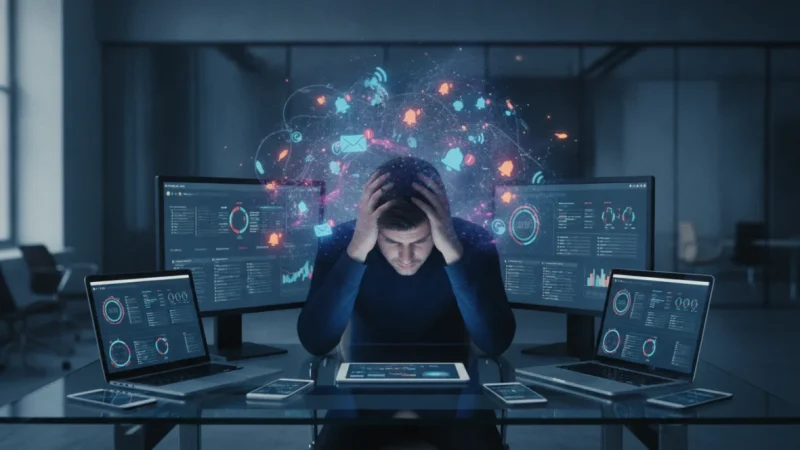
It’s 2 a.m., and you’re still scrolling through your social media feed, your thumb moving almost automatically as one alarming headline blurs into the next. You know you should sleep, but somehow you can’t stop. Sound familiar? You’re not alone—and there’s a name for this behavior that’s become all too common in our hyperconnected world.
Understanding doomscrolling psychology is the first step toward reclaiming your mental wellbeing and breaking free from this exhausting cycle. Let’s dive into why we do this to ourselves and, more importantly, how to stop.
What Is Doomscrolling and Why Does It Happen?
Doomscrolling—also called doom surfing—refers to the act of continuously scrolling through negative news and disturbing content on social media or news sites, even when it makes you feel anxious, sad, or overwhelmed. The term exploded during the pandemic when millions of people found themselves glued to their screens, frantically seeking updates about an uncertain world.
But what causes doomscrolling behavior? The answer lies deep in our evolutionary wiring. Our brains are hardwired with a negativity bias—a survival mechanism that made our ancestors pay more attention to threats than to positive information. In prehistoric times, the person who noticed the rustling bush (potential predator) survived longer than the one admiring the sunset.
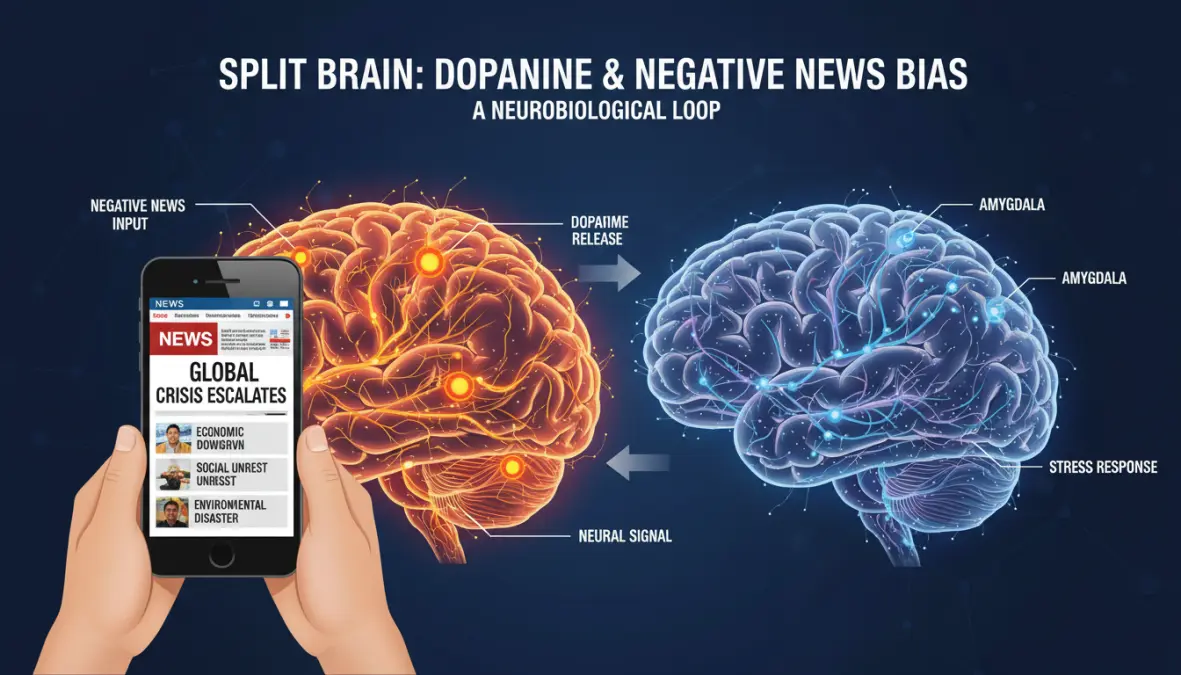
Today, this same mechanism makes us hyperfocus on bad news. When you engage in compulsive social media use, your brain’s reward system kicks into overdrive. Each scroll triggers a small dopamine release—your brain’s “feel-good” chemical—creating an intermittent reinforcement pattern similar to slot machines. You keep scrolling, hoping the next piece of information might be important, reassuring, or at least less disturbing.
The cruel irony? Even though negative content makes us feel worse, our brains interpret it as important information we “need” to know. This creates a psychological trap where we continue consuming content that actively harms our wellbeing, unable to look away from the digital car crash unfolding on our screens.
The Mental Health Impact of Doomscrolling
The effects of doomscrolling on mental health are far from trivial. Research increasingly shows that excessive negative news consumption takes a serious toll on our psychological and physical wellbeing.
Why is doomscrolling bad for mental health? Here are the primary doomscrolling effects backed by scientific evidence:
- Heightened anxiety and depression: Constant exposure to crisis content floods your brain with stress hormones, creating a persistent state of worry and hopelessness
- Sleep disruption: Doomscrolling at night suppresses melatonin production and overstimulates your nervous system, making quality sleep nearly impossible
- Distorted worldview: Excessive negative content consumption can lead to “mean world syndrome”—an exaggerated perception that the world is more dangerous than it actually is
- Emotional exhaustion: The psychological effects of doomscrolling include compassion fatigue and emotional burnout from vicarious trauma
- Physical symptoms: Elevated cortisol levels, increased blood pressure, tension headaches, and poor posture from extended screen time
One study found that people who engaged in prolonged social media addiction patterns showed significantly higher rates of anxiety and depression. The relationship between doomscrolling and these conditions appears bidirectional—anxiety drives us to seek information (which increases anxiety), creating a vicious cycle.
Is doomscrolling a form of addiction? While not officially classified as such, it shares many characteristics: compulsive behavior despite negative consequences, difficulty stopping, using it to cope with uncomfortable emotions, and experiencing withdrawal-like symptoms when attempting to quit.
It’s crucial to distinguish between staying informed and doomscrolling. Reading curated news from reliable sources once or twice daily is healthy civic engagement. Compulsively refreshing feeds for hours, reading every comment thread, and feeling unable to disconnect crosses into harmful territory. The information overload from constant connectivity doesn’t make us better informed—it makes us overwhelmed and paralyzed.

Evidence-Based Strategies to Break the Doomscrolling Habit
Ready to learn how to break the doomscrolling cycle? Breaking the doomscrolling habit requires both immediate interventions and long-term strategy shifts. The good news is that with consistent effort, you can retrain your brain and reclaim your digital wellbeing.
Effective approaches draw from cognitive-behavioral therapy principles, recognizing that doomscrolling behavior is a learned pattern that can be unlearned. The key is replacing harmful media consumption habits with healthier alternatives rather than simply trying to suppress the urge.
Screen time management tools can provide essential structure. Most smartphones now offer built-in features to track and limit app usage. Use them strategically—not as punishment, but as supportive guardrails while you develop new habits.
Mindfulness plays a crucial role in addressing anxiety-driven scrolling. When you catch yourself reaching for your phone, pause and ask: “What am I feeling right now? What am I actually seeking?” Often, we’re trying to avoid boredom, anxiety, or uncomfortable emotions. Identifying these triggers helps you address the root cause rather than just the symptom.
Immediate Actions You Can Take Today
Start with these quick wins to disrupt your cognitive behavioral patterns around phone use:
- Disable autoplay features on all social media and news apps to break the endless scroll
- Remove social media apps from your home screen—the extra friction of searching helps you pause and reconsider
- Set specific app time limits using your phone’s digital wellbeing tools (start with 30 minutes daily)
- Turn off all non-essential notifications, especially news alerts that trigger checking behavior
- Establish phone-free zones: bedroom, dining table, and bathroom are good starting points
- Charge your phone outside your bedroom to eliminate nighttime doomscrolling temptation
- Replace your bedside phone with an actual alarm clock
Building Long-Term Healthy Digital Habits
Sustainable change requires deeper shifts in how you relate to information and technology:
Develop media literacy: Learn to recognize reliable sources and understand how algorithms amplify extreme content. This knowledge reduces the compulsion to constantly verify information.
Schedule designated news times: Choose 1-2 specific times daily (perhaps 9 a.m. and 6 p.m.) to check news from curated, quality sources. Set a 15-20 minute timer and stop when it rings.
Practice regular digital detoxes: Start with phone-free mornings (first hour after waking) and evenings (last hour before bed), then experiment with full-day breaks on weekends.
Identify your personal triggers: Keep a brief log of when you doomscroll most. Stressful work situations? Loneliness? Boredom? Once you know your patterns, you can prepare alternative responses.
Seek support when needed: If you find yourself unable to break the cycle despite sustained effort, consider speaking with a mental health professional who specializes in compulsive social media use and technology addiction.

FAQ
How do I know if I’m doomscrolling?
You’re likely doomscrolling if you find yourself continuously scrolling through negative news for extended periods, feeling worse as you do it but unable to stop, losing track of time, or choosing scrolling over sleep or other activities. The key indicators are the compulsive nature and the negative emotional impact it creates.
Can doomscrolling cause depression?
While doomscrolling alone may not directly cause clinical depression, research shows it significantly contributes to depressive symptoms and can exacerbate existing mental health conditions. The constant exposure to negative content, sleep disruption, and social isolation associated with excessive screen time create risk factors for depression and anxiety disorders.
How long does it take to break the doomscrolling habit?
Like most habit changes, breaking the doomscrolling cycle typically takes 3-8 weeks of consistent effort. The first week is usually the hardest as you’re fighting strong urges and established neural pathways. Most people notice significant improvement after 21 days, though complete habit replacement may take longer depending on individual circumstances and the severity of the behavior.
Is staying informed the same as doomscrolling?
No. Staying informed means intentionally consuming news from quality sources at scheduled times, then moving on with your day. Doomscrolling is compulsive, endless, and often involves repeatedly checking the same sources or diving into comment sections and social media reactions. If it causes distress and you can’t easily stop, it’s crossed from healthy information-seeking into harmful doomscrolling territory.
Breaking free from doomscrolling isn’t about disconnecting from the world—it’s about engaging with it more intentionally and sustainably. Your mental health matters more than any notification, and you have more control over your digital habits than you might think. Start small, be patient with yourself, and remember that reclaiming your attention is one of the most powerful acts of self-care in our hyperconnected age. Your future self will thank you for taking that first step today.