Bioprinting Organs: How Close Are We to 3D Printed Transplants?
Imagine a future where organ transplants no longer depend on donor availability, where patients can receive custom-made organs grown from their own cells, eliminating the risk of rejection. This isn’t science fiction anymore—bioprinting organs technology is rapidly transforming this vision into reality. While we’re not quite at the point of printing fully functional hearts on demand, the progress in 3D bioprinting technology has been nothing short of revolutionary. Researchers worldwide are pushing the boundaries of what’s possible, creating living tissues layer by layer, and tackling the organ shortage crisis that affects hundreds of thousands of patients annually.
What Is Bioprinting Organs Technology and How Does It Work?
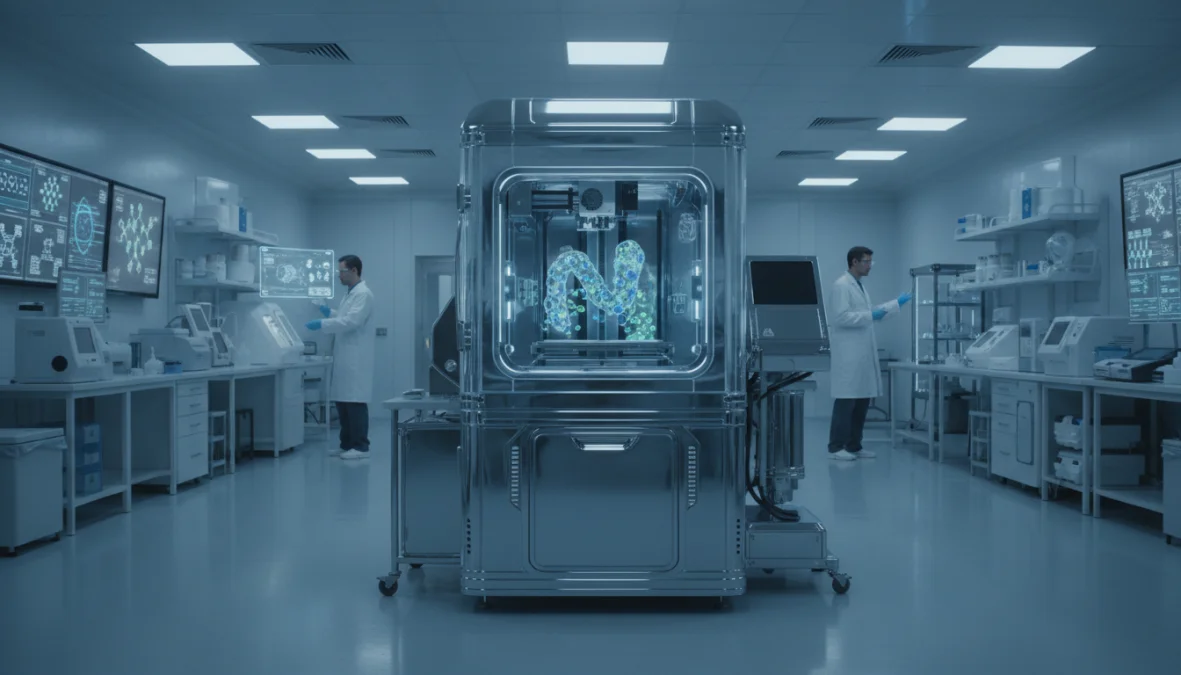
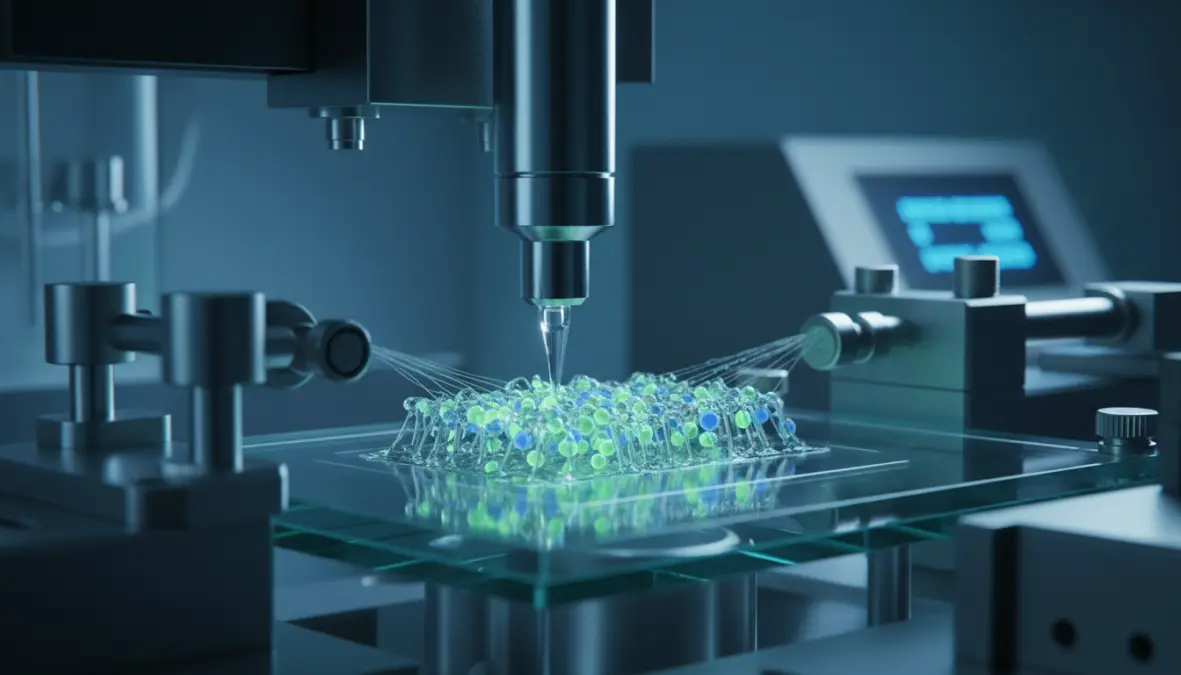
At its core, bioprinting organs technology uses specialized 3D printers to deposit living cells, biomaterials, and growth factors in precise patterns to create functional tissue structures. But how does 3D bioprinting work for organs exactly? The process begins with obtaining cells from the patient—often stem cells or differentiated cells—which are then combined with bioink materials like hydrogels and cell-laden substances that provide structural support while keeping cells alive.
There are three main types of bioprinters used in tissue engineering. Inkjet bioprinters work by spraying tiny droplets of bioink onto a substrate, similar to how your home printer works but with living cells instead of ink. Extrusion-based printers squeeze out continuous streams of bioink through a nozzle, allowing for greater control over cell density and structure. Laser-assisted printers use focused laser pulses to precisely position cells, offering the highest resolution but at a slower speed and higher cost.
The beauty of scaffold-based printing lies in creating a temporary framework that guides tissue growth. Some approaches print cells directly, while others create biodegradable scaffolds that cells colonize afterward. The extracellular matrix—the natural structure that surrounds cells in our bodies—is often replicated using specialized bioinks to ensure cellular viability and proper tissue development. Because these organs can be created using a patient’s own cells through stem cell bioprinting, the technology offers significant advantages for immunorejection prevention, potentially eliminating the need for lifelong immunosuppressant drugs.
Current Achievements and Limitations in Bioprinted Organs
The field of regenerative medicine has made impressive strides with bioprinted organs, though we’re still navigating significant hurdles before complex organs become routine transplants. Understanding both what’s been achieved and what challenges remain gives us a realistic picture of where artificial organ development stands today.
What Has Been Successfully Bioprinted So Far
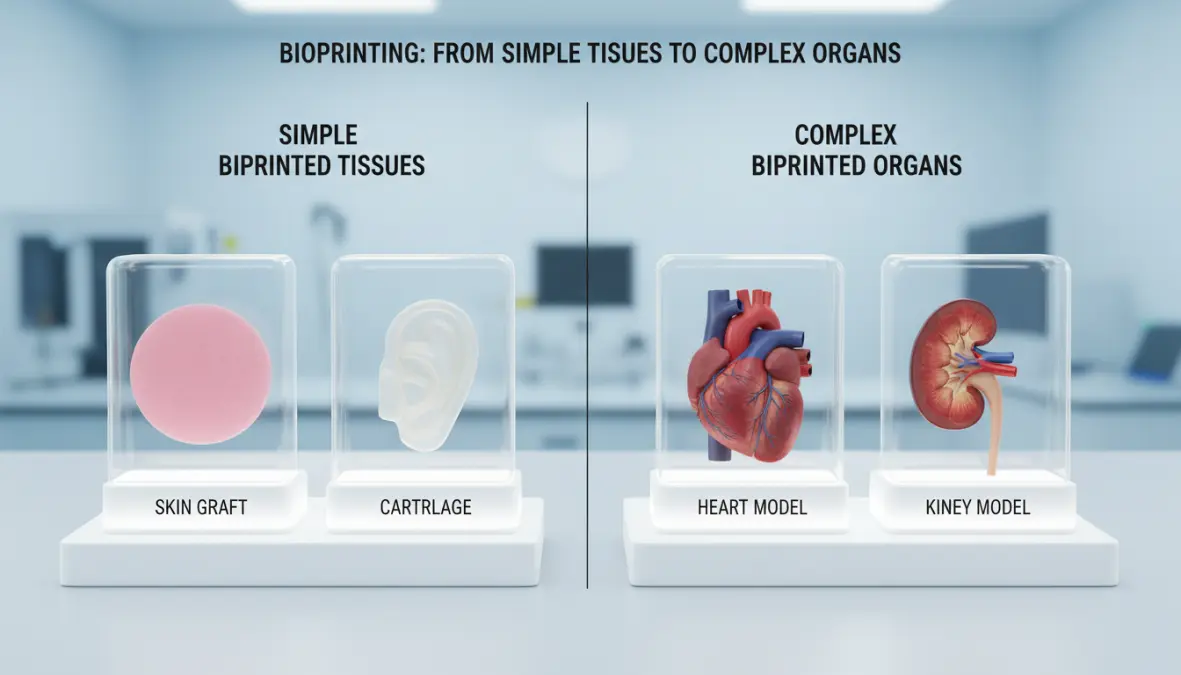
The success rate of bioprinted tissue transplants varies dramatically depending on complexity. Simple, flat tissues have shown remarkable promise. Skin grafts for burn victims are among the most advanced applications, with some products already in clinical use. Researchers have successfully bioprinted cartilage for joint repair, bone tissue for reconstructive surgery, and even functional bladders that have been implanted in patients.
In one groundbreaking case, doctors implanted bioprinted tracheas to save patients with severe airway damage. Bioprinted blood vessels are being tested to improve circulation in damaged tissues. Ears have been successfully printed with the correct shape and structure, incorporating living cells that integrate with surrounding tissue. These successes share a common factor: they’re relatively simple structures without complex internal networks.
Perhaps equally important, researchers are creating mini-organoidi—tiny, simplified versions of organs—for pharmaceutical testing. These patient-specific implants allow drug companies to test medications on human tissue without human trials, accelerating development while reducing costs. The technology is already changing how we approach drug discovery and personalized medicine, creating organ transplant alternatives for research purposes.
Major Challenges Preventing Full Organ Transplants
Despite these achievements, several limitations of current bioprinting technology prevent us from printing complex organs like hearts, livers, or kidneys. The most significant obstacle? Vascularization challenges. Complex organs require intricate networks of blood vessels—capillaries just micrometers wide—to deliver oxygen and nutrients to every cell. Without proper vascularization, cells in the center of printed tissues die within days.
Scaling up presents another major hurdle. Printing a small tissue sample takes hours; a full-sized organ could take days or weeks, during which maintaining cellular viability becomes increasingly difficult. The bioink materials must strike a delicate balance—firm enough to hold shape but soft enough to allow cells to function and proliferate. Too stiff, and cells can’t migrate or differentiate properly; too soft, and the structure collapses.
Beyond technical challenges, regulatory pathways remain unclear. When will bioprinted organs be available for general use? That depends partly on FDA approval for bioprinted organs, which requires extensive safety and efficacy data that’s still being generated. The cost of 3D printed organs currently remains prohibitively high for widespread use, though prices should decrease as technology matures and scales up production.
Timeline and Future Prospects: When Will Bioprinted Organs Become Reality?
Setting realistic expectations is crucial when discussing bioprinting organs technology. Simple structures like corneas and skin patches are already approaching market readiness, with commercial availability expected within the next few years. These relatively straightforward tissues don’t require extensive vascularization and can integrate with existing body structures more easily.
Mid-complexity organs present a more challenging timeline. Functional kidneys, livers, and hearts—the organs most desperately needed given waiting lists exceeding 100,000 patients in the US alone—remain at least 10 to 20 years away from routine clinical use. Companies like Organovo and BIOLIFE4D are making progress toward bioprinted liver and heart tissues, while research institutions like Wake Forest continue pushing boundaries with innovative approaches to artificial organ development.
The field isn’t operating in isolation. Complementary approaches like xenotransplants (using genetically modified animal organs) and hybrid bio-synthetic organs may reach clinical practice sooner, providing interim solutions to the organ shortage crisis. These technologies, combined with advances in areas like optimizing biological health and even neural interfaces for organ monitoring, suggest a future where bioprinting vs traditional organ transplants becomes less of an either-or question and more about integrated treatment approaches.
Ethical considerations deserve attention too. Who gets access to these expensive technologies first? How do we ensure equitable distribution? Will bioprinted organs be reserved for the wealthy, or will healthcare systems adapt to provide universal access? These questions will shape how regenerative medicine evolves alongside the technology itself.
The journey toward fully functional bioprinted organs is marathon, not a sprint. While complete hearts and kidneys remain years away, the incremental progress in simpler tissues, improved bioink materials, and solving vascularization challenges brings us closer each day. For the thousands waiting desperately for transplants, even partial solutions—patches of heart tissue, kidney-supporting structures, liver segments—could extend and improve lives. The question isn’t if bioprinted organs will become reality, but when we’ll overcome the remaining obstacles. And with research accelerating globally, that future is closer than ever.