Grounding Earthing Benefits: Does Walking Barefoot Really Improve Your Health?

Ever felt an unexplainable sense of calm while walking barefoot on the beach or through dewy grass? There might be more to that feeling than just nostalgia. Grounding—or earthing—is gaining attention as a simple wellness practice that reconnects us with the Earth’s natural electric charge. Proponents claim it can reduce inflammation, improve sleep, and even help manage chronic pain. But does walking barefoot improve health, or is this just another wellness trend without substance? Let’s dig into the grounding earthing benefits and separate fact from fiction.
What Is Grounding (Earthing) and How Does It Work?
Grounding earthing benefits stem from a surprisingly simple concept: direct physical contact with the Earth’s surface. Grounding therapy is based on the principle that the Earth maintains a negative electrical charge, and when we make direct contact—whether through bare skin or conductive materials—we can absorb electrons from the ground.
The theory behind earthing health benefits suggests that this electron transfer helps neutralize free radicals in our bodies, potentially reducing oxidative stress and inflammation. Think of the Earth as a massive electron reservoir that can help stabilize our body’s electrical environment, much like grounding an electrical circuit prevents dangerous charge buildup.
For most of human history, we walked barefoot or wore leather-soled shoes that allowed electrical conductivity. We slept on the ground or on natural materials. This constant connection with the Earth was simply part of daily life. However, modern living has insulated us from this contact. Rubber-soled shoes, elevated homes, and synthetic flooring have created a barrier between us and the Earth’s electrical field. Additionally, we’re now surrounded by electromagnetic fields from electronic devices, which some researchers suggest may disrupt our body’s natural electrical balance.
The grounding hypothesis proposes that reconnecting with the Earth’s charge might help counteract some of these modern disruptions, restoring what was once a continuous, natural connection that our ancestors enjoyed without even thinking about it.

Science-Backed Grounding Earthing Benefits for Your Health
When it comes to earthing science, the research landscape is intriguing but still developing. Several studies have explored grounding earthing benefits, with some promising findings worth examining.
One of the most frequently cited benefits is inflammation reduction. A study published in the Journal of Inflammation Research found that grounding appeared to reduce markers of inflammation and shift the immune response. The proposed mechanism involves the influx of negatively charged electrons that may neutralize positively charged free radicals at injury sites. Does earthing reduce inflammation? The preliminary evidence suggests it might, though larger-scale studies are needed.
Sleep quality represents another area where grounding earthing benefits sleep improvement has been documented. Research indicates that grounding may help normalize cortisol levels, the stress hormone that follows a natural daily rhythm. By potentially regulating cortisol secretion, grounding could support better circadian rhythm function, leading to improved sleep patterns. If you’re interested in other ways to optimize your sleep cycle, check out our guide on circadian lighting benefits.
Pain management is where many people first discover grounding benefits for chronic pain. Several small studies have reported reduced pain levels in participants who practiced regular grounding, whether through direct contact or grounding devices. The antioxidant effects of electron transfer might play a role here, though the exact mechanisms remain under investigation.
Other reported benefits include improved cardiovascular health, enhanced immune system function, and reduced stress levels. Some athletes have adopted grounding practices, claiming faster recovery times and reduced muscle soreness.
However, it’s crucial to approach these claims with healthy skepticism. Much of the existing research involves small sample sizes, and some studies lack the rigorous controls of large-scale clinical trials. Critics point out that many studies have been conducted or funded by individuals with commercial interests in grounding products. The placebo effect might also account for some reported benefits, especially subjective improvements in mood or pain perception.
The scientific evidence for grounding earthing is promising but not yet conclusive. While the biological plausibility exists—we are electrical beings, after all—more independent, peer-reviewed research is necessary before grounding can be definitively recommended as a medical intervention.
Barefoot Walking vs. Grounding Products: What Works Best?
When exploring barefoot walking benefits, the most straightforward approach is simply removing your shoes and walking on conductive surfaces like grass, sand, soil, or even concrete (which can conduct the Earth’s charge when moist). The best surfaces for earthing barefoot include beach sand, dew-covered grass, and bare soil—essentially any natural surface with moisture content.
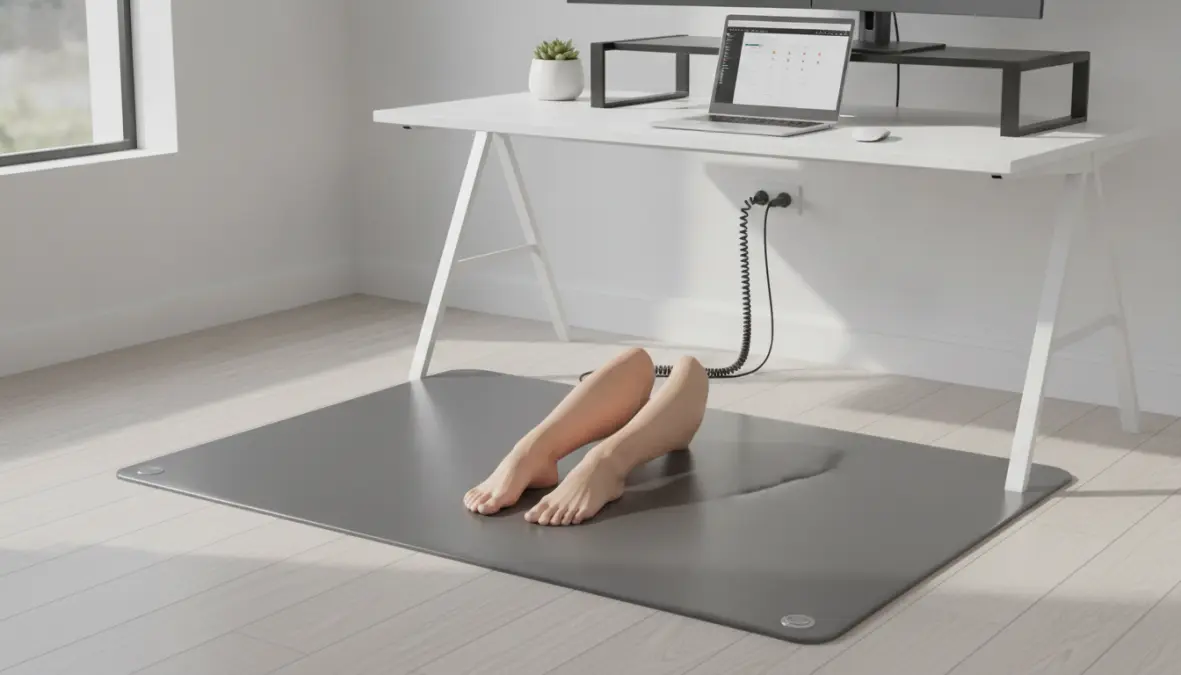
For those seeking convenience, grounding mat benefits include the ability to practice earthing indoors. These mats connect to the ground port of electrical outlets or to grounding rods placed outside, theoretically providing the same electron transfer while you work, sleep, or relax. Grounding sheets and pillowcases work on the same principle, allowing you to ground during sleep.
Earthing shoes feature conductive materials in the soles that claim to maintain Earth connection while providing protection. However, their effectiveness depends heavily on design and the surfaces you walk on.
The verdict? Direct barefoot contact offers the most reliable connection and costs nothing, but isn’t always practical. Grounding products provide convenience but require investment and careful selection to ensure quality. Similar to practices like forest bathing or wild swimming, the best approach might be combining natural outdoor grounding when possible with indoor products for consistent practice.
How to Practice Grounding: Simple Techniques to Get Started
Implementing grounding techniques health practices into your routine doesn’t require special skills or expensive equipment. Here’s how to get started with effective grounding therapy.
Start with how long to walk barefoot for grounding: many practitioners recommend beginning with just 20-30 minutes daily. Some sources suggest that even brief contact can initiate beneficial effects, though longer durations may provide more substantial benefits. The key is consistency rather than marathon sessions.
Morning grounding can help regulate your circadian rhythm and cortisol levels for the day ahead, while evening practice may promote relaxation and better sleep. Experiment to find what works best for your schedule and goals.
For optimal results, seek out grass, sand, or bare earth—these provide the best conductivity, especially when moist. Concrete can work when damp, but asphalt (being petroleum-based) doesn’t conduct effectively. Parks, beaches, and even your backyard offer perfect grounding opportunities.
Safety considerations are essential. Always check the area for broken glass, sharp objects, or debris before walking barefoot. In warmer climates, be mindful of hot surfaces that could burn your feet. Check for insects or parasites, particularly in unfamiliar areas. If you have diabetes or neuropathy affecting your feet, consult your healthcare provider before starting barefoot activities.
For city dwellers or those in cold climates, grounding mats offer a practical alternative. Even sitting with bare feet on grass during lunch breaks or standing barefoot on your balcony can provide grounding opportunities. The practice is adaptable—find what fits your lifestyle and environment.
Is Grounding Safe? Potential Risks and Considerations
While grounding is generally safe for most people, certain precautions warrant attention. If using grounding mats or sheets, ensure they’re properly installed and that your home’s electrical system is correctly grounded—faulty wiring could pose risks. Those with pacemakers or other electronic medical devices should consult their physician before using grounding products, as electromagnetic considerations apply.
Importantly, grounding should complement, not replace, conventional medical treatment. While it may offer supportive benefits, it’s not a cure for serious health conditions. If you’re managing chronic illness or pain, work with your healthcare provider to integrate grounding safely into your overall treatment plan. Like other complementary practices such as sound bathing, grounding works best as part of a holistic approach to wellness.
Whether you’re skeptical or intrigued, the beauty of grounding lies in its simplicity. There’s virtually no cost to removing your shoes and spending time on the Earth. While the science continues to evolve, millions of years of human evolution involved constant contact with the ground—perhaps there’s wisdom in occasionally reconnecting with that fundamental relationship. Why not give it a try? Your next barefoot walk might just surprise you.