Sulforaphane Benefits: How Cruciferous Vegetables Protect Your Cells
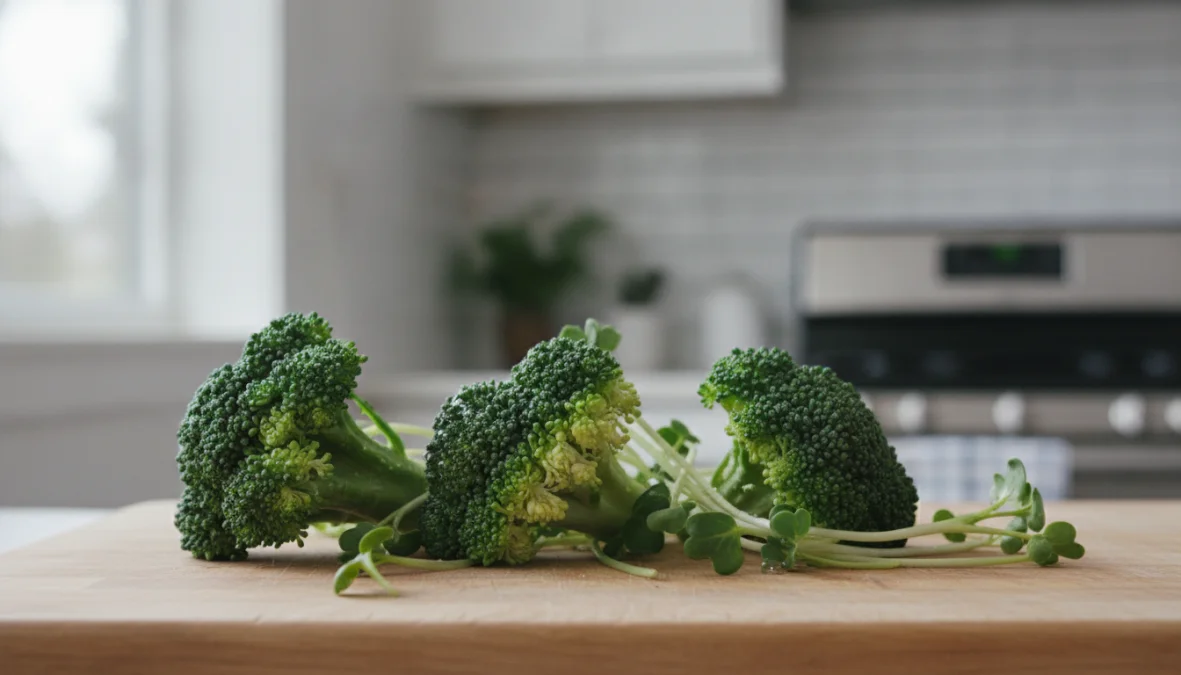
Ever wondered why nutrition experts constantly rave about broccoli and other leafy greens? The secret weapon hiding in these humble vegetables is a powerful compound called sulforaphane. This naturally occurring phytochemical doesn’t just make your mom’s advice to “eat your vegetables” sound wise—it backs it up with serious science. The sulforaphane benefits extend far beyond basic nutrition, potentially protecting your cells from damage, fighting inflammation, and even reducing cancer risk. Let’s dig into what makes this compound so special and how you can harness its power for better health.
What Is Sulforaphane and Why It Matters for Your Health
Sulforaphane is an isothiocyanate—a sulfur-containing compound that forms when you chew, chop, or digest cruciferous vegetables. Here’s how the magic happens: these vegetables contain an inactive precursor compound called glucoraphanin. When plant cells are damaged through cutting or chewing, an enzyme called myrosinase comes into contact with glucoraphanin and converts it into active sulforaphane.
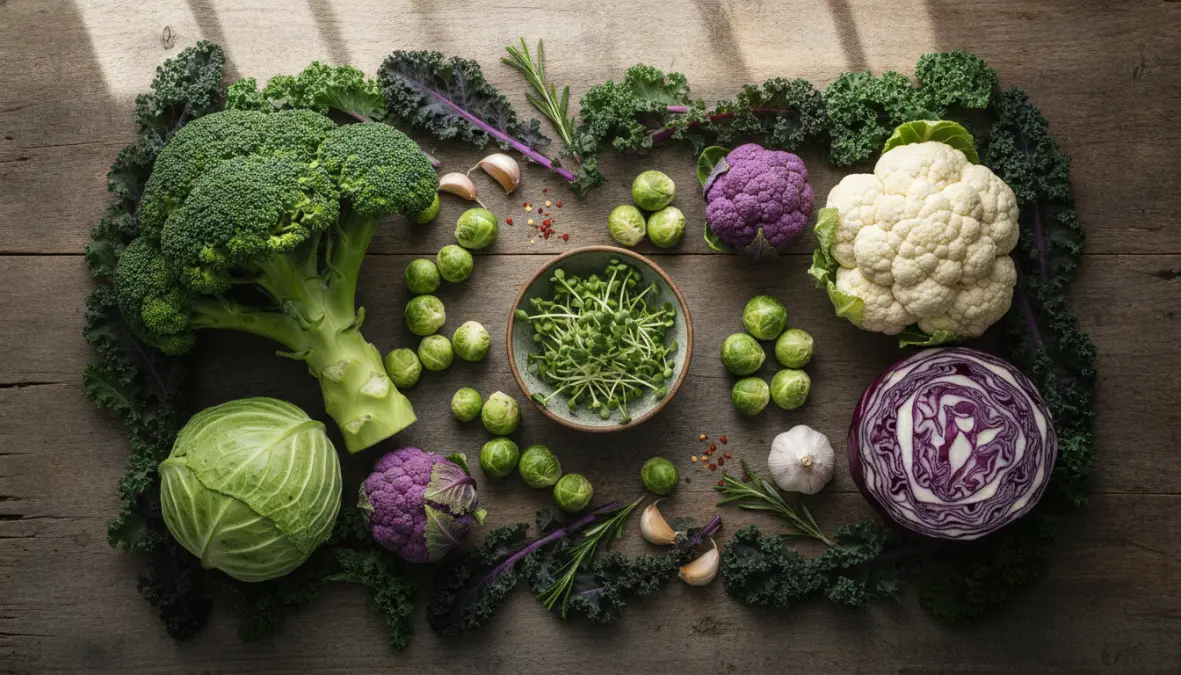
The primary sources of glucoraphanin foods include broccoli (especially broccoli sprouts, which contain up to 100 times more glucoraphanin than mature broccoli), Brussels sprouts, cauliflower, kale, cabbage, and bok choy. The compound was first isolated and identified by researchers at Johns Hopkins University in the 1990s, who discovered its remarkable ability to activate cellular defense mechanisms.
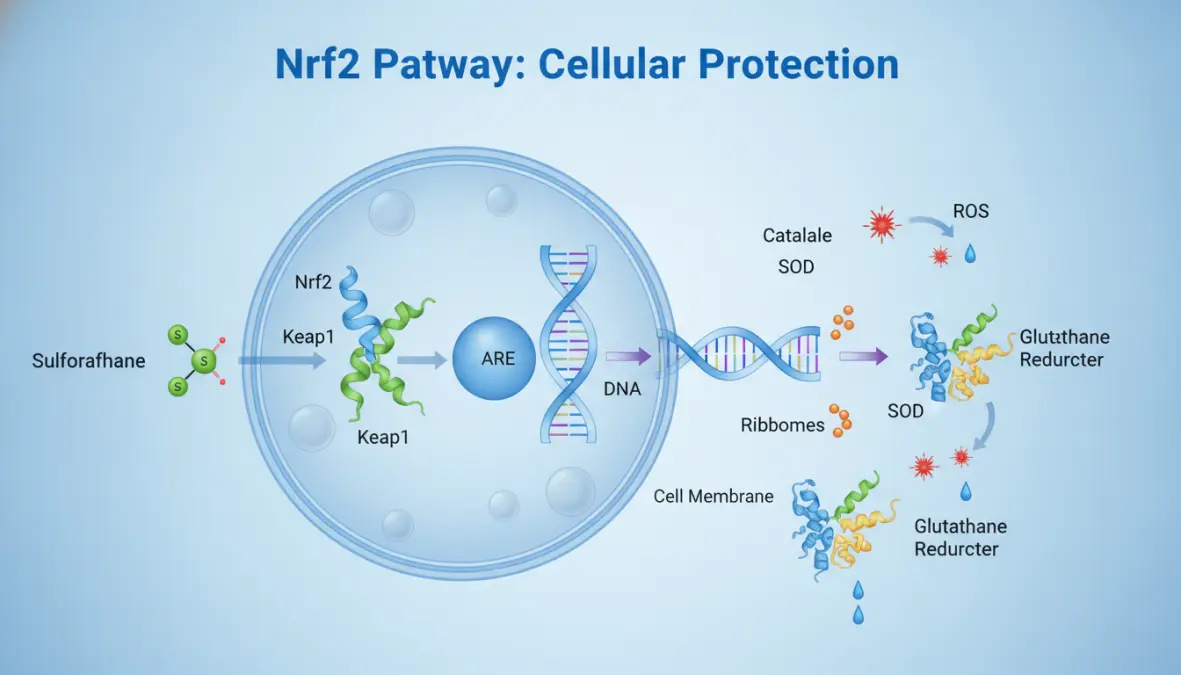
What makes broccoli sulforaphane particularly interesting is its interaction with the Nrf2 pathway—a critical cellular signaling system that regulates antioxidant and detoxification enzymes. When sulforaphane activates this pathway, it triggers your cells to produce their own protective compounds, creating a sustained defense against oxidative stress and toxins. Think of it as teaching your cells to protect themselves rather than just providing temporary protection.
Proven Sulforaphane Health Benefits: From Cancer Prevention to Brain Protection
The research on sulforaphane health benefits is genuinely impressive, with hundreds of studies demonstrating its protective effects across multiple body systems. Here’s what the science reveals:
Cancer Prevention and Treatment Support: Perhaps the most studied aspect of sulforaphane cancer prevention involves its multi-pronged approach to fighting malignancy. Research shows it can help neutralize carcinogens, prevent DNA damage, inhibit tumor growth, and even trigger cancer cell death (apoptosis) while leaving healthy cells unharmed. Studies have shown promising results against breast, prostate, colon, bladder, and lung cancers. While it’s not a cure, the evidence suggests regular consumption of cruciferous vegetables benefits may significantly reduce cancer risk.
Powerful Antioxidant and Detoxification: Unlike typical antioxidants that work temporarily, the sulforaphane antioxidant effect is indirect and long-lasting. By activating the Nrf2 pathway, it boosts your body’s production of glutathione—often called the “master antioxidant”—and enhances phase II detoxification enzymes that help eliminate harmful compounds. This makes it particularly valuable for protecting against environmental toxins and pollutants.
Brain Health and Neuroprotection: Emerging research on sulforaphane benefits for brain health shows it may protect against neurodegenerative diseases like Alzheimer’s and Parkinson’s. It crosses the blood-brain barrier, where it reduces inflammation and oxidative stress—two key factors in cognitive decline. Some studies suggest it may even improve autism spectrum disorder symptoms.
Cardiovascular Protection: Sulforaphane helps reduce inflammation in blood vessels, lower blood pressure, and prevent oxidative damage to the cardiovascular system. This multi-faceted approach makes it valuable for heart health maintenance.
Anti-Inflammatory Effects: Wondering does sulforaphane help with inflammation? Absolutely. It suppresses inflammatory markers throughout the body, potentially benefiting conditions from arthritis to inflammatory bowel disease. Similar to how practices like cold water therapy activate beneficial stress responses, sulforaphane triggers protective cellular pathways that reduce chronic inflammation.
Metabolic and Diabetes Support: Studies show sulforaphane may improve insulin sensitivity, reduce blood sugar levels, and protect against diabetic complications by preventing oxidative damage to organs.
How to Get Sulforaphane: Food Sources, Supplements, and Optimal Dosage
Understanding the best cruciferous vegetables for sulforaphane can help you maximize your intake. Here’s your practical guide:
Top Food Sources: Broccoli sprouts reign supreme—just one ounce contains as much glucoraphanin as 1-2 pounds of mature broccoli. When asking how much sulforaphane in broccoli sprouts, studies show 3-5 day old sprouts contain approximately 73 mg of glucoraphanin per ounce. Other excellent sources include raw broccoli, Brussels sprouts, cabbage, kale, cauliflower, and arugula.
Preparation Matters: To maximize sulforaphane formation, the myrosinase enzyme must remain active. Lightly steaming vegetables for 3-4 minutes preserves myrosinase while making them more digestible. Boiling destroys both the enzyme and glucoraphanin, significantly reducing benefits. Raw consumption is ideal, but if you must cook thoroughly, add a pinch of mustard powder (rich in myrosinase) to reactivate the conversion process. Wondering how to increase sulforaphane absorption? Pair cruciferous vegetables with healthy fats and chew thoroughly to maximize enzyme activity.
Sulforaphane Supplements: When asking are sulforaphane supplements effective, the answer depends on formulation. Look for supplements containing glucoraphanin with active myrosinase, or direct sulforaphane in stabilized form. Quality varies significantly between brands, so choose products with third-party testing.
Optimal Dosage: Research on sulforaphane dosage typically uses 20-40 mg of sulforaphane daily for therapeutic effects, equivalent to about 1-2 cups of broccoli sprouts or 3-5 cups of chopped broccoli. For supplements, follow manufacturer recommendations, usually ranging from 30-60 mg of glucoraphanin daily. Just as optimizing your environment supports wellbeing, consistent daily intake of sulforaphane-rich foods provides cumulative protective benefits.
FAQ
How much sulforaphane should I take daily?
Research suggests 20-40 mg of actual sulforaphane daily provides health benefits, achievable through 1-2 cups of broccoli sprouts or quality supplements containing 30-60 mg of glucoraphanin. Start with food sources when possible, as they provide additional beneficial phytochemicals and fiber.
Are sulforaphane supplements as effective as broccoli?
High-quality supplements containing both glucoraphanin and active myrosinase can be effective, but whole foods offer additional nutrients, fiber, and compounds that work synergistically. Supplements are useful when consistent vegetable consumption isn’t practical, but shouldn’t completely replace cruciferous vegetables benefits from whole foods.
Can sulforaphane really prevent cancer?
While not a guaranteed prevention or cure, substantial research shows regular sulforaphane consumption may significantly reduce cancer risk through multiple mechanisms: neutralizing carcinogens, preventing DNA damage, inhibiting tumor growth, and promoting cancer cell death. Population studies consistently show those eating more cruciferous vegetables have lower cancer rates.
What are the side effects of sulforaphane?
Sulforaphane is generally very safe when consumed through food or appropriate supplement doses. Some people experience mild digestive discomfort, gas, or bloating from cruciferous vegetables due to their fiber and sulfur content. Those with thyroid issues should consult healthcare providers, as excessive raw cruciferous vegetable consumption may affect thyroid function.
How long does it take to see sulforaphane benefits?
Some effects, like antioxidant enzyme activation, begin within hours of consumption. However, most noticeable health improvements—reduced inflammation markers, improved detoxification, or metabolic changes—typically emerge after several weeks of consistent intake. Long-term benefits for cancer prevention and brain health develop over months to years of regular consumption.
The remarkable sulforaphane benefits demonstrate how powerful food can be as medicine. Whether you’re adding broccoli sprouts to your morning smoothie, steaming Brussels sprouts for dinner, or taking a quality supplement, you’re activating ancient cellular defense mechanisms that protect against modern health challenges. Like other wellness practices such as connecting with nature or vibrational healing, harnessing sulforaphane is about working with your body’s natural protective systems. Start small, stay consistent, and let these humble vegetables work their cellular magic.