VOC Removal: Complete Guide to Eliminating Volatile Organic Compounds from Your Home
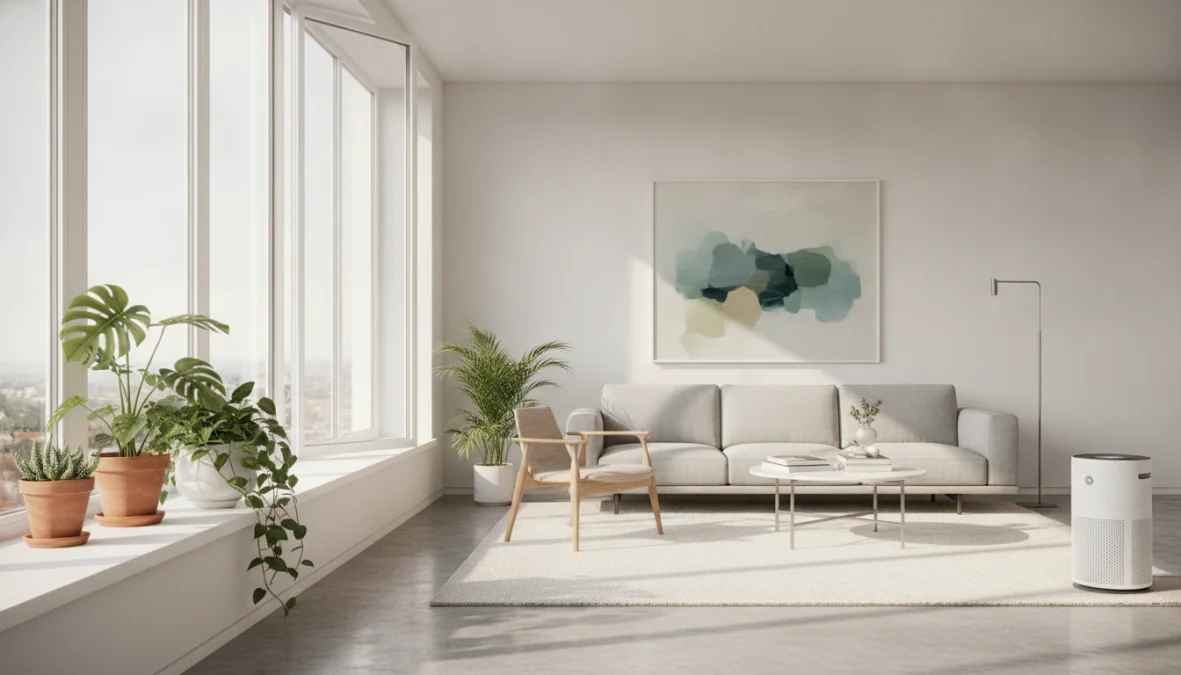
Ever walked into a freshly painted room and felt that distinctive chemical smell that makes your head spin? Or noticed a persistent odor coming from new furniture that just won’t go away? Those aren’t just unpleasant smells—they’re signs of volatile organic compounds (VOCs) off-gassing into your home’s air. The good news? VOC removal is entirely achievable with the right knowledge and approach, and you don’t need to be a scientist to make your indoor air significantly cleaner and healthier.
While we often worry about outdoor pollution, the reality is that our indoor environments can harbor concentrations of pollutants up to five times higher than outdoor air. Understanding how to tackle these invisible threats is essential for protecting your family’s health and creating a truly safe living space.
Understanding VOCs and Their Impact on Indoor Air Quality
Volatile organic compounds are carbon-containing chemicals that easily evaporate at room temperature, releasing gases into the air you breathe. The term “volatile” refers to how quickly these substances transition from solid or liquid form into vapor—and that’s precisely what makes them problematic for indoor air quality VOC levels.
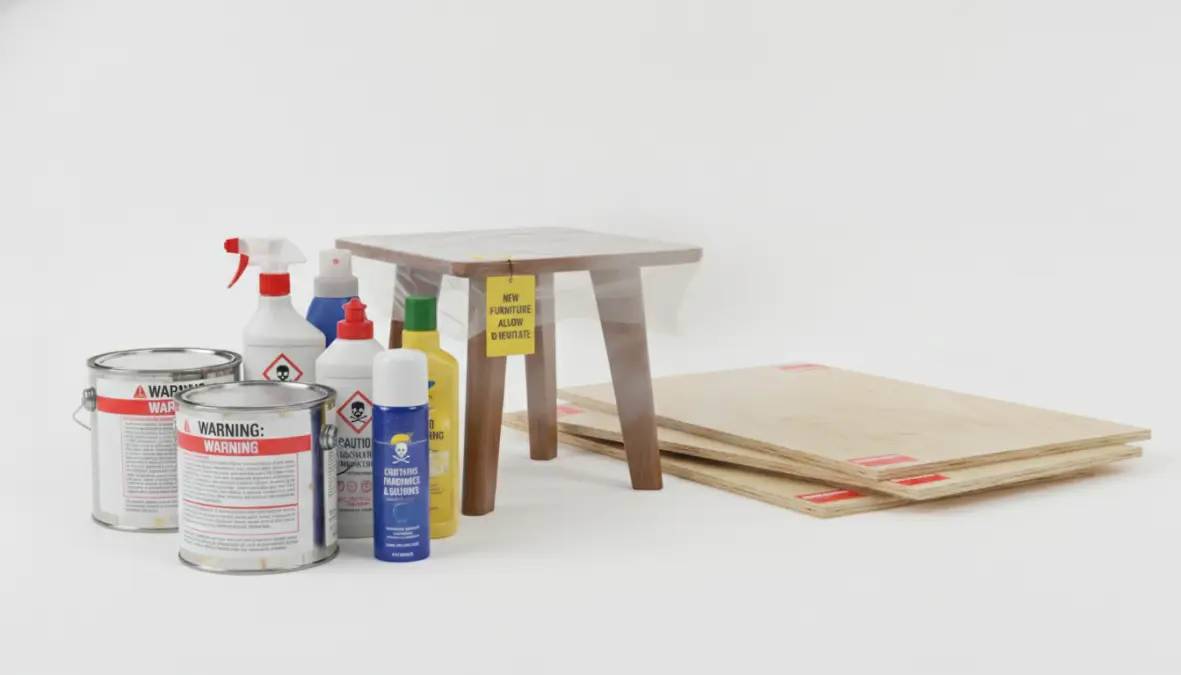
Common household sources of VOCs include paints, varnishes, cleaning products, air fresheners, cosmetics, building materials like plywood and particleboard, carpeting, upholstered furniture, and even dry-cleaned clothing. That “new car smell” or “new furniture smell” many people find pleasant? That’s actually a cocktail of VOCs being released through a process called off-gassing.
The health implications of volatile organic compounds removal shouldn’t be underestimated. Short-term exposure can cause headaches, dizziness, eye and throat irritation, nausea, and difficulty breathing. For individuals with chemical sensitivity or asthma, these effects can be particularly severe. Long-term exposure to certain VOCs has been linked to liver and kidney damage, central nervous system damage, and even cancer. Formaldehyde, one of the most common indoor VOCs, is classified as a known human carcinogen.
Why are indoor concentrations typically higher than outdoor levels? It comes down to containment and source proximity. Our homes trap these chemicals inside, especially in well-sealed, energy-efficient buildings with limited air exchange. We’re also in closer, more constant contact with VOC sources indoors than we would be outside, where pollutants disperse more readily.
Effective VOC Removal and Reduction Methods
Successfully tackling VOC elimination requires a multi-pronged approach combining prevention, source control, and active removal techniques. Think of it as a comprehensive strategy rather than a single solution—because indoor air pollutants come from multiple sources, your response needs to be equally diverse.
Source Control and Prevention Strategies
The most effective VOC reduction methods start with prevention. Before VOCs ever enter your air, you can dramatically reduce your exposure by making smarter purchasing decisions. When buying paints, adhesives, or finishes, specifically seek out products labeled as “low-VOC” or “zero-VOC.” These formulations have been reformulated to minimize or eliminate volatile compounds without sacrificing performance.
Look for furniture and building materials certified by programs like GREENGUARD Gold or FloorScore, which verify that products meet strict chemical emissions standards. When you do bring home items that off-gas—whether it’s new furniture, carpeting, or recent renovations—maximize ventilation during the initial weeks when off-gassing prevention is most critical.
Proper storage matters too. Keep paints, solvents, pesticides, and cleaning products in well-sealed containers, preferably in garages or sheds rather than living spaces. Only purchase what you’ll use within a reasonable timeframe, and dispose of old or unused chemicals through proper hazardous waste programs. For questions like “how long do VOCs last in new furniture,” the answer varies—typically several weeks to months, depending on the materials and ventilation.
Active VOC Removal Techniques
When it comes to actively removing existing VOCs, ventilation is your first and most powerful tool. Opening windows and creating cross-breezes allows fresh outdoor air to dilute and flush out indoor air pollutants. This is especially crucial when asking “how to remove VOCs from indoor air” after activities like painting. For VOC removal after painting house, maintain maximum ventilation for at least 48-72 hours, using fans to accelerate air exchange.
Mechanical ventilation systems, including exhaust fans in kitchens and bathrooms, should run during and after activities that generate VOCs. If you’re considering upgrades, whole-house ventilation systems with heat recovery can provide continuous fresh air without excessive energy loss—a consideration that might interest those who’ve read about efficiency in contexts like environmental sustainability.
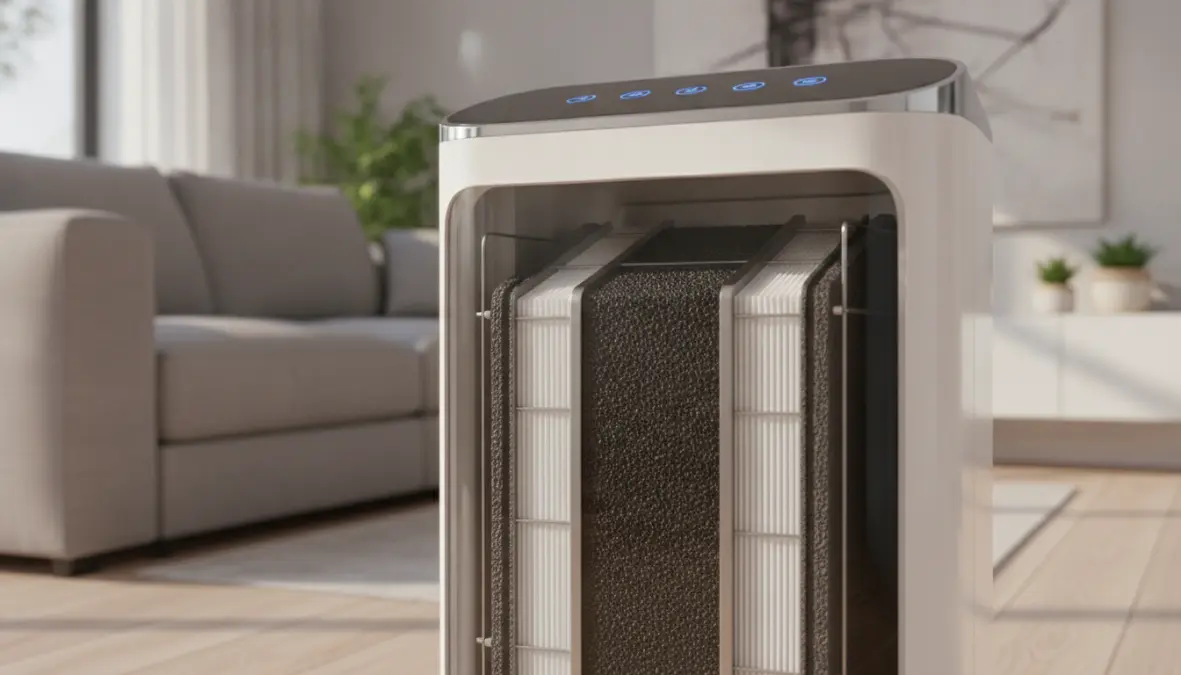
For air purification VOC, not all purifiers are created equal. Standard HEPA filters excel at capturing particulates but do little for gaseous VOCs. The best air purifier for VOC removal combines activated carbon filtration with other technologies. Activated carbon for VOC removal works through adsorption—VOC molecules stick to the carbon’s massive surface area. Look for purifiers with substantial carbon filter weight (at least several pounds) for meaningful effectiveness.
Advanced VOC filtration systems may incorporate photocatalytic oxidation (PCO) or other technologies that actually break down VOCs rather than just capturing them. When integrated into HVAC systems, these provide whole-home protection rather than single-room coverage.
Regarding houseplants, while NASA’s famous study showed certain plants can absorb VOCs in sealed chamber conditions, real-world effectiveness is limited. You’d need dozens of plants per room to notice measurable impact. Consider them a pleasant supplementary measure for natural ways to eliminate VOCs at home, but don’t rely on them as a primary strategy.
FAQ: Common Questions About VOC Removal
How do I know if I have VOCs in my home?
Professional air quality testing provides the most accurate assessment, with services ranging from DIY test kits (around $100-200) to comprehensive professional evaluations ($300-500). However, telltale signs include persistent chemical odors, symptoms like headaches or irritation that improve when you leave home, and the presence of known VOC sources like recent renovations, new furniture, or frequent use of cleaning products and air fresheners.
How long does it take to eliminate VOCs after painting?
Most paint VOCs dissipate significantly within 2-3 days with proper ventilation, but complete off-gassing can continue for weeks. Low-VOC paints reduce this timeframe considerably. Continue ventilating for at least a week after painting, and consider sleeping elsewhere for the first few nights if you’re sensitive to chemicals.
Do budget air purifiers work for VOCs?
Unfortunately, most inexpensive purifiers ($50-150) lack sufficient activated carbon to meaningfully reduce VOCs. They may have a thin carbon pre-filter, but this quickly saturates. Effective VOC removal typically requires investing in purifiers with substantial carbon filters ($200-600+), with replacement filters costing $50-150 annually.
Do indoor plants really remove VOCs?
While plants do absorb some VOCs, research shows you’d need approximately one plant per 10 square feet to achieve the removal rates seen in controlled studies—far more than practical for most homes. Plants contribute modestly to formaldehyde reduction and general air quality but shouldn’t be your primary VOC removal strategy.
Which rooms typically have the highest VOC levels?
Kitchens (from cooking, cleaning products), bathrooms (personal care products, cleaning agents), garages (stored chemicals, paints), and newly renovated spaces tend to have elevated concentrations. Bedrooms with new furniture or VOC removal from new carpet concerns also warrant attention, especially given we spend 6-8 hours there nightly.
Creating a healthier home environment through effective remove VOCs from home strategies doesn’t require extreme measures or massive investments. Start with source control by choosing low-VOC products, maximize natural ventilation whenever possible, invest in a quality air purifier with activated carbon for bedrooms and main living areas, and test your air quality if you have persistent concerns or health symptoms. Just as we’re becoming more mindful of health optimization in areas explored in topics like biohacking, taking control of your indoor air quality is one of the most impactful steps you can take for long-term wellness. Your lungs—and your family—will thank you for it.