Upcycled Fashion Brands: Designer Collections Transforming Waste into Luxury
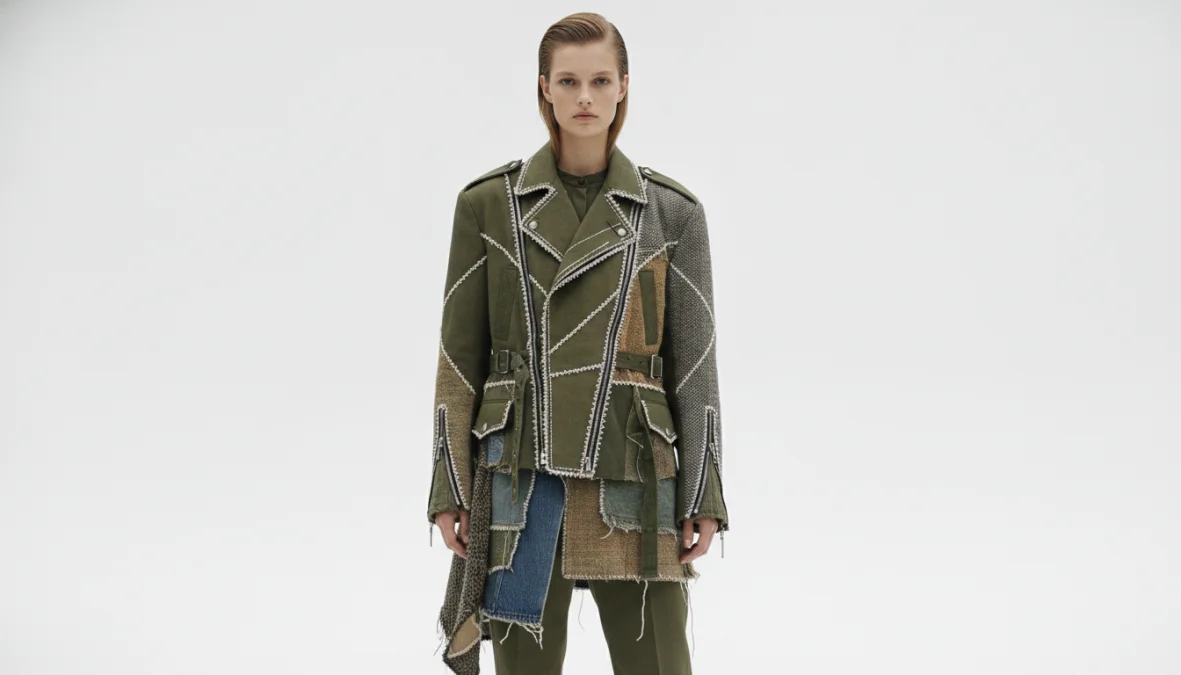
Fashion’s dirty secret isn’t just about sweatshops or carbon emissions—it’s about the mountains of perfectly good fabric ending up in landfills every single day. But here’s the exciting part: a new wave of upcycled fashion brands is flipping the script, transforming discarded materials into covetable luxury pieces that make you look good and feel good. Unlike your typical sustainable fashion brands that focus on organic cotton or ethical production, these designers are literal alchemists, turning yesterday’s waste into tomorrow’s wardrobe staples.
What Makes Upcycled Fashion Brands Different from Sustainable Fashion
Let’s clear up the confusion first. While all upcycled fashion brands fall under the sustainable umbrella, not all sustainable fashion brands are upcycling. Recycling breaks down materials to their base components and creates something new—think plastic bottles becoming polyester thread. Upcycling, on the other hand, takes existing materials and transforms them into higher-value products without breaking them down. It’s the difference between melting down a vintage leather jacket to extract raw materials versus cutting it up to create a stunning handbag.
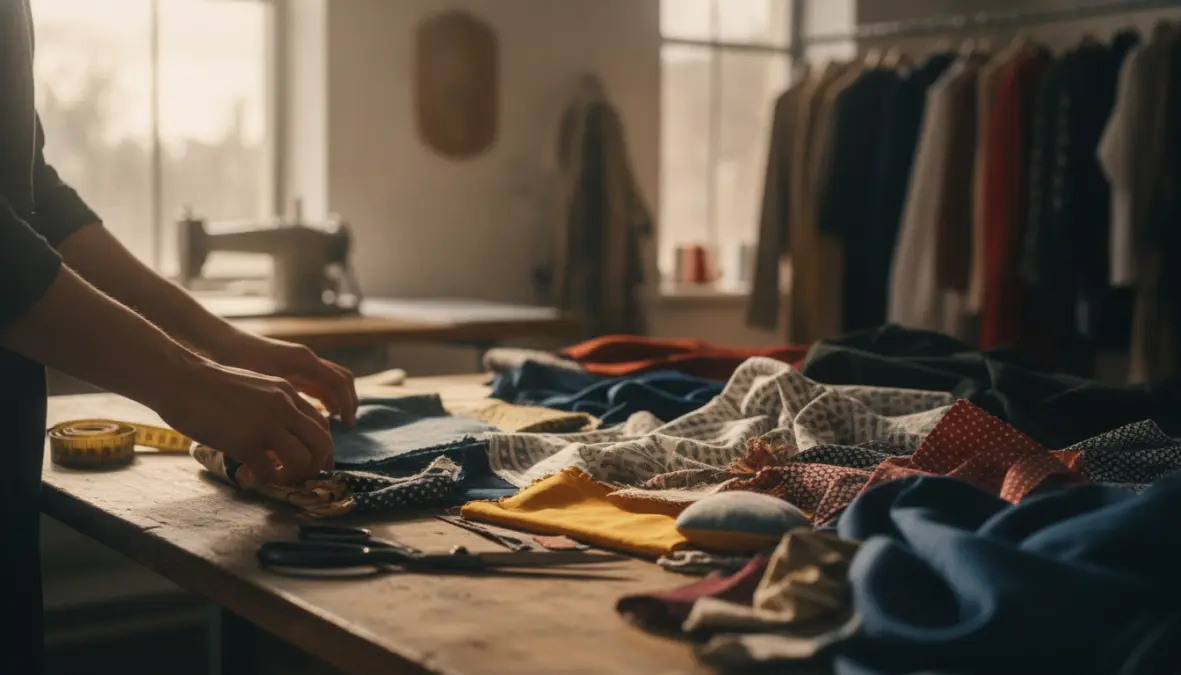
The creative process behind upcycled clothing is where things get seriously interesting. Recycled fashion designers work backwards from traditional design—instead of sketching first and sourcing materials later, they start with what’s available: deadstock fabrics, vintage garments, industrial waste, even parachutes and fire hoses. This constraint actually fuels innovation, resulting in truly one-of-a-kind pieces that fast fashion could never replicate.
The environmental benefits are staggering. Circular fashion brands that focus on upcycling reduce CO2 emissions by up to 82% compared to creating new fabrics from scratch. They save thousands of gallons of water (conventional cotton production is notoriously thirsty), and most importantly, they divert textile waste from landfills where it would otherwise decompose and release methane. The zero waste fashion philosophy takes this even further—some brands use literally every scrap, with offcuts becoming stuffing, accessories, or packaging materials. This approach fundamentally differs from “sustainable fast fashion” (somewhat of an oxymoron), which still operates on the produce-consume-dispose model, just with slightly greener materials.
Top Upcycled Fashion Brands and Their Signature Collections
Ready to meet the pioneers turning trash into treasure? These ethical fashion labels are proving that eco-friendly fashion doesn’t mean sacrificing style.
Marine Serre has become the poster child for high-end upcycled fashion, with her iconic crescent moon logo appearing on everything from regenerated silk scarves to reconstructed denim. She sources roughly 50% of materials from deadstock and vintage finds, creating futuristic silhouettes from pre-loved fabrics. Expect to pay $300-$2,000+ for her pieces, available through her website and luxury retailers like Net-a-Porter.
Christopher Raeburn literally built his brand on military surplus, transforming parachutes and flight jackets into streetwear-meets-luxury outerwear. His “REMADE” line guarantees each piece is unique, crafted from decommissioned military gear. The aesthetic is utilitarian-cool with prices ranging from $200-$800. Check out his London flagship or shop online for these conversation-starter jackets.
Elvis & Kresse tackles a specific waste stream: decommissioned fire hoses rescued from the London Fire Brigade. These blackened, textured materials become surprisingly sophisticated bags, belts, and accessories. They’ve expanded to upcycling Burberry leather scraps and parachute silk. Price point sits around $100-$600, with 50% of profits from the fire-hose line going to firefighter charities. Available directly through their website.
Reformation isn’t purely upcycled but deserves mention for their “RefRecycled” collection using deadstock and repurposed vintage clothing. Their strength is making upcycled clothing look effortlessly trendy rather than eco-warrior serious. Dresses run $100-$300, bridging the gap between fast fashion prices and luxury price tags. Shop online or at their Instagram-worthy stores.
Patagonia Worn Wear pioneered the brand-operated resale and repair model. While not upcycled in the traditional sense, they’re extending garment lifecycles and keeping textiles in circulation—a core tenet of zero waste fashion. Their “ReCrafted” collection transforms damaged returns into new designs. Prices vary wildly based on original items. Browse online with filters for condition and style.
Fanfare Label specializes in vintage-luxury-meets-streetwear, deconstructing pre-loved designer pieces and reconstructing them into contemporary silhouettes. Think half-Burberry-trench-half-denim-jacket creations. Each piece is genuinely unique with prices from $150-$500. Follow their Instagram for drops—pieces sell fast.
For those seeking affordable options, Beyond Retro offers upcycled vintage at accessible price points ($30-$150), with regular reworked collections breathing new life into thrift finds. Their London and online presence makes sustainable style accessible without the luxury markup.
How to Shop and Style Upcycled Fashion
Convinced you need some upcycled fashion brands in your life? Here’s your practical shopping guide. Start with dedicated online marketplaces like The Renewal Workshop, Queen of Raw (wholesale deadstock), and Vestiaire Collective’s sustainable edit. Concept stores like The Mercantile in London or Reformation’s physical locations curate selections that take the guesswork out.
Verifying authenticity matters—greenwashing is real. Look for transparency: genuine circular fashion brands openly share their sourcing processes, show behind-the-scenes content, and provide specifics about materials. Certifications like Cradle to Cradle or B Corp status add credibility. Be wary of vague claims like “eco-conscious” without supporting details.
Price expectations should shift with upcycled pieces. Yes, they’re often more expensive than fast fashion—sometimes comparable to luxury brands—but remember you’re paying for labor-intensive craftsmanship, limited quantities, and genuine environmental impact. That said, brands like Beyond Retro and Depop sellers prove upcycled clothing doesn’t have to break the bank. Consider cost-per-wear: a $400 unique jacket you’ll treasure for decades beats $40 trendy pieces worn twice.
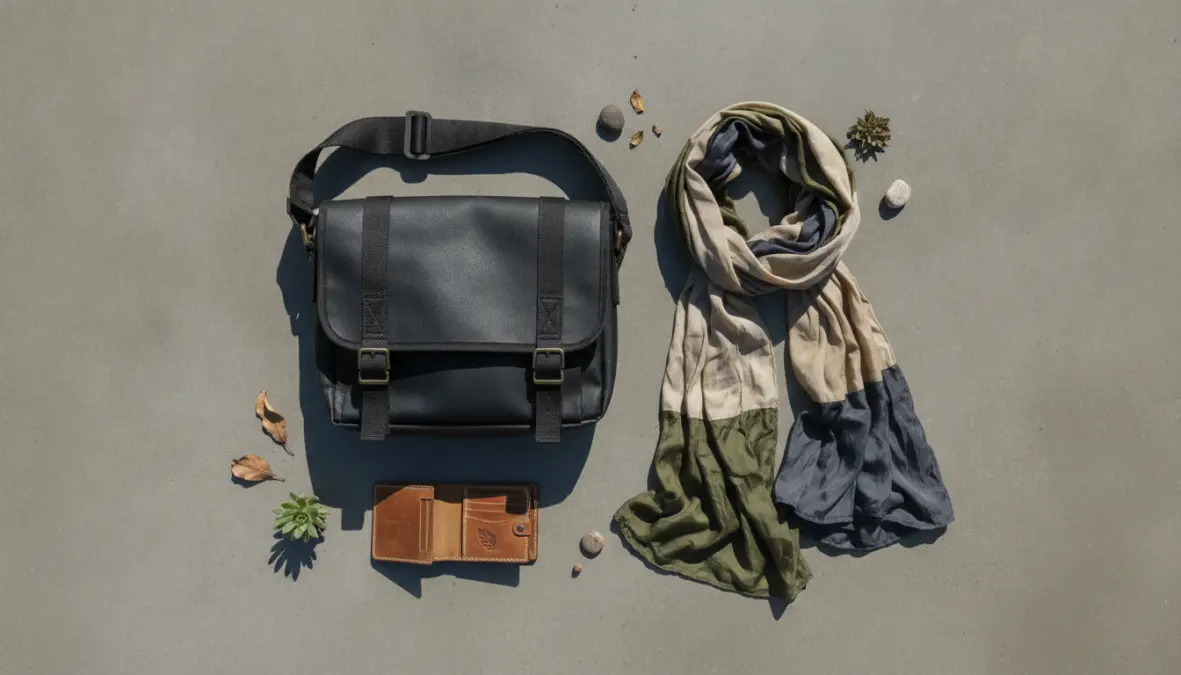
Styling upcycled pieces works best when you treat them as statement items. Pair that reconstructed Marine Serre top with simple black trousers. Let that Elvis & Kresse fire-hose bag be the conversation starter against minimalist neutrals. The beauty of upcycled fashion brands is each piece already has a story—your styling should let that narrative shine. Much like building a minimalist wardrobe, incorporating upcycled pieces encourages intentional consumption over trend-chasing.
Care instructions matter with upcycled garments. Pre-consumer waste and post-consumer materials may have different fabric compositions within the same garment. Always follow care labels, consider professional cleaning for complex pieces, and embrace natural aging—patina adds character to these already-unique items.
FAQ: Upcycled Fashion Brands
What is the difference between upcycled and recycled fashion?
Upcycled fashion transforms existing materials into higher-value products without breaking them down chemically or mechanically. Recycled fashion breaks materials into base components (like shredding polyester into pellets) before creating new fabrics. Upcycling typically requires less energy and preserves original material quality while creating unique, one-of-a-kind pieces rather than mass-produced items.
Are upcycled fashion brands more expensive?
Luxury upcycled fashion brands often match traditional luxury pricing ($300-$2,000+) due to labor-intensive craftsmanship and limited quantities. However, affordable upcycled fashion brands exist at $30-$150 price points. The cost reflects skilled artisan work, sustainable practices, and uniqueness rather than mass production economies of scale. Consider cost-per-wear for long-term value.
Which luxury brands use upcycled materials?
Marine Serre leads high-end upcycled fashion collections, alongside Christopher Raeburn and Maison Margiela’s Recicla line. Stella McCartney incorporates reclaimed materials, while Burberry partners with Elvis & Kresse for leather waste transformation. Even heritage houses like Hermès experiment with textile waste reduction through limited upcycled collections, though dedicated upcycled brands remain more committed to the practice.
Is upcycled fashion truly sustainable?
Yes, when done authentically. Upcycled fashion reduces carbon emissions by up to 82%, diverts textiles from landfills, and conserves water compared to virgin material production. It supports the circular economy fashion model and combats pre-consumer waste. However, verify brand transparency—genuine sustainable design involves ethical labor, minimal additional resource use, and honest material sourcing, not just marketing buzzwords.
Where can I buy upcycled clothing online?
Shop designer brands using recycled materials directly through Marine Serre, Christopher Raeburn, and Elvis & Kresse websites. Marketplaces like The Renewal Workshop, Queen of Raw, and Vestiaire Collective’s sustainable section curate multiple brands. For affordable options, try Beyond Retro, Depop’s upcycled sellers, and Reformation’s RefRecycled collection. Always verify seller credentials and material sourcing transparency.
The shift toward upcycled fashion brands represents more than a trend—it’s a fundamental rethinking of fashion’s relationship with waste. Similar to how innovative materials like mycelium leather are challenging traditional supply chains, upcycling disrupts the linear take-make-dispose model. As conscious consumerism grows and the slow fashion movement gains momentum, these brands prove that luxury and sustainability aren’t mutually exclusive. Your next wardrobe addition doesn’t have to cost the earth—literally. Start with one piece, ask questions, support transparency, and watch your style transform alongside your values.