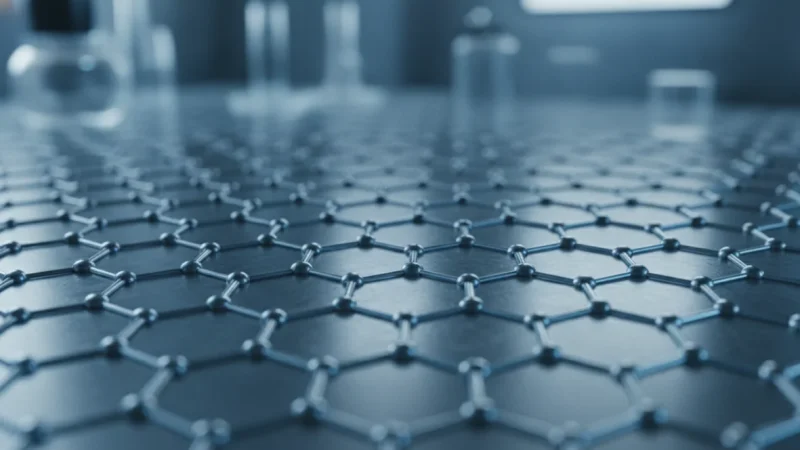
Biosynthetic Fabrics: The Future of Lab-Grown Materials Beyond Mycelium Leather

Imagine wearing a jacket grown in a lab, stitched together from spider silk proteins brewed in bioreactors, or slipping into sneakers made from mushroom roots cultivated in vertical farms. This isn’t science fiction—it’s the emerging reality of biosynthetic fabrics, a revolution in materials science that’s reshaping how we think about clothing, accessories, and textiles. While mycelium leather has captured headlines as the poster child of lab-grown materials, it’s just the tip of the iceberg. From bacterial cellulose to engineered collagen, the world of bio-fabricated textiles is exploding with possibilities that go far beyond fungi.
What Are Biosynthetic Fabrics and How Do They Work?
At their core, biosynthetic fabrics are materials created through biological processes in controlled laboratory environments rather than harvested from animals, plants, or petrochemicals. Unlike traditional textiles that require farming livestock or growing crops across vast land, and unlike conventional synthetics derived from fossil fuels, bio-fabricated materials leverage living organisms—bacteria, yeast, fungi, or even animal cells—to produce fibers, leathers, and fabrics from the ground up.
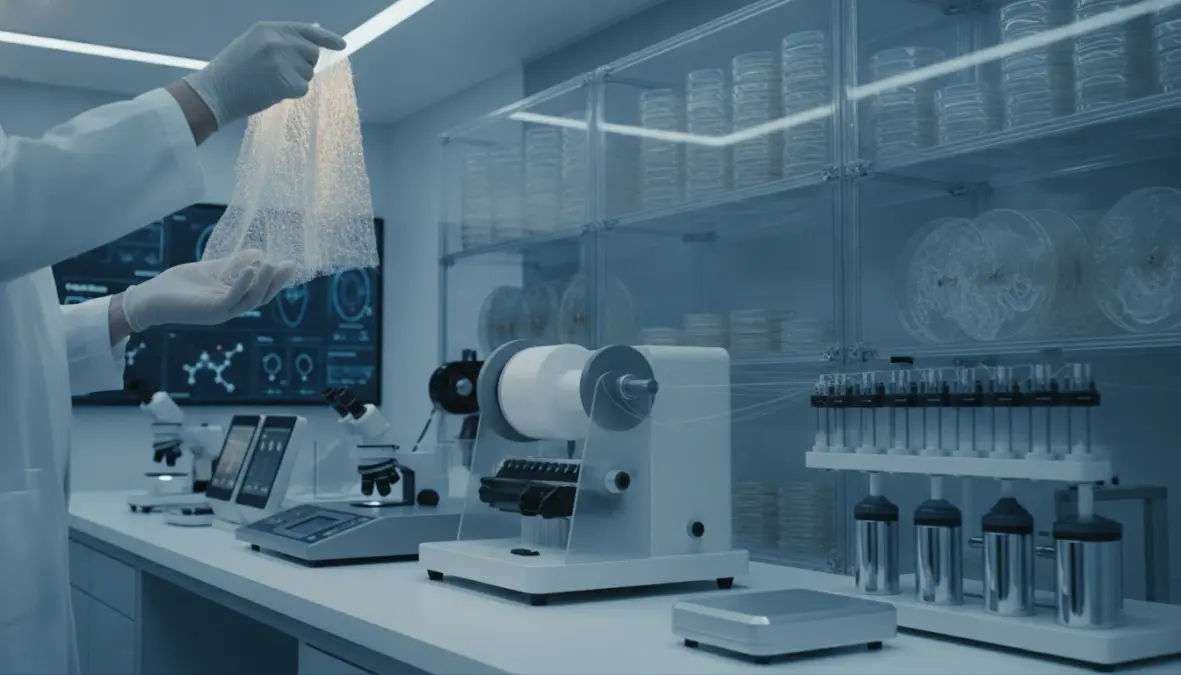
The magic happens through synthetic biology textiles processes. Scientists program microorganisms or cells to produce specific proteins, polymers, or cellulose structures. These organisms are then cultivated in bioreactor cultivation systems—essentially giant fermentation tanks where they’re fed nutrients and encouraged to multiply and produce the desired material. Think of it like brewing beer, except instead of alcohol, you’re harvesting collagen fibers or cellulose sheets.
The process typically involves several stages: isolating the genetic code for the desired material (say, spider silk protein), inserting that DNA into a host organism (often yeast or bacteria), cultivating these modified organisms in controlled conditions, and finally harvesting and processing the material they produce into usable fabric. This approach gives manufacturers unprecedented control over material properties—texture, strength, elasticity, and even color can be programmed at the molecular level. It’s cellular agriculture fashion meeting high-tech materials science, and it’s fundamentally different from both growing cotton and manufacturing polyester.
The Landscape of Biosynthetic Textiles: From Mycelium to Microbial Proteins
The world of biosynthetic textiles is remarkably diverse, extending far beyond the mycelium leather that first brought bio-fabrication into the mainstream fashion conversation. While fungal materials opened the door, a whole ecosystem of cultured fabrics has emerged, each with unique properties and applications. This biomaterial innovation landscape includes materials grown from bacteria, engineered proteins, algae, and cellular structures that would make a biology textbook look outdated.
Mycelium Leather: The Gateway to Bio-Fabrication
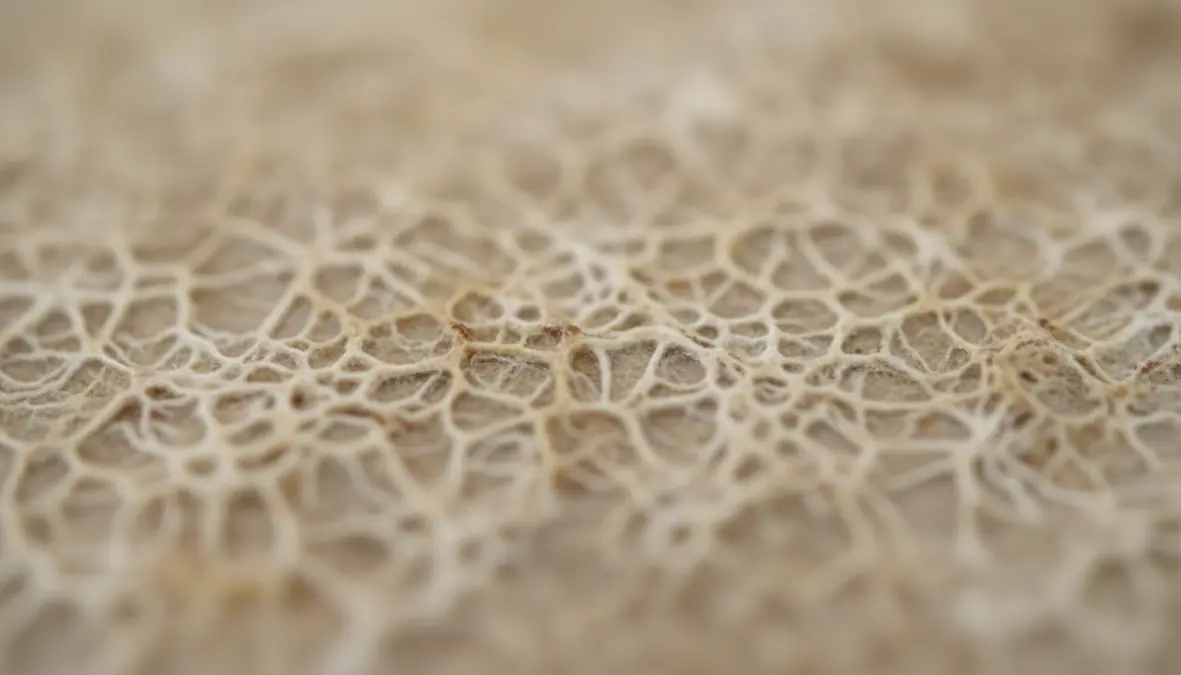
Mycelium leather deserves credit as the breakthrough that made cellular agriculture fashion tangible for consumers and brands alike. Made from the root structure of mushrooms, mycelium grows rapidly—often in just weeks—on agricultural waste like sawdust or corn stalks. Companies like Bolt Threads (with their Mylo material) and MycoWorks (Reishi) pioneered commercial production, partnering with fashion giants like Adidas, Stella McCartney, and Hermès to create bags, shoes, and garments.
The appeal is obvious: mycelium requires minimal water, no pesticides, and grows in vertical farms with tiny land footprints. The material can be engineered to mimic the texture and durability of animal leather while being entirely animal-free. Processing mycelium involves harvesting the mat of fungal roots, treating it to stop growth, and then tanning or finishing it much like traditional leather—but without the environmental devastation of cattle ranching. If you want to dive deeper into how mushroom-based materials are changing fashion, check out our detailed guide on mycelium leather alternatives.
Yet for all its promise, mycelium represents just one branch of the bio-fabrication family tree. It was the first to gain commercial traction partly because fungi are relatively easy to cultivate and the end product closely resembles a familiar material. But the future holds materials with properties that natural organisms never evolved.
Emerging Lab-Grown Materials Pushing Boundaries
Beyond fungi, the frontier of lab-grown materials is getting wild. Bacterial cellulose, for instance, is produced by certain bacteria that excrete pure cellulose fibers as they feed on sugar. Companies are cultivating these bacteria to create materials that are incredibly strong, moldable when wet, and can be shaped into three-dimensional forms—imagine growing a seamless t-shirt in a mold. Brands like Nanollose are turning agricultural waste into tree-free cellulose fabrics.
Then there’s lab-grown spider silk, perhaps the most futuristic of protein-based textiles. Natural spider silk is pound-for-pound stronger than steel and more elastic than rubber, but you can’t exactly farm spiders at scale. Companies like Bolt Threads (again) and Japan’s Spiber have genetically engineered yeast to produce spider silk proteins. These are fermented in bioreactors, spun into fibers, and woven into textiles with remarkable strength and softness. Spiber’s Brewed Protein material has been used in everything from outdoor apparel to luxury fashion.
Other innovations include lab-grown collagen from companies like VitroLabs and Modern Meadow, which culture animal cells without raising livestock, creating leather-like materials from actual collagen—the protein that makes animal skin supple. There’s even bioengineered cotton, where scientists are modifying the cotton plant’s genetic code to grow fibers with specific colors or enhanced properties, reducing the need for dyeing and chemical treatments. These bioengineered polymers and cellular materials represent how biosynthetic fabrics are revolutionizing sustainable fashion materials in ways that go far beyond simply replacing one material with another.
Benefits, Challenges, and the Future of Biosynthetic Fabrics
The promise of biosynthetic fabrics extends across environmental, ethical, and performance dimensions. Environmentally, these lab-grown materials slash the resource intensity of textile production. Traditional leather requires raising cattle—a process notorious for greenhouse gas emissions, deforestation, and massive water consumption. Cotton farming uses about 10% of global agricultural chemicals. Cultured fabrics, by contrast, can be produced in compact facilities with controlled inputs, dramatically reducing land and water use while eliminating pesticides and animal suffering entirely.
Many biosynthetic materials are also designed as biodegradable fabrics or compatible with circular economy textiles models—they can decompose naturally or be composted at end-of-life, unlike petroleum-based synthetics that persist for centuries. The customization potential is another massive advantage: manufacturers can dial in specific properties like water resistance, breathability, or tensile strength at the molecular level, creating performance fabrics tailored to exact specifications without the trial-and-error of breeding or chemical treatments.
Yet significant challenges remain before biosynthetic textiles dominate wardrobes. Scalability is the elephant in the room—fermentation and cultivation facilities require substantial capital investment, and current production volumes are tiny compared to conventional textile manufacturing. This translates to high costs: a mycelium leather bag might cost several times more than its cow leather equivalent. Regulatory frameworks are still catching up, particularly for materials involving genetic modification or cellular agriculture, creating uncertainty for manufacturers and brands.
Consumer acceptance also varies. While sustainability-conscious shoppers embrace bio-fabricated alternatives, others remain skeptical of “lab-grown” products or prefer the familiarity of traditional materials. Transparency about production processes and lifecycle impacts—similar to understanding carbon credits or regenerative agriculture practices—will be crucial for building trust.
Looking ahead, the trajectory seems clear: as bioreactor technology improves and production scales up, costs will fall and availability will expand. We’re likely to see biosynthetic fabrics first dominate niche markets—high-performance athletic wear, luxury fashion, medical textiles—before gradually permeating mass-market clothing. The timeline for mainstream adoption probably spans the next decade, requiring continued investment in infrastructure, clearer regulations, and sustained consumer education. The most exciting prospect? These materials might not just replace conventional fabrics—they could enable entirely new product categories we haven’t imagined yet, with properties nature never evolved and chemistry can’t easily replicate. The future of fashion might not be grown in fields or synthesized in refineries, but cultivated in bioreactors, one microscopic organism at a time.