Regenerative Agriculture Explained: Beyond Organic Farming Practices
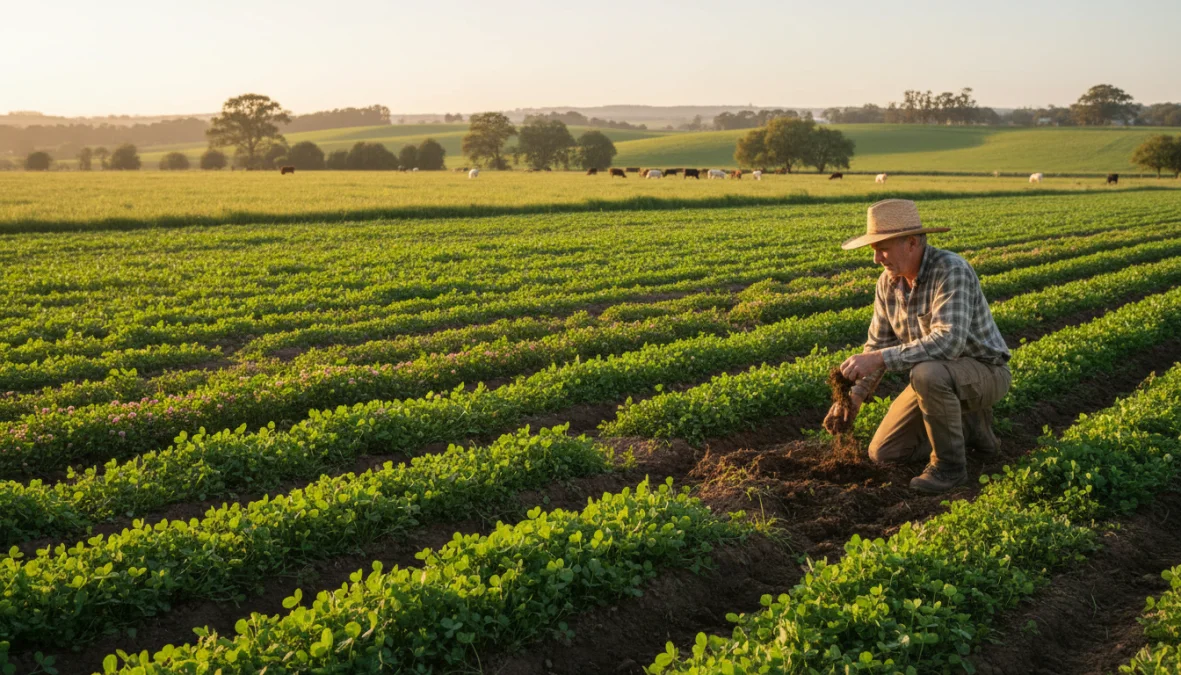
Picture a farm where the soil gets richer each season, where plants and animals work together in harmony, and where every harvest actually improves the land for future generations. Sound too good to be true? Welcome to the world of regenerative agriculture practices—a farming revolution that’s flipping conventional wisdom on its head and proving that agriculture can be part of the climate solution, not the problem.
While organic farming has dominated the sustainable food conversation for decades, a growing movement of farmers, scientists, and climate advocates are realizing we need to go further. Much further. It’s not just about what we don’t put on our fields anymore—it’s about what we actively do to heal them.
What Is Regenerative Agriculture and Why It Matters
At its core, regenerative agriculture practices represent a holistic approach to farming that focuses on rebuilding soil organic matter and restoring degraded soil biodiversity. Unlike conventional agriculture, which often depletes natural resources over time, regenerative methods aim to leave the land better than you found it—season after season, year after year.
The philosophy is simple yet profound: work with nature, not against it. This means viewing your farm as a complete ecosystem where soil microorganisms, plants, animals, water cycles, and even mycorrhizal fungi all play interconnected roles. When you support one element, you strengthen the entire system.
Why does this matter? Because our current food system is facing a crisis. Conventional farming has degraded approximately one-third of the world’s agricultural soils, and agriculture contributes roughly 10-12% of global greenhouse gas emissions. Climate-smart agriculture approaches like regenerative farming offer a way forward by sequestering atmospheric carbon in soils, enhancing biodiversity, improving water retention, and building farms that can weather extreme weather events. Plus, healthier soils produce more nutritious food and create more resilient farm businesses. It’s a win-win-win scenario that addresses ecological, climate, and economic challenges simultaneously.
Core Regenerative Agriculture Practices That Restore Ecosystems
So what exactly are regenerative farming methods in action? Let’s break down the key practices that form the foundation of soil health regeneration and carbon sequestration farming:
Cover Cropping: Instead of leaving soil bare between cash crops, farmers plant cover crops like clover, rye, or vetch. These living roots feed soil microbes, prevent erosion, suppress weeds, and pull carbon from the atmosphere into the ground. When properly managed, cover crops can add significant organic matter to soils while reducing the need for synthetic fertilizers. Implementing cover cropping in regenerative systems is often the first step many farmers take in their transition.
No-Till or Minimal Tillage: Traditional plowing disrupts soil structure, kills beneficial organisms, and releases stored carbon back into the atmosphere. No-till farming keeps soil intact, protecting the complex underground networks of roots, fungi, and bacteria that make soil truly alive. This practice alone can dramatically improve water infiltration and reduce erosion.
Crop Rotation and Diversification: Monocultures deplete specific nutrients and attract pests. Crop rotation involves planting different crops in sequence to break pest cycles, balance nutrient demands, and build soil health. Some farmers rotate between grains, legumes, and brassicas, while others integrate dozens of species.
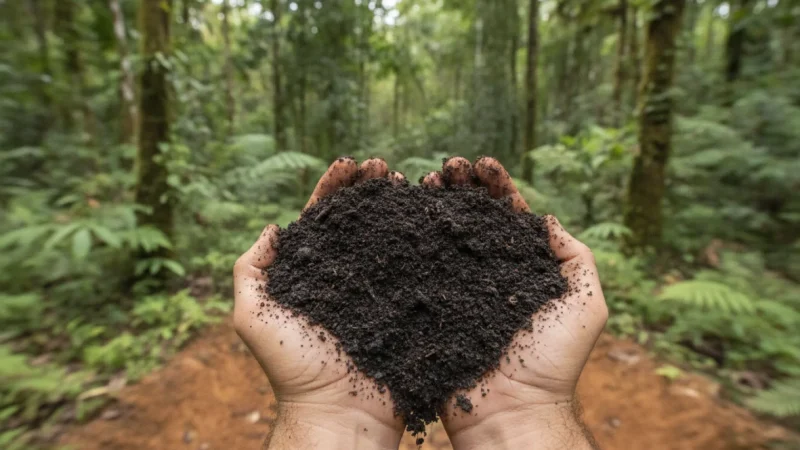
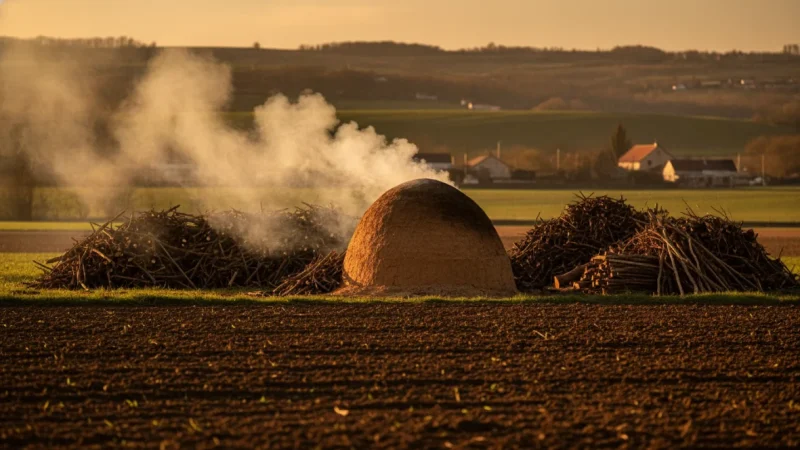
Composting and Organic Amendments: Rather than relying on synthetic fertilizers, regenerative farmers feed their soil with compost, manure, biochar, and other organic materials. Composting transforms waste into black gold, returning nutrients to the soil while fostering microbial diversity. This practice directly supports the mycorrhizal fungi networks that help plants access water and nutrients.
Rotational Grazing: When managed properly, livestock can be powerful regeneration tools. Rotational grazing involves moving animals frequently across pastures, mimicking how wild herds naturally behave. Animals fertilize the land, stimulate plant growth through grazing, and trample organic matter into the soil—all while preventing overgrazing. This is a cornerstone of holistic land management.
Agroforestry: Integrating trees with crops or livestock creates multiple benefits: trees sequester massive amounts of carbon, provide habitat for beneficial insects and birds, reduce wind erosion, and can even generate additional income through nuts, fruits, or timber. Agroforestry systems enhance biodiversity enhancement while creating more resilient farm ecosystems.
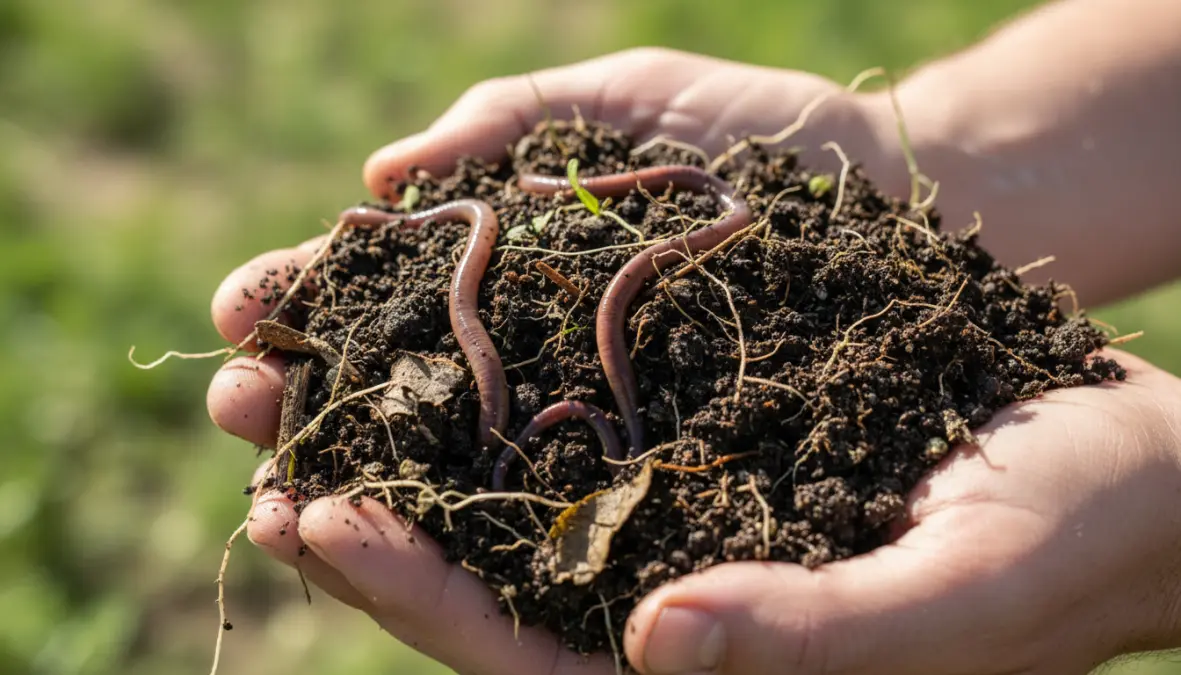
These practices work synergistically. A farm using cover crops, no-till methods, and rotational grazing will see compounding benefits that exceed the sum of individual practices. The benefits of regenerative agriculture for soil health become visible within just a few seasons: darker, more crumbly soil, increased earthworm populations, and improved water retention.
Regenerative vs Organic Farming: Understanding the Key Differences
Here’s where things get interesting. Many people assume regenerative vs organic farming is an either-or choice, but the reality is more nuanced. Think of organic farming as defining boundaries (no synthetic pesticides, no GMOs, no synthetic fertilizers), while regenerative farming defines aspirations (build soil carbon, increase biodiversity, improve water cycles).
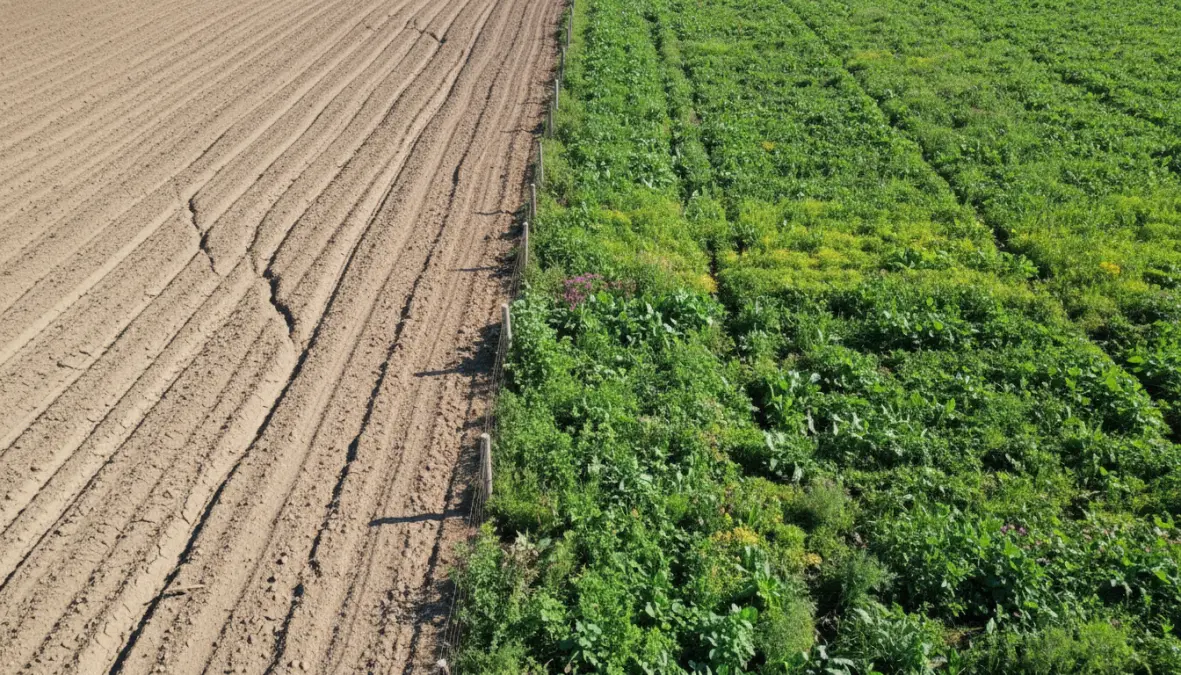
Organic certification follows strict input-based standards—you get certified by proving what you don’t use. Regenerative agriculture, on the other hand, is outcome-based. It asks: Is your land healthier than last year? Are you sequestering carbon? Is biodiversity increasing? A farm can be certified organic but still practice monoculture, use tillage, and even degrade soil over time. Conversely, a regenerative farm might use every practice we’ve discussed but choose not to pursue organic certification.
The good news? These approaches aren’t mutually exclusive. Many progressive farmers combine both, using organic principles to avoid harmful inputs while employing regenerative agriculture practices to actively heal their land. This hybrid approach represents perhaps the most promising path forward for truly sustainable agriculture practices. As interest grows in how to transition to regenerative agriculture, resources and support networks are expanding, making it easier for farmers to adopt these methods regardless of their starting point.
It’s worth noting that some regenerative farmers have found creative solutions through carbon markets—a connection explored in resources like carbon credits programs that compensate farmers for sequestering carbon in their soils.
FAQ: Common Questions About Regenerative Agriculture
How long does it take to see results from regenerative practices?
Most farmers notice improvements in soil structure and water infiltration within 2-3 years. Significant increases in soil organic matter typically take 5-10 years, though this varies by climate, soil type, and specific practices used. The best regenerative agriculture practices for beginners often show quick wins that build momentum.
Is regenerative agriculture more expensive?
Initial transitions may require investment in new equipment or knowledge, but most farmers report reduced input costs over time—less need for fertilizers, pesticides, and irrigation. Many find that regenerative agriculture techniques for small farms can actually be more economically viable than conventional methods, especially when accounting for improved soil resilience and premium market prices.
How does regenerative agriculture combat climate change?
Through carbon sequestration farming, these practices pull CO2 from the atmosphere and store it as stable organic carbon in soil. Studies suggest that widespread adoption of regenerative agriculture practices that sequester carbon could offset a significant portion of agricultural emissions while building soil fertility. Combined with reduced tillage and improved nutrient cycling, regenerative farms can become carbon sinks rather than sources.
Can regenerative farming feed the world?
Research indicates that regenerative systems can match or exceed conventional yields, especially over longer time horizons as soil health improves. The diversity and resilience built into these systems also makes them more reliable during climate disruptions. While scaling remains a challenge, innovations in both regenerative agriculture and complementary approaches like urban farming systems are expanding our food production possibilities.
The shift toward regenerative agriculture isn’t just about changing farming techniques—it’s about transforming our relationship with the land. Whether you’re a farmer considering how to transition to regenerative agriculture, a consumer looking to support sustainable food systems, or simply someone concerned about climate change, understanding these practices opens up new possibilities. Every regenerative farm is a living laboratory proving that we can grow food, restore ecosystems, and combat climate change simultaneously. The soil beneath our feet holds more carbon potential than all the world’s forests combined—and regenerative agriculture is showing us how to unlock it.