Slow Fashion Movement: How to Build a Wardrobe That Lasts Decades
Your closet is probably bursting at the seams, yet you find yourself staring at it every morning thinking “I have nothing to wear.” Sound familiar? You’re not alone. The average person buys 60% more clothing today than they did fifteen years ago, yet keeps each item for half as long. This cycle of endless consumption isn’t just draining our wallets—it’s destroying the planet. Enter the slow fashion movement, a revolutionary approach that’s helping people build wardrobes that don’t just last seasons, but decades. It’s time to break up with fast fashion and embrace sustainable fashion that actually makes sense.
What Is the Slow Fashion Movement and Why It Matters
The slow fashion movement is essentially the antidote to fast fashion’s toxic culture. Born as a response to the throwaway mentality that’s dominated clothing retail since the early 2000s, this approach champions quality over quantity, conscious fashion choices, and clothing that’s made to last. Think of it like the difference between a home-cooked meal and fast food—one nourishes, the other just fills a temporary need.
While fast fashion churns out trendy pieces at lightning speed and rock-bottom prices, the slow fashion movement asks us to pause and consider: Who made my clothes? What are they made from? Will I still want to wear this in five years? This mindful approach to sustainable fashion prioritizes ethical clothing production, fair wages for garment workers, and environmentally responsible practices.
The numbers are staggering. The fashion industry produces 92 million tons of textile waste annually, and it’s responsible for 10% of global carbon emissions. The average garment is worn just seven times before being discarded. By embracing the slow fashion movement, you’re not just building a better wardrobe—you’re participating in textile waste reduction and supporting a more sustainable future. Similar to how the slow travel movement is transforming tourism, slow fashion is revolutionizing how we think about our clothes.
Building Your Timeless Wardrobe: Essential Principles and Strategies
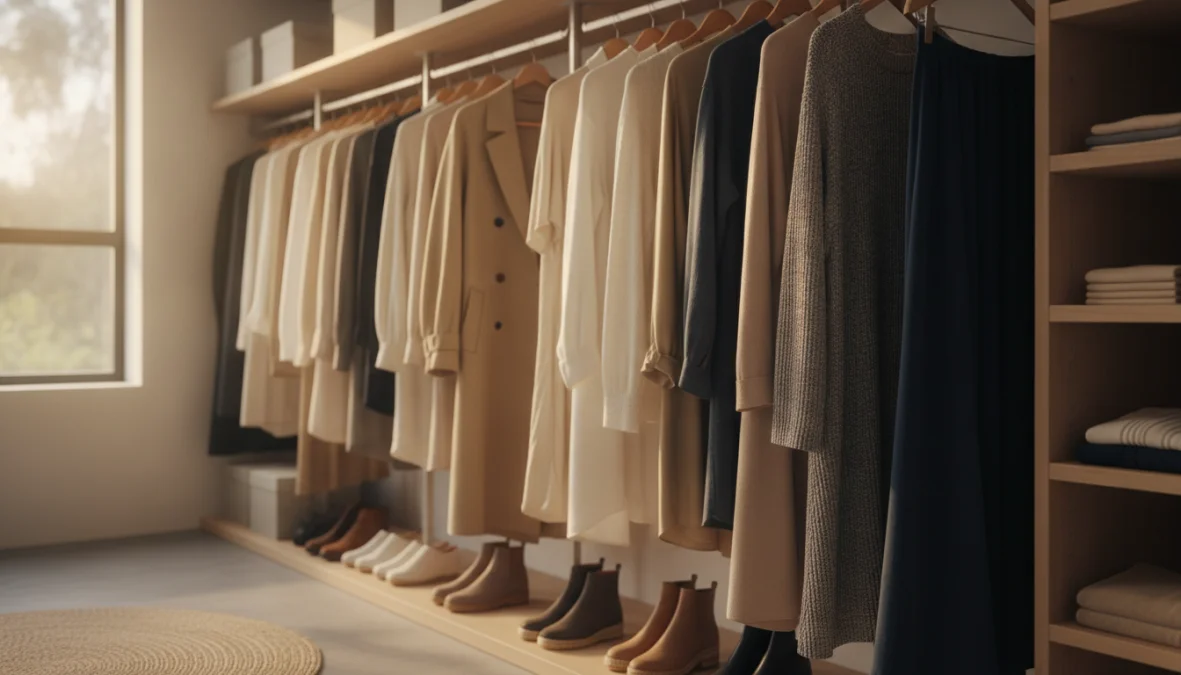
Ready to learn how to build a slow fashion wardrobe? The foundation lies in creating a capsule wardrobe—a curated collection of versatile, high-quality pieces that work together seamlessly. This isn’t about deprivation; it’s about liberation from decision fatigue and buyer’s remorse.
Start by adopting the “one in, one out” rule and focusing on wardrobe investment pieces. A well-made wool coat, perfectly fitting jeans, a classic white shirt, and quality leather boots can form the backbone of a timeless wardrobe that serves you for decades. When considering tips for buying clothes that last decades, think about versatility—can this piece work with at least three other items you already own?
The cost-per-wear calculation is your new best friend. A $300 jacket worn 200 times over ten years costs just $1.50 per wear, while a $50 jacket worn five times before falling apart costs $10 per wear. Suddenly, investing in quality clothing pieces makes perfect financial sense. Look for natural fiber fabrics like organic cotton, linen, wool, and silk—materials that not only last longer but age beautifully. Innovations like mycelium leather are also creating exciting new options for sustainable materials.
When building your ethical minimalist wardrobe, stick to a neutral color palette with classic cuts. Think navy, black, white, gray, camel, and olive. These colors never go out of style and mix effortlessly. Add personality through accessories and a few carefully chosen accent pieces. Your slow fashion wardrobe essentials should include: a tailored blazer, quality denim, a little black dress or sharp suit, leather shoes, a versatile coat, and well-made basics in neutral tones.
How to Identify Quality and Durable Clothing
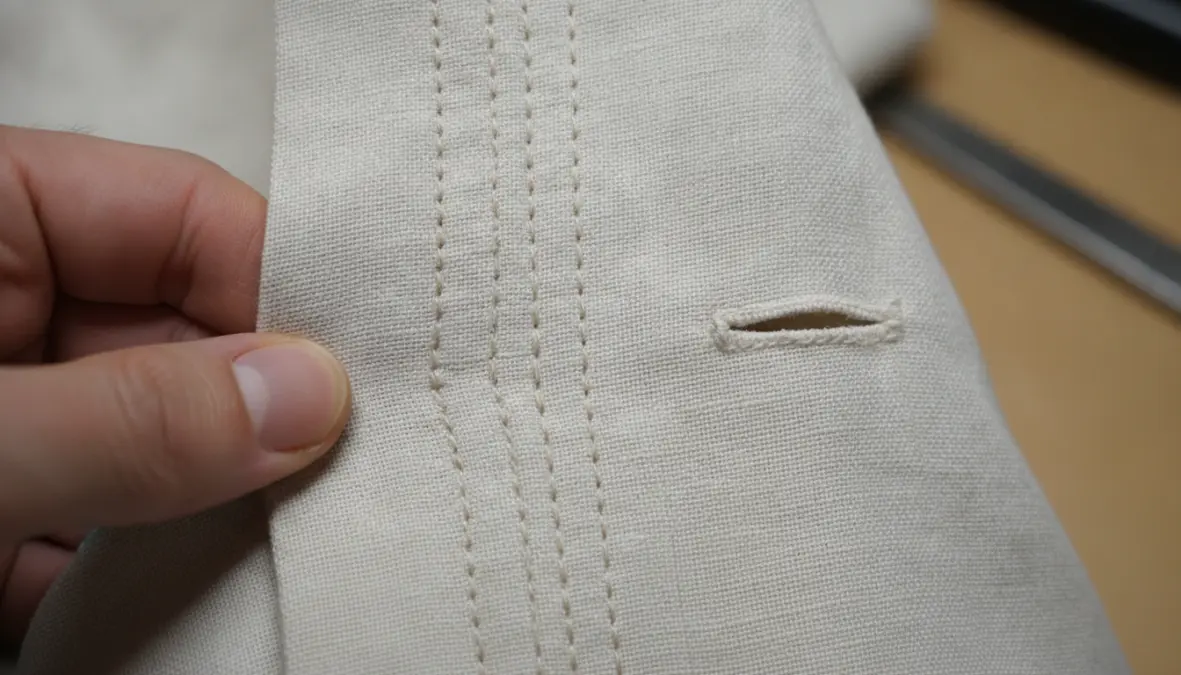
Not all clothing is created equal, and knowing how to spot durable clothing is crucial when you’re investing in quality clothing pieces. First, examine the fabric. Natural fiber fabrics like 100% cotton, linen, wool, and silk generally outlast synthetic blends. Check the weight—substantial fabric with a good drape indicates quality construction.
Inspect the seams closely. Quality garments feature tight, even stitching with no loose threads. Check if seams are finished (serged or bound) to prevent fraying. Look at buttonholes—they should be clean and reinforced. Buttons themselves should be sewn securely, ideally with a shank for durability. Zippers from brands like YKK tend to last longer than generic versions.
Seek out brands committed to artisan craftsmanship and transparency. Look for certifications like GOTS (Global Organic Textile Standard), Fair Trade, or B Corp status. These badges indicate commitment to both environmental sustainability and ethical labor practices. When considering the best sustainable clothing brands for longevity, research companies that offer repair services or lifetime guarantees—a sure sign they stand behind their products’ durability.
Care and Maintenance for Clothing Longevity
Even the highest-quality garments won’t last if you don’t care for them properly. Clothing care and maintenance is where garment longevity truly happens. The first rule? Wash less. Most items don’t need washing after every wear. Spot-clean when possible, and air out garments between wears.
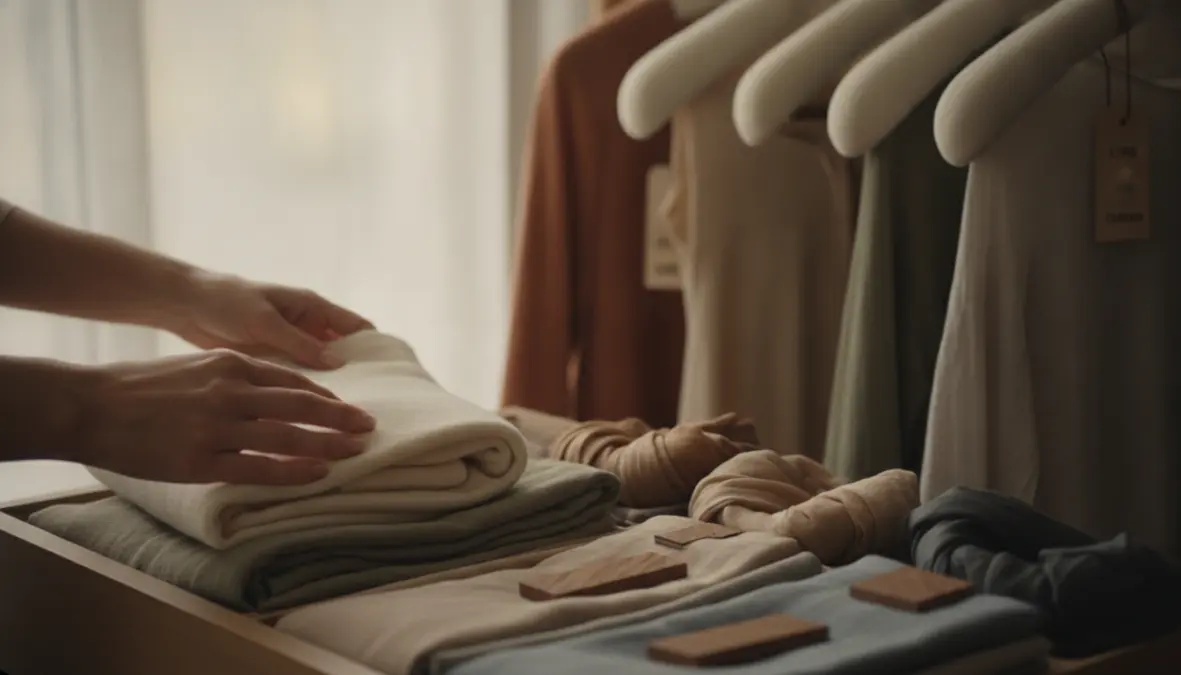
When you do wash, turn garments inside out, use cold water, and choose gentle cycles. Skip the dryer whenever possible—air drying prevents shrinkage and fabric breakdown. Store woolens with cedar blocks instead of mothballs, and use padded hangers for structured pieces to maintain their shape. This approach to mindful consumption extends beyond purchasing to how we maintain what we own.
Learn basic repairs: sewing on buttons, fixing small tears, and hemming. For more complex issues, develop a relationship with a good tailor. Regular maintenance like replacing worn heels on shoes or conditioning leather goods can extend their life by years. These practices embody the principles of a circular fashion economy, where we keep items in use as long as possible rather than discarding them at the first sign of wear.
Frequently Asked Questions About Slow Fashion
Is slow fashion more expensive?
Initially, yes—quality ethical clothing typically costs more upfront. However, the cost-per-wear over time makes sustainable fashion more economical. A $200 pair of boots lasting ten years beats ten pairs of $40 boots that last one year each. You’re also avoiding the hidden costs of constant shopping and closet clutter.
How many items should be in a slow fashion wardrobe?
There’s no magic number, but most capsule wardrobe advocates suggest 30-40 versatile pieces (excluding underwear and workout clothes). The key isn’t the exact count but ensuring each item earns its place through regular wear and versatility. Quality matters far more than quantity.
Can I transition to slow fashion on a budget?
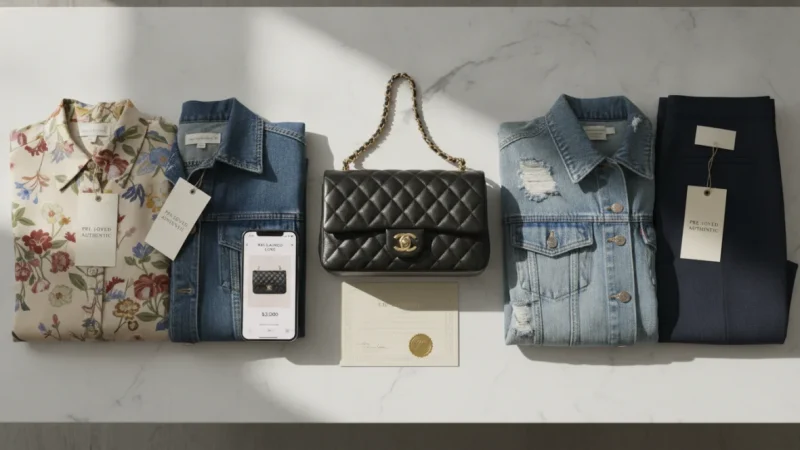
Absolutely! Start by shopping secondhand—thrift stores and consignment shops are treasure troves of quality pieces at fraction of original prices. When buying new, invest in one quality piece at a time rather than multiple cheap items. Take advantage of end-of-season sales at ethical clothing brands. Most importantly, shop your own closet first—you probably already own pieces worthy of a timeless wardrobe.
What are the best slow fashion brands?
Brands committed to sustainability and longevity include Patagonia (with their Worn Wear repair program), Eileen Fisher (takeback and recycling initiatives), Everlane (transparent pricing), and Reformation (carbon-neutral). However, the “best” brand depends on your style, budget, and values. Research brands’ sustainability reports and certifications to make informed choices aligned with your priorities.
How do I start with slow fashion?
Begin with a closet audit. Remove everything you haven’t worn in a year and assess what remains. Identify gaps in your wardrobe and make a wishlist of versatile, quality pieces to add gradually. Before any purchase, ask: Will I wear this 30 times? Does it fit my lifestyle? Can I afford the quality version? Starting small and intentional is better than overhauling everything overnight. You might also explore seasonal approaches to minimalist wardrobes for more guidance.
The slow fashion movement isn’t about perfection—it’s about progress. Every conscious choice you make, every quality piece you invest in, and every garment you repair instead of replace contributes to a more sustainable fashion industry. Your wardrobe can become a reflection of your values, built to last not just seasons but decades. Start today with just one intentional purchase, and watch how quality over quantity transforms not just your closet, but your entire relationship with clothing.