Red Light Therapy Benefits: The Complete Science Behind Photobiomodulation
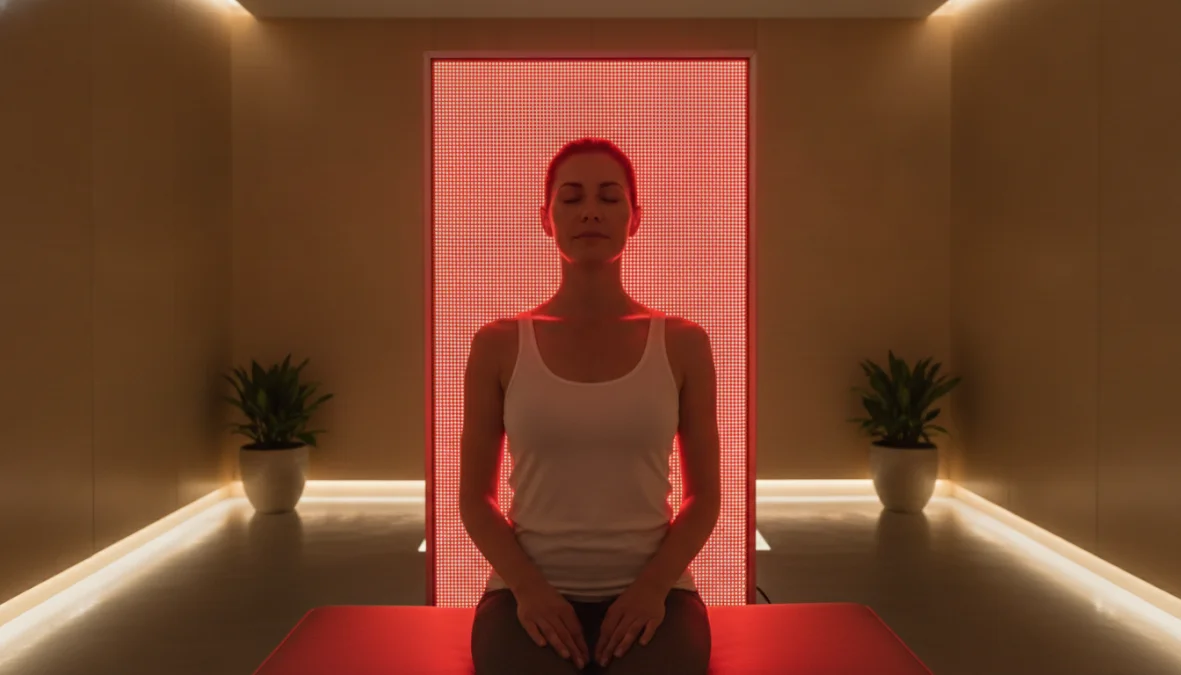
You’ve probably seen those glowing red panels popping up everywhere—from high-end spas to your gym’s recovery room, maybe even in your neighbor’s garage. But is red light therapy just another wellness trend, or is there actual science backing up those claims? Turns out, this isn’t pseudoscience at all. Photobiomodulation—the fancy term for red light therapy—has decades of research showing legitimate red light therapy benefits that go way beyond skin deep. From turbocharging your cells’ energy production to calming inflammation and speeding up healing, this treatment works at a fundamental biological level. Let’s break down exactly what’s happening when those red wavelengths hit your skin.
What Is Red Light Therapy and How Does Photobiomodulation Work?
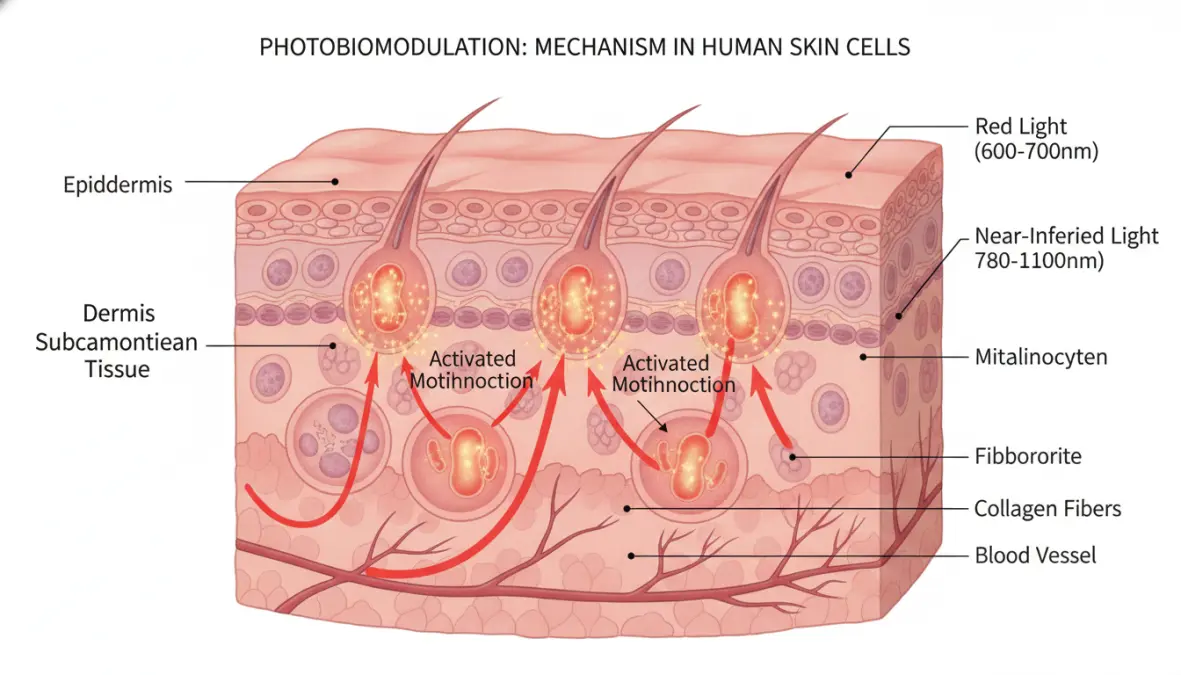
Photobiomodulation therapy sounds complicated, but the concept is surprisingly straightforward. It’s the therapeutic use of specific wavelengths of light—primarily in the red (630-680nm) and near-infrared (810-850nm) spectrum—to trigger beneficial biological responses in your cells. Unlike UV light that damages DNA, red light therapy science shows these longer wavelengths actually stimulate healing and regeneration.
Here’s the mechanism: when red or infrared light therapy penetrates your skin (red light reaches about 8-10mm deep, infrared goes deeper to 30-40mm), it’s absorbed by chromophores in your cells, particularly an enzyme called cytochrome c oxidase in your mitochondria. This absorption kicks off a cascade of cellular events. Your mitochondria—those tiny power plants in every cell—ramp up production of ATP (adenosine triphosphate), which is basically cellular fuel. More ATP means your cells have more energy to repair damage, build proteins, and function optimally.
Low level light therapy also reduces oxidative stress, modulates inflammation, and increases blood flow to treated areas. The difference between red and infrared light? Red light works wonders for surface-level issues like skin health, while infrared penetrates deeper to reach muscles, joints, and organs. Modern LED light therapy benefits come from devices that use light-emitting diodes rather than lasers or incandescent bulbs—they’re safer, more affordable, and just as effective when properly designed. The key is getting the right wavelength at sufficient power density (typically 20-200 mW/cm²) to actually trigger these cellular mechanisms.
Evidence-Based Red Light Therapy Benefits for Health and Wellness
The scientific evidence for red light therapy spans hundreds of clinical studies across multiple health domains. These aren’t anecdotal claims—we’re talking peer-reviewed research demonstrating measurable red light treatment effects. The therapeutic light benefits extend from your skin to your joints, muscles, brain, and even hormonal health.
Skin Health and Anti-Aging Effects
If you’re wondering about red light therapy benefits for skin, the research is particularly robust. Studies consistently show that wavelength therapy stimulates fibroblasts—the cells responsible for collagen production. A landmark study published in Photomedicine and Laser Surgery found that participants using red light therapy saw significant improvements in skin complexion, texture, and wrinkle reduction after just 12 weeks.
The mechanism? Enhanced ATP synthesis gives skin cells the energy to produce more collagen and elastin, the structural proteins that keep skin firm and youthful. Red light also increases circulation to the skin, delivering more oxygen and nutrients while removing waste products. For acne, the antimicrobial effects combined with inflammation reduction help clear breakouts without the harsh side effects of medications. Some dermatological red light therapy clinical studies show reduction in fine lines by up to 36% with consistent use. Like circadian lighting that works with your body’s natural rhythms, red light therapy aligns with your cells’ biological processes rather than fighting against them.
Pain Relief and Muscle Recovery
For athletes and anyone dealing with chronic pain, red light therapy for pain relief offers a drug-free alternative backed by solid research. The photobiomodulation mechanism of action here involves reducing pro-inflammatory cytokines while increasing anti-inflammatory markers. This makes it effective for conditions like arthritis, tendonitis, and general muscle soreness.
Studies on athletic recovery show that pre-treating muscles with red light before exercise reduces delayed onset muscle soreness (DOMS) and speeds tissue repair. The enhanced mitochondrial function means muscle cells can clear lactate faster and rebuild damaged fibers more efficiently. For wound healing, infrared and red light have been shown to accelerate all phases of healing—from initial inflammation to cellular regeneration and remodeling. Hospitals now use photobiomodulation for diabetic ulcers, surgical incisions, and burn victims with impressive results. Much like how cold water therapy triggers beneficial stress responses, red light therapy activates healing pathways through controlled cellular stimulation.
Beyond skin and muscles, emerging research suggests LED light therapy benefits may include improved thyroid function, better sleep quality through melatonin regulation, and even mood enhancement via increased serotonin production. Similar to how sound bathing and forest bathing offer holistic wellness benefits, red light therapy addresses multiple body systems simultaneously.

How to Use Red Light Therapy Safely and Effectively
So is red light therapy scientifically proven? Yes—but like any therapeutic intervention, results depend on proper application. Getting the most red light therapy benefits requires understanding dosage, which in photobiomodulation means considering wavelength, power density, distance, and treatment duration.
For home use, position yourself 6-12 inches from the device for optimal light delivery. Sessions typically last 10-20 minutes per treatment area. Most research suggests 3-5 sessions per week for maintenance, daily for acute conditions. Don’t expect overnight miracles—cellular changes accumulate over weeks. Skin improvements usually appear around 4-8 weeks, while pain relief can occur faster, sometimes within days.
Safety-wise, photobiomodulation therapy has an excellent track record. It’s non-invasive, painless, and lacks the side effects of medications. That said, people with photosensitivity disorders, those on photosensitizing medications, or pregnant women should consult healthcare providers first. Never look directly into the lights, especially high-powered devices.
When shopping for devices, check for: specific wavelengths (look for 630-680nm red and/or 810-850nm infrared), adequate power output (at least 20-40 mW/cm² at the recommended distance), and sufficient treatment area. Professional panels cost more but cover larger areas faster. Smaller devices work fine but require longer total treatment time. Cheap knockoffs often lack the necessary power or use incorrect wavelengths—you get what you pay for here.
FAQ: Common Questions About Red Light Therapy Benefits
How long before seeing results from red light therapy?
Results vary by condition and consistency. Acute pain or muscle recovery may improve within days to a week. Skin improvements like reduced wrinkles or better texture typically require 4-8 weeks of regular use. Joint health and deeper tissue repair may take 8-12 weeks. Consistency matters more than occasional intensive sessions.
Is red light therapy safe for daily use?
Yes, red light therapy is safe for daily use when following manufacturer guidelines. Unlike UV light, red and infrared wavelengths don’t damage DNA. Most protocols recommend 3-7 sessions weekly. More isn’t necessarily better—your cells need time to respond to treatment.
What’s the difference between red and infrared light?
Red light (630-680nm) penetrates 8-10mm deep, making it ideal for skin-level benefits like collagen production and surface wound healing. Near-infrared (810-850nm) reaches 30-40mm deep, affecting muscles, joints, and deeper tissues. Many devices combine both for comprehensive benefits.
Does red light therapy really work or is it placebo?
It’s scientifically validated, not placebo. Hundreds of peer-reviewed studies demonstrate measurable biological changes: increased ATP production, enhanced collagen synthesis, reduced inflammatory markers, and accelerated cellular repair. Double-blind placebo-controlled trials confirm effects beyond expectation.
Can I use red light therapy daily?
Absolutely. Daily sessions of 10-20 minutes are safe and often recommended for acute conditions or intensive treatment periods. For maintenance, 3-5 times weekly works well for most people. Listen to your body—if you experience headaches or fatigue, reduce frequency.
Red light therapy represents a convergence of ancient light wisdom and modern cellular biology. Whether you’re chasing better skin, faster recovery, or relief from chronic pain, the red light therapy benefits offer a scientifically-backed, non-invasive option worth exploring. Start with realistic expectations, choose quality equipment, and stay consistent—your mitochondria will thank you.