Hydrogen Fuel Cell Cars vs Electric Vehicles: Which Technology Will Win?
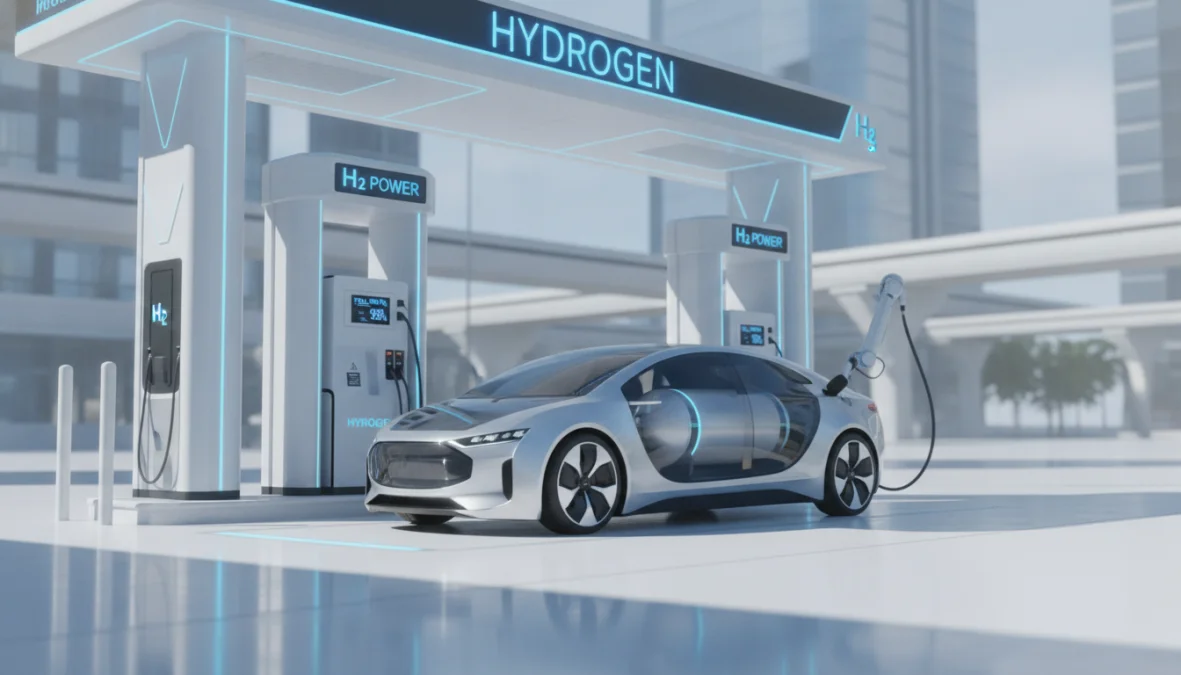
The automotive world is at a crossroads. While electric vehicles have grabbed headlines and dominated showrooms, there’s another zero-emission technology quietly waiting in the wings: hydrogen fuel cell cars. But can hydrogen-powered vehicles really compete with the EV juggernaut, or are they destined to remain a niche curiosity? Let’s cut through the hype and examine what each technology actually offers.
How Hydrogen Fuel Cell Cars Work and What Makes Them Different
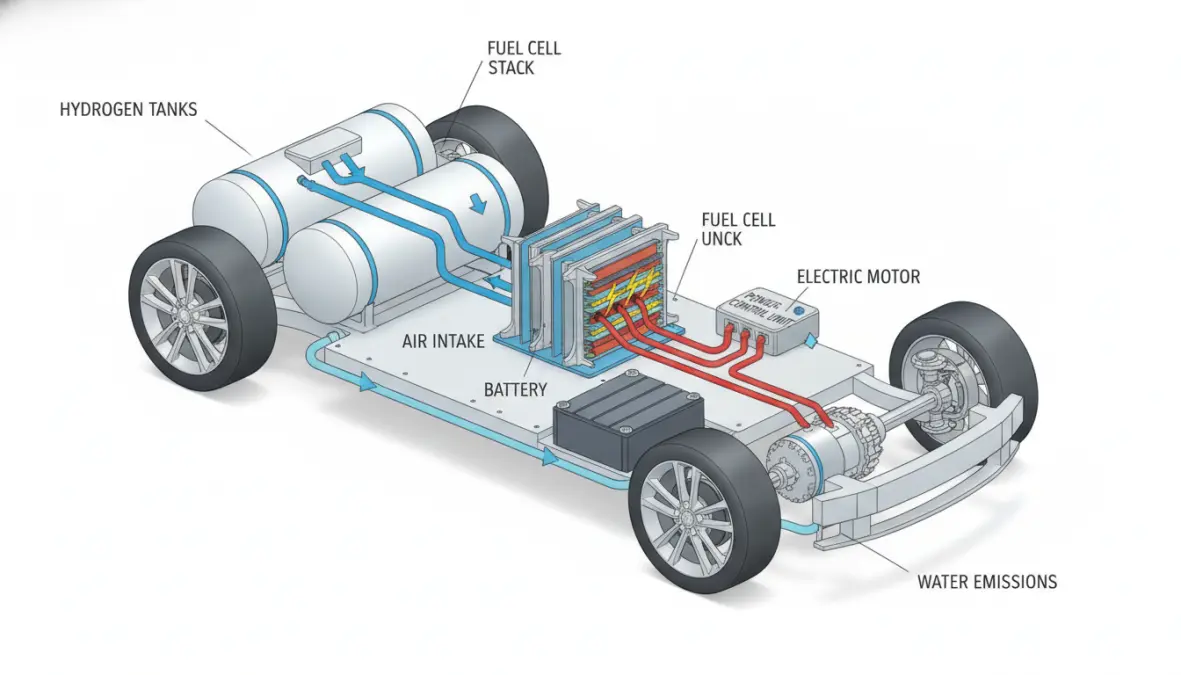
Unlike battery electric vehicles (BEVs) that store electricity, hydrogen fuel cell cars generate their own power on the go. Here’s the magic: hydrogen gas stored in high-pressure tanks flows into a fuel cell stack where it reacts with oxygen from the air. This chemical reaction produces electricity that powers the motor, with water vapor as the only emission. Pretty cool, right?
The key difference from EVs is immediate: fuel cell technology allows you to refuel in 3-5 minutes, just like a conventional gas car. No more sitting at charging stations watching progress bars creep forward. Hydrogen powered vehicles also deliver impressive range—typically 300-400 miles per tank, matching or exceeding many gas-powered cars.
Current models like the Toyota Mirai and Hyundai Nexo showcase how mature this technology has become. The Mirai offers a refined driving experience with 402 miles of EPA-estimated range, while the Nexo delivers 380 miles with spacious SUV versatility. Both drive like premium electric vehicles because, technically, they are electric—just with a different power source.
The commercial benefits are clear: minimal downtime for refueling, long-distance capability without range anxiety, and zero tailpipe emissions. For fleet operators or road warriors who can’t afford charging delays, these advantages matter enormously.
The Real-World Comparison: Hydrogen vs Electric Cars
When evaluating hydrogen cars vs electric cars, the devil lurks in the details. Let’s break down what actually matters when you’re deciding where to put your money.
Purchase price? Fuel cell vehicles currently cost more upfront. The Toyota Mirai starts around $50,000, while capable EVs like the Tesla Model 3 or Hyundai Ioniq 6 come in lower. However, government incentives can significantly narrow this gap in markets that support hydrogen adoption.
Performance-wise, both technologies deliver instant torque and quiet operation. The driving experience is surprisingly similar—smooth, refined, and responsive. The environmental story gets more complicated. While both produce zero emissions at the tailpipe, the source of energy matters. Green hydrogen (produced using renewable electricity) is genuinely clean, but most hydrogen today is “gray” hydrogen derived from natural gas, which carries a substantial carbon footprint. Similarly, EVs are only as clean as the grid charging them. For context on the broader clean energy landscape, check out our deep dive into the green hydrogen economy.
Infrastructure and Availability: The Biggest Challenge
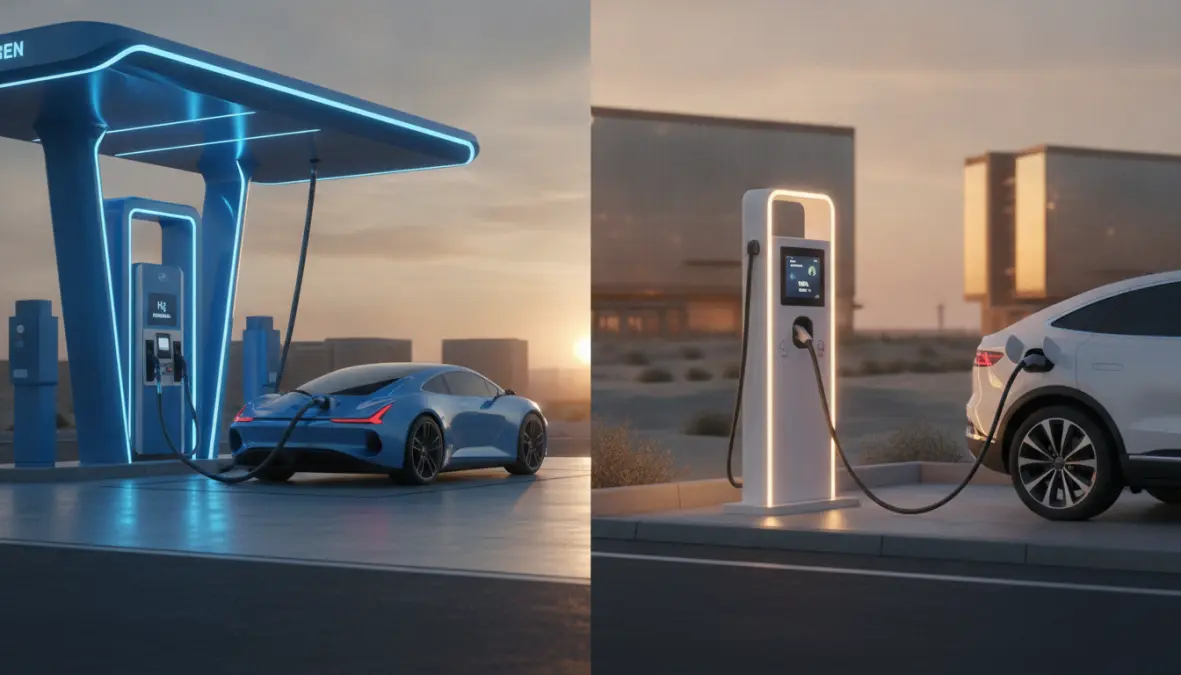
Here’s where hydrogen faces its steepest uphill battle. Hydrogen refueling stations are scarce. California leads the U.S. with around 50 operational stations, while the entire country has fewer than 100. Compare that to over 50,000 public EV charging locations nationwide, and the infrastructure gap becomes painfully clear.
Internationally, the picture varies. Germany operates roughly 100 hydrogen infrastructure stations, Japan has invested heavily with over 160 stations, and South Korea is expanding aggressively. But these numbers still pale compared to the hundreds of thousands of EV chargers globally.
Building hydrogen stations is expensive—$1-2 million per location versus $50,000-150,000 for DC fast chargers. Expansion plans exist, but they’re chicken-and-egg scenarios: automakers won’t commit to production without infrastructure, and energy companies won’t invest in stations without cars on the road.
Total Cost of Ownership: What You’ll Actually Pay
Let’s talk money. The hydrogen car cost equation extends beyond sticker price. Hydrogen fuel currently runs $12-16 per kilogram in California, and most fuel cell vehicles hold 5-6 kg. That’s $60-96 for a full tank delivering 300-400 miles—roughly equivalent to gasoline on a per-mile basis.
Meanwhile, electricity costs vary wildly by location and time-of-use, but home charging typically runs $0.03-0.05 per mile. Public fast charging costs more but still generally undercuts hydrogen.
Maintenance tells a different story. Fuel cell vehicle price considerations must include service costs, which are currently higher due to specialized components and limited service networks. EVs benefit from simpler drivetrains with fewer moving parts. Battery replacement anxiety exists for EVs, though warranty coverage typically extends 8-10 years. Fuel cell stacks also degrade but generally last longer.
Government incentives can dramatically shift the math. Some regions offer substantial rebates for hydrogen vehicles plus complimentary fuel credits. California, for instance, has offered up to $4,500 in rebates plus $15,000 in fuel credits for qualifying buyers.
Should You Buy a Hydrogen Fuel Cell Car Today?
The honest answer for most people: probably not yet. But there are exceptions.
You should seriously consider hydrogen fuel cell cars if you live in California’s hydrogen corridor, drive long distances regularly, and value quick refueling. Early adopters who want cutting-edge technology and have access to nearby hydrogen stations will find the best hydrogen cars deliver a compelling ownership experience.
Commercial fleets represent another sweet spot. Delivery vehicles, taxis, and rideshare services that need maximum uptime and predictable refueling could benefit from fuel cell technology, provided local infrastructure supports it.
For everyone else, waiting makes sense. The next 3-5 years will prove critical. If hydrogen infrastructure expands meaningfully and green hydrogen production scales up, fuel cell vehicles could become genuinely competitive. Conversely, if battery technology continues advancing—particularly with developments in solid-state batteries—EVs may cement their dominance permanently.
Before making any decision, research local incentives thoroughly. Many regions offer programs that significantly reduce the effective purchase price and ongoing fuel costs. If you’re in a supported market, arrange test drives of both technologies. The Mirai and Nexo offer experiences you simply can’t evaluate from specifications alone.
The hydrogen versus electric debate won’t resolve soon, and that’s okay. Both technologies push us toward cleaner transportation. Your choice depends less on declaring a winner and more on honestly assessing your needs, location, and budget. The future might not be either/or—it could be both, serving different use cases in a diverse automotive ecosystem.