Soil Carbon Sequestration: How Farmers Can Reverse Climate Change Underground
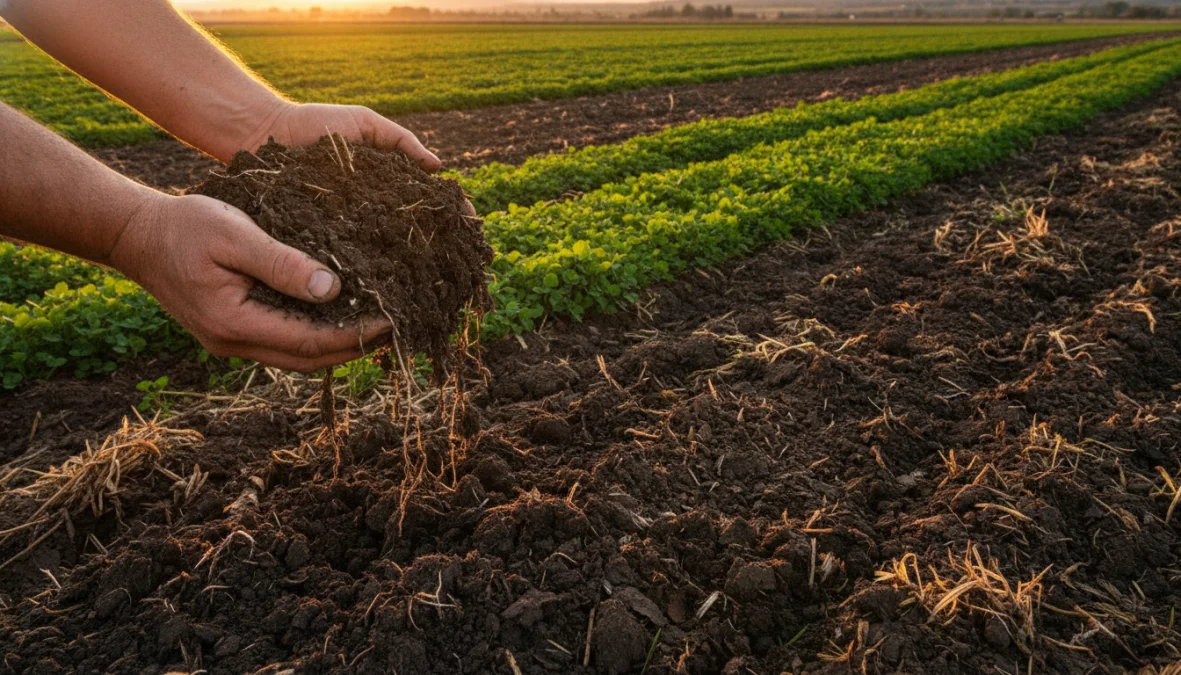
Picture this: beneath your feet lies one of the most powerful tools in the fight against climate change. Not a flashy piece of technology or a billion-dollar infrastructure project, but something far simpler—soil. Through soil carbon sequestration, farmers worldwide are literally pulling carbon dioxide from the atmosphere and storing it underground, turning agricultural fields from climate culprits into carbon-capturing heroes. This isn’t just theoretical science; it’s happening right now on farms that are proving dirt can save the planet.
What Is Soil Carbon Sequestration and Why It Matters
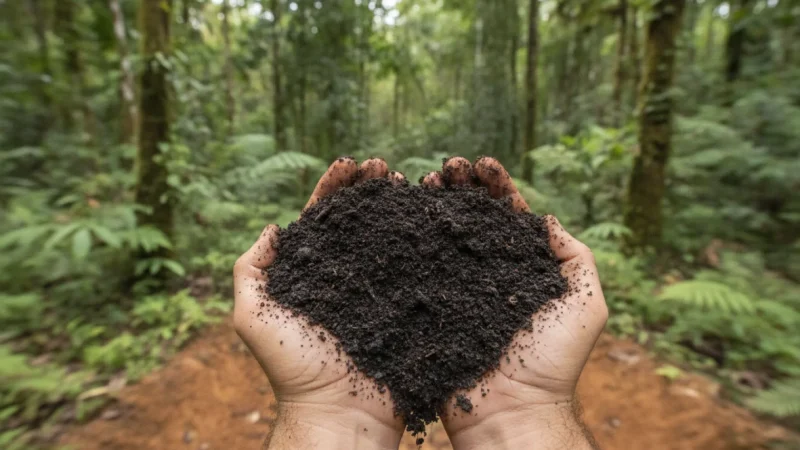
Soil carbon sequestration is nature’s original carbon capture technology. Here’s how it works: plants absorb CO2 from the atmosphere during photosynthesis, converting it into sugars and other organic compounds. When plants shed leaves, roots die, or crops are harvested, this carbon-rich material enters the soil. Microorganisms break it down, transforming it into stable soil organic matter that can remain locked underground for decades or even centuries.
The potential is staggering. According to scientific estimates, global soils could sequester between 2-5 gigatonnes of CO2 annually through improved management—roughly equivalent to removing 400-1,000 million cars from the road. Agricultural lands alone, covering about 40% of Earth’s land surface, represent a massive opportunity for agricultural carbon capture. The soil carbon cycle operates continuously: carbon enters through plant residues and exits through decomposition and erosion. Conventional farming practices have depleted soil carbon stocks by 30-75% compared to native ecosystems, but here’s the game-changer—this process is reversible.
Unlike many climate solutions requiring massive infrastructure investments, building soil carbon happens through farming practices that often improve profitability while fighting climate change. Soils with higher organic matter retain more water, resist erosion better, and support healthier crops. This makes soil carbon sequestration not just an environmental imperative but an agricultural opportunity.
Regenerative Agriculture Practices That Build Soil Carbon
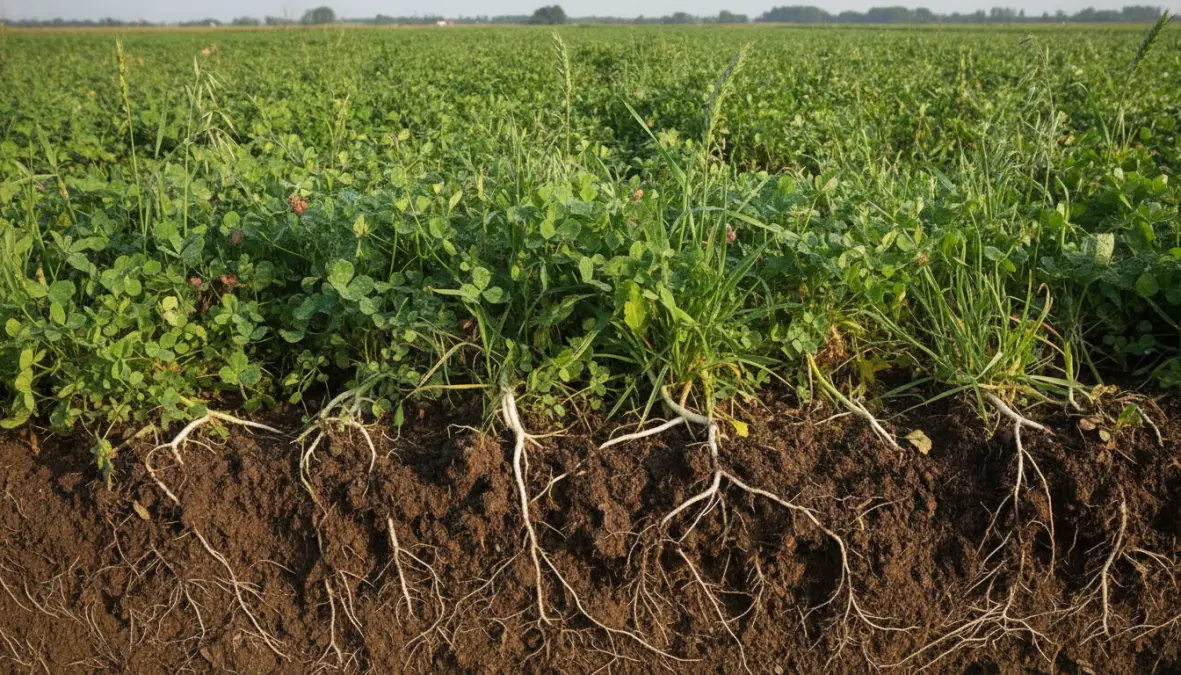
Regenerative agriculture encompasses a suite of practices designed to rebuild soil organic matter and restore degraded biodiversity. These aren’t new inventions—many represent a return to ecological farming principles that work with nature rather than against it. Here’s how farmers are implementing carbon farming through proven soil health management techniques:
- Cover Cropping: Planting non-cash crops during off-seasons keeps living roots in the soil year-round. These roots pump carbon-rich exudates into the soil, feeding microorganisms and building organic matter. Studies show cover crops can increase soil carbon by 0.1-0.5 tonnes per hectare annually while reducing erosion and suppressing weeds.
- No-Till Farming: Traditional tillage accelerates carbon loss by exposing organic matter to oxygen and disrupting soil structure. No-till farming leaves soil undisturbed, preserving carbon stocks and promoting soil aggregation. Farmers report fuel savings of 50-80% alongside carbon benefits.
- Diverse Crop Rotation: Rotating different crop rotation patterns—especially including deep-rooted perennials and legumes—builds carbon at various soil depths while breaking pest cycles. Multi-species rotations can sequester 30% more carbon than monocultures.
- Compost Amendment: Adding compost amendment directly introduces stable organic matter. A single application of half an inch of compost can increase soil carbon significantly, with benefits lasting years.
- Managed Grazing: Rotating livestock through paddocks mimics natural grazing patterns, stimulating plant growth and root development. Well-managed grasslands can sequester more carbon than forests.
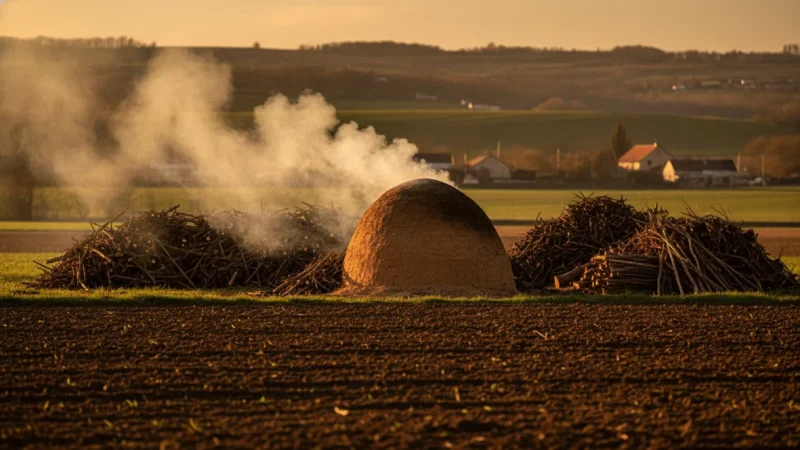
- Biochar Application: This charcoal-like substance created from agricultural waste resists decomposition for centuries. Biochar application offers nearly permanent carbon storage while improving soil water retention.
These climate-smart agriculture practices work synergistically. A farmer implementing cover crops, reduced tillage, and compost together achieves greater carbon gains than any single practice alone. Real-world examples abound: Gabe Brown’s North Dakota ranch increased soil organic matter from 1.7% to over 6% in two decades using these methods, sequestering massive amounts of carbon while eliminating synthetic fertilizers.
The Role of Soil Microbiomes in Carbon Storage
The invisible workforce driving soil carbon sequestration consists of billions of bacteria, fungi, protozoa, and other organisms forming the soil microbiome. These microbes are essential for humus formation—the stable, dark organic matter that represents long-term carbon storage. Fungi, particularly mycorrhizal species, create thread-like networks that bind soil particles together, creating aggregates that physically protect carbon from decomposition.
Microbial biomass itself represents a significant carbon pool, and the sticky compounds microbes produce (glomalin, polysaccharides) glue soil particles into stable structures. Regenerative practices like eliminating tillage, reducing chemical inputs, and maintaining living roots feed diverse microbial communities. Research shows that soils with higher microbial diversity sequester carbon more efficiently and hold it more securely. When farmers ask how does soil sequester carbon dioxide, the answer ultimately points to this underground ecosystem working in concert with plant roots.
Carbon Credits and Economic Opportunities for Farmers
Carbon credits farming is transforming soil carbon from an environmental benefit into a revenue stream. In carbon markets, one credit represents one tonne of CO2 sequestered or emissions avoided. Companies and individuals purchasing these credits offset their emissions while funding climate-positive farming practices.
Several programs now pay farmers for building soil carbon. The USDA’s partnerships with private companies, plus independent platforms like Nori, Indigo Ag, and Truterra, offer farmers $15-40 per tonne of verified carbon sequestration. For context, transitioning 1,000 acres to regenerative practices might sequester 500-1,500 tonnes of CO2 annually, generating $7,500-$60,000 in carbon revenue. To learn more about how carbon markets work, check out this practical guide to carbon credits.
Beyond carbon payments, economic benefits multiply. Farmers practicing regenerative agriculture report 10-30% reductions in fertilizer and pesticide costs as soil health improves. Increased water infiltration provides drought resilience—a $50-100 per acre annual value in dry regions. Higher soil organic matter often translates to better yields over time. For those interested in deeper implementation strategies, exploring regenerative agriculture practices beyond organic farming provides valuable insights.
Challenges exist, however. Initial transitions may temporarily reduce yields. Carbon program contracts typically require 5-10 year commitments. Verification processes add complexity, and concerns about carbon permanence—what happens if the next landowner plows the field?—remain unresolved in some programs. Support resources are growing, though, with USDA conservation programs, university extension services, and farmer networks offering technical assistance.
Measuring and Verifying Soil Carbon Gains
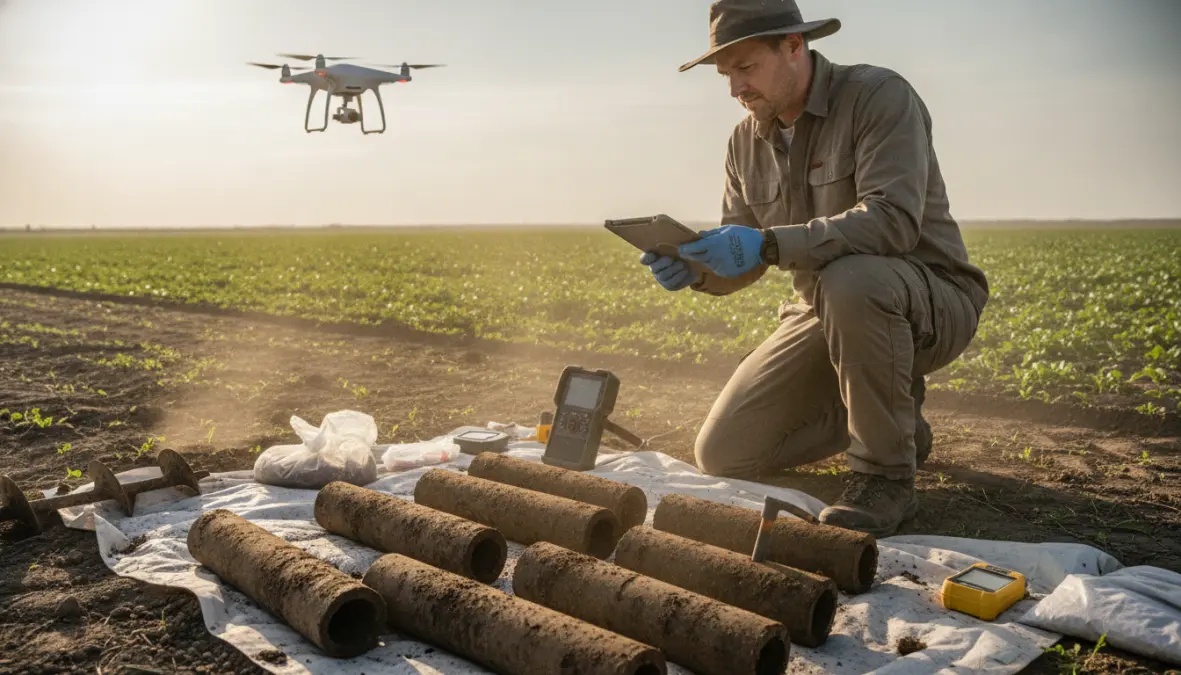
Answering questions about measuring soil carbon sequestration rates requires precision. Traditional soil testing involves collecting core samples at multiple depths and locations, sending them to labs for organic carbon analysis. This provides accurate baseline data but costs $30-60 per sample, with farms needing 15-30 samples for statistical validity.
Emerging technologies are reducing costs. Remote sensing using satellite imagery and drone-based sensors estimates soil carbon based on vegetation health and soil reflectance. Predictive modeling combines weather data, management practices, and soil types to estimate carbon accumulation. While less precise than physical sampling, these methods cost significantly less and enable more frequent monitoring.
Carbon credit programs require third-party verification following protocols like Verra’s Verified Carbon Standard or the Climate Action Reserve. Most require baseline soil testing, annual practice documentation, and verification sampling every 3-5 years. Costs typically range from $1,000-$5,000 annually depending on farm size and protocol complexity—an investment that carbon payments usually cover.
Understanding best practices for carbon sequestration in agriculture and how farmers can increase soil carbon starts with measurement, providing the data to demonstrate impact and access economic opportunities while contributing to greenhouse gas mitigation.
Soil carbon sequestration represents agriculture’s transformation from climate problem to climate solution. Whether you’re a farmer exploring carbon markets, a landowner considering regenerative transitions, or simply someone who eats food grown in soil, this underground carbon revolution matters. The science is proven, the practices are accessible, and the economic case is strengthening. The question isn’t whether soil can help reverse climate change—it’s how quickly we can scale these practices across the world’s agricultural lands.