Carbon Mineralization: How Turning CO2 into Stone Offers Permanent Storage
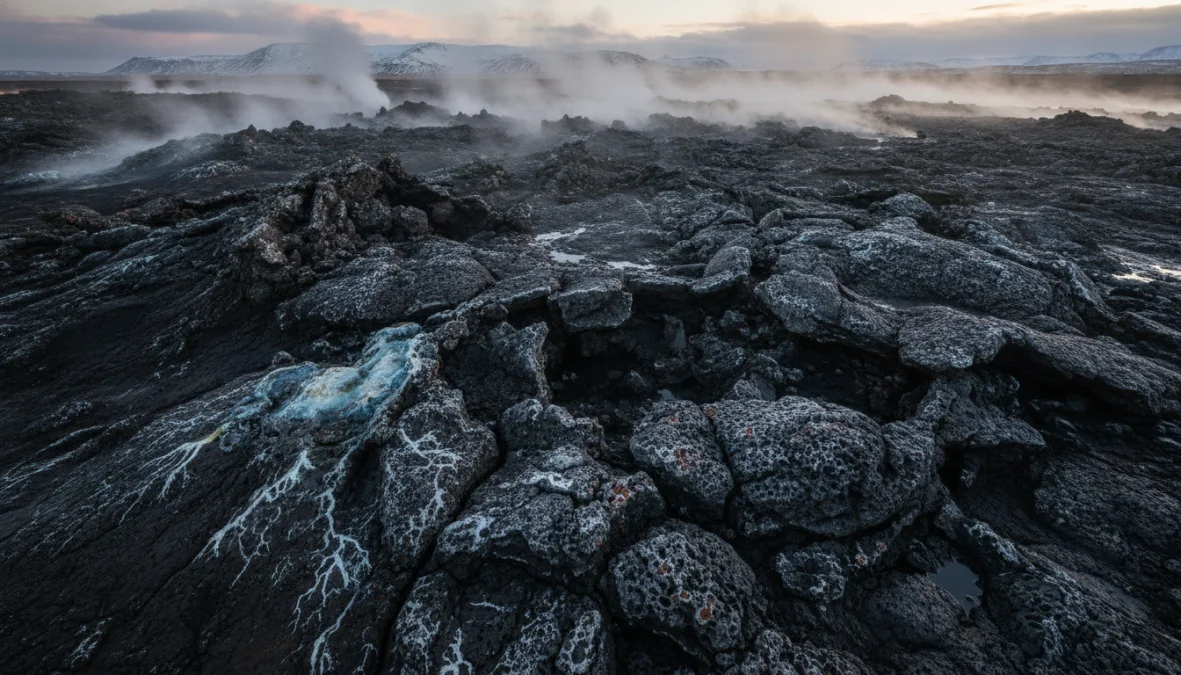
Imagine if we could take the CO2 we’re pumping into the atmosphere and literally turn it into rock. Sounds like science fiction, right? Well, carbon mineralization is making this a reality. This fascinating process mimics what nature has been doing for millions of years—locking carbon away in solid stone—but cranks up the speed. As we scramble for effective carbon capture and storage solutions, turning greenhouse gases into permanent geological formations might just be one of our best bets. Let’s dive into how this works and why it’s gaining serious attention in the fight against climate change.
What Is Carbon Mineralization and How Does It Work?
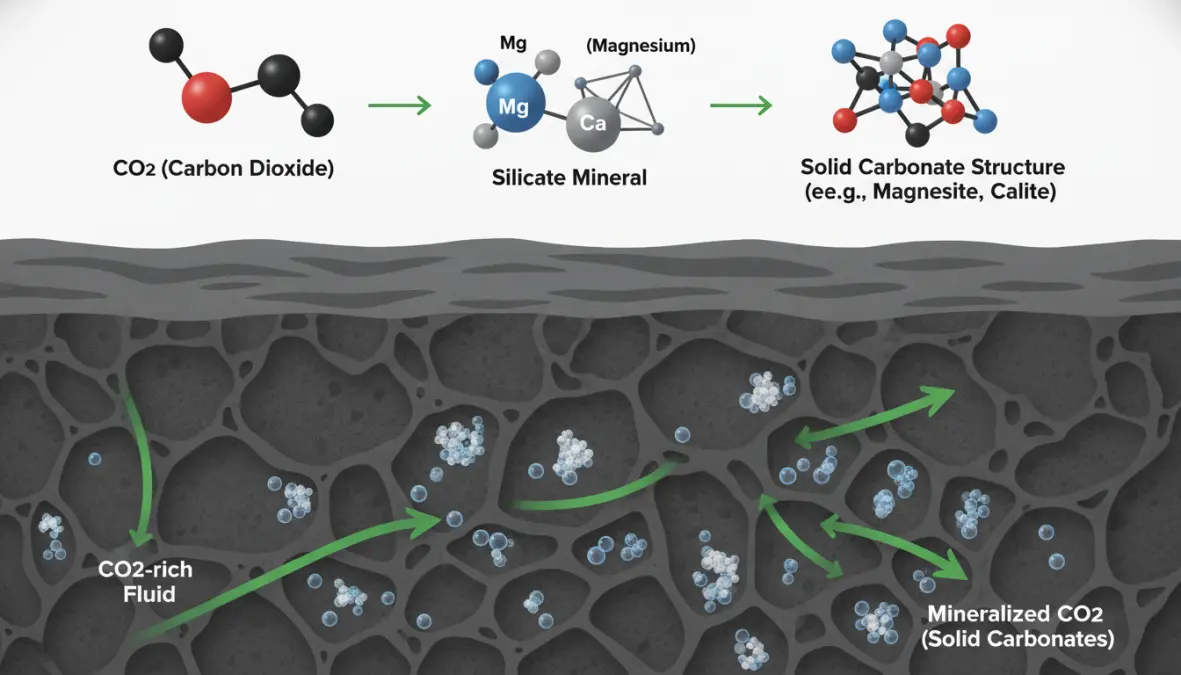
At its core, carbon mineralization (also called mineral carbonation or CO2 mineralization) is a process where carbon dioxide reacts with certain types of rocks to form stable carbonate minerals. Think of it as accelerated petrifaction for CO2. The chemical magic happens when CO2 meets rocks rich in calcium, magnesium, or iron—particularly magnesium silicate rocks like peridotite and basalt formation.
Here’s how does carbon mineralization work in simple terms: When CO2 dissolves in water, it forms carbonic acid. This acidic solution then reacts with minerals in rocks containing calcium or magnesium. The result? Solid carbonate minerals like calcium carbonate precipitation (basically limestone) or magnesium carbonate. The CO2 that was once a gas is now permanently locked in stone—and we’re talking geological timescales here, potentially millions of years.
In nature, this happens through weathering processes where rainwater slowly breaks down rocks and converts atmospheric CO2 into minerals. Mountains gradually erode, and carbon gets sequestered in the process. But natural weathering takes millennia. What scientists and engineers are working on is speeding this up dramatically through industrial processes, offering permanent carbon storage solutions that could help offset our emissions at scale.
Compared to other carbon sequestration methods like storing CO2 in underground geological reservoirs or forests, mineralization offers something unique: permanence. Trees can burn, underground CO2 can leak, but once carbon is locked in a mineral structure, it’s not going anywhere. This is what makes converting CO2 into solid minerals so appealing for long-term climate solutions.
Natural vs. Enhanced Carbon Mineralization
The difference between natural and enhanced weathering is basically the difference between watching paint dry and using a hair dryer to speed things up. Natural mineralization is incredibly slow—we’re talking thousands to millions of years for significant carbon storage. Enhanced or accelerated mineralization, on the other hand, can happen in months or even weeks.
There are two main approaches to speeding things up: in-situ carbonation and ex-situ mineralization. In-situ methods involve injecting CO2 directly into reactive rock formations underground, where the mineralization happens in place. Ex-situ approaches bring the rocks (often ground into powder) to the CO2, mixing them in controlled industrial settings or spreading rock dust on agricultural lands where it reacts with atmospheric CO2.
Enhanced weathering through rock dust distribution is gaining traction as a dual-purpose solution—it sequesters carbon while also improving soil health and crop yields. Farmers spread finely ground basalt or olivine across their fields, and as rainwater percolates through, it accelerates the natural weathering process. This approach to permanent carbon storage could potentially remove billions of tons of CO2 while making agriculture more productive. Similar concepts are being explored in rewilding initiatives, which you can read more about in our article on European rewilding projects.
The Advantages and Challenges of Carbon Mineralization
Let’s talk about why carbon mineralization is generating so much buzz. First and foremost, it offers genuinely permanent carbon dioxide removal. Unlike forestry projects where carbon can return to the atmosphere through fires or decay, or geological storage where leakage is a concern, mineralized carbon stays put. This permanence is crucial when we’re thinking about climate commitments spanning centuries.
Another major advantage? Safety. When you compare carbon mineralization vs geological storage, the mineralization approach eliminates risks of catastrophic leaks. There’s no pressurized CO2 that could escape; it’s chemically bound into solid rock. Plus, the process can utilize industrial waste materials like steel slag or mine tailings, turning waste problems into climate solutions. Some industries are even exploring using mineralization products as construction materials—imagine building roads or concrete with carbon-negative aggregate.
But let’s be real: this technology isn’t without its hurdles. The main challenge is scale. To make a dent in global emissions, we’d need to process absolutely massive quantities of rock—we’re talking millions or billions of tons. The logistics of mining, crushing, transporting, and processing these minerals require significant energy input, and if that energy comes from fossil fuels, it defeats the purpose. The basalt rock carbon mineralization process, while promising, requires infrastructure that simply doesn’t exist yet at the necessary scale.
Cost is another barrier. Right now, mineralization is more expensive than many other carbon capture methods. The energy required to crush rocks into fine powder, the transportation costs, and the industrial facilities needed all add up. As with many climate solutions, the economics improve with scale and technological advancement, but we’re not there yet. This is where policy mechanisms like carbon credits could play a crucial role in making these projects financially viable.
Real-World Applications and Projects
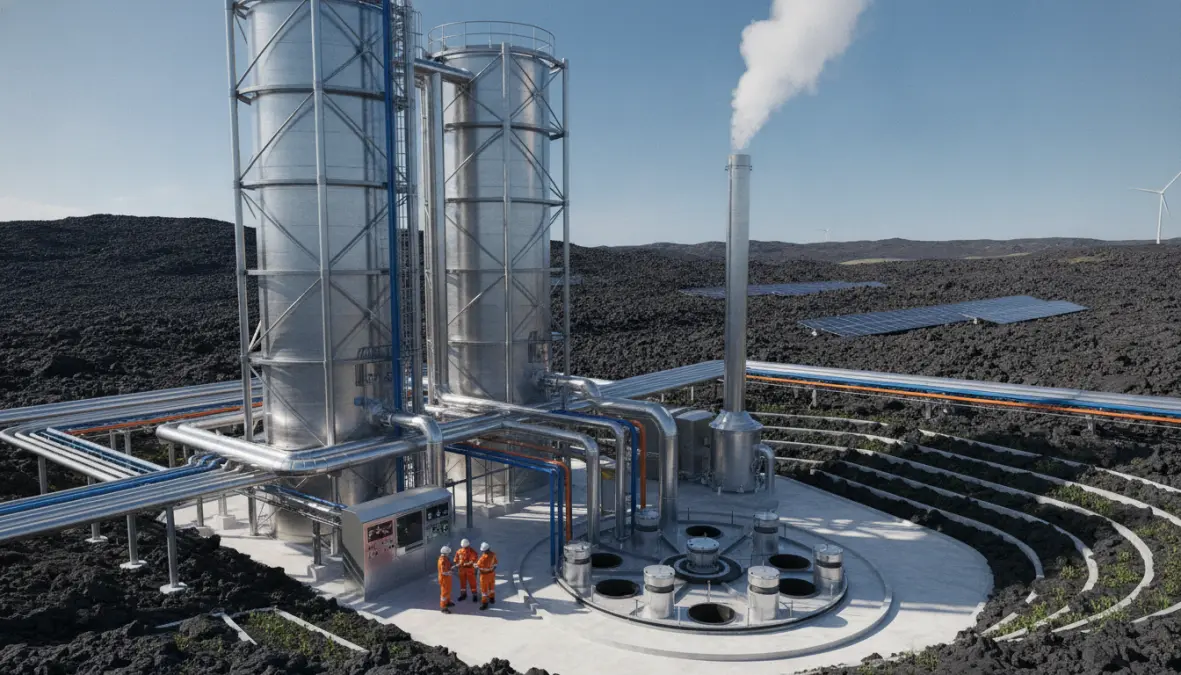
Despite the challenges, several exciting real-world projects are proving that carbon capture and storage through mineralization isn’t just theoretical. The poster child for this technology is the CarbFix project in Iceland. Since its launch, CarbFix has been injecting CO2 into reactive basalt formations, where over 95% of the injected CO2 mineralizes into solid carbonate minerals within just two years—a geological blink of an eye.
The project has successfully stored thousands of tons of CO2 captured from the Hellisheiði geothermal power plant. What makes Iceland ideal is its abundant basalt rock and geothermal heat, but the lessons learned are being applied to other geological settings worldwide. Researchers are now exploring how to replicate this success in locations without Iceland’s unique geology.
Beyond CarbFix, numerous startups and research initiatives are tackling mineralization from different angles. Some focus on enhanced weathering in agriculture, others on using industrial alkaline wastes from cement and steel production. Companies are experimenting with ocean alkalinity enhancement, where finely ground minerals are added to seawater to both sequester CO2 and combat ocean acidification. The cement industry, one of the biggest CO2 emitters, is particularly interested in benefits of mineral carbonation technology as a way to offset its carbon footprint while potentially creating carbon-negative building materials.
Frequently Asked Questions About Carbon Mineralization
How long does carbon mineralization take?
In nature, carbon mineralization through weathering can take thousands to millions of years. However, engineered processes have dramatically accelerated this timeline. The CarbFix project in Iceland achieves mineralization in less than two years. Ex-situ industrial processes can potentially mineralize CO2 in months or even weeks, depending on the specific technique and mineral types used.
Is carbon mineralization better than other carbon capture methods?
It depends on your criteria. Mineral carbonation offers superior permanence and safety compared to geological storage—once CO2 becomes rock, it’s not going anywhere. However, it’s currently more expensive and energy-intensive than some alternatives. For permanent carbon storage, it’s arguably the best option, but biological sequestration methods like reforestation can be cheaper in the short term, even if less permanent.
What rocks are best for carbon mineralization?
Rocks rich in calcium, magnesium, and iron silicates work best. Basalt and peridotite are the MVPs of carbon mineralization due to their high reactivity with CO2. Olivine (a magnesium-iron silicate) is also highly effective. These rocks are abundant globally, though accessing and processing them at scale remains a challenge. Industrial alkaline wastes like steel slag can also work surprisingly well.
Can carbon mineralization be scaled globally?
The carbon mineralization storage capacity is theoretically enormous—Earth’s crust contains more than enough reactive minerals to sequester all anthropogenic CO2 emissions. The real question is practical scalability: Can we mine, process, and distribute minerals at the billions-of-tons scale needed? Can we do it affordably and with low-carbon energy? The jury’s still out, but current projects are proving it’s technically feasible, and costs are expected to drop as technology improves.
Geological carbon sequestration through mineralization represents one of the most promising avenues for truly permanent carbon removal. While we’re still in the early stages of deployment, the combination of guaranteed permanence, safety advantages, and potential to utilize waste materials makes this technology worth watching—and investing in. As climate action becomes increasingly urgent, turning our emissions into stone might not just be clever chemistry; it could be a cornerstone of our climate solution toolkit.