CRISPR Ethics: Where Should We Draw the Line on Human Genetic Modification?
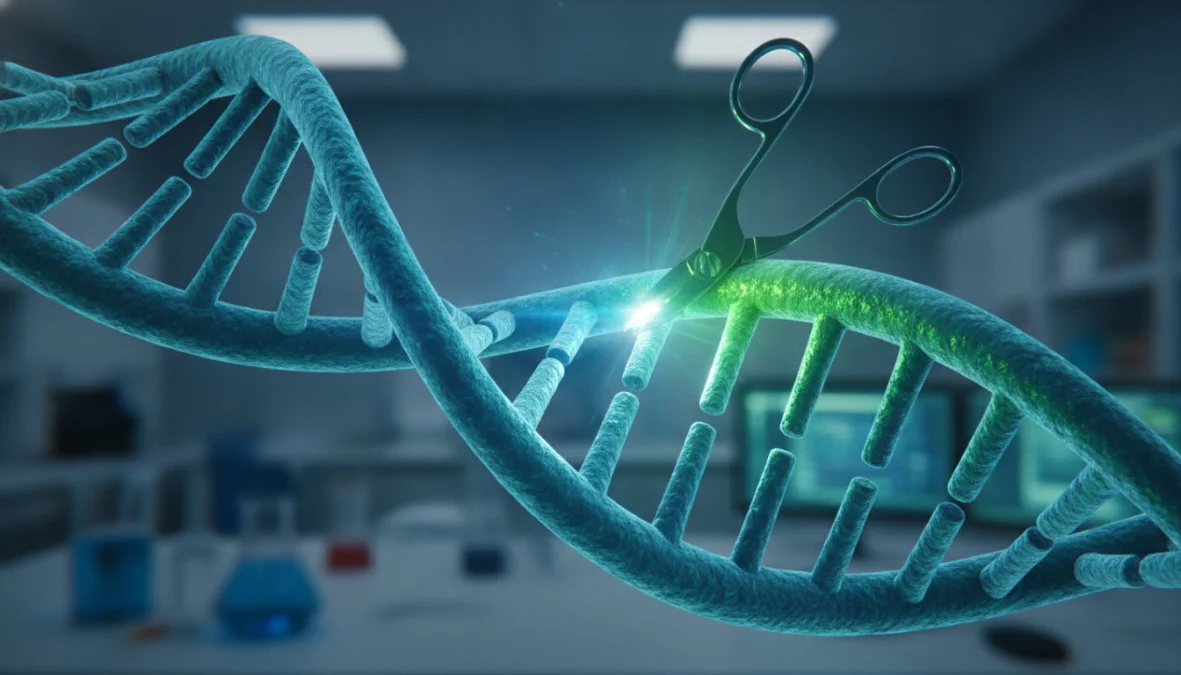
What if we could eliminate hereditary diseases before a child is born? What if we could enhance intelligence, select eye color, or engineer resistance to cancer? CRISPR-Cas9 technology has moved these scenarios from science fiction to scientific reality, and with that leap comes one of the most pressing ethical dilemmas of our time. As we unlock the ability to rewrite the human genome with unprecedented precision, we’re forced to confront fundamental questions about what it means to be human—and whether some genetic doors should remain closed forever.
Understanding CRISPR and Why Ethics Matter
CRISPR-Cas9 is essentially a molecular scissor that allows scientists to cut, edit, or replace specific segments of DNA with remarkable accuracy. This gene editing tool has revolutionized biological research, offering potential cures for diseases that have plagued humanity for generations. But the power to rewrite our genetic code raises profound questions at the intersection of bioethics CRISPR and human rights.
The ethical landscape of crispr ethics becomes particularly complex when we distinguish between two types of genetic intervention. Somatic cell therapy involves editing genes in non-reproductive cells—changes that affect only the individual being treated and aren’t passed to future generations. Germline editing, conversely, alters eggs, sperm, or embryos, meaning modifications become hereditary and affect all descendants.
The urgency of this ethical debate crystallized in 2018 when Chinese scientist He Jiankui announced he had created the world’s first genetically edited babies—twin girls modified to resist HIV infection. The global scientific community reacted with near-universal condemnation. He had crossed an ethical line most researchers agreed shouldn’t be breached, particularly given the uncertain long-term consequences and the lack of informed consent from the children who would carry these modifications throughout their lives. This controversy underscored why establishing clear CRISPR regulations isn’t just academic philosophy—it’s an immediate necessity.

The Current Ethical Debate: Therapy vs. Enhancement
At the heart of gene editing ethics lies a deceptively simple question: where do we draw the line between healing and enhancement? The distinction matters enormously, yet the boundary remains frustratingly blurred. Human genetic modification for therapeutic purposes—eliminating a mutation that causes Huntington’s disease, for example—enjoys broad ethical support. But what about modifying genes to increase height, improve memory, or enhance athletic performance?
The genetic enhancement debate touches on fundamental questions about human dignity, social justice, and what constitutes a “normal” or “desirable” human life. Critics worry about sliding into a new form of eugenics, where genetic “superiority” becomes purchasable by the wealthy, creating biological castes and exacerbating existing inequalities. The specter of designer babies ethics—parents selecting traits like intelligence or appearance as if ordering from a menu—raises concerns about treating children as products rather than persons.
Philosophical perspectives on this issue vary widely. Libertarian bioethicists argue for “procreative liberty,” suggesting parents should have broad freedom to make genetic choices for their children. Egalitarians counter that genetic enhancement would create unacceptable disparities, with genetic discrimination becoming a new frontier of inequality. Religious traditions often emphasize the sanctity of the natural genome, while transhumanists embrace enhancement as the next stage of human evolution. Similar ethical frameworks emerge in discussions about technological intervention in healthcare, as explored in The Ethics of AI in Healthcare: Who Should Make Life-Saving Decisions?.
Medical Applications: Where Consensus Exists
There’s considerable agreement within the bioethics community about the legitimacy of somatic cell therapy for serious medical conditions. Clinical trials using CRISPR to treat sickle cell anemia and beta-thalassemia have shown remarkable promise, with some patients achieving complete remission. Cancer immunotherapy approaches that edit a patient’s immune cells to recognize and destroy tumors represent another application where ethical concerns about CRISPR gene editing are minimal.
These therapeutic applications target existing individuals who can provide informed consent genetics, address genuine medical needs rather than cosmetic preferences, and don’t alter the human germline. The risks—while real—are borne by the consenting patient, not imposed on future generations. This framework provides a relatively clear ethical foundation that most regulatory bodies and ethicists support, much like how somatic therapy focuses on individual treatment rather than broader alterations.
Germline Editing and Enhancement: The Controversial Frontier
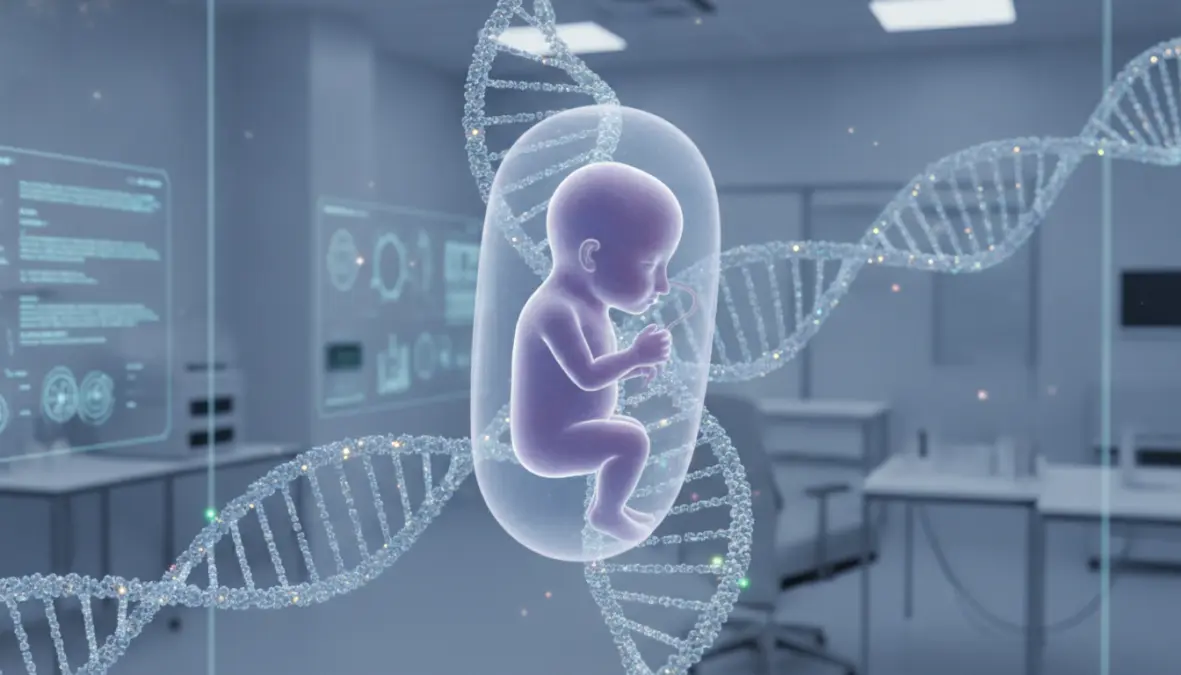
Germline editing represents the frontier where ethical consensus breaks down. Modifying embryos means making irreversible decisions for individuals who cannot consent, with changes that will ripple through their descendants indefinitely. The CRISPR germline editing ethical issues multiply when we consider unintended consequences—off-target mutations, unforeseen interactions between edited genes, or the loss of genetic variations that might prove valuable in changing environmental conditions.
The question of where to draw the line on genetic engineering becomes particularly fraught when moving from disease prevention to enhancement. Even preventing serious genetic diseases in embryos raises concerns: What counts as a disease severe enough to justify intervention? Who decides which lives are worth living? The disability rights community has voiced important critiques, noting that many people with genetic conditions lead fulfilling lives and that framing their conditions as inherently undesirable reflects problematic assumptions.
Designer babies ethics concerns extend beyond individual choice to societal impacts. Would widespread genetic selection reduce genetic diversity, potentially making humanity more vulnerable to novel diseases? Would it create pressure for all parents to enhance their children just to keep up, turning choice into coercion? These questions don’t have easy answers, but they demand serious consideration before we proceed.
Global Regulations and Where We Draw the Line
The international regulatory landscape for CRISPR regulations remains fragmented and evolving. More than 40 countries have banned germline editing for reproduction, including most of Europe. The United States prohibits federal funding for such research but doesn’t ban privately funded work. China tightened regulations following the He Jiankui scandal, but enforcement mechanisms vary widely across nations.
The World Health Organization has established an expert advisory committee on human genome editing, calling for a global registry of all human germline editing research and proposing frameworks for gene therapy regulation. These efforts reflect growing recognition that should we allow human genetic modification isn’t a question individual nations can answer in isolation—genetic modifications don’t respect borders.
Creating effective governance requires balancing innovation with precaution. Too restrictive, and we might delay cures for devastating diseases; too permissive, and we risk irreversible harm to individuals and humanity’s genetic heritage. Most bioethicists advocate for a cautious, stepwise approach: continue robust research on somatic therapies, maintain moratoria on germline editing for reproduction until safety and efficacy are established, and create international frameworks for reviewing proposed applications.
The path forward demands unprecedented global cooperation, transparent public dialogue, and mechanisms ensuring that diverse voices—not just scientists and bioethicists, but also disability advocates, religious communities, and affected populations—shape the boundaries we set. The ethical boundaries of human gene editing aren’t purely technical questions for experts; they’re democratic decisions about what kind of world we want to create. Just as emerging technologies in other domains require thoughtful governance, as discussed in quantum communication networks and bioprinting organs, CRISPR demands collective wisdom rather than individual brilliance alone.
FAQ
Is CRISPR gene editing ethical?
CRISPR ethics depends heavily on application. Most ethicists support using CRISPR for somatic cell therapy treating serious diseases in consenting patients. Germline editing remains highly controversial due to consent issues, unknown long-term effects, and concerns about enhancement applications. The technology itself is ethically neutral—the moral weight lies in how we choose to use it.
What are the ethical concerns with germline editing?
Germline editing raises multiple ethical red flags: children cannot consent to permanent genetic changes, off-target mutations could harm future generations, it could reduce valuable genetic diversity, and it opens doors to non-therapeutic enhancements that might exacerbate social inequality. The irreversibility and intergenerational impact make the stakes uniquely high.
Should designer babies be allowed?
This remains one of bioethics’ most contentious questions. Critics argue designer babies commodify children, create genetic inequality, and resurrect eugenics concerns. Some libertarian ethicists defend parental freedom to enhance offspring. Most regulatory bodies currently prohibit genetic enhancement, allowing only therapeutic interventions for serious diseases, though enforcement varies globally.
What regulations exist for CRISPR?
CRISPR regulations vary dramatically by country. Over 40 nations ban germline editing for reproduction. The U.S. prohibits federal funding but not private research. International bodies like WHO recommend moratoria on clinical germline editing and call for global registries. Most countries permit somatic cell therapy under standard clinical trial regulations.
What’s the difference between therapy and enhancement?
Therapy aims to treat or prevent disease, restoring function to normal ranges—like correcting a mutation causing cystic fibrosis. Enhancement seeks to improve traits beyond typical human functioning—increasing intelligence or athletic ability. In practice, this boundary blurs (is preventing age-related decline therapy or enhancement?), making regulation challenging.
As CRISPR technology advances, we stand at a crossroads that will define humanity’s genetic future. The choices we make today about crispr ethics—what we permit, what we prohibit, and how we govern this powerful technology—will echo through generations. Rather than rushing forward or retreating in fear, we need thoughtful, inclusive dialogue that honors both human potential and human dignity. What’s your perspective on where we should draw the line?