Electrofuel Production: How Synthetic Gasoline is Made from Electricity
Imagine filling your car with gasoline that was literally made from thin air and renewable electricity. Sounds like science fiction? It’s not. Electrofuel production is turning this vision into reality, creating synthetic gasoline from water, CO2, and clean energy. This revolutionary e-fuels technology could transform how we power transportation without scrapping our existing infrastructure. Let’s dive into how electricity becomes fuel and what this means for our carbon-heavy world.
What is Electrofuel Production and How Does It Work?
Electrofuel production is the process of creating liquid fuels using electricity, water, and carbon dioxide instead of extracting petroleum from underground. Also known as power-to-liquid technology, this synthetic fuel production method represents a fundamentally different approach to making gasoline, diesel, and jet fuel. Unlike traditional fossil fuels that release ancient carbon into the atmosphere, electrofuel synthesis can create a closed carbon loop by capturing CO2 that would otherwise contribute to climate change.
The key difference between e-fuels and fossil fuels lies in their carbon source. Traditional gasoline releases carbon that’s been locked underground for millions of years, adding new CO2 to our atmosphere. Synthetic gasoline, however, is made using carbon dioxide captured from the air or industrial processes. When burned in an engine, it releases roughly the same CO2 that was used to create it, potentially making it carbon neutral when powered by renewable energy.
Understanding how to produce electrofuels from renewable electricity requires grasping three fundamental steps: first, renewable electricity splits water into hydrogen and oxygen through electrolysis. Second, captured CO2 is combined with this hydrogen. Third, chemical reactions transform these ingredients into liquid hydrocarbons that are chemically identical to conventional fuels. This end-to-end process essentially reverses combustion, using energy to rebuild the molecules that engines break apart.
The beauty of this approach is its compatibility with existing engines, pipelines, and fuel stations. Your car wouldn’t know the difference between synthetic and conventional gasoline because at the molecular level, there isn’t one.
The Electrofuel Synthesis Process: From Renewable Energy to Synthetic Gasoline
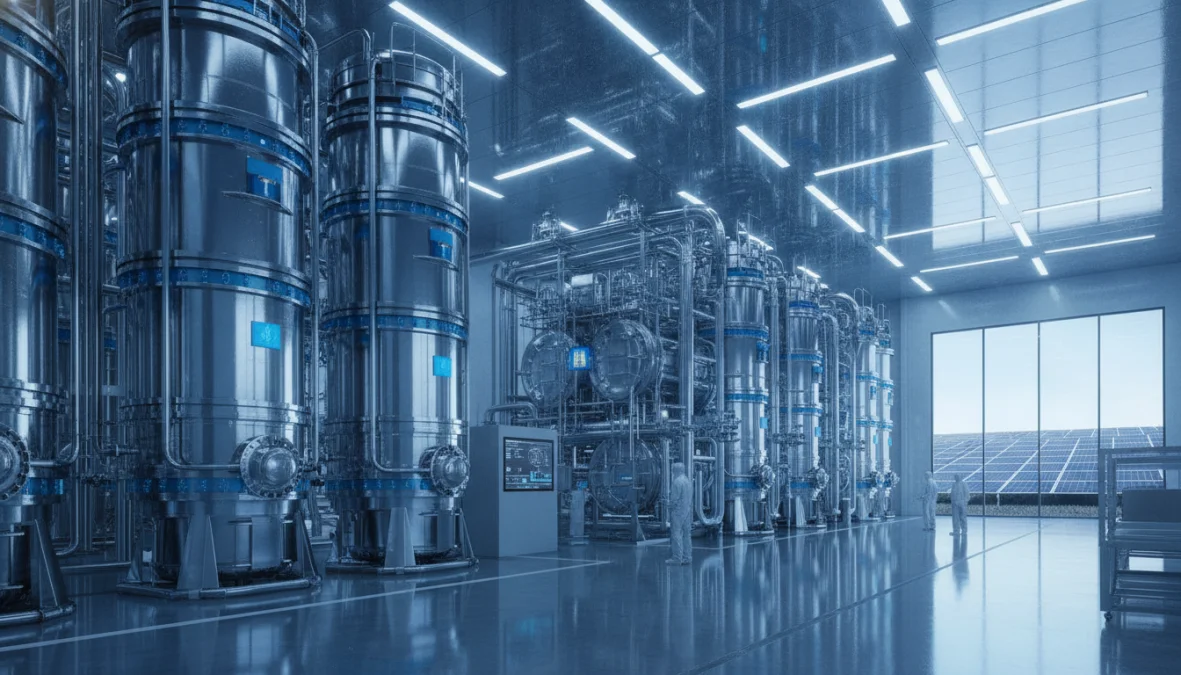
The electrofuel production process step by step involves sophisticated chemistry, but the underlying concept is straightforward: combine hydrogen from water with carbon from CO2 to build hydrocarbon chains. Let’s break down how renewable gasoline comes together in modern synthetic gasoline manufacturing facilities.
Step 1: Hydrogen Production Through Water Electrolysis
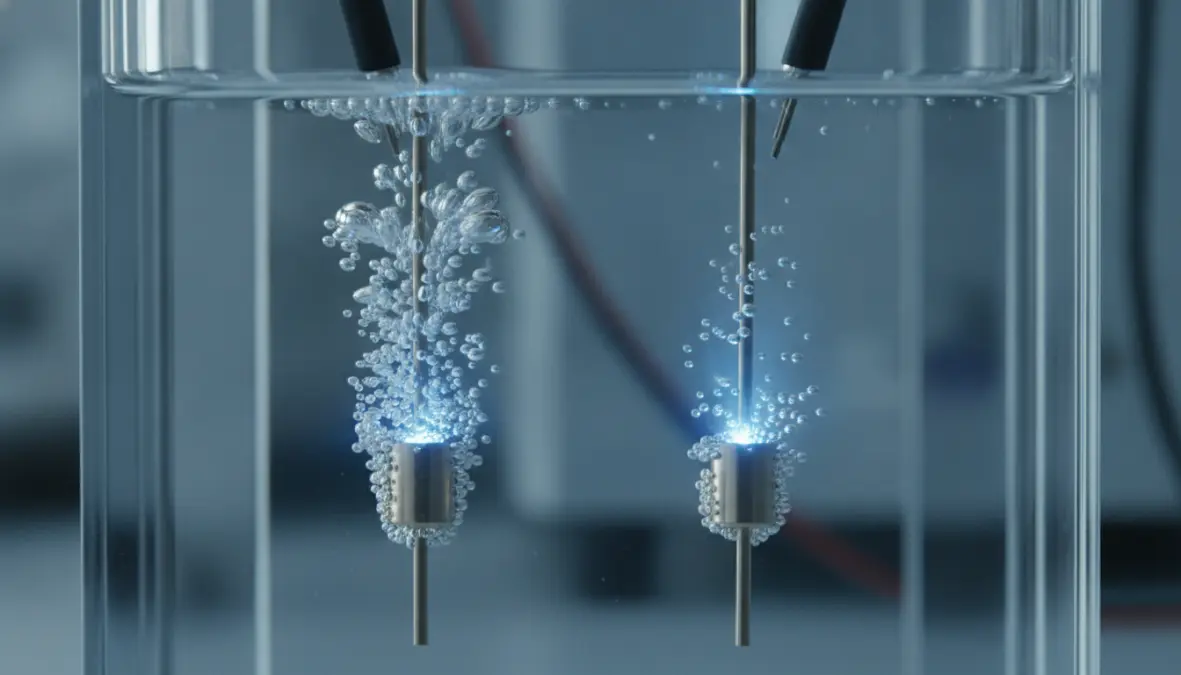
Everything starts with green hydrogen production through hydrogen electrolysis. When renewable electricity from solar panels or wind turbines flows through an electrolyzer, it splits water molecules (H₂O) into hydrogen (H₂) and oxygen (O₂). The oxygen is typically released as a byproduct, while the hydrogen becomes the fuel’s primary building block.
Three main electrolyzer types dominate the industry: alkaline electrolyzers, which use liquid electrolytes and are well-established but slower; proton exchange membrane (PEM) electrolyzers, which offer faster response times perfect for intermittent renewable energy; and solid oxide electrolyzers, which operate at high temperatures and promise superior efficiency but remain less commercially mature. The efficiency of electrofuel production methods heavily depends on this first step, as electrolysis typically converts 60-80% of electrical energy into chemical energy stored in hydrogen bonds.
Step 2: Carbon Capture and Synthesis Reactions
The second half of power-to-liquid production involves sourcing CO2 and combining it with hydrogen. Carbon capture utilization pulls CO2 from two main sources: direct air capture (DAC) systems that filter it from ambient air, or industrial emissions from facilities like cement plants or breweries. DAC offers the advantage of location flexibility but requires significant energy, while industrial capture is more efficient but geographically constrained.
Once captured, CO2 conversion happens through synthesis reactions. The most established method is Fischer-Tropsch synthesis, developed nearly a century ago, which combines hydrogen and carbon monoxide (derived from CO2) over iron or cobalt catalysts at high temperatures and pressures to produce long-chain hydrocarbons. Alternative pathways include methanol synthesis followed by methanol-to-gasoline conversion, which offers different product distributions and potentially lower operating temperatures.
These reactions typically occur at 200-350°C under 20-40 bar pressure, with carefully selected catalysts determining which hydrocarbon products dominate. The output isn’t just gasoline—electrofuel synthesis can produce diesel, jet fuel, and other products by adjusting reaction conditions. The final synthetic fuel is then refined to meet exact specifications, emerging as a drop-in replacement for petroleum products. Much like how geopolitical tensions are reshaping global supply chains, electrofuel technology could fundamentally alter energy supply networks.
Benefits, Challenges, and the Future of Carbon Neutral Fuels
The promise of carbon neutral fuels extends far beyond just reducing emissions. Synthetic fuel production offers unique advantages that battery electric vehicles can’t match in certain applications. Aviation and maritime shipping, for instance, desperately need energy-dense liquid fuels that batteries simply can’t provide at acceptable weights. Electrofuels could decarbonize these hard-to-electrify sectors without requiring entirely new infrastructure.
Another compelling benefit is renewable energy storage. When solar and wind produce excess electricity, converting it to liquid fuel creates a stable, storable form of energy that doesn’t degrade over time like batteries. This decarbonization technology effectively turns intermittent renewable energy into an on-demand resource.
The environmental benefits of synthetic gasoline are significant when the full lifecycle is considered. Beyond potential carbon neutrality, electrofuels produce fewer pollutants than conventional petroleum when burned, containing no sulfur and fewer aromatics.
However, substantial challenges remain. The efficiency of electrofuel production methods represents perhaps the biggest obstacle—round-trip efficiency from electricity to fuel to motion typically reaches only 10-20%, compared to 70-80% for battery electric vehicles. This means you need 3-4 times more renewable electricity to power a car on electrofuels versus batteries for the same distance.
The cost of synthetic gasoline production currently runs several times higher than conventional fuel, primarily due to expensive renewable electricity, capital-intensive equipment, and limited production scale. Electrofuel vs traditional fossil fuels economics won’t compete without either carbon pricing or dramatic cost reductions through technological advancement and scaling.
Despite these hurdles, companies producing electrofuels commercially are emerging worldwide, with pilot and demonstration plants proving the technology works at meaningful scales. Major automotive manufacturers, oil companies, and startups are investing in alternative transportation fuels as part of diversified decarbonization strategies.
The future likely holds a place for electrofuels alongside batteries and hydrogen, each serving different niches. While personal vehicles will probably transition primarily to batteries, aviation, shipping, and potentially motorsports may rely on synthetic fuels. Similar to how slow travel is transforming tourism by prioritizing quality over speed, electrofuels might transform energy by prioritizing sustainability over cost.
As renewable electricity becomes cheaper and more abundant, and as carbon regulations tighten globally, the economics of e-fuels technology will continue improving. The question isn’t whether we can make synthetic gasoline from electricity—we clearly can. The question is whether we can make it affordable enough, fast enough, to make a meaningful dent in transportation emissions. The race is on, and the finish line keeps getting closer.