Geothermal Energy Renaissance: Why Underground Heat Is Energy’s Best Kept Secret
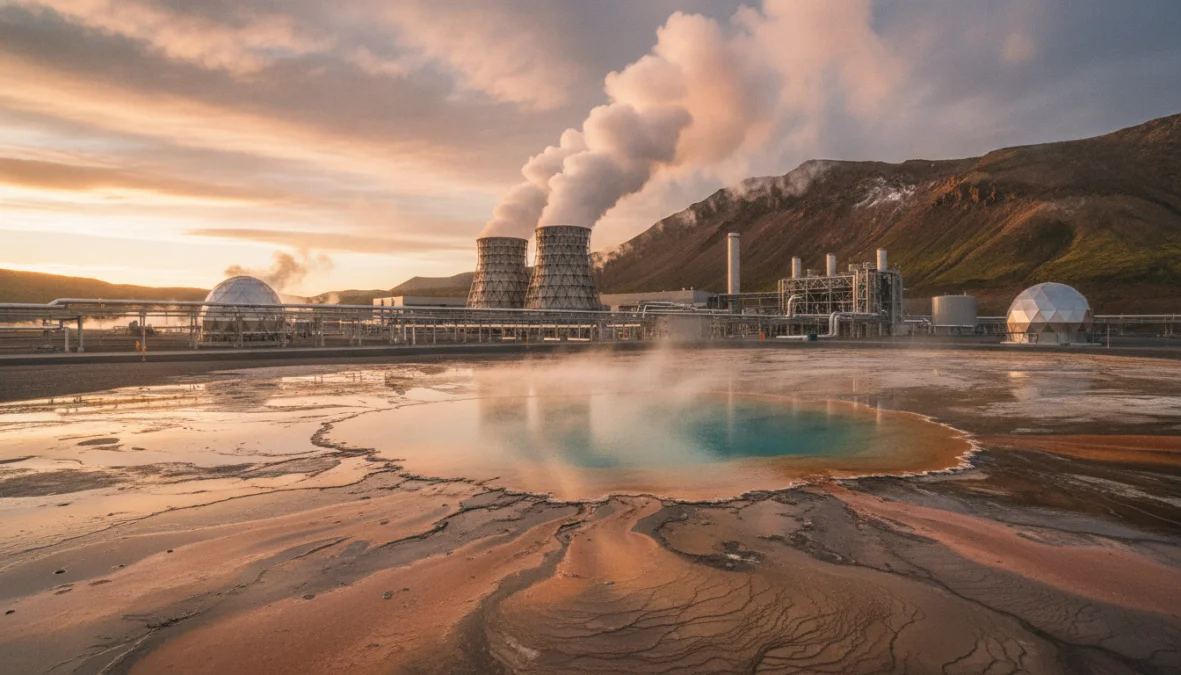
Beneath our feet lies an energy source that’s been powering Iceland’s homes for decades, heating Japanese hot springs for centuries, and quietly generating electricity in California since the 1960s. Yet geothermal energy remains surprisingly underutilized globally—a renewable powerhouse that operates 24/7, requires minimal land, and produces virtually no emissions. While solar panels and wind turbines dominate renewable energy headlines, the Earth’s internal furnace has been waiting patiently for its moment in the spotlight. That moment may finally be arriving.
What Makes Geothermal Energy Different From Other Renewable Sources
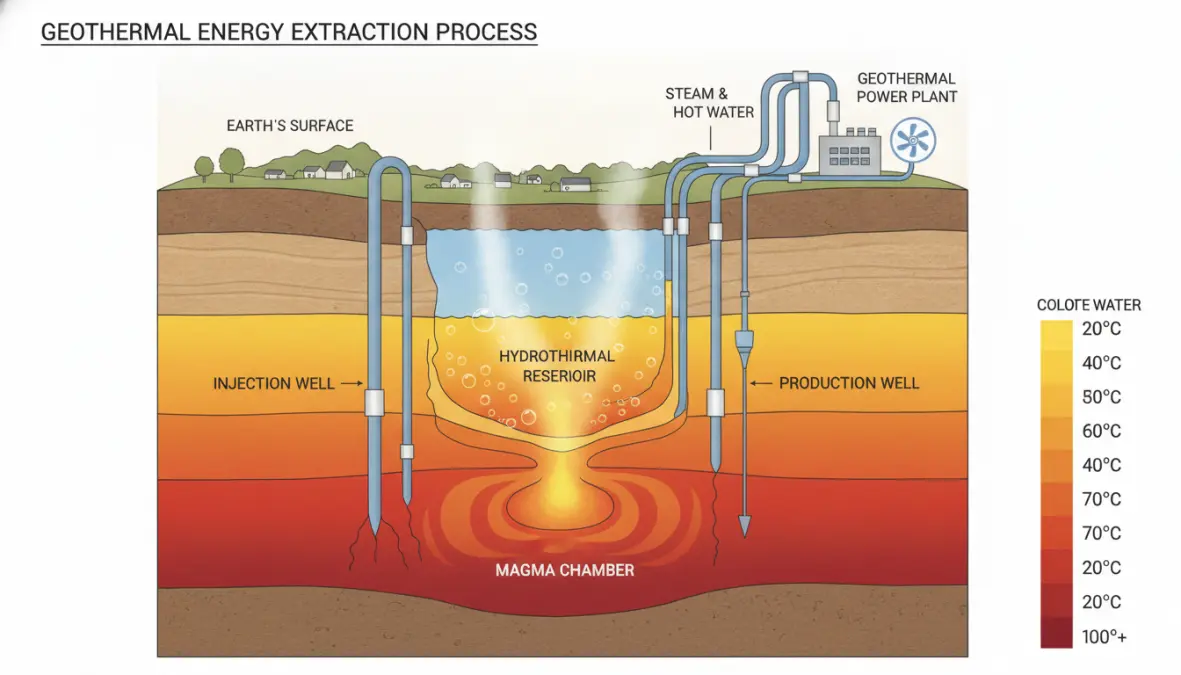
Geothermal energy taps into the planet’s internal heat—a virtually inexhaustible resource generated by radioactive decay in the Earth’s core and residual heat from planetary formation. The process of extracting this underground thermal energy involves drilling wells to access hydrothermal reservoirs or heated rock formations, then bringing hot water or steam to the surface for heat extraction. The thermal gradient—the temperature increase with depth—averages about 25-30°C per kilometer, though this varies dramatically based on tectonic activity and proximity to magma chambers.
Unlike solar and wind power, which fluctuate with weather patterns, geothermal resources provide consistent, reliable energy around the clock. This makes geothermal ideal for baseload power generation—the continuous electricity supply that keeps the grid stable. The physical footprint is remarkably small too; a geothermal plant generating the same power as a solar farm requires just 1-8% of the land area.
So why has geothermal remained energy’s best-kept secret? Historically, the technology required specific geological conditions—volcanic regions with easily accessible hot water reservoirs. This geographic limitation meant only countries like Iceland, New Zealand, and the Philippines could fully exploit it. Additionally, high upfront exploration and drilling technology costs deterred investment when fossil fuels were cheap. But the global geothermal picture is changing rapidly, and regions once considered unsuitable are now becoming viable candidates for development.
The Dual Power of Geothermal: Electricity Generation and Direct Heating Applications
Geothermal power serves two distinct but equally important functions: generating geothermal electricity and providing direct heat applications. Understanding both reveals the technology’s remarkable versatility as one of the most comprehensive sustainable energy solutions available.
On the electricity front, three main types of geothermal power plants exist. Dry steam plants tap directly into underground steam reservoirs—the simplest and oldest design, pioneered at Italy’s Larderello field in 1904. Flash steam plants, the most common type today, use high-pressure hot water that “flashes” into steam when pressure drops. Binary cycle power plants represent the newest technology, using moderate-temperature water (as low as 57°C) to heat a secondary fluid with a lower boiling point, which then drives the turbines. This innovation has dramatically expanded where geothermal electricity generation is economically viable.
The countries leading in geothermal energy electricity production include the United States (particularly California and Nevada), Indonesia, Philippines, Turkey, and New Zealand. Iceland generates nearly 30% of its electricity from geothermal sources—an impressive demonstration of the technology’s potential when geography and policy align.
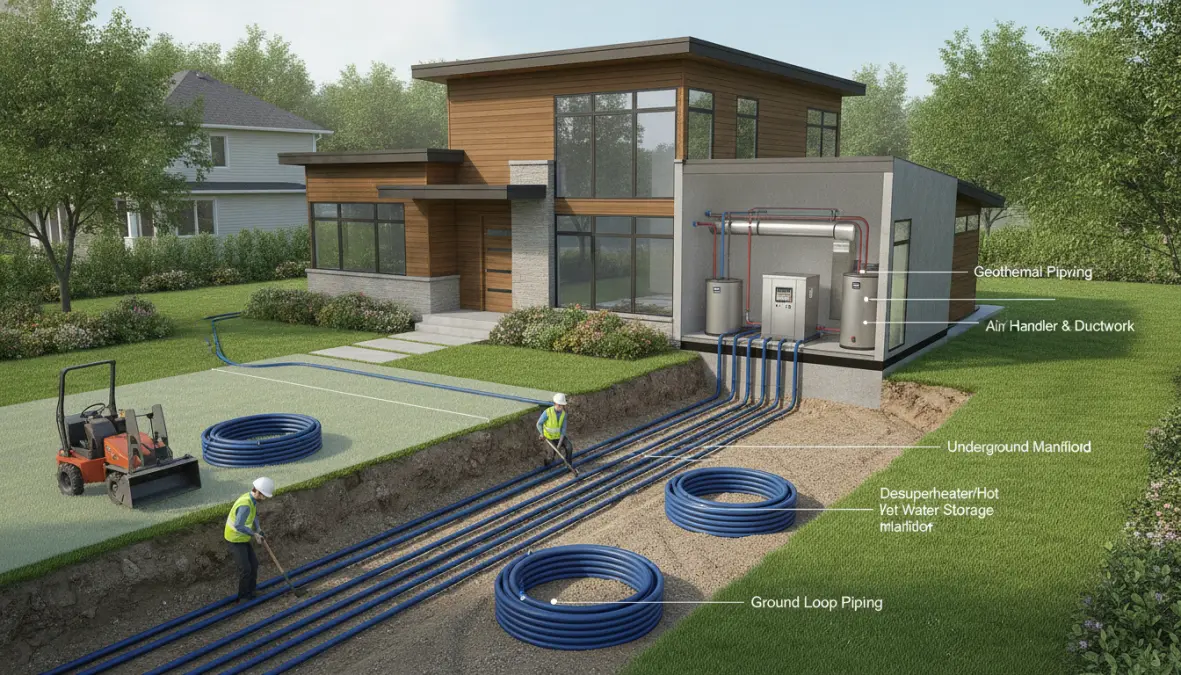
The direct heating applications of geothermal heating are equally compelling but often overlooked. Ground source heat pumps exploit the Earth’s constant shallow subsurface temperature (10-16°C year-round) to heat and cool buildings with exceptional efficiency. The advantages of geothermal energy systems for residential and commercial properties include 30-60% lower heating costs and 25-50% lower cooling costs compared to conventional systems. Beyond buildings, direct geothermal heat supports district heating networks, greenhouse agriculture, aquaculture facilities, industrial processes, and even snow melting for roads and sidewalks. These applications demonstrate remarkable geothermal energy cost effectiveness when measured over system lifetimes, similar to how microgrids provide localized energy resilience.
Why Geothermal Is Poised for Major Growth: Technology Breakthroughs and Economic Advantages
Recent technological innovations are fundamentally transforming the geothermal energy future potential, expanding it far beyond traditionally favorable volcanic regions. Enhanced Geothermal Systems (EGS) represent the most significant breakthrough—artificially creating permeability in hot rock formations by fracturing them and circulating fluid through the created reservoir. This technology could theoretically make geothermal resources accessible almost anywhere, since temperatures increase with depth everywhere on Earth.
The oil and gas industry’s advanced drilling technology—including directional drilling, better drill bits, and seismic imaging—has migrated to geothermal applications, reducing costs and risks substantially. Closed-loop systems, which circulate fluid through sealed pipes without mixing with groundwater, address environmental concerns and eliminate the need for specific hydrogeological conditions. These innovations are answering the common question of whether geothermal energy can work anywhere: increasingly, the answer is yes, though economics still vary by location.
The economic case for geothermal energy strengthens as other renewable energy sources mature. While initial capital costs remain high ($2,500-$5,000 per installed kilowatt for power plants), operational costs are exceptionally low, and facilities last 30-50 years with minimal fuel price volatility. The levelized cost of energy (LCOE) for geothermal has become competitive with conventional sources, particularly when grid stability and baseload capacity are valued appropriately—advantages shared with nuclear power’s reliable generation.
Challenges remain: exploration risks can result in dry wells, community concerns about induced seismicity require transparent management, and installing geothermal heat pumps faces installer availability bottlenecks in many markets. Yet as the global energy transition accelerates, geothermal’s unique attributes—consistent output, small footprint, minimal emissions, and independence from weather—position it as an essential complement to variable renewables and emerging technologies like green hydrogen.
FAQ: Common Questions About Geothermal Energy
Is geothermal energy truly renewable?
Yes, geothermal is classified as a renewable heat source because the Earth’s internal heat is continuously replenished through radioactive decay and will last billions of years. When managed properly, extraction rates remain sustainable indefinitely, making it one of the most reliable sustainable energy solutions.
How does geothermal energy work for home heating?
Understanding how does geothermal energy work for homes involves ground source heat pumps that circulate fluid through underground pipes, absorbing the Earth’s constant temperature and transferring it indoors for heating or outdoors for cooling. This process uses significantly less electricity than conventional HVAC systems.
What are the environmental benefits of geothermal power?
The environmental benefits of geothermal power include near-zero greenhouse gas emissions during operation, minimal land disturbance compared to other energy sources, no fuel combustion or air pollution, and no water consumption in closed-loop systems—making it one of the cleanest energy options available.
Can geothermal energy work anywhere in the world?
While high-temperature geothermal resources for electricity generation concentrate in tectonically active regions, Enhanced Geothermal Systems and ground source heat pumps for heating/cooling can theoretically function anywhere. Economic viability depends on local geology, energy prices, and drilling costs.
How long does a geothermal system last?
Geothermal power plants operate for 30-50 years, while residential ground source heat pump systems last 20-25 years for indoor components and 50+ years for underground piping. This longevity contributes significantly to geothermal energy cost effectiveness over the system lifetime.
The geothermal renaissance is underway, driven by technological innovation, climate imperatives, and growing recognition that the most powerful renewable energy source has been beneath our feet all along. As drilling costs decline and Enhanced Geothermal Systems mature, this underground treasure will increasingly emerge from the shadows to claim its rightful place in the clean energy portfolio. The question isn’t whether geothermal will play a major role in our energy future—it’s how quickly we’ll unlock its vast potential.