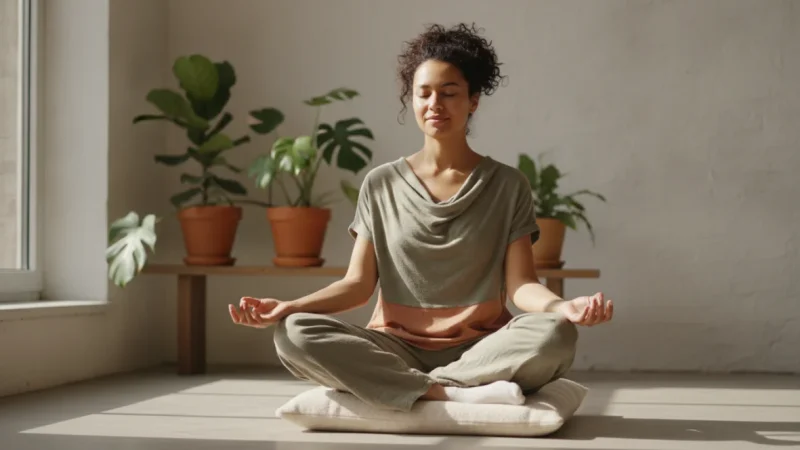
The Comparison Trap: How Social Media Fuels an Epidemic of Inadequacy
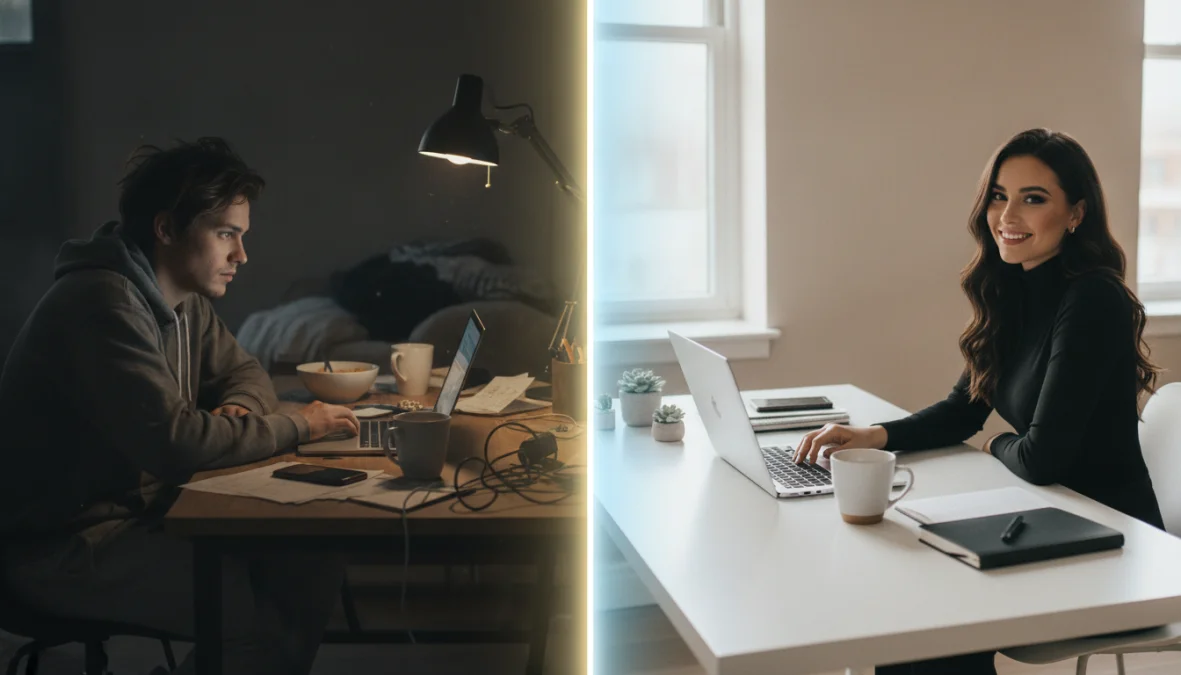
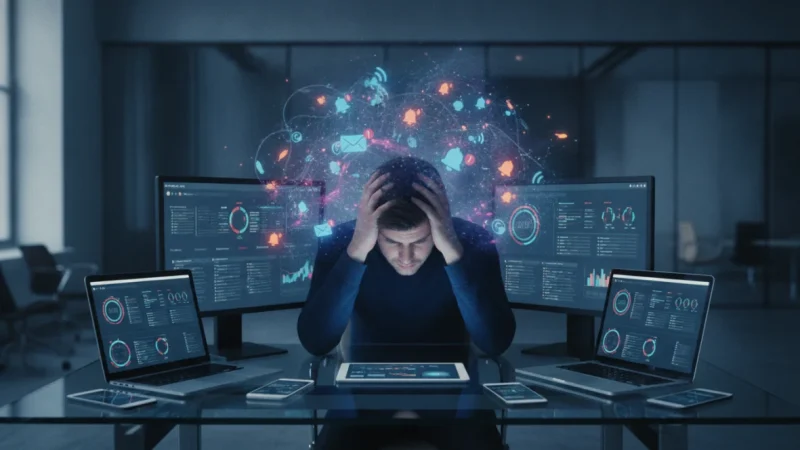
Ever catch yourself scrolling through Instagram at 2 AM, feeling progressively worse about your life with every perfectly curated post? You’re not alone. That sinking feeling in your stomach when you see someone’s “effortless” beach vacation, promotion announcement, or impossibly tidy home isn’t a character flaw—it’s social media comparison at work, and it’s affecting millions of us in ways we’re only beginning to understand.
What started as platforms to connect with friends has morphed into a 24/7 highlight reel that’s quietly eroding our self-worth, one double-tap at a time.
Understanding the Social Media Comparison Trap
The comparison trap psychology isn’t new—humans have been sizing themselves up against others since the dawn of time. Back in 1954, psychologist Leon Festinger introduced social comparison theory, arguing that we determine our own worth by comparing ourselves to others. It’s a natural, almost automatic mental process.
But here’s the catch: Festinger never could have anticipated Instagram.
His theory identified two types of comparison. Downward comparison happens when we compare ourselves to people we perceive as worse off, which can boost our ego temporarily. Upward social comparison, on the other hand, occurs when we measure ourselves against people we see as better off—and this is where social media becomes toxic.
The problem? Social platforms are engineered for upward comparison. We’re constantly bombarded with the best moments of everyone else’s lives while sitting in our sweatpants surrounded by dirty dishes. Studies show that the average person spends over 2 hours daily on social media, and approximately 60% of users report that online comparison behavior negatively impacts their self-perception.
Unlike real-life interactions where we see the full spectrum of someone’s experiences, social media gives us a carefully filtered version of reality. This amplifies the natural human tendency to compare, turning what was once an occasional mental exercise into a constant, exhausting loop that follows us everywhere our phones go.
How Social Media Comparison Damages Mental Health and Self-Esteem
The social media effects on self-esteem are more than just feeling a bit bummed after scrolling. Research has linked excessive social media use to increased rates of anxiety, depression, and loneliness—particularly among young adults and teenagers who’ve grown up in this digital fishbowl.

Instagram comparison anxiety has become so prevalent it’s practically its own diagnosis. One study found that Instagram was ranked as the worst social media platform for mental health, primarily due to its emphasis on image and the culture of comparison it breeds. When everyone’s posting their wins and nobody’s sharing their losses, we develop a distorted view of reality.
The mechanics are insidious. Social media algorithms aren’t designed to make you feel good—they’re designed to keep you engaged. That often means serving up content that triggers emotional responses, including envy and inadequacy. The platforms know that content making you feel social media inadequacy keeps you scrolling, searching for that hit of dopamine from validation.
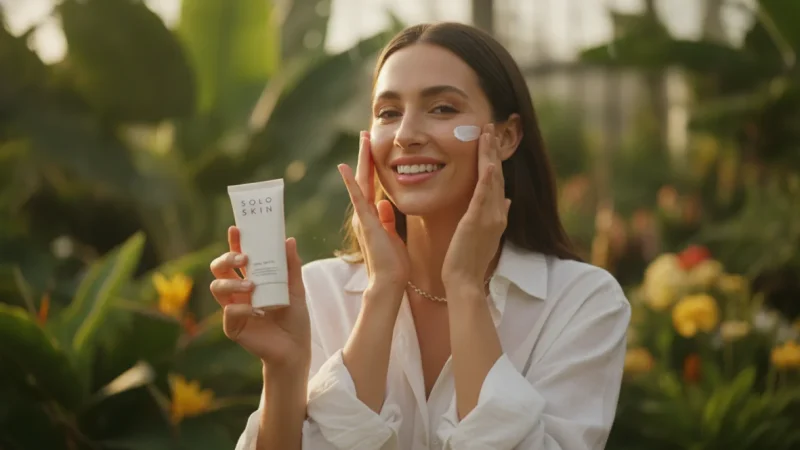
Then there’s the highlight reel culture problem. We’re comparing our messy, complicated, unfiltered lives to everyone else’s greatest hits. That colleague didn’t post about the three interviews she bombed before landing that job. Your high school friend didn’t share the credit card debt funding those travel photos. The fitness influencer didn’t mention the eating disorder or the professional photo editing.
Add filters, FaceTune, and strategic cropping into the mix, and we’re literally comparing ourselves to images that don’t exist in reality. This creates impossible standards that fuel envy and resentment, not just toward others, but toward ourselves for not measuring up to fiction. Similar to the psychology behind doomscrolling, this constant negative comparison can become a compulsive habit that’s hard to break.
The fear of missing out (FOMO) compounds everything. Seeing friends at events you weren’t invited to, or even just witnessing others enjoying experiences you can’t afford or access, creates a unique brand of digital wellness mental health challenges our parents’ generation never faced.
The Vicious Cycle of Validation-Seeking
Here’s where things get really messy: feeling inadequate from comparison often drives us to post more, seeking self-worth validation through likes and comments. We craft our own highlight reels, hoping for digital affirmation that we’re worthy, successful, or attractive enough.
When that validation arrives, it feels great—temporarily. But it’s a fleeting high that creates dependency. When posts underperform, the crash is brutal, reinforcing the inadequacy we were trying to escape. We post again, maybe more provocatively, more carefully curated, chasing that validation dragon. It’s a cycle that keeps us trapped, simultaneously feeding the comparison culture and being destroyed by it. This pattern mirrors the loneliness epidemic, where digital connections fail to provide genuine fulfillment.
Breaking Free: Practical Strategies for Healthier Social Media Use
So how do you escape the comparison trap without becoming a digital hermit? The good news: you don’t need to delete everything (unless you want to). Small, intentional changes can dramatically improve your relationship with social media.
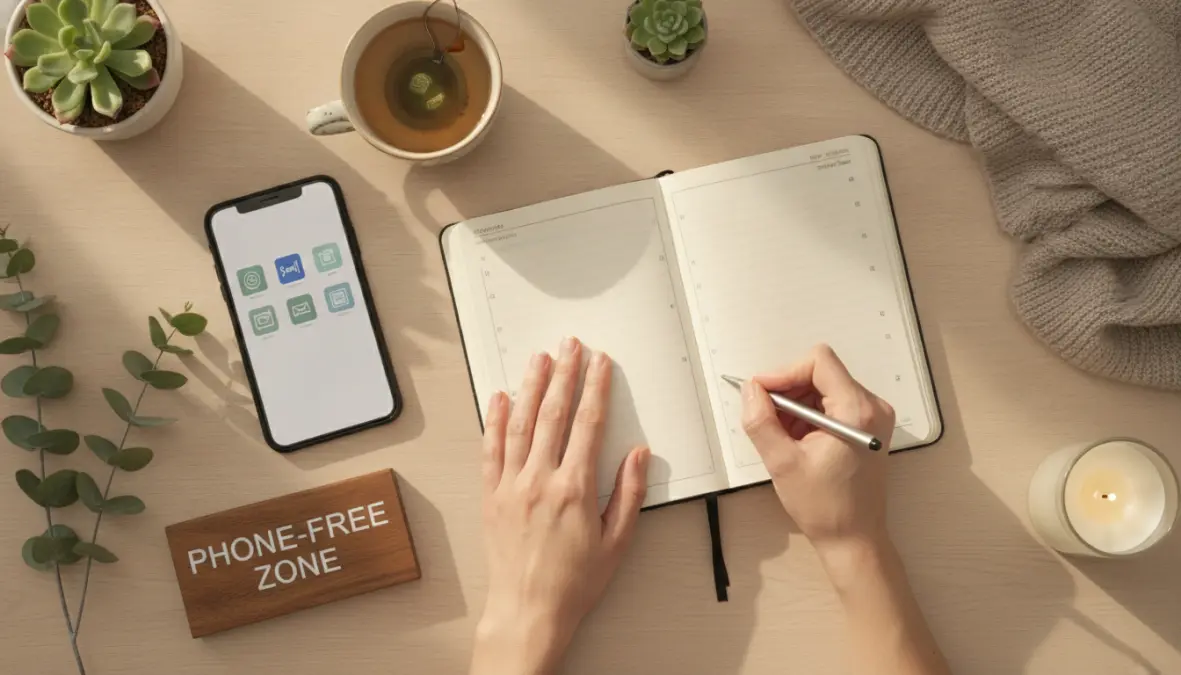
Curate your feed ruthlessly. Unfollow or mute accounts that consistently make you feel inadequate. This isn’t about avoiding reality—it’s about protecting your mental space. If someone’s posts regularly trigger comparison spirals, give yourself permission to remove that source of stress. Follow accounts that promote authenticity online instead—people who share struggles alongside successes.
Set concrete time limits. Use built-in screen time features or apps to cap your daily social media use. Even reducing by 30 minutes daily can significantly improve mood and reduce comparison behavior. The less time you spend in the comparison zone, the less power it has.
Practice active mindfulness. Before opening an app, ask yourself: “What am I hoping to get from this?” After scrolling, check in: “How do I feel now versus five minutes ago?” This self-awareness helps you identify your personal triggers and patterns.
Implement regular digital detox periods. Try phone-free mornings, social media-free weekends, or even a full week off. The digital detox benefits are real: better sleep, improved focus, and reduced anxiety. Distance helps you remember who you are beyond the feed.
Build offline self-worth. Invest time in activities that make you feel competent and fulfilled without digital documentation. Read books, develop skills, maintain relationships face-to-face. The more your self-esteem comes from internal and real-world sources, the less power online comparison holds.
Practice gratitude actively. Daily gratitude journaling specifically about your own life (not in comparison to others) can rewire your brain away from scarcity thinking. What do you have? What went well in your day?
Some users are even exploring decentralized social media platforms as alternatives that prioritize different values than engagement-at-all-costs.
FAQ: Social Media Comparison and Mental Health
Why does social media make me feel inadequate?
Social platforms show curated highlight reels, not reality. You’re comparing your complete experience (including struggles) to others’ carefully selected best moments, creating an unfair and distorted comparison that triggers feelings of inadequacy.
Is social media comparison normal?
Yes, comparison is a natural human behavior. However, social media amplifies and accelerates this tendency to unhealthy levels by providing constant, 24/7 access to idealized versions of others’ lives.
How do I stop comparing myself to others online?
Curate your feed, limit screen time, practice mindfulness about your triggers, take regular breaks, and build self-worth from offline activities and relationships rather than digital validation.
What are signs of unhealthy social media use?
Feeling anxious or depressed after scrolling, constantly checking for validation, losing sleep to social media, neglecting real-life relationships, and feeling your self-worth depends on online engagement are all red flags.
The comparison trap isn’t a personal failing—it’s a predictable response to platforms designed to keep us engaged at any emotional cost. Understanding the mechanics of social media comparison is the first step toward reclaiming your mental space. You don’t need to match anyone’s highlight reel because you’re not living in their reality—you’re living in yours. And that messy, imperfect, unfiltered life? It’s the only one that actually matters.