Heat Shock Proteins: How Sauna Use Activates Cellular Protection
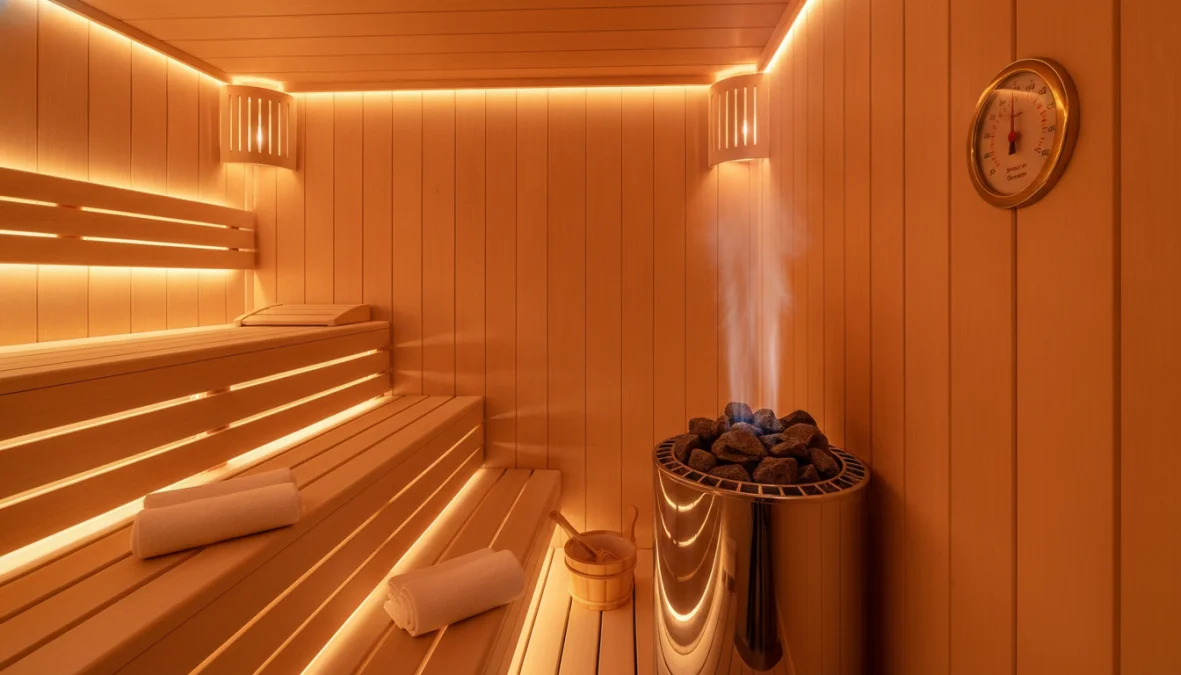
Ever wondered why you feel so rejuvenated after a good sauna session? Beyond the relaxation and sweat, something profound is happening at the cellular level. Your body is activating a fascinating defense mechanism called heat shock proteins, ancient molecular guardians that protect your cells from stress and damage. These microscopic bodyguards don’t just help you survive the heat—they might be one of nature’s most powerful tools for longevity and disease prevention.
What Are Heat Shock Proteins and Why They Matter
Heat shock proteins are your body’s emergency repair crew. These specialized proteins spring into action whenever cells experience stress—whether from heat, toxins, or other environmental challenges. The cellular stress response they trigger is one of the most conserved biological mechanisms in nature, found in organisms from bacteria to humans, which tells us just how essential they are for survival.
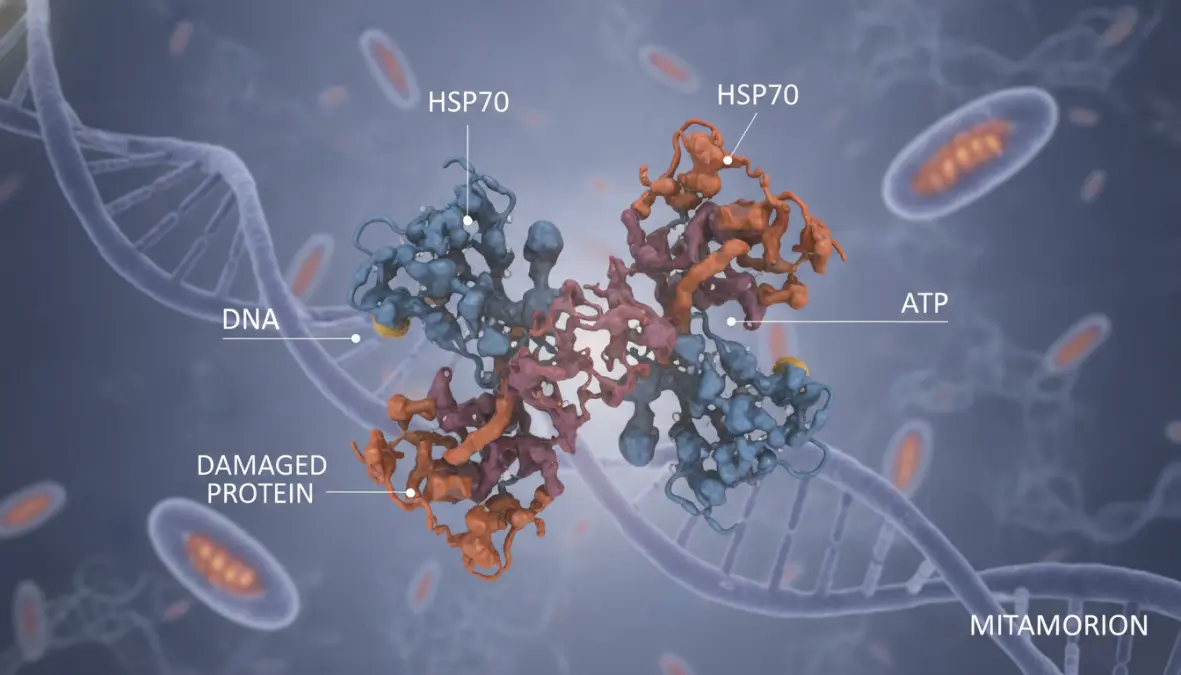
Scientists first discovered heat shock proteins in the 1960s when researcher Ferruccio Ritossa noticed unusual chromosomal activity in fruit flies exposed to elevated temperatures. This accidental discovery opened a window into understanding how cells protect themselves from damage. Today, we know there are several families of these proteins, classified by their molecular weight. Heat shock protein 70 (HSP70) is perhaps the most studied and crucial member, acting as a molecular chaperone that prevents proteins from misfolding and helps refold damaged ones.
Think of HSP70 as a quality control manager in a factory. When proteins get damaged by stress—imagine them as bent or twisted machine parts—HSP70 steps in to either fix them or mark them for recycling. This process, called protein folding, is critical because misfolded proteins are linked to diseases like Alzheimer’s, Parkinson’s, and even some cancers. By maintaining cellular homeostasis, heat shock proteins literally keep your cells running smoothly, which is why researchers are increasingly interested in their role in healthy aging and longevity.
How Sauna Activates Heat Shock Proteins
Understanding how sauna activates heat shock proteins starts with recognizing that your cells are incredibly smart. When you expose your body to the thermal stress of a sauna, temperature-sensitive proteins in your cells detect the change and trigger a protective cascade. This is hormesis in action—a beneficial stress response that makes you stronger.
For optimal sauna temperature for HSP activation, research suggests temperatures between 60-80°C (140-176°F) are ideal. Traditional Finnish saunas typically operate in this range, while infrared saunas work at lower ambient temperatures (around 50-60°C) but still effectively heat your body’s core. The key difference is that traditional saunas heat the air around you, while infrared saunas use light to directly warm your tissues, both triggering the sauna heat shock response.
As for duration and frequency, studies show that 15-20 minute sessions are sufficient to activate HSP production. For how often to sauna for heat shock proteins, research indicates that 3-4 sessions per week provide cumulative benefits. Some protocols suggest even daily use is safe for healthy individuals, though you should always start conservatively and listen to your body. The thermotherapy benefits accumulate over time, with regular users showing higher baseline levels of heat shock proteins even when not in the sauna.
The Cellular Stress Response Mechanism
Here’s where it gets fascinating. When heat penetrates your skin, thermoreceptors in your cells detect the temperature rise. This triggers the activation of heat shock factor 1 (HSF1), a protein that normally sits dormant in your cytoplasm. Under thermal stress, HSF1 transforms into its active form, migrates to the cell nucleus, and binds to specific DNA sequences called heat shock elements.
This binding initiates the transcription of heat shock protein genes—essentially turning on the cellular machinery to mass-produce these protective proteins. Within hours, your cells are churning out molecular chaperones that help maintain protein integrity, support autophagy (the cellular cleanup process), and provide cytoprotection against future stressors. This mechanism is remarkably similar to how cold water triggers adaptive responses, much like the benefits seen in cold water therapy, but operating at the opposite temperature extreme.

Science-Backed Benefits of Heat Shock Protein Activation
The documented heat shock protein benefits are impressive and growing. Cardiovascular protection stands out prominently—studies show regular sauna users have significantly lower rates of cardiovascular disease and sudden cardiac death. Heat shock proteins help protect blood vessel linings, reduce arterial stiffness, and improve endothelial function.
Neurologically, HSP activation shows promise for brain health. Heat shock proteins and cellular repair mechanisms help clear misfolded proteins that contribute to neurodegenerative diseases. Research on Alzheimer’s and Parkinson’s patients shows that enhancing HSP expression may slow disease progression by reducing toxic protein aggregates in brain cells.
For athletes and fitness enthusiasts, the benefits of heat shock proteins from sauna include faster muscle recovery, reduced inflammation, and improved exercise performance. HSPs help repair exercise-induced muscle damage and may increase muscle mass when combined with resistance training. Additionally, infrared sauna heat shock protein production has been linked to enhanced mitochondrial biogenesis—the creation of new cellular powerhouses that boost energy production.
The immune system also benefits significantly. Heat shock proteins act as danger signals that prime your immune cells, improving their ability to recognize and respond to pathogens. Some research even suggests they may reduce susceptibility to common colds and respiratory infections. Furthermore, the anti-inflammatory effects of regular sauna use appear mediated partly through HSP activation, potentially benefiting conditions like arthritis and chronic inflammatory disorders.
Important disclaimer: While sauna use is generally safe for healthy individuals, those with cardiovascular conditions, pregnancy, or certain medical conditions should consult their healthcare provider before beginning a sauna protocol.
FAQ
How long does it take to activate heat shock proteins in a sauna?
The heat shock protein response to heat stress begins within minutes of heat exposure, but measurable HSP synthesis typically peaks 2-6 hours after your sauna session. For optimal activation, aim for 15-20 minute sessions at temperatures between 60-80°C.
What’s the difference between sauna-induced HSPs and exercise-induced HSPs?
Both sauna and exercise activate heat shock proteins through different stress mechanisms—thermal versus metabolic. The good news is they’re complementary. Combining regular exercise with sauna use may provide synergistic benefits, activating longevity pathways through multiple mechanisms.
Are there any risks or contraindications to frequent sauna use?
Sauna is generally safe, but dehydration is the primary concern. Always hydrate well before and after sessions. People with cardiovascular disease, low blood pressure, pregnancy, or certain neurological conditions should seek medical advice before starting. Never use a sauna while intoxicated or under the influence of medications that impair sweating or temperature regulation.
Do the benefits accumulate over time?
Absolutely. Regular sauna users develop what researchers call “heat acclimation,” where your body becomes more efficient at producing heat shock proteins and other protective responses. Studies show that consistent use over months and years correlates with the most significant health benefits, particularly for cardiovascular and all-cause mortality reduction.
Can heat shock proteins slow aging?
Emerging research suggests yes. HSPs activate several longevity pathways including autophagy, reduced oxidative stress, and improved cellular quality control. While we can’t claim saunas are a fountain of youth, the data on healthspan extension is compelling, with some studies showing regular users living longer, healthier lives.
The ancient practice of sauna bathing has stood the test of time for good reason. Now we understand that beyond the immediate relaxation, you’re activating sophisticated cellular protection mechanisms honed by millions of years of evolution. Whether you prefer a traditional Finnish sauna or a modern infrared unit, the heat is doing far more than making you sweat—it’s helping your cells stay young, resilient, and ready to handle whatever stress comes their way. Start slowly, be consistent, and let your body’s own heat shock proteins work their molecular magic.