Circular Fashion Models: How Rental and Resale Are Disrupting the Industry
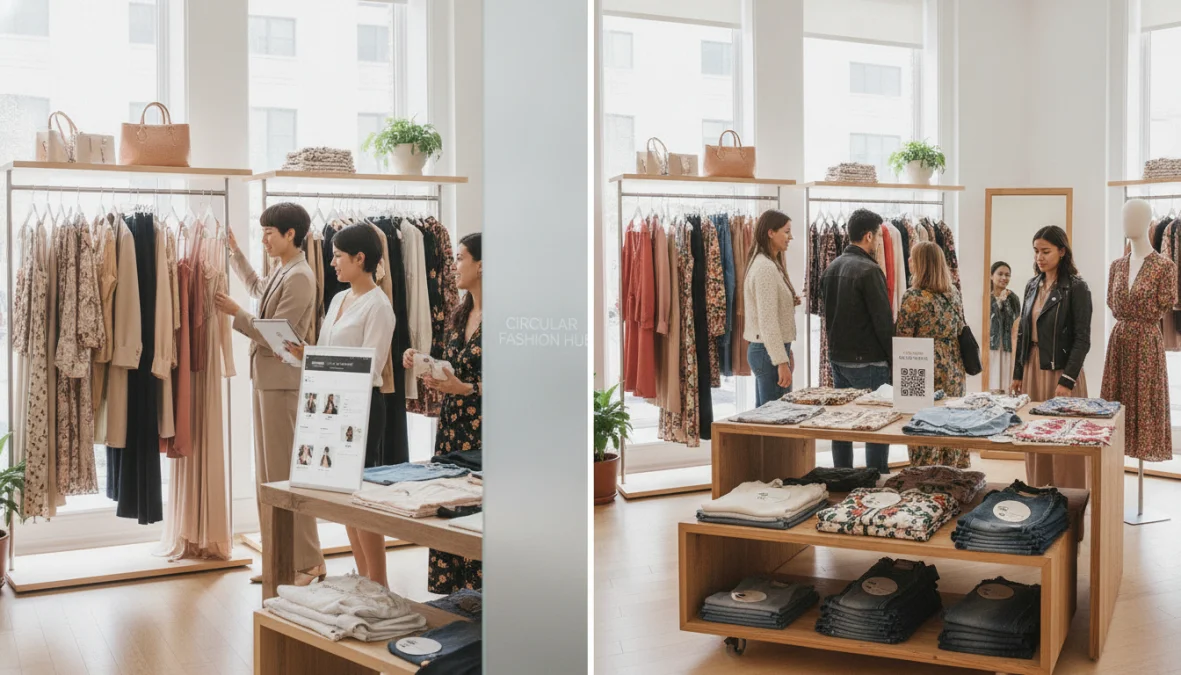
Your closet is overflowing, yet you have nothing to wear. Sound familiar? The traditional fashion cycle of buy-wear-discard has created a massive environmental crisis, but a revolution is brewing. Circular fashion models are flipping the script entirely, proving that style doesn’t have to come with a landfill receipt. From renting that designer dress for a weekend to scoring vintage gems on resale platforms, these innovative business models are reshaping how we think about our wardrobes—and they’re making serious money while doing it.
What Are Circular Fashion Models and Why They Matter
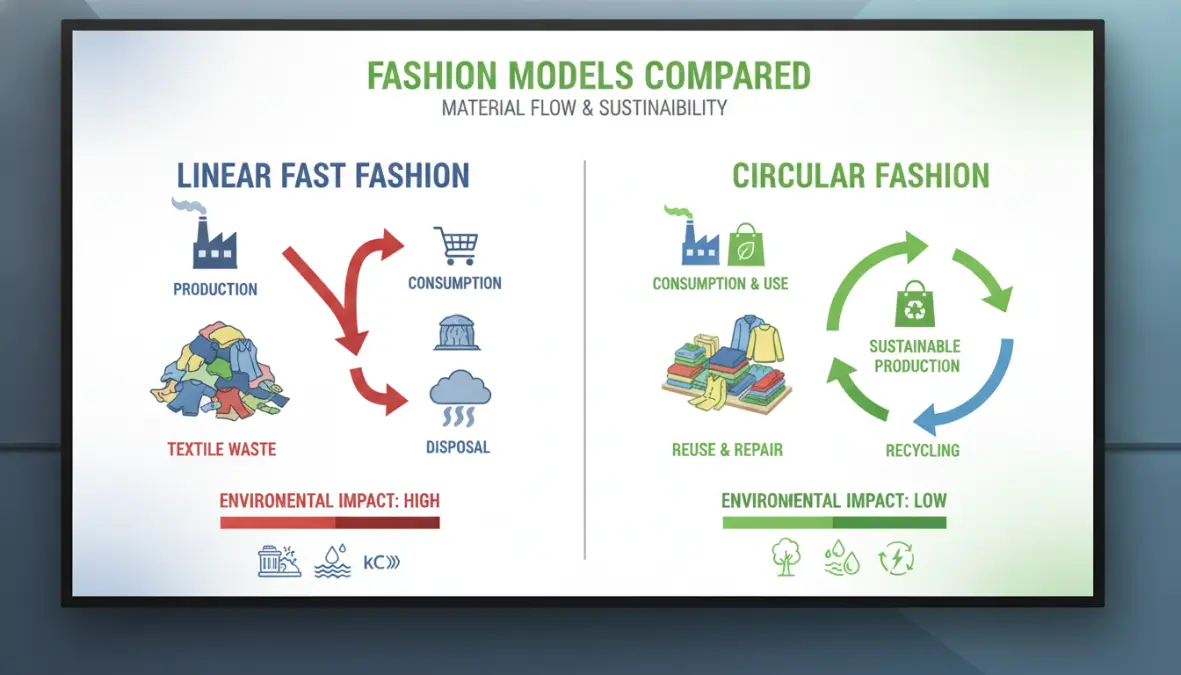
Unlike the linear “take-make-waste” approach that defines fast fashion, circular fashion models keep clothing in use for as long as possible. This includes rental services, resale platforms, repair programs, and upcycling initiatives. The contrast is stark: traditional fast fashion produces an estimated 92 million tons of textile waste annually, with the industry responsible for about 10% of global carbon emissions. Circular models, on the other hand, can reduce carbon footprints by up to 82% according to recent sustainability studies.
The economic value is equally compelling. The global resale market alone is projected to reach $77 billion, growing three times faster than the broader retail clothing sector. What’s driving this explosive growth? Three major forces: heightened consumer awareness about environmental impact, genuine demand for sustainable alternatives, and technology that makes circular models actually viable. Younger consumers especially are ditching ownership for access, viewing clothing as a service rather than a product. This shift isn’t just feel-good environmentalism—it’s a fundamental market transformation with serious profit potential.
The Two Pillars of Circular Fashion: Rental and Resale Business Models
While circular fashion models encompass various approaches, rental and resale have emerged as the dominant disruptors, each offering distinct value propositions and business opportunities.
Fashion Rental: Access Over Ownership
The rental model operates on a simple premise: why own when you can access? Platforms like Rent the Runway and Nuuly offer two primary approaches—subscription services where members receive a rotating selection of items monthly, and one-time rentals for special occasions. For consumers, the appeal is obvious: designer wardrobes at a fraction of retail prices, constant variety without closet clutter, and guilt-free experimentation with trends.
For brands, rental creates recurring revenue streams and introduces products to customers who might never purchase at full price. It’s also brilliant marketing—renters often become buyers. However, the model faces real operational challenges. Reverse logistics (getting items back, cleaned, and redistributed) is complex and costly. Wear and tear is inevitable, requiring robust quality control and repair capabilities. Dry cleaning and sanitation at scale demand significant infrastructure investment. The sweet spot demographic? Urban millennials and Gen Z professionals who value experiences over possessions and have limited storage space. Those building a minimalist and sustainable wardrobe find rental particularly appealing.
Resale Platforms: Extending Product Lifecycle
The resale market operates through several models: consumer-to-consumer platforms (Poshmark, Depop), business-to-consumer curated marketplaces (ThredUp, Vestiaire Collective), and increasingly, branded resale programs where original retailers facilitate secondhand sales of their own products. Patagonia’s Worn Wear and Levi’s SecondHand exemplify this last category, allowing brands to capture value throughout a product’s entire lifecycle.
Technology has been crucial in scaling resale. AI-powered pricing algorithms analyze millions of data points to optimize listing prices. Authentication services using machine learning combat counterfeits, building buyer confidence in luxury resale. Computer vision can assess garment condition from photos, streamlining intake processes. The economics are compelling: resale platforms typically take 15-30% commissions, while branded resale programs boost customer lifetime value and brand loyalty. Interestingly, data shows that offering resale actually increases initial purchase intent—customers feel better buying full-price knowing they can recoup value later. This challenges the old fear that resale cannibalizes primary sales. For brands exploring sustainable materials like mycelium leather alternatives, resale programs demonstrate long-term product quality and durability.
Building a Profitable Circular Fashion Business: Key Success Factors
Launching successful circular fashion models requires more than good intentions—it demands strategic infrastructure and smart execution. Here’s what actually works:
Technology and infrastructure form the foundation. You’ll need inventory management systems that track individual items through multiple lifecycles, not just SKUs. Warehouse operations must handle bidirectional flow—products coming back require inspection, cleaning, and redistribution. Cloud-based platforms integrate customer-facing apps with backend logistics. Many successful companies leverage edge computing for real-time inventory visibility across distributed facilities.
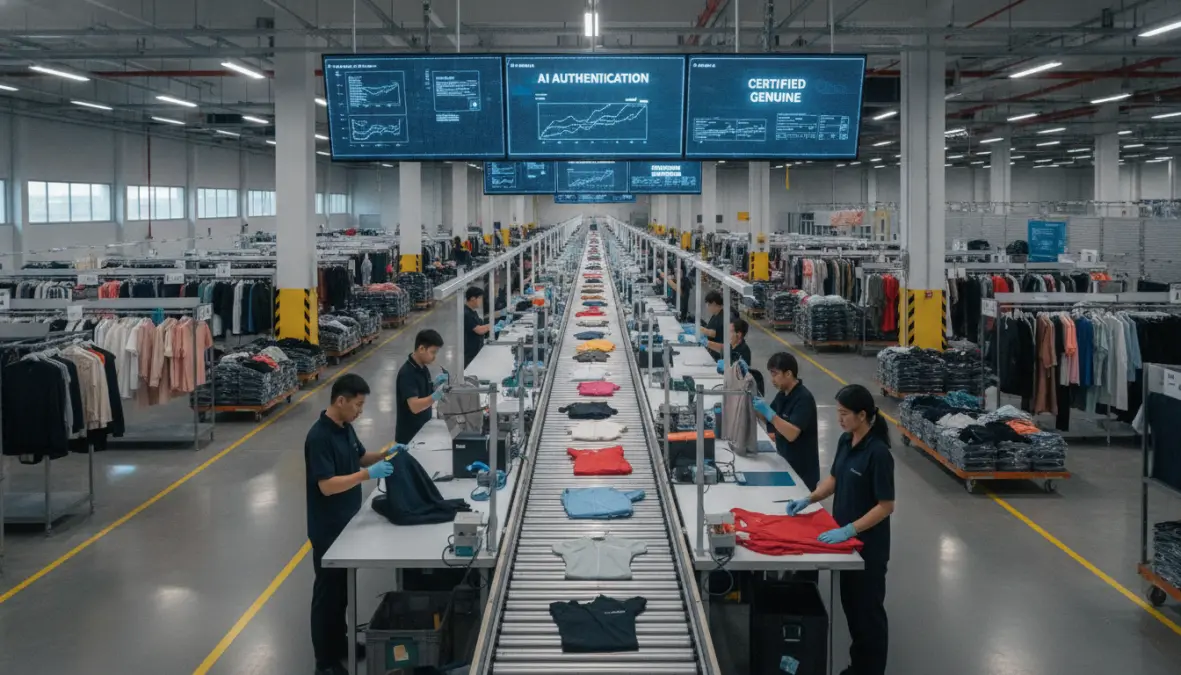
Reverse logistics and quality control separate winners from failures. Efficient return processes with pre-paid shipping and convenient drop-off points increase participation rates. Each returned item needs rigorous quality assessment—what can be re-rented, what needs repair, what should be recycled? Companies like ThredUp have industrialized this with conveyor-belt style processing facilities.
Customer experience must match or exceed traditional retail. Rental services need flexible subscription tiers and easy swapping. Resale platforms require excellent search, filtering, and recommendation engines. Both models benefit from try-before-you-buy options and hassle-free returns.
Pricing strategies balance accessibility with profitability. Rental pricing typically ranges from 5-10% of retail value per use. Resale pricing algorithms consider brand, condition, seasonality, and market demand. Dynamic pricing maximizes both sell-through rates and margins.
For traditional brands adding circularity, start with a pilot program—perhaps a rental option for special occasion wear or a take-back program with resale partnership. Track metrics beyond revenue: items per lifecycle, customer acquisition cost versus lifetime value, carbon reduction per garment, and participation rates. Sweden’s Filippa K reports that their Lease program customers spend 30% more on new items, demonstrating that circular models complement rather than compete with primary sales. The ROI extends beyond financials to brand positioning, customer loyalty, and genuine sustainability impact—increasingly critical for attracting both conscious consumers and investors.
FAQ: Circular Fashion Business Models
Are circular fashion models profitable?
Yes, when executed well. The resale market is highly profitable, with platforms like Vestiaire Collective achieving strong margins. Rental requires more operational investment but creates recurring revenue. Both models benefit from higher customer lifetime value compared to traditional retail.
What’s the difference between rental and resale?
Rental maintains ownership while providing temporary access, creating recurring revenue from the same items. Resale transfers ownership of pre-owned goods, extending product life and capturing secondary market value. Both are circular fashion models but serve different consumer needs.
How do circular models reduce fashion waste?
By maximizing garment utilization—rental items serve multiple customers, resale extends useful life, and both reduce demand for new production. One rented dress might replace 10 individual purchases, dramatically reducing manufacturing emissions and waste.
Can fast fashion brands adopt circular models?
They can, but success requires quality improvement. Circular models work best with durable garments that withstand multiple use cycles. Some fast fashion brands are piloting resale, though critics question whether low-quality items warrant secondhand markets.
What technology is needed for circular fashion?
Core requirements include inventory tracking systems, authentication tools, pricing algorithms, customer apps, and logistics platforms. Advanced operations use AI for condition assessment, blockchain for provenance tracking, and data analytics for demand forecasting.
The fashion industry stands at a crossroads. Circular fashion models aren’t just environmental necessities—they’re business opportunities reshaping the entire value chain. Whether you’re a consumer tired of closet clutter, an entrepreneur spotting market gaps, or an established brand seeking relevance with conscious consumers, the circular economy offers a compelling path forward. The question isn’t whether circular will go mainstream, but how quickly you’ll adapt to this inevitable transformation. Your move: will you rent, resell, or get left behind?