Hydrogen Water Benefits: What Science Really Says About Antioxidant Water
You’ve probably seen it on social media: influencers and athletes sipping what looks like regular water but claiming it’s a game-changer for energy, recovery, and health. That’s hydrogen water, and it’s generating serious buzz in wellness circles. But beyond the marketing hype, what does science actually tell us about hydrogen water benefits? Let’s dive into the research to separate fact from fiction and see if this trendy beverage is worth adding to your routine.
What Is Hydrogen Water and How Does It Work?
Hydrogen water is simply regular water that’s been infused with extra molecular hydrogen gas (H2). While regular H2O already contains hydrogen atoms bonded to oxygen, hydrogen water contains additional free hydrogen molecules dissolved into the liquid. This infusion typically happens through electrolysis, where an electric current splits water molecules, or by dissolving hydrogen tablets directly into water.
The concentration of molecular hydrogen in these products typically ranges from 0.5 to 1.6 parts per million (PPM), though some commercial products claim higher levels. What makes this interesting from a health perspective is molecular hydrogen’s potential as a selective antioxidant. Unlike many antioxidants that neutralize all free radicals indiscriminately, research suggests H2 specifically targets the most harmful reactive oxygen species while leaving beneficial signaling molecules alone.
The mechanism is fascinating: molecular hydrogen is incredibly small, allowing it to easily cross cell membranes and even penetrate the blood-brain barrier. Once inside your cells, it can reach mitochondria and the nucleus, potentially offering cellular protection where other antioxidants can’t reach. This unique biodisponibility is why researchers have been studying hydrogen water benefits with increasing interest over the past decade.
Science-Backed Hydrogen Water Benefits
While the research is still emerging, several clinical studies have examined how molecular hydrogen affects human health. Let’s explore what the evidence actually supports.
Antioxidant and Anti-Inflammatory Properties
The most well-established benefit of hydrogen water lies in its antioxidant capacity. Multiple studies have demonstrated that consuming hydrogen-rich water can reduce markers of oxidative stress in the body. A study published in Medical Gas Research found that participants who drank hydrogen water showed decreased levels of oxidative biomarkers and increased antioxidant enzyme activity.
What’s particularly interesting is hydrogen’s anti-inflammatory potential. Research involving patients with rheumatoid arthritis showed that drinking hydrogen water for several weeks led to reduced disease activity and decreased inflammatory markers. The molecular hydrogen appears to modulate inflammatory pathways without suppressing beneficial immune responses—a selective action that sets it apart from many anti-inflammatory medications.
Clinical trials have also examined cellular protection benefits. Studies suggest that antioxidant water enriched with hydrogen may help protect against cellular damage from radiation, support liver function, and potentially improve metabolic markers in people with metabolic syndrome. While these findings are promising, most researchers emphasize that we need larger, longer-term studies to fully understand these effects. Similar to how practices like forest bathing show antioxidant benefits through natural stress reduction, hydrogen water works at a molecular level.
Athletic Performance and Recovery
Athletes have been among the earliest adopters of hydrogen water, and there’s actually some science backing this trend. Research published in the Journal of the International Society of Sports Nutrition examined soccer players who consumed hydrogen-rich water before exercise. The study found reduced muscle fatigue and decreased blood lactate levels—the compound associated with that burning sensation during intense workouts.
Other studies have looked at recovery benefits. One trial involving trained athletes showed that those drinking hydrogen water experienced less muscle soreness and maintained better muscle function after damaging exercise compared to the placebo group. The theory is that by reducing exercise-induced oxidative stress and inflammation, molecular hydrogen helps muscles recover more efficiently.
There’s also evidence suggesting improved endurance. A small study found that cyclists who consumed hydrogen water showed enhanced performance during sprint intervals, though the effect wasn’t dramatic. While these athletic benefits are intriguing, it’s worth noting that proper hydration itself plays a massive role in performance—similar to how cold water immersion combines hydration with therapeutic benefits. More research is needed to determine how much of the benefit comes specifically from the hydrogen versus simply drinking adequate fluids.
How to Choose and Use Hydrogen Water Effectively
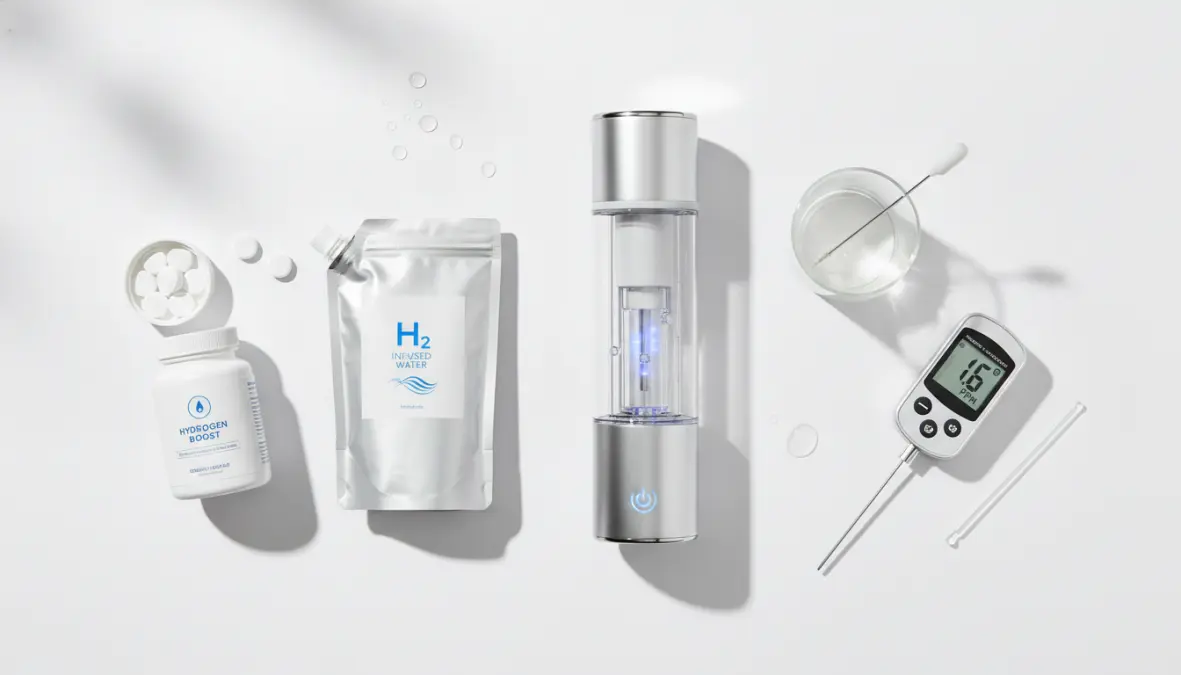
If you’re interested in trying hydrogen water, understanding your options helps you make an informed choice. There are three main methods of getting molecular hydrogen into your water: hydrogen water generators, hydrogen tablets, and pre-packaged bottles.
Hydrogen water generators use electrolysis to infuse regular water with H2. These range from portable bottles with built-in electrolysis chambers to countertop units. The upside is long-term cost-effectiveness if you drink hydrogen water regularly. Look for generators that produce at least 1.0 PPM concentration and have certifications for safety and performance.
Hydrogen tablets are convenient and portable—you simply drop one into water and wait for it to dissolve. They typically produce good H2 concentrations (often 2-4 PPM when fully dissolved), making them popular among travelers and athletes. The downside is ongoing cost per serving.
Pre-packaged hydrogen water comes in specialized aluminum pouches or cans designed to retain the gas. These are the most convenient but also the most expensive long-term option. When choosing pre-packaged products, check the stated H2 concentration and the packaging date, as hydrogen gradually escapes even from sealed containers.
Regarding dosage, most studies showing hydrogen water benefits used amounts ranging from 300ml to 600ml per day, though some research examined higher intakes. There’s no established official recommendation, but starting with one to two glasses daily seems reasonable based on current evidence.
Timing matters too. Some research suggests consuming hydrogen water before exercise or stressful events may maximize antioxidant benefits. For general wellness, drinking it in the morning or throughout the day works fine. Just remember: hydrogen is a gas and will escape from open containers. Drink hydrogen water within 30 minutes of producing or opening it to get the maximum concentration.
One important note on expectations: while research shows promise, hydrogen water isn’t a miracle cure. Think of it as one potential tool in a broader wellness approach that includes proper nutrition, regular movement, adequate sleep, and stress management—much like how sound bathing complements rather than replaces other health practices.
Frequently Asked Questions
Is hydrogen water safe to drink?
Yes, hydrogen water is considered safe. Molecular hydrogen is non-toxic, and the body naturally produces small amounts during normal digestion. Studies haven’t reported adverse effects from drinking hydrogen-enriched water.
How much hydrogen water should I drink per day?
Research studies typically used 300-600ml daily, though there’s no official recommendation. Starting with one to two glasses per day is a reasonable approach based on current evidence.
Does hydrogen water really have health benefits?
Emerging research suggests potential benefits, particularly for reducing oxidative stress and inflammation. However, most studies are small-scale, and more extensive research is needed to confirm long-term effects and optimal usage.
How long does hydrogen stay in water?
Molecular hydrogen begins escaping water immediately after production. In an open container, most H2 dissipates within 30 minutes to 2 hours. Sealed specialized containers can retain hydrogen longer, but it’s best consumed fresh for maximum concentration.
Is hydrogen water better than regular water?
For hydration purposes, they’re equivalent. The potential advantage of hydrogen water lies in its antioxidant properties. Regular water is essential and effective for hydration—hydrogen water offers additional potential benefits that research is still exploring.
The science on hydrogen water benefits is genuinely intriguing, showing promise for antioxidant support, inflammation reduction, and athletic recovery. While we need more comprehensive studies, the existing research suggests this isn’t just wellness marketing fluff. If you’re curious about optimizing your health routine and don’t mind the investment, hydrogen water might be worth exploring—just keep your expectations realistic and remember that no single product replaces fundamental healthy habits. In a world facing water scarcity challenges, it’s also worth appreciating access to clean, quality water in any form.