Lab-Grown Diamonds: How Synthetic Gems Are Disrupting the Jewelry Industry
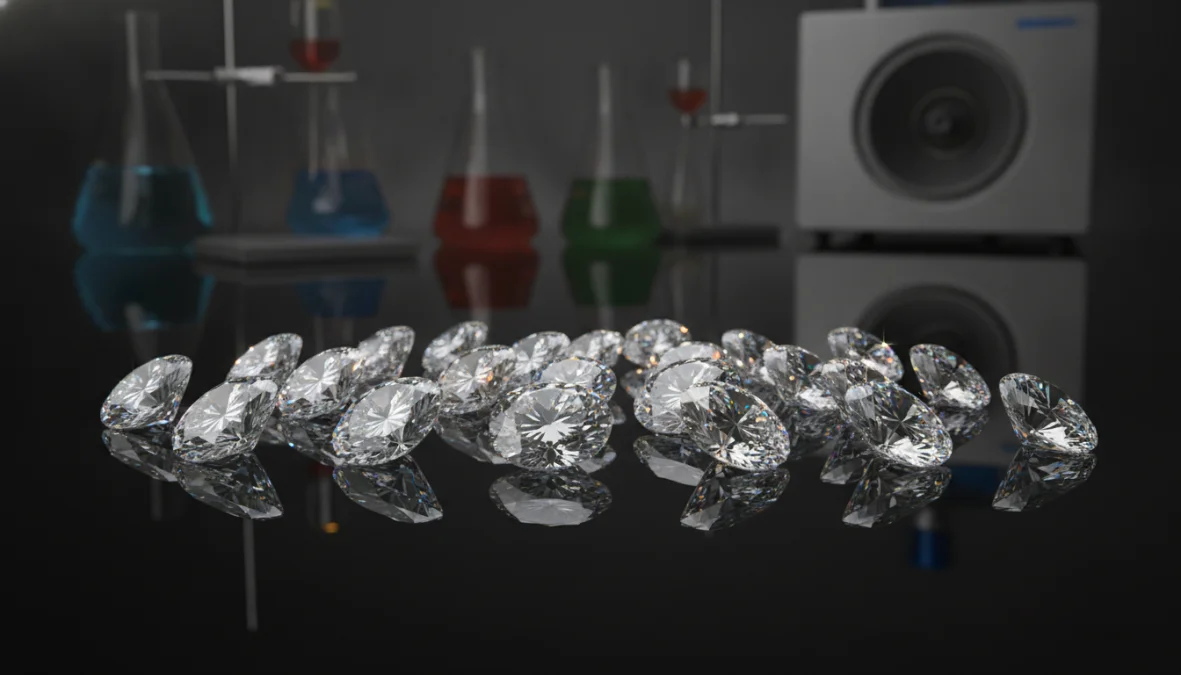
Picture this: you’re browsing engagement rings online, and you find the perfect 2-carat diamond in a stunning setting. Then you notice the price—it’s nearly half what you expected. Before you assume it’s a scam, consider this: you might be looking at a lab grown diamond. These aren’t fake gems or cheap knock-offs. They’re real diamonds, grown in a matter of weeks rather than millennia, and they’re quietly revolutionizing an industry built on scarcity, secrecy, and sky-high markups. Welcome to the future of jewelry, where science meets sparkle and ethics actually matter.
What Are Lab-Grown Diamonds and How Are They Made?
Let’s clear up the confusion right away: lab grown diamonds are chemically, physically, and optically identical to natural diamonds. They’re not cubic zirconia or moissanite. These synthetic diamonds—also called lab created diamonds, man made diamonds, cultured diamonds, or artificial diamonds—are composed of pure carbon arranged in that iconic crystalline structure that makes diamonds, well, diamonds.
The difference? Instead of forming deep underground over billions of years under extreme heat and pressure, lab diamonds are created in controlled laboratory environments over a few weeks. Scientists have essentially cracked nature’s code and replicated the conditions that produce these precious stones. The result is a gem that even professional gemologists can’t distinguish from mined diamonds without specialized equipment.
Two primary methods dominate the production of lab diamonds today, each with its own technical approach and advantages. Understanding these processes helps explain why are lab grown diamonds real diamonds is actually a scientifically silly question—because yes, they absolutely are.
CVD vs HPHT: The Two Production Methods
HPHT diamonds (High Pressure High Temperature) came first, mimicking the natural geological process. A small diamond seed is placed in carbon and subjected to temperatures exceeding 1,500°C and pressures around 1.5 million pounds per square inch. The carbon melts and forms a diamond around the seed. HPHT typically produces diamonds with excellent color grades and is often used for creating larger stones or fancy colored diamonds.
CVD diamonds (Chemical Vapor Deposition) use a different approach. A thin diamond seed is placed in a sealed chamber filled with carbon-rich gases. These gases are ionized into plasma using microwaves or lasers, breaking molecular bonds. Pure carbon atoms precipitate onto the seed, building the diamond layer by layer. CVD allows for greater control over the growing environment and typically produces diamonds with fewer metallic inclusions, making them ideal for high-quality colorless stones used in engagement rings.
Neither method is inherently superior—each has its sweet spot. HPHT excels at producing certain diamond types faster, while CVD offers precision and purity. Many of the best lab grown diamond brands use both methods depending on what their customers need.
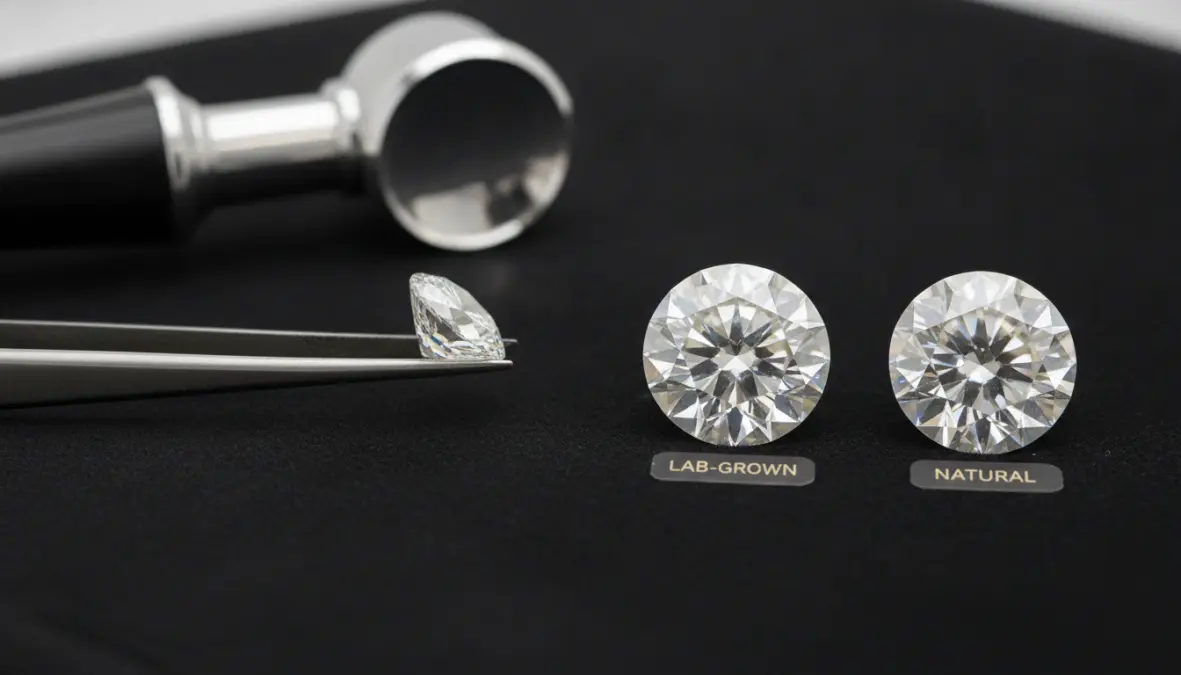
Lab-Grown vs Natural Diamonds: Key Differences and Market Impact
Here’s where things get interesting for consumers and concerning for traditional diamond miners. The market for lab grown vs natural diamonds isn’t just about product comparison anymore—it’s about a fundamental shift in consumer values and spending power.
Price-wise, lab grown diamonds vs natural diamonds price differences are staggering. Lab diamonds typically cost 30-40% less than comparable natural stones, sometimes even more. A natural 1-carat diamond might run $4,000-$6,000, while a lab version could be $1,500-$2,500. This means consumers can either save significantly or get a much larger, higher-quality stone for the same budget. For lab grown diamond engagement rings, this translates to impressive center stones that would otherwise be financially out of reach.
The environmental story is equally compelling. While traditional diamond mining displaces massive amounts of earth—about 250 tons of ore for a single carat—lab diamonds require far less physical disruption. Some producers are even achieving carbon neutral diamonds by using renewable energy. The sustainability angle resonates particularly well with younger buyers who prioritize environmental responsibility.
The diamond industry disruption is real and accelerating. Market research shows lab diamonds captured roughly 20% of the diamond jewelry market in recent years, with growth rates that have traditional miners worried. Millennial and Gen Z consumers, who comprise the bulk of engagement ring buyers, show significantly higher acceptance of lab diamonds. For them, sustainable jewelry isn’t just a nice-to-have—it’s an expectation.
Then there’s the ethical dimension. Lab diamonds are inherently conflict free diamonds with transparent supply chains. There’s no need to worry about whether your purchase funded violence or human rights abuses. This peace of mind, combined with diamond certification from respected organizations (many producers offer IGI certified diamonds), provides buyers with confidence that was harder to achieve with mined stones.
Why Consumers Are Choosing Synthetic Diamonds
The reasons people choose man made diamonds over mined ones boil down to a few powerful factors. First, the lab grown diamonds environmental impact is considerably lower—no massive open pits, less water consumption, and reduced carbon emissions when renewable energy powers the labs.
Second, transparency matters. When you where to buy lab grown diamonds from reputable retailers, you get complete documentation of origin, unlike the murky provenance of many mined stones. Third, the value proposition is undeniable: bigger, better diamonds for less money. A couple with a $5,000 budget can get a stunning 2-carat lab diamond instead of settling for a 1-carat natural stone.
The ethical diamond alternatives market also includes consumers who simply reject the artificially inflated prices maintained by mining cartels. They see lab diamonds as a way to opt out of a system designed to create scarcity of what’s actually a fairly common mineral. Much like the shift toward plant-based materials in fashion—as seen with innovations like mycelium leather alternatives—consumers are choosing science-driven sustainability over traditional luxury narratives.
Frequently Asked Questions About Lab-Grown Diamonds
Are lab-grown diamonds real?
Absolutely. Lab created diamonds have identical chemical composition (pure carbon in a crystalline structure), physical properties, and optical characteristics as mined diamonds. The only difference is origin—one formed underground, the other in a lab. Even expert gemologists need specialized equipment to tell them apart.
Can you tell the difference between lab and natural diamonds?
Not with the naked eye or standard jewelry tools. Cultured diamonds and natural ones look identical. Advanced spectroscopy equipment can sometimes detect growth patterns or trace elements that indicate lab origin, which is why certification matters. Reputable sellers clearly disclose whether diamonds are lab-grown or mined.
Do lab diamonds hold their value?
This is where do lab grown diamonds hold value gets honest: they don’t hold resale value as well as natural diamonds, which themselves don’t hold value as well as most people think. Diamonds generally aren’t good investments—mined or lab. However, since lab diamonds cost significantly less upfront, your total money at risk is lower. You’re buying jewelry to enjoy, not as a retirement plan.
Are lab-grown diamonds ethical and sustainable?
Synthetic diamonds avoid the ethical concerns of conflict diamonds and have a smaller environmental footprint than mining when produced responsibly. Look for companies using renewable energy and transparent practices. They represent a significant improvement over traditional sourcing, though no manufacturing process is perfect.
How much cheaper are lab-grown diamonds?
Expect to pay 30-50% less for comparable quality. A $10,000 natural diamond might have a $4,000-$6,000 lab equivalent with identical appearance and characteristics. This price gap is why the question of lab grown vs natural diamonds increasingly tips toward lab-grown for value-conscious buyers.
The gemstone innovation represented by lab-grown diamonds mirrors technological disruption in other industries—from commercial space exploration to sustainable materials. What was once exclusively nature’s domain is now accessible through human ingenuity, democratizing luxury and redefining what we value. Whether the traditional diamond industry adapts or resists, one thing is crystal clear: lab-grown diamonds aren’t going anywhere. They’re here to stay, and they’re sparkling brighter than ever.