Rucking Benefits: Why Military-Style Weighted Walking Is Taking Over Fitness

You’ve probably seen them in your local park: people walking briskly with loaded backpacks, looking somewhere between hikers and soldiers on a mission. Welcome to the world of rucking—a deceptively simple workout that’s rapidly becoming the fitness trend of choice for everyone from busy professionals to hardcore athletes. The rucking benefits go far beyond just burning calories; this military-inspired training method is transforming how people think about functional fitness, weight loss, and building real-world strength.
What Is Rucking and Why Is It Trending?
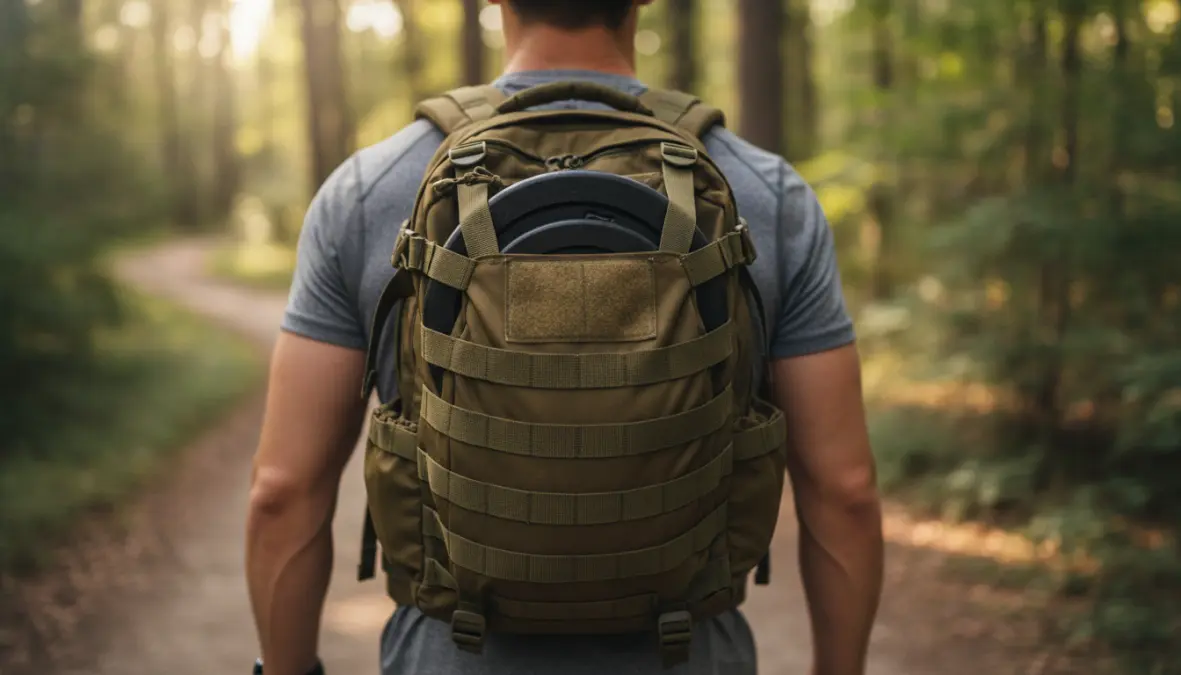
At its core, rucking workout is simply walking with weight on your back. The term comes from military fitness training, where soldiers perform ruck march training carrying heavy packs over long distances to build endurance and mental toughness. Unlike a casual stroll or even power walking, weighted backpack walking adds resistance that transforms a basic movement into a full-body conditioning exercise.
So why is tactical fitness suddenly everywhere? First, it’s brutally simple—you need a backpack, some weight, and a place to walk. No gym membership, no complex equipment, no excuses. Second, it bridges the gap between cardio and strength training without the joint-pounding impact of running. Third, the rucking community has exploded online, with challenges, events, and social groups making it as much a social activity as a workout.
What sets rucking apart from regular walking is the load bearing exercise component. That extra weight forces your muscles to work harder, your heart to pump faster, and your posture to engage in ways that bodyweight walking simply can’t match. It’s functional fitness at its finest—training that directly translates to real-life activities like carrying groceries, hiking with gear, or simply moving through the world with more strength and confidence.
Science-Backed Rucking Benefits for Your Body and Mind
The rucking benefits are backed by both military research and growing civilian fitness studies. Let’s break down why this simple practice delivers such impressive results:
Cardiovascular health gets a serious boost. Because you’re carrying extra weight, your heart works harder than during regular walking, elevating your heart rate into the moderate-to-vigorous intensity zone. Studies show that weighted walking benefits include improved cardiovascular endurance comparable to running, but with significantly less impact stress.
Calorie expenditure skyrockets. While regular walking burns roughly 100 calories per mile, rucking weight loss potential is much higher. Depending on your weight and pack load, you can burn 50-100% more calories than unweighted walking—often reaching 300-400 calories per hour. This makes it an exceptional choice for sustainable fat loss without the metabolic stress of high-intensity training.
Muscular strength develops naturally. Your legs, glutes, core, and back all work overtime to stabilize and propel you forward under load. Unlike isolated gym exercises, rucking builds functional fitness strength that carries over to daily activities. Your posterior chain—hamstrings, glutes, and lower back—gets particularly well-developed.
Bone density improves. Weight-bearing exercise is crucial for bone health, and rucking provides exactly that stimulus. The progressive loading helps combat osteoporosis and builds skeletal strength, especially important as we age.
Posture gets corrected. Contrary to what you might think, proper rucking actually promotes posture improvement. The weight distribution forces you to engage your core and maintain an upright position, strengthening the muscles that support good posture throughout the day.
Mental benefits are significant. Like other forms of rhythmic exercise, rucking provides meditative benefits similar to forest bathing—especially when done outdoors. The combination of physical exertion and steady movement reduces stress, improves mood, and builds mental resilience.
It’s genuinely low-impact. Unlike running, which can stress joints and lead to overuse injuries, rucking is a low impact exercise that most people can sustain long-term. The walking motion is natural, and while you’re adding load, you’re not adding the repetitive pounding that comes with running.
Rucking vs. Traditional Cardio: What Makes It Different
When comparing rucking to running or gym-based cardio, the differences are compelling. Rucking combines cardio strength training in a way that isolated exercises can’t match—you’re building muscle while improving cardiovascular fitness simultaneously. It’s more time-efficient than separating your strength and cardio sessions, and the injury risk is substantially lower than running. For endurance building, rucking offers progressive overload simply by adjusting weight or distance, making it scalable for any fitness level. Plus, it requires zero learning curve—if you can walk, you can ruck.

How to Start Rucking: Beginner’s Guide to Safe and Effective Training
Ready to try rucking for beginners? Start conservatively to avoid injury and build a sustainable practice.
Weight selection is critical. The golden rule for beginners: start with 10% of your bodyweight. If you weigh 150 pounds, begin with 15 pounds. This might feel light, but it allows your body to adapt to the new movement pattern. After 3-4 weeks, you can gradually increase by 5-pound increments.
Choosing the right backpack matters. While you don’t need specialized gear immediately, your backpack should sit high on your back with the weight close to your shoulder blades. Padded shoulder straps and a hip belt help distribute load. Many people start with a regular hiking backpack before investing in purpose-built rucking packs.
Posture and form are non-negotiable. Keep your shoulders back, chest up, and core engaged. Don’t lean forward—the pack should feel like it’s pulling you upright. Take shorter, quicker steps rather than long strides, and maintain a natural walking rhythm.
Start with manageable distances. Begin with 20-30 minute sessions on flat terrain, 2-3 times per week. As your body adapts, gradually increase either duration or difficulty (hills, rougher terrain), but not both simultaneously. A good progression might be: weeks 1-4 at 2 miles, weeks 5-8 at 3 miles, then adding elevation or weight.
Common mistakes to avoid: Don’t add too much weight too quickly, don’t ruck every day (your body needs recovery), and don’t ignore discomfort in your shoulders or back—adjust your pack or reduce weight if something feels wrong.
Practical tips: Wear supportive walking or hiking shoes with good cushioning. Stay hydrated—carry water or plan routes with water access. Vary your terrain to challenge different muscle groups and prevent boredom. Pavement, trails, hills, and stairs all offer unique benefits.
To integrate rucking into your routine, treat it like any other workout. Schedule 2-3 sessions weekly, perhaps replacing one or two traditional cardio sessions. It pairs beautifully with strength training on alternate days, and many people find it an enjoyable way to explore their neighborhoods or local parks—much like the mindful approach of slow travel applied to fitness.
FAQ: Common Questions About Rucking Benefits
How much weight should I use for rucking?
Beginners should start with 10% of their bodyweight and progress slowly. Intermediate ruckers often carry 20-30% of bodyweight, while military training can involve 35% or more. Always prioritize form over weight—if your posture breaks down, you’re carrying too much.
Is rucking better than running for weight loss?
Both are effective, but rucking offers unique advantages. While running burns calories faster per minute, rucking burns more calories than walking while being sustainable for longer durations and causing fewer injuries. The muscle-building component also boosts resting metabolism. For many people, rucking is more maintainable long-term than running.
How often should beginners ruck?
Start with 2-3 sessions per week, allowing at least one rest day between sessions. Your muscles, joints, and connective tissue need time to adapt to the new load. As you become more experienced, you can increase to 4-5 times weekly, but always listen to your body and prioritize recovery.
Can rucking build muscle?
Yes, especially in your legs, glutes, core, and back. While it won’t replace dedicated strength training for maximum hypertrophy, rucking provides sufficient resistance to build functional muscle mass and improve muscular endurance. It’s particularly effective for developing the posterior chain and stabilizer muscles.
What’s the difference between rucking and hiking?
Hiking is recreational walking on trails, often with varying elevation. Rucking is structured training with specific weight, distance, and pace goals. You can ruck on any terrain—urban sidewalks, tracks, or trails—while hiking typically implies natural environments. Many ruckers incorporate hiking trails for varied terrain and mental refreshment.
Whether you’re seeking weight loss, functional strength, or simply a fresh approach to fitness, the rucking benefits make it worth trying. It’s accessible, effective, and refreshingly straightforward in a fitness world often overcomplicated by trends and gimmicks. Grab a backpack, add some weight, and start walking—your body and mind will thank you.