Solar Roof Tiles: Complete Guide to Integrated Photovoltaic Roofing Solutions
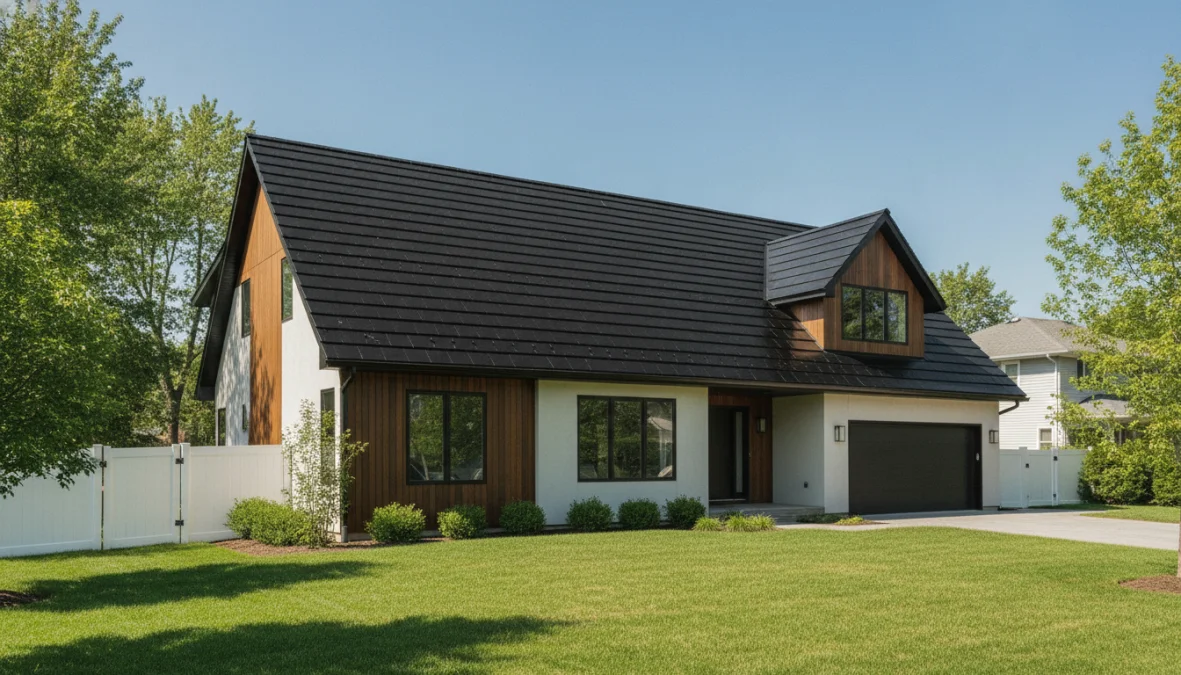
Thinking about upgrading your roof? What if your new roof could do more than just protect your home from the elements—what if it could actually power it? Solar roof tiles are revolutionizing how homeowners think about renewable energy, combining the functionality of traditional roofing with the power-generating capabilities of photovoltaic systems. Unlike bulky solar panels mounted on top of your existing roof, these sleek tiles seamlessly integrate into your home’s architecture, delivering clean energy without compromising curb appeal. Let’s dive into everything you need to know about this cutting-edge roofing solution.
What Are Solar Roof Tiles and How Do They Work?
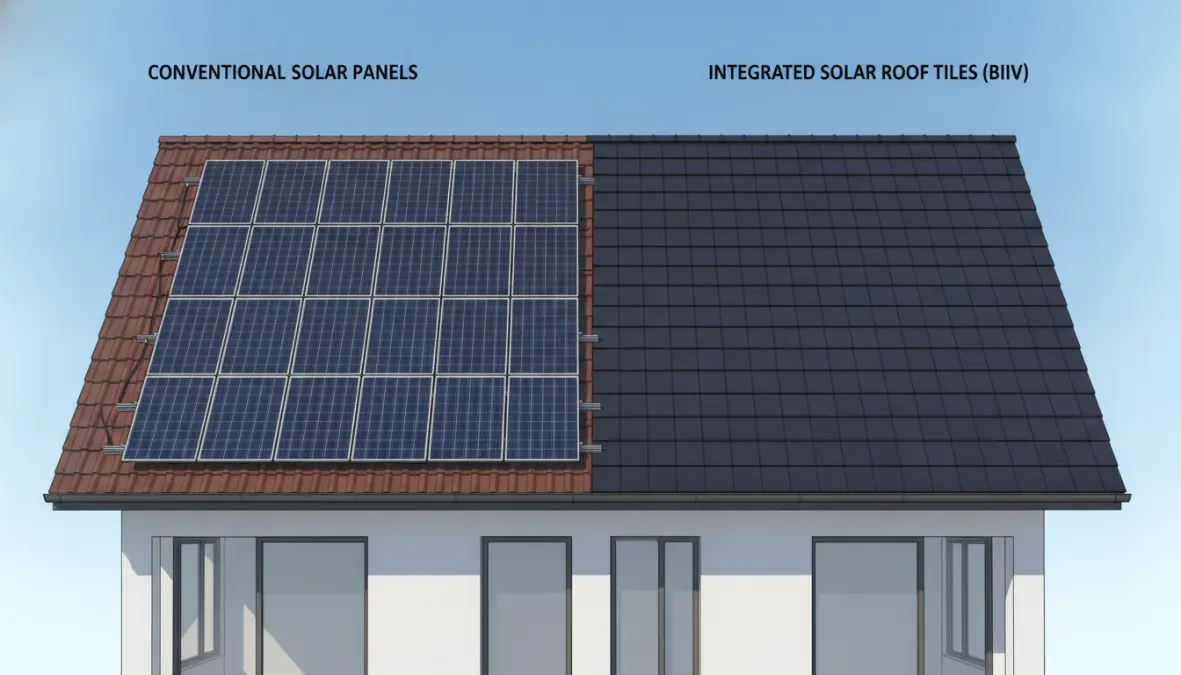
Solar roof tiles, also known as photovoltaic roof tiles or solar shingles, are building integrated photovoltaics (BIPV) that serve a dual purpose: protecting your home like traditional roofing materials while generating electricity from sunlight. Unlike conventional solar panels that sit on top of your existing roof, these tiles replace your standard roofing materials entirely, creating a seamless, aesthetically pleasing appearance that many homeowners and architectural review boards prefer.
The technology behind these innovative tiles is similar to traditional solar panels. Each tile contains photovoltaic cells—typically made from monocrystalline or thin-film silicon—that convert sunlight into direct current (DC) electricity. An inverter then transforms this DC power into alternating current (AC) electricity that your home can use. The main components include the photovoltaic cells, a protective tempered glass layer, weather-resistant backing materials, and integrated wiring that connects to your home’s electrical system.
Solar roof tiles come in several varieties to match different architectural styles. Ceramic tiles offer a Mediterranean look, slate-style tiles mimic traditional high-end roofing, and shingle-style options blend perfectly with standard asphalt roofs found across American suburbs. This versatility in architectural solar solutions means you don’t have to sacrifice your home’s aesthetic appeal for energy efficiency. In fact, many municipalities with strict building codes or homeowners associations that prohibit visible solar panels readily approve solar roof tiles because they’re virtually indistinguishable from premium traditional roofing materials.
Solar Roof Tiles: Cost, Installation & Key Considerations
Understanding the financial and practical aspects of solar tile installation is crucial before making this significant home improvement investment. Let’s break down what you need to know about the installation process and costs.
Installation Process and Timeline
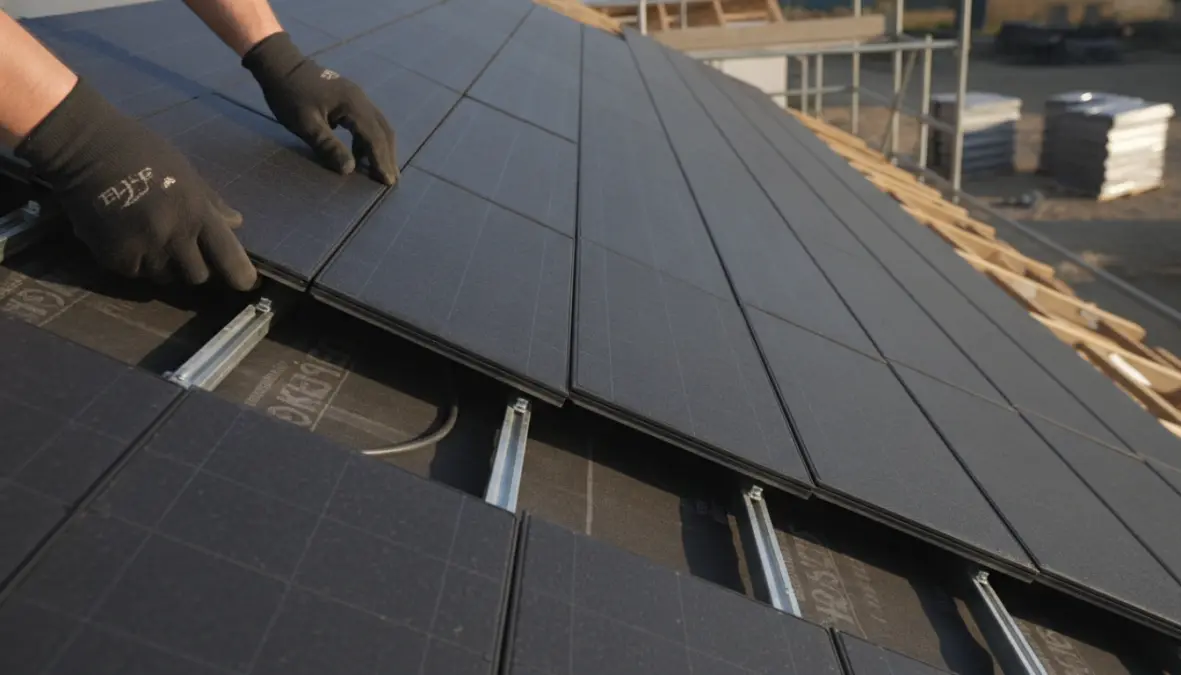
The solar roof tiles installation process is more complex than simply mounting panels on an existing roof. First, your current roofing material needs to be completely removed—this is essentially a full roof replacement solar project. Installation teams then inspect and reinforce the roof deck if necessary, install underlayment and waterproofing materials, and begin laying the solar tiles alongside any non-solar tiles needed for proper roof coverage (not all tiles need to be photovoltaic).
The electrical work involves running conduit from the tiles to an inverter system, connecting to your home’s electrical panel, and integrating with the grid for grid-tied solar systems that allow for net metering. Expect the entire installation to take anywhere from one to two weeks for an average-sized home, though larger or more complex roofs may require additional time. You’ll need permits from your local building department and electrical inspections before the system can be activated.
Timing matters significantly. The ideal time to install solar roof tiles is during new construction or when your existing roof is nearing the end of its lifespan (typically 20-25 years for asphalt shingles). If your current roof is relatively new, the economics of tearing it off to install solar tiles become less favorable compared to traditional solar panels.
Cost Breakdown and Return on Investment
Now for the big question: how much do solar roof tiles cost? The investment is substantial. On average, expect to pay between $20-$30 per square foot for a complete solar roof tile system, translating to roughly $50,000-$75,000 for a typical 2,000-square-foot roof. The Tesla Solar Roof, one of the most recognized brands, typically costs around $22-$26 per square foot installed, while alternatives like GAF Energy’s Timberline Solar shingles and CertainTeed’s Apollo II system may offer slightly different pricing structures depending on your location and installer.
Several factors influence the final solar roof cost: the type and style of tile you choose, your roof’s size and complexity (more angles and penetrations mean higher labor costs), your geographical location (labor rates vary significantly), and your home’s energy needs (which determine how many photovoltaic tiles versus standard tiles you’ll need). Solar shingles cost per square foot can vary by $5-$10 depending on these variables.
The good news? Federal tax credits can offset 30% of your total system cost through the Investment Tax Credit (ITC), and many states offer additional incentives. With average annual electricity savings of $1,000-$2,500 depending on your local utility rates and system size, the payback period typically ranges from 15-25 years. While this is longer than traditional solar panels (which average 6-10 years), remember you’re getting a premium roof that will last 25-30 years plus the energy generation—essentially killing two birds with one stone.
When comparing costs, consider this perspective: a high-quality traditional roof replacement might cost $15,000-$25,000, and a separate solar panel system could add another $15,000-$25,000. Suddenly, the $50,000-$75,000 for integrated solar roofing doesn’t seem quite as steep, especially when you factor in the superior aesthetics and single installation process.
Choosing the Right Solar Roofing Solution for Your Home
So, are solar roof tiles worth it for your specific situation? The answer depends on several factors unique to your home and priorities. Let’s explore when solar tiles make the most sense compared to traditional panels.
Choose photovoltaic roof tiles over conventional panels if aesthetics are a top priority, especially in neighborhoods with homeowners association restrictions or historic districts where visible solar equipment might be prohibited. They’re ideal when you’re already planning a roof replacement—the timing makes the economics much more favorable. If your home has a complex roof design where traditional panels would look awkward or wouldn’t fit efficiently, integrated tiles offer better coverage and appearance.
However, traditional panels might be the better choice if your existing roof is relatively new and in good condition, if you’re working with a tighter budget and need the fastest ROI, or if maximum energy efficiency is your priority (traditional panels typically convert 15-22% of sunlight to electricity, while solar tiles average 14-18%).
When comparing brands, the Tesla Solar Roof offers sleek aesthetics and a strong warranty but comes with a premium price tag and sometimes lengthy wait times. GAF Energy’s Timberline Solar shingles are the first BIPV product to receive the UL 7103 certification and integrate perfectly with standard GAF shingles, making them among the best solar roof tiles for residential homes seeking a balanced approach. CertainTeed’s Apollo II system offers excellent durability and a more traditional appearance, while SunTegra provides cost-effective solutions with simpler installation processes.
Before making your decision, evaluate these key factors: Does your roof receive adequate sunlight throughout the day (south-facing with minimal shade is ideal)? Can your home’s structure support the weight (solar tiles are heavier than asphalt shingles but comparable to traditional slate or tile)? Do solar roof tiles work in winter? Yes, though efficiency decreases in cloudy conditions—check your local climate patterns. Review warranty offerings carefully; most manufacturers provide 25-30 years for the tiles themselves and 10-25 years for the power generation equipment.
Creating an energy efficient roofing system that also contributes to broader environmental benefits like urban heat island solutions makes solar roof tiles an investment in both your home and the planet. Ready to take the next step? Contact certified solar installers in your area for a detailed assessment and customized quote. Make sure they’re experienced specifically with BIPV systems—the installation expertise required differs significantly from traditional solar panel mounting. Your roof is one of your home’s most important investments; make it work harder for you by harnessing the power of the sun.