Transparent Solar Panels: Revolutionary Window Technology That Generates Electricity
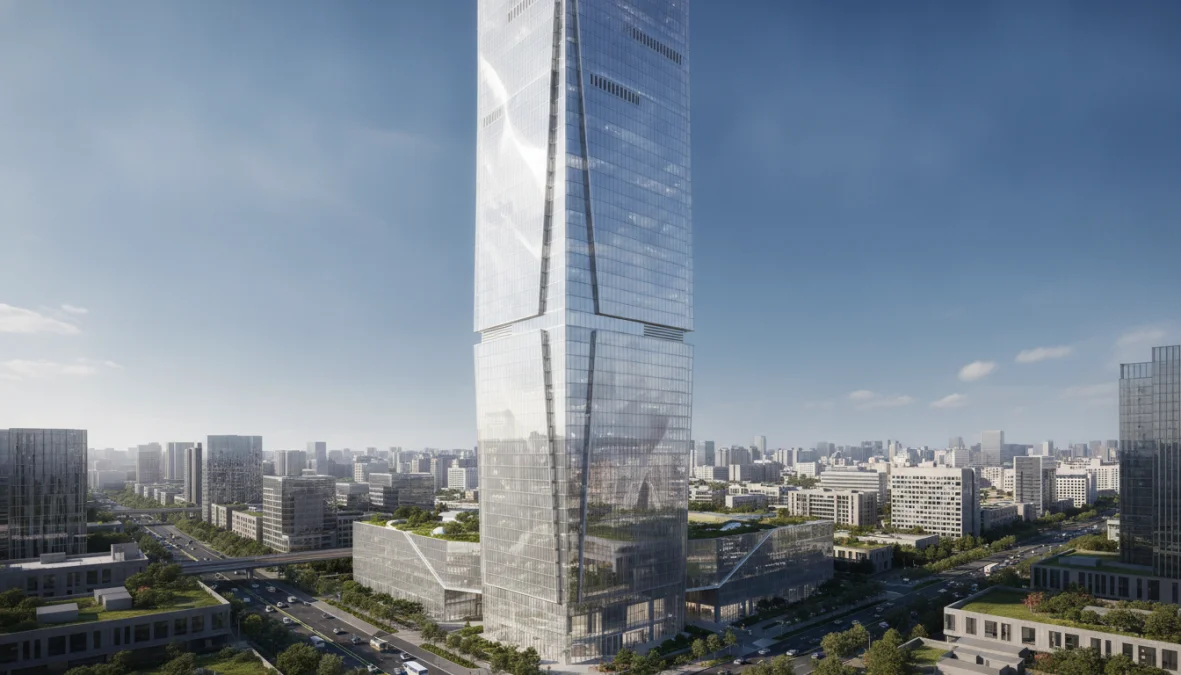
Imagine if every window in your home or office could generate clean electricity while still letting you enjoy the view outside. Sounds like science fiction? Well, transparent solar panels are making this vision a reality. This groundbreaking technology is transforming ordinary glass surfaces into power-generating assets, opening up possibilities that traditional rooftop solar panels simply can’t match. From skyscraper windows to car sunroofs, transparent photovoltaic cells are quietly revolutionizing how we think about renewable energy integration in our built environment.
What Are Transparent Solar Panels and How Do They Work?
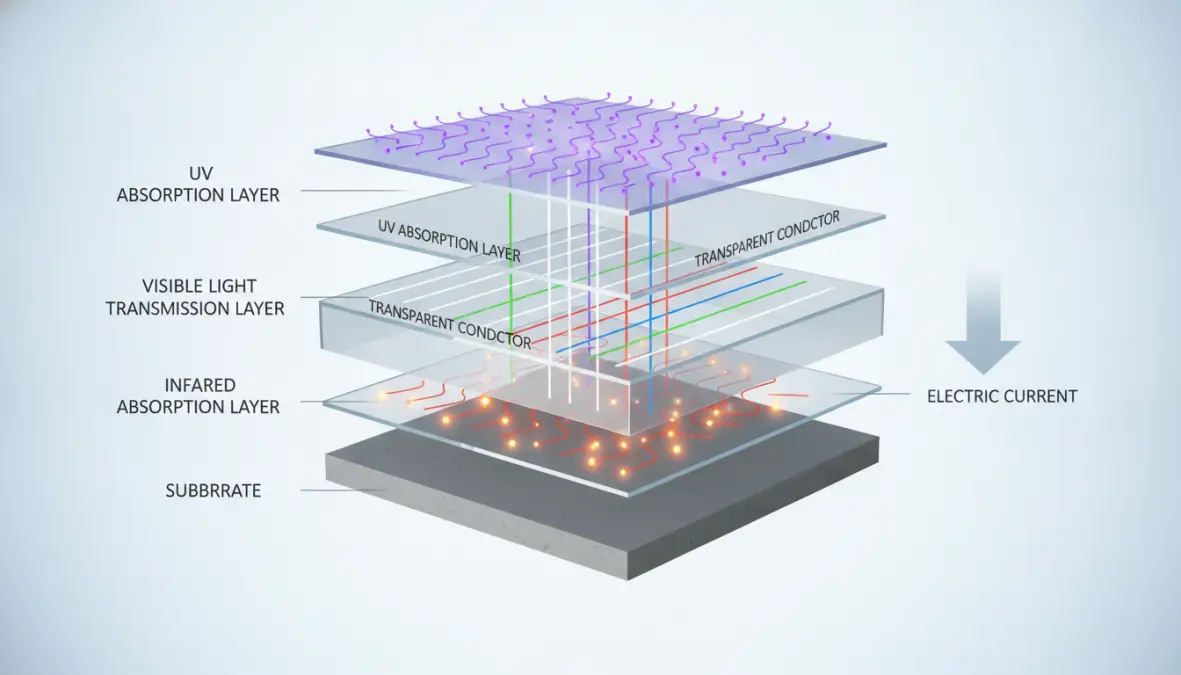
Unlike conventional solar panels that block all light to maximize energy capture, transparent solar panels use a clever trick: they selectively absorb only the wavelengths of light that are invisible to the human eye—primarily ultraviolet and infrared radiation—while allowing visible light to pass through. This selective absorption is what makes see-through solar panels possible.
The technology behind transparent solar cells typically involves organic photovoltaics or perovskite solar cells, materials that can be engineered to target specific light wavelengths. When UV and infrared light hits the panel, it’s absorbed by luminescent solar concentrators embedded in the glass, which convert this energy into electricity and channel it to thin wires at the panel’s edges. The result? Photovoltaic glass that functions as both a window and a power generator.
How do transparent solar panels work in practical terms? The level of transparency can actually be adjusted during manufacturing, ranging from nearly crystal-clear (about 10% efficiency) to slightly tinted (up to 12% efficiency). The trade-off is straightforward: more transparency means less energy generation, and vice versa.
The development of this technology began in earnest around a decade ago at research institutions like Michigan State University, where scientists first demonstrated viable transparent luminescent solar concentrators. Since then, innovations in materials science—particularly with perovskite solar cells—have dramatically improved both the efficiency and manufacturing scalability of these revolutionary panels.
Applications and Benefits of Solar Panel Windows
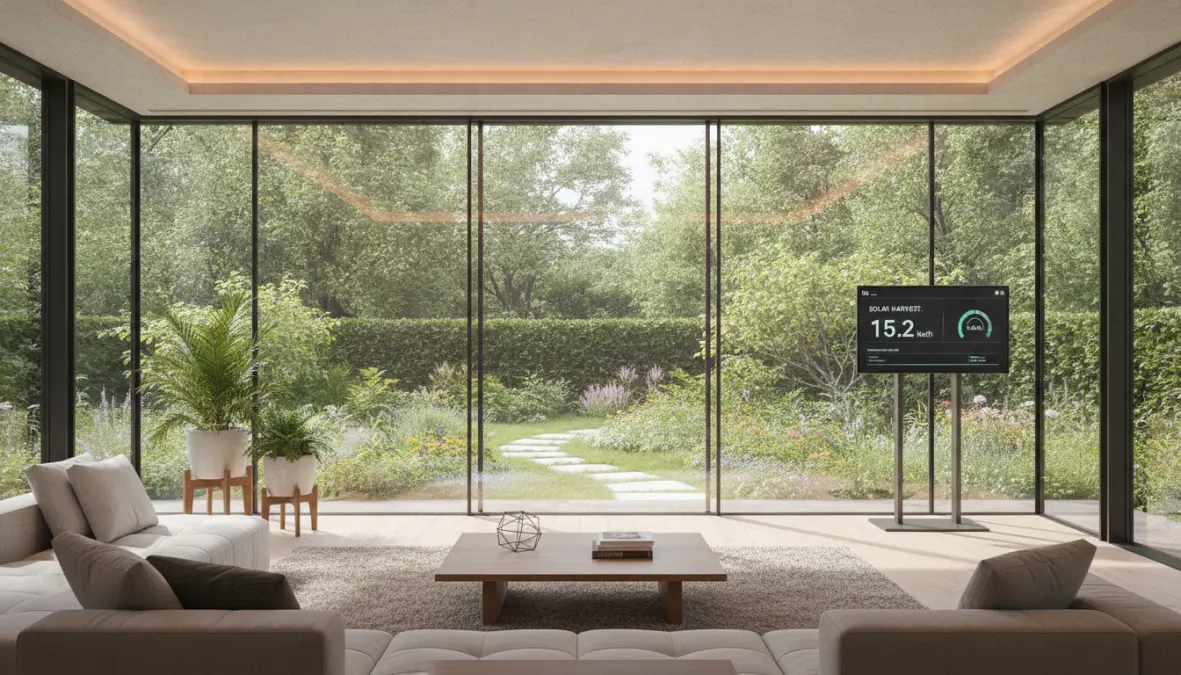
Solar panel windows offer applications that extend far beyond traditional rooftop installations. In residential settings, transparent solar panels for home windows can turn south-facing windows into energy generators without sacrificing natural light or curb appeal. For high-rise buildings, the potential is even more dramatic—imagine a glass skyscraper where every window contributes to the building’s energy needs, moving closer to net zero buildings that produce as much energy as they consume.
Building integrated photovoltaics (BIPV) represent one of the most promising applications of solar window technology. Instead of adding solar panels as an afterthought, architects can design buildings where energy generating glass is integral to the structure from the ground up. This seamless integration maintains aesthetic appeal while maximizing energy production across the entire building envelope.
Commercial applications are particularly compelling. Office buildings with thousands of square feet of glass facades can substantially offset their electricity consumption. The automotive industry is also exploring transparent photovoltaic cells for car windows and sunroofs, potentially extending electric vehicle range. Greenhouses benefit doubly: the glass generates power while still allowing sufficient light for plant growth. Even smartphones and tablets could eventually incorporate this technology in their screens.
The benefits of BIPV technology are multifaceted. First, you’re generating renewable energy without requiring dedicated roof space—especially valuable in urban environments where space is premium. Second, the aesthetic impact is minimal; unlike bulky traditional panels, solar glazing systems blend naturally into modern architecture. Third, the dual functionality means you’re getting both weather protection and energy generation from the same surface. Fourth, building owners can reduce energy costs while demonstrating environmental commitment.
When comparing transparent solar panels vs traditional panels, the efficiency gap is significant. While conventional panels achieve 18-22% efficiency, transparent versions currently max out around 10-12%. However, this comparison misses the point: transparent panels occupy surfaces that would never accommodate traditional panels anyway. A window that generates even modest electricity is infinitely better than one that generates none.
Cost Considerations and Market Availability
The cost of installing transparent solar windows remains higher than standard glass or traditional solar panels—typically 2-3 times the price of regular windows. Expect to pay $50-100 per square foot for the technology itself, though prices are declining as production scales up. When considering ROI, factor in both energy savings and potential increases in property value from sustainable building features.
Several best transparent solar panel manufacturers are bringing products to market. Companies like Ubiquitous Energy, Physee, and Onyx Solar are leading commercial development, though widespread residential availability remains limited. Most current installations are in commercial pilot projects and high-end developments. Government incentives for solar installations often apply to these systems, potentially offsetting 26-30% of installation costs through tax credits.
Are transparent solar panels worth it? The answer depends on your specific situation. For new construction in premium developments or commercial buildings with large glass facades, the value proposition is increasingly compelling. For retrofitting existing homes, the economics are tougher unless you’re already planning window replacement. As technology improves and costs decrease, mainstream adoption is expected within the next five to ten years. Much like ambient computing is invisibly integrating technology into our environments, transparent solar panels represent the invisible integration of renewable energy into our buildings.
Future Outlook: Challenges and Technological Advancements
Despite enormous potential, transparent photovoltaic cells face significant challenges. The primary hurdle is efficiency—current transparent solar panels efficiency rate of 5-12% lags far behind conventional panels. This limitation is inherent to the technology: by definition, allowing visible light to pass through means less energy available for conversion. However, researchers are making steady progress, with laboratory prototypes achieving efficiencies above 15%.
Cost remains a barrier to widespread adoption. Manufacturing processes for photovoltaic glass are more complex than standard glass production, and economies of scale haven’t yet driven prices down to competitive levels. Long-term durability is another question mark—will these panels maintain efficiency over 20-30 year lifespans like traditional solar? Field testing is ongoing, but comprehensive data is still emerging.
Standardization of installation procedures and building code compliance presents practical challenges. Contractors need training, and regulatory frameworks must adapt to this hybrid window-solar panel category. Integration with building management systems and smart glass technology adds another layer of complexity.
On the bright side, technological advancement is accelerating. New perovskite solar cells formulations show promise for both improved efficiency and easier manufacturing. Researchers are exploring tandem cells that combine multiple materials to capture broader light spectra. Universities and startups worldwide are racing to optimize the transparency-efficiency balance.
Market forecasts are optimistic. As smart cities prioritize sustainability and building codes increasingly mandate renewable energy integration, renewable energy windows could become standard in new construction. The global market for smart glass technology, which includes transparent solar, is projected to grow exponentially, driven by both environmental regulations and corporate sustainability commitments. Just as digital twin technology is transforming how we design and optimize buildings, transparent solar panels will transform how buildings themselves function as energy systems.
The ultimate vision? Buildings that are net energy producers, where every surface—windows, walls, even walkways—contributes to renewable energy generation. Transparent solar panels are a crucial piece of that puzzle, turning passive structures into active participants in the clean energy transition.
FAQ
How efficient are transparent solar panels?
Current commercial transparent solar panels achieve efficiency rates of 5-12%, compared to 18-22% for traditional panels. However, laboratory prototypes have reached 15%+ efficiency, and ongoing research continues to narrow this gap. The trade-off between transparency and efficiency is inherent to the technology.
Can transparent solar panels be installed on existing windows?
Retrofitting existing windows is challenging. Most transparent solar technology requires complete window replacement with specially manufactured units. Some companies are developing transparent solar films that could potentially be applied to existing glass, but these are still largely in development and offer lower efficiency.
What do transparent solar windows cost?
Expect to pay $50-100 per square foot for transparent solar windows, roughly 2-3 times the cost of standard windows and more expensive per watt than traditional rooftop solar panels. Costs are decreasing as production scales, and tax incentives may offset 26-30% of installation expenses.
Are transparent solar panels really transparent?
Yes, but with nuance. The best versions are nearly invisible, with a slight tint similar to standard window tinting. The level of transparency is adjustable during manufacturing—higher transparency means lower energy generation. Most commercial products balance aesthetics with performance, remaining clear enough for normal window use.
How long do transparent solar panels last?
Expected lifespan is comparable to traditional solar panels—20-30 years—though long-term field data is still limited since the technology is relatively new. Durability testing shows promising results, with panels maintaining efficiency over extended periods, though more real-world data is needed.
What’s the difference between transparent solar panels and solar films?
Transparent solar panels are purpose-built glass units with integrated photovoltaic materials, offering better efficiency and durability. Solar films are thin coatings that can potentially be applied to existing glass, offering easier installation but typically lower efficiency and shorter lifespan. Films are still mostly in research stages.