The Language Extinction Crisis: Why We Lose a Language Every Two Weeks

Right now, as you’re reading this, a language somewhere in the world is taking its last breath. Every two weeks, we lose another piece of humanity’s incredible linguistic tapestry. It’s not just words disappearing—it’s entire universes of thought, culture, and identity vanishing forever. Language extinction isn’t some abstract academic concern; it’s a crisis unfolding in real-time, affecting communities from the Amazon rainforest to the Australian Outback.
Understanding the Scale of Language Extinction
Let’s talk numbers, because they’re genuinely staggering. Of the roughly 7,000 languages spoken across our planet today, linguists estimate that between 40-50% are seriously endangered languages. That’s nearly half of all human languages teetering on the edge of oblivion. The rate of language death has accelerated dramatically—we’re losing approximately one language every two weeks, which means around 26 languages disappear annually.
But what does it actually mean for a language to die? A language is considered extinct when its last native speaker passes away. Before that final moment, it’s classified as moribund or dying languages when children no longer learn it as their mother tongue. Recent casualties include Eyak (Alaska, last speaker died in 2008), Bo (Andaman Islands, extinct in 2010), and Klallam (Pacific Northwest, last fluent speaker passed in 2014).
The geographic distribution of this crisis isn’t random. Certain regions are genuine hotspots for linguistic diversity—and consequently, for language loss. Papua New Guinea alone hosts over 800 languages, many spoken by just a few hundred people. Indonesia, Nigeria, India, and Australia are similarly critical zones where indigenous communities face immense pressure on their linguistic heritage.
Why Languages Die: The Root Causes Behind Language Death
So why are languages becoming extinct at such an alarming rate? The causes are interconnected, creating a perfect storm for language death.
Globalization and dominant languages exert tremendous pressure. English, Mandarin Chinese, and Spanish have become economic and cultural powerhouses. Parents often make the heartbreaking calculation that teaching their children these dominant languages offers better opportunities than preserving their ancestral tongue. It’s not hard to understand the logic—but the cumulative effect is devastating for linguistic diversity.
Urbanization pulls people away from rural communities where indigenous languages traditionally thrive. Young people migrate to cities for education and employment, leaving behind the elders who maintain linguistic knowledge. This geographic separation breaks the intergenerational transmission chain that keeps languages alive.
Government assimilation policies—both historical and ongoing—have deliberately targeted minority languages. The residential school systems in Canada and Australia forcibly separated indigenous children from their families, punishing them for speaking their native languages. The trauma of these policies echoes through generations, creating what linguists call “language shift” where communities abandon their heritage languages.
Economic and social pressures create subtle but powerful incentives. In many societies, speaking a minority language carries stigma, limiting access to education, employment, and social mobility. This mirrors broader patterns we’ve seen in workplace culture, where conformity often trumps diversity.
Australian Aboriginal languages exemplify this tragedy—of over 250 languages spoken before colonization, only about 120 survive, and most have fewer than 100 speakers. Native American languages tell a similar story, with many reduced to a handful of elderly speakers desperately trying to pass on knowledge before it’s too late.

Preserving Our Linguistic Heritage: Revitalization Efforts and Solutions
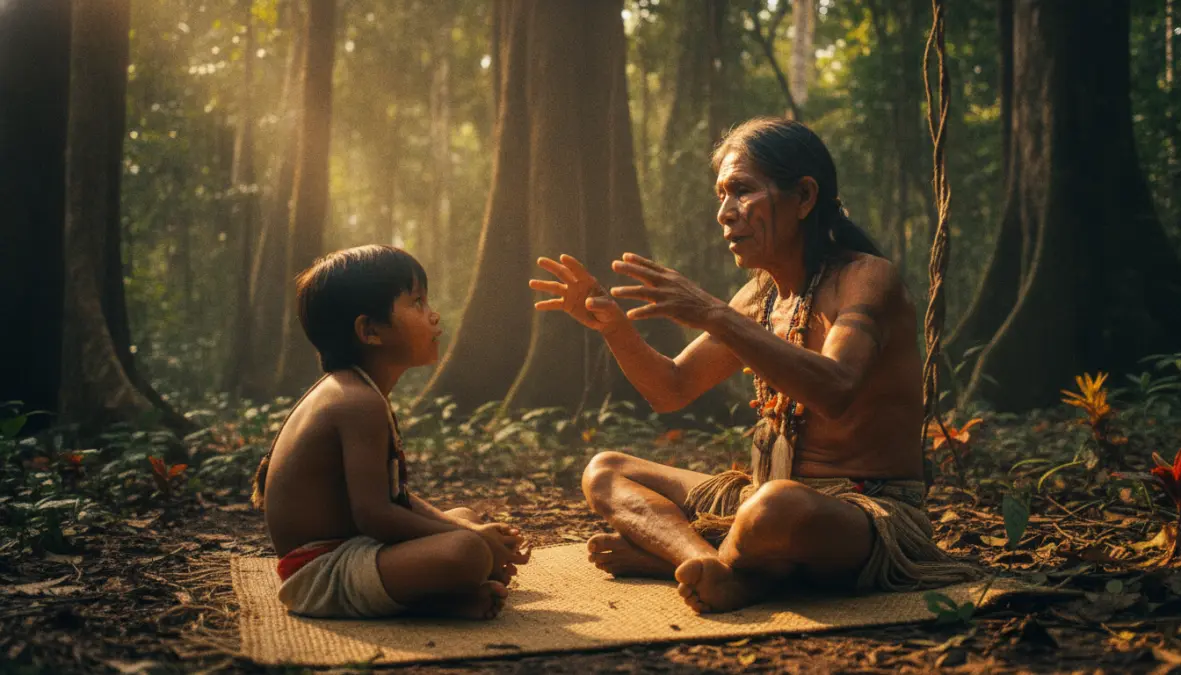
Here’s the crucial question: why should we care about language preservation? Because languages aren’t just communication tools—they’re repositories of unique knowledge systems, worldviews, and cultural diversity. When a language dies, we lose indigenous ecological knowledge, medicinal wisdom, and entirely different ways of conceptualizing reality. It’s cognitive biodiversity, and we need it just as much as we need biological diversity in our ecosystems.
Fortunately, language revitalization efforts are gaining momentum worldwide. Digital documentation projects now record endangered languages through video, audio, and interactive databases. Organizations like the Endangered Languages Project create accessible archives before it’s too late—a race against time for linguistic heritage.
Language immersion programs have shown remarkable success. Schools where children learn exclusively in endangered languages for their early years create new generations of fluent speakers. Hawaiian language immersion schools have produced thousands of speakers where the language was nearly extinct, growing from just 1,000 native speakers in the 1980s to over 24,000 today who can speak it with varying proficiency.
Technology plays an unexpected role. Apps like Duolingo now offer courses in endangered languages including Hawaiian, Navajo, and Irish. Social media platforms allow scattered communities to connect and practice their languages, creating virtual villages that transcend geographic boundaries—something that decentralized social media platforms could potentially enhance further.
The success stories are inspiring. Hebrew’s revival from a liturgical language to Israel’s everyday tongue remains the gold standard for language revitalization. Māori in New Zealand has rebounded through immersion schools and official language status. Welsh has similarly recovered, now spoken by over 700,000 people thanks to dedicated policy support.
Universities and organizations like UNESCO play critical roles through research funding, documentation projects, and advocacy. But individuals can contribute too: supporting indigenous language education programs, using language learning apps for endangered tongues, or simply raising awareness about linguistic heritage in your community. Even small actions aggregate into meaningful change.
FAQ: Language Extinction and Endangered Languages
How many languages are currently endangered?
Approximately 3,000 to 3,500 of the world’s 7,000 languages are currently classified as endangered languages, meaning they’re at risk of disappearing within the next few generations. This represents roughly 40-50% of all human languages, with varying degrees of endangerment from vulnerable to critically endangered with just a handful of elderly speakers remaining.
What is the most endangered language?
Pinpointing a single “most endangered” language is challenging, but several critically endangered languages have fewer than ten speakers remaining. These include Njerep (Cameroon) with around 4 speakers, Tanema (Solomon Islands) with approximately 4 speakers, and Lemerig (Vanuatu) with just 2 known speakers. These languages could disappear within months or years.
Can a dead language be revived?
Yes, though it’s exceptionally rare and difficult. Hebrew stands as the most successful example of language revitalization, transforming from a liturgical language with no native speakers to Israel’s primary language with millions of speakers. However, reviving a completely extinct language with no living speakers is nearly impossible without extensive written records and tremendous community commitment.
What happens when a language goes extinct?
When a language dies, humanity loses irreplaceable knowledge including unique environmental insights, medicinal information, philosophical concepts, and cultural practices embedded in that language’s structure. The effects of language extinction on culture are profound—communities often experience identity loss, disconnection from ancestral heritage, and diminished cultural diversity that weakens the entire human experience.
Which language is dying the fastest?
Many indigenous languages across Australia, the Americas, and Southeast Asia are experiencing rapid decline. In Australia, languages like Amurdag have just one remaining speaker. In the Americas, numerous Native American languages have fewer than five speakers. The fastest decline typically occurs in communities experiencing intense urbanization, where young people abandon their ancestral tongues within a single generation.
The language extinction crisis demands our attention now. Unlike environmental conservation efforts where we can restore ecosystems over time, once a language disappears, that unique human perspective vanishes forever. Whether you’re a policymaker, educator, or simply someone who values multilingualism and human diversity, there’s a role for you in preserving our planet’s linguistic heritage. The clock is ticking—but it’s not too late to make a difference.