Vagus Nerve Stimulation: Natural Techniques to Activate Your Body’s Relaxation Response
Ever feel like your body’s stuck in fight-or-flight mode, even when you’re just sitting at your desk? That constant hum of anxiety, the racing heart, the tension that won’t quit—it’s exhausting. Here’s the good news: you’ve got a built-in reset button called the vagus nerve, and learning vagus nerve stimulation techniques might be exactly what you need to tap into your body’s natural relaxation response. No fancy equipment required, just some simple practices that can shift you from stressed-out to chilled-out surprisingly fast.
Understanding the Vagus Nerve and Its Role in Stress Relief
The vagus nerve is like your body’s wandering superhighway of calm. It’s the longest cranial nerve, snaking from your brainstem all the way down through your neck, chest, and abdomen, touching your heart, lungs, and digestive system along the way. This nerve is the main player in your parasympathetic nervous system—the “rest and digest” side of your autonomic nervous system that counterbalances the stress-driven “fight or flight” response.
When we talk about vagal tone, we’re essentially measuring how well your vagus nerve is doing its job. Higher vagal tone means your body can relax faster after stress, regulate heart rate more effectively, and maintain better emotional balance. Think of it like muscle tone—the more you work it, the stronger it gets. The polyvagal theory, developed by neuroscientist Stephen Porges, revolutionized our understanding of how the vagus nerve influences not just physical responses but also our social engagement and sense of safety.
Poor vagal tone has been linked to chronic inflammation, anxiety disorders, depression, digestive issues, and cardiovascular problems. Conversely, improving your vagal tone through regular vagus nerve activation can enhance heart rate variability (HRV)—a key marker of resilience and overall health. This connection between mental and physical wellbeing makes the vagus nerve a crucial target for anyone seeking natural stress relief. Understanding somatic approaches to healing can complement vagal stimulation practices beautifully.
Evidence-Based Vagus Nerve Stimulation Techniques
Ready to activate your body’s built-in relaxation system? These vagal stimulation techniques are backed by research and can be practiced anywhere, anytime. The beauty of vagus nerve exercises is their accessibility—no prescription needed, just consistent practice.
Breathing and Cold Exposure Methods
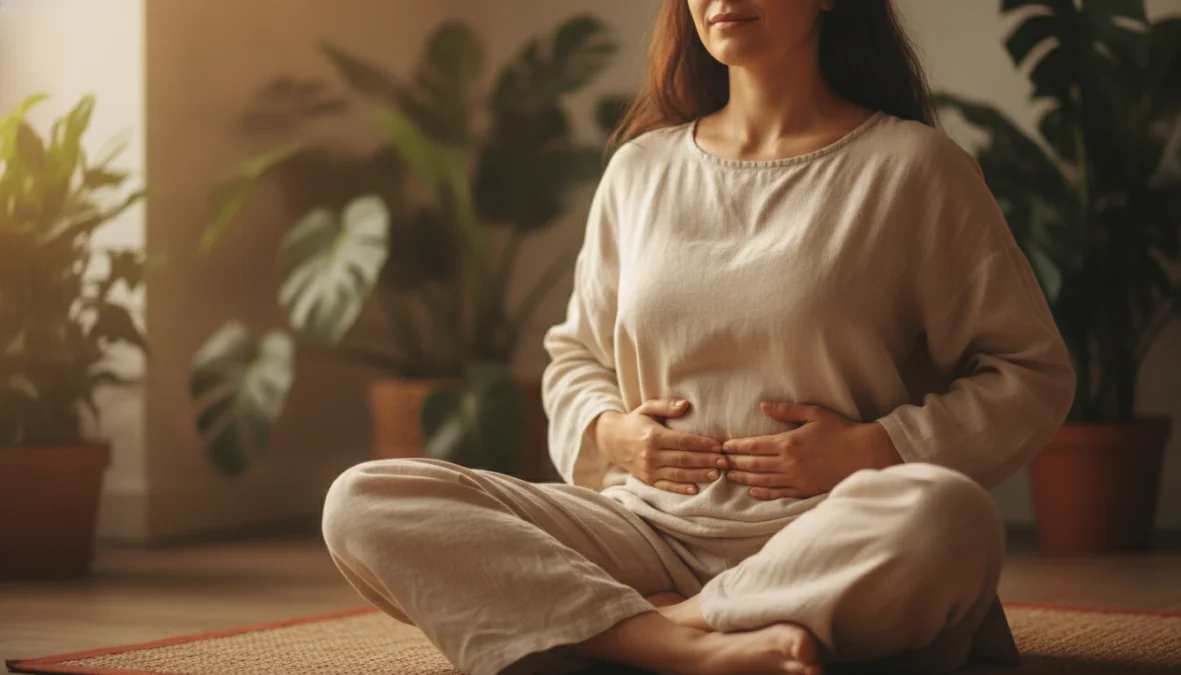
Let’s start with arguably the most powerful tool in your vagus nerve toolkit: your breath. Deep breathing exercises, specifically slow diaphragmatic breathing at around 5-6 breaths per minute, directly stimulate the vagus nerve and activate the rest and digest response. Here’s how to do it: breathe in deeply through your nose for a count of four, let your belly expand (not your chest), then exhale slowly through your mouth for a count of six or eight. The longer exhale is key—it signals safety to your nervous system.
These vagus nerve breathing techniques work because the vagus nerve runs right past your diaphragm. When you breathe deeply, you’re literally massaging it, triggering a cascade of calming neurotransmitters. Practice this for just five minutes, and you’ll likely notice a measurable drop in heart rate.
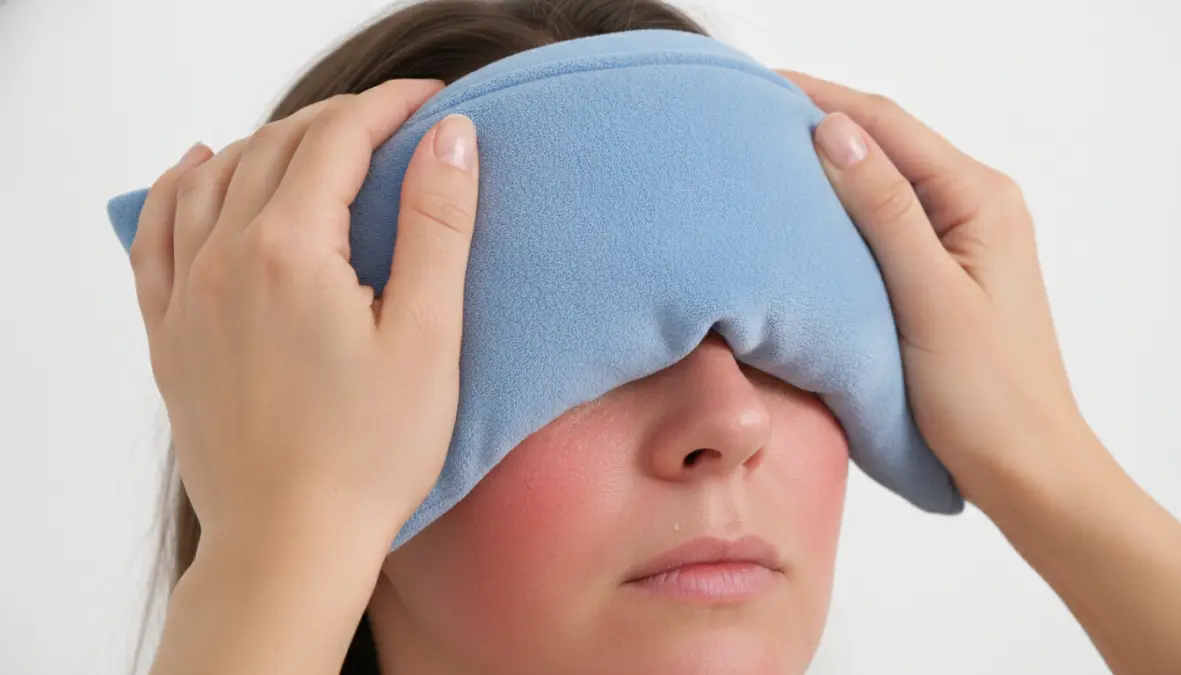
Cold exposure therapy is another powerful vagus nerve stimulator. The “diving reflex” triggered by cold water on your face is one of the fastest ways to activate your parasympathetic system. Try splashing cold water on your face, holding a cold pack on your forehead and cheeks for 30 seconds, or taking cold showers. Start with 30 seconds of cold water at the end of your regular shower and gradually increase. Cold water immersion enthusiasts swear by the mental clarity and calm it brings—that’s your vagus nerve at work.
Physical and Vocal Techniques
Your vagus nerve also innervates your vocal cords and throat muscles, making sound-based practices surprisingly effective. Humming, singing, or even gargling water creates vibrations that stimulate the nerve directly. Try humming your favorite tune for a few minutes—you might notice a gentle tingling or warming sensation in your chest, that’s vagal activation happening in real-time.
Gargling vigorously enough to make your eyes water (yes, really) activates the muscles at the back of your throat and stimulates the vagus nerve. Do this twice daily when brushing your teeth for a simple home remedy for vagus nerve stimulation.
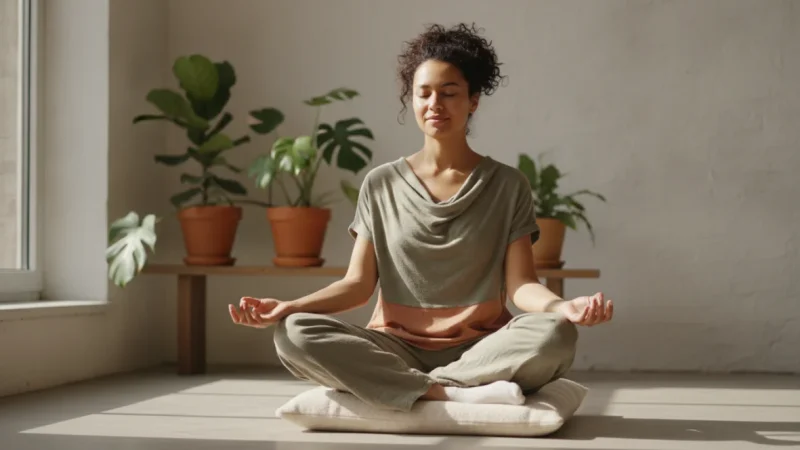
Meditation and mindfulness practices, especially loving-kindness meditation, have been shown to increase vagal tone over time. Even brief daily sessions help retrain your nervous system toward calm. Gentle yoga poses that involve neck stretches or inversions can also help, as the vagus nerve runs through the neck region.
For vagus nerve massage techniques at home, try gentle self-massage around your ears (where vagal nerve branches reside), along the sides of your neck using downward strokes, or using your fingers to massage behind your earlobes in small circles. These simple touches send signals of safety through your nervous system, promoting the relaxation response you’re seeking for vagus nerve stimulation for anxiety relief.

Building Long-Term Vagal Tone: Lifestyle Integration
Here’s the thing about improving vagal tone naturally—it’s not a quick fix but a lifestyle shift. Think of these vagus nerve exercises for stress reduction as building blocks for a more resilient nervous system. Consistency beats intensity every time.
Start by choosing two or three techniques that resonate with you and commit to practicing them daily. Morning cold showers paired with evening breathing exercises create bookends of calm for your day. Set phone reminders if needed—just five minutes of focused vagal stimulation can shift your entire nervous system state.
Beyond specific exercises, lifestyle factors profoundly impact vagal tone. Quality sleep is non-negotiable—your vagus nerve does crucial repair work during deep sleep. Understanding your chronotype can help optimize your sleep schedule for better vagal function.
The gut-brain connection mediated by the vagus nerve means your diet matters too. Anti-inflammatory foods rich in omega-3s, probiotics, and fiber support both gut health and vagal function. Regular, moderate exercise—especially walking, swimming, or yoga—enhances autonomic nervous system balance without overtaxing your system.
Social connection is perhaps the most underrated vagal tonic. Positive relationships, safe physical touch, and genuine laughter all stimulate the vagus nerve through what Porges calls the “social engagement system.” Prioritize face-to-face time with people who make you feel safe and seen.
While these natural ways to activate vagus nerve are powerful, they’re not substitutes for professional care when needed. If you’re dealing with chronic anxiety, depression, or trauma, work with a qualified therapist alongside these practices. Inflammation reduction through vagal stimulation can complement medical treatment but shouldn’t replace it.
Your vagus nerve is always listening, always ready to help you downshift from stress to calm. By incorporating these simple, evidence-based techniques into your daily routine, you’re not just managing stress—you’re fundamentally rewiring your nervous system toward greater resilience, better health, and deeper peace. Start small, stay consistent, and let your vagus nerve become your greatest ally in navigating modern life’s chaos.